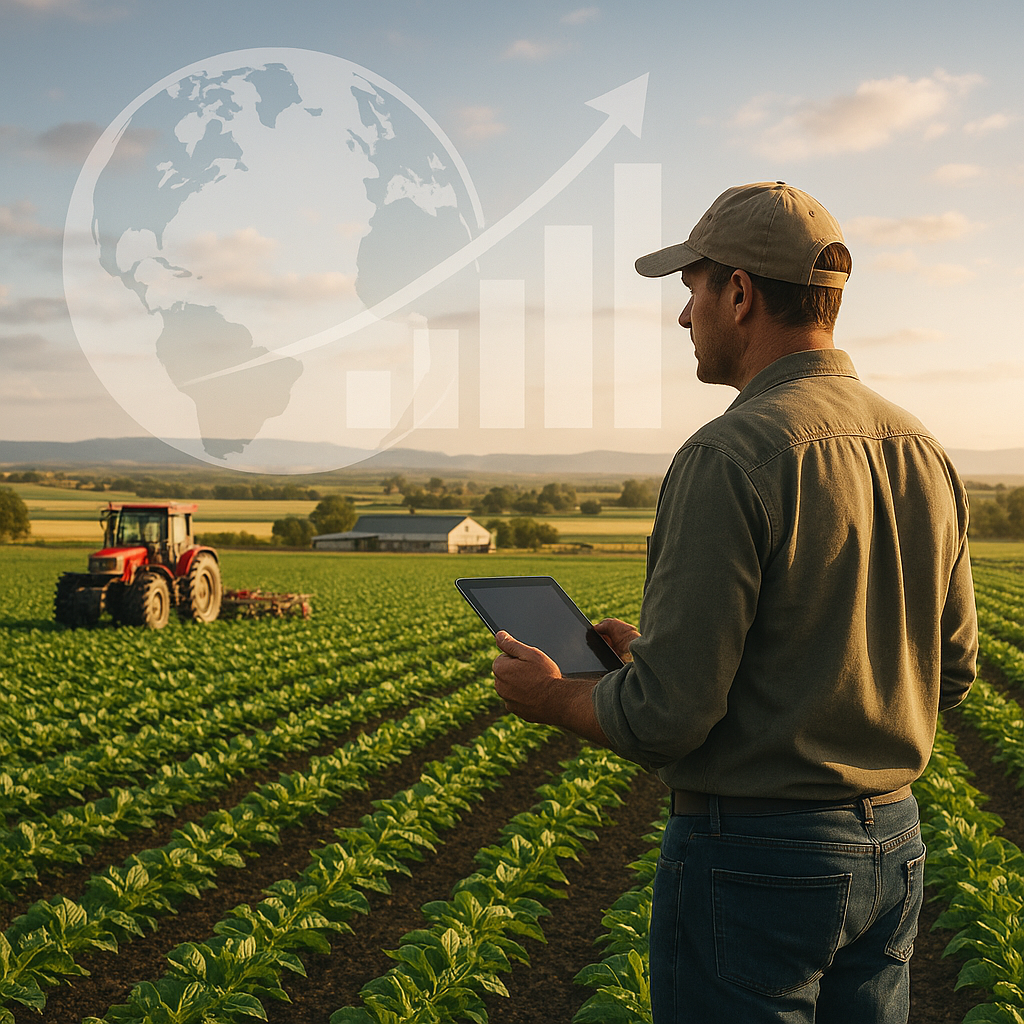
The landscape of global farming is undergoing unprecedented transformation as nations strive to balance food security, economic growth, and environmental protection. International **policy** frameworks have become pivotal in steering agricultural practices toward greater **sustainability**, equitable growth, and climate resilience. From trade negotiations that influence commodity flows to environmental protocols aimed at reducing greenhouse gas **emissions**, the decisions made in international forums ripple across fields, farms, and supply chains worldwide. Understanding how these policies intersect with local realities is essential for farmers, policymakers, and stakeholders seeking to anticipate trends and adapt to emerging challenges. This article explores the multifaceted ways in which international agreements, market regulations, and technological collaborations are reshaping the future of farming on a global scale.
Global Cooperation Through International Agreements
Multilateral agreements serve as the backbone of coordinated agricultural development. By harmonizing rules and targets, these treaties aim to foster food security while addressing environmental and social concerns.
United Nations Frameworks
Agreements under the United Nations, such as the Sustainable Development Goals (SDGs) and the Paris Agreement, set overarching objectives that directly impact farming practices:
- The SDGs promote zero hunger, responsible consumption, and climate action, driving investments in climate-smart agriculture.
- The Paris Agreement’s Nationally Determined Contributions (NDCs) require countries to include agriculture in national strategies for reducing **emissions**.
- Programs like the Green Climate Fund provide financial support for smallholder adaptation projects in vulnerable regions.
World Trade Organization and Agricultural Subsidies
Within the World Trade Organization (WTO), the Agreement on Agriculture seeks to limit trade-distorting subsidies and reduce barriers that hinder fair competition. Key elements include:
- Reduction of export subsidies to ensure a level playing field for farmers worldwide.
- Commitments to lower import tariffs, promoting market access for developing countries.
- Special and Differential Treatment provisions that offer waivers or more flexible terms for low-income nations.
Trade Policies and Market Dynamics
Trade agreements profoundly influence the profitability and viability of farming enterprises by determining which products can cross borders, at what cost, and under which conditions.
Free Trade Agreements and Market Access
Preferential trade agreements, such as the Comprehensive and Progressive Agreement for Trans-Pacific Partnership (CPTPP) or the African Continental Free Trade Area (AfCFTA), lower tariffs and streamline customs procedures:
- Expanded export opportunities for high-value crops like coffee, cocoa, and specialty grains.
- Enhanced competition that incentivizes farmers to improve quality and adopt **innovation**.
- Challenges for small-scale producers who may struggle to meet stringent sanitary and phytosanitary standards.
Non-Tariff Barriers and Standards
Beyond tariffs, regulatory measures such as food safety protocols, labeling requirements, and origin certifications play a decisive role. Buyers in high-income markets often demand proof of sustainable or fair-trade sourcing, compelling producers to adhere to new norms:
- Certification programs ensuring ethical labor practices and environmental stewardship.
- Traceability systems leveraging blockchain to guarantee authenticity from farm to fork.
- Potential exclusion of farmers lacking resources to comply with complex documentation.
Environmental Regulations and Biodiversity Protection
As climate change intensifies, international **regulations** increasingly target the agricultural sector’s environmental footprint. Policies aimed at preserving natural habitats and curbing pollution are reshaping land use, crop choices, and livestock management.
Deforestation and Land-Use Agreements
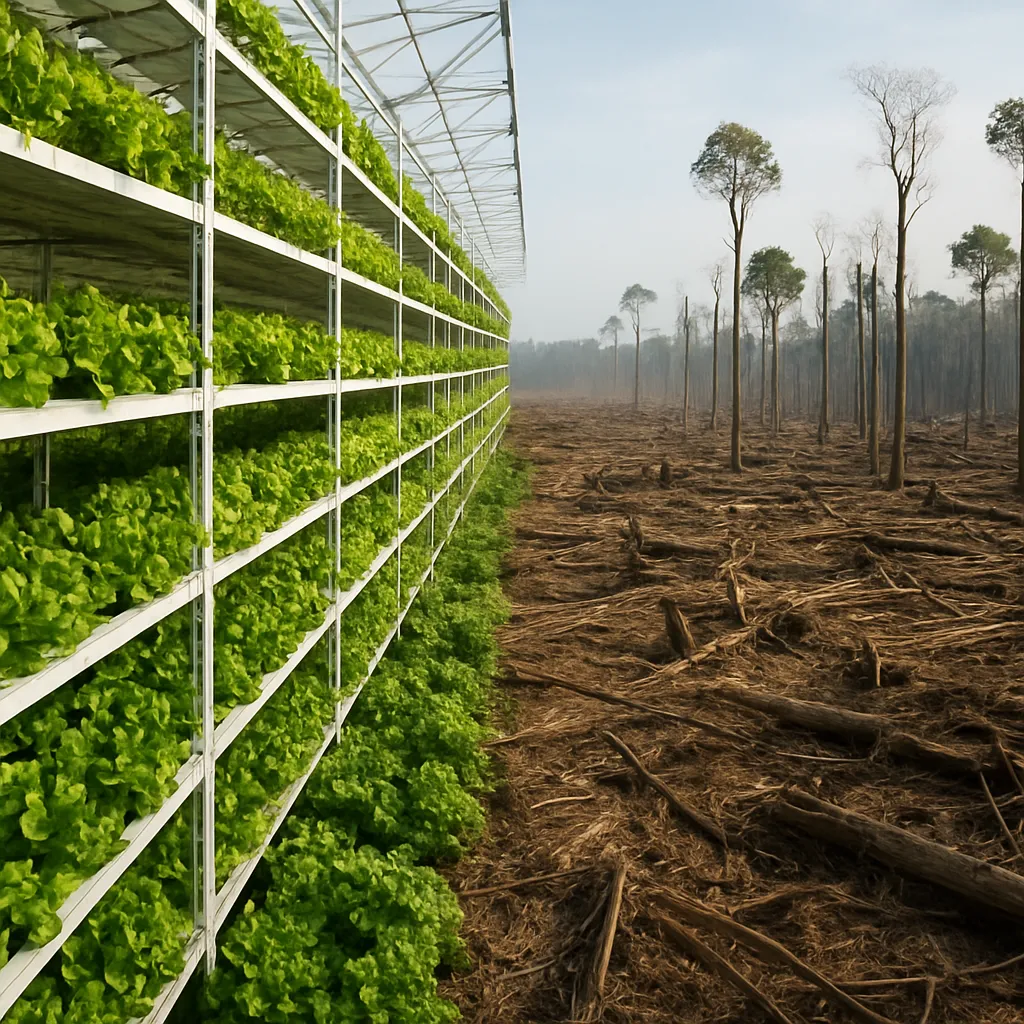
Global commitments to halt deforestation, such as the New York Declaration on Forests, impose restrictions on converting forests into agricultural land. These measures often include:
- Moratoriums on new clearing, especially in biodiversity hotspots like the Amazon or Congo Basin.
- Payment for Ecosystem Services (PES) schemes that compensate landowners for conservation efforts.
- Encouragement of agroforestry systems that integrate trees and crops to enhance carbon sequestration.
Water Management and Soil Health
International guidelines promote efficient water use and soil conservation to sustain long-term productivity:
- Targets under the Convention to Combat Desertification (UNCCD) to restore degraded land and prevent further erosive processes.
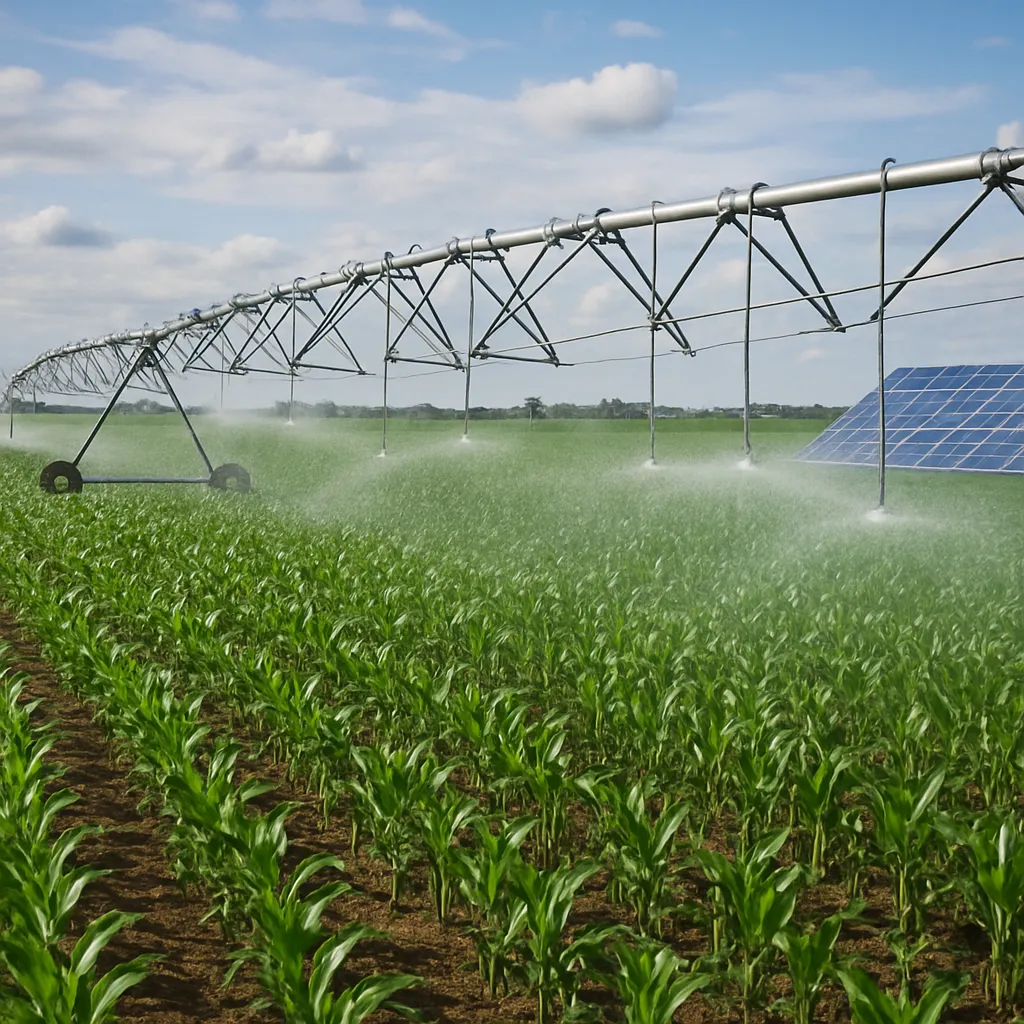
- Promotion of drip irrigation and laser leveling to reduce water waste.
- Soil organic carbon initiatives that reward farmers for building healthy soil with cover crops and reduced tillage.
Technology Transfer and Agricultural Innovation
One of the most dynamic areas of international cooperation focuses on sharing **technology** and best practices to enhance farm-level productivity and resilience.
Digital Agriculture and Data Sharing
Collaborative platforms supported by organizations like the FAO facilitate the exchange of satellite imagery, weather forecasts, and crop monitoring tools. Benefits include:
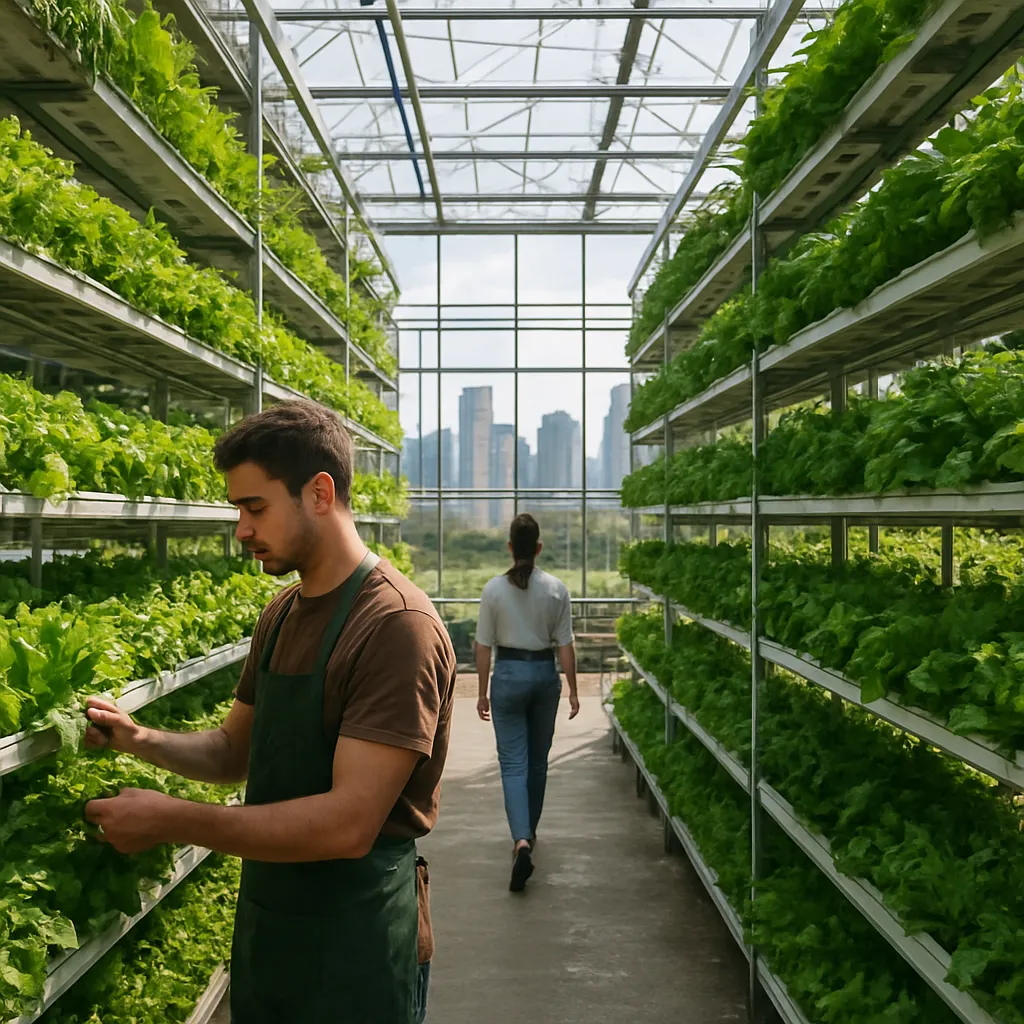
- Precision farming techniques that optimize input use—fertilizers, water, pesticides—while cutting costs.
- Mobile advisory services delivering real-time recommendations to remote farmers.
- Data privacy and access concerns, as smallholders may lack infrastructure to fully leverage digital tools.
Biotechnology and Crop Improvement
International research partnerships accelerate the development of stress-tolerant and disease-resistant varieties. Key initiatives involve:
- Gene-editing collaborations under open-access licenses to tackle pests without heavy chemical reliance.
- Seed-sharing agreements to preserve agrobiodiversity and prevent genetic erosion.
- Regulatory harmonization efforts that speed up approval of new cultivars across multiple jurisdictions.
Adapting to Future Challenges and Opportunities
Emerging trends, from rising consumer demand for plant-based proteins to the push for circular economy models, will shape the next wave of international **policy** innovations. Agricultural stakeholders must anticipate shifts in:
- Climate adaptation financing that prioritizes **resilience** in drought-prone and flood-affected regions.
- Market incentives for crop **diversification**, reducing reliance on a handful of commodities.
- Collaborative frameworks for carbon markets that reward farmers for sequestering greenhouse gases.
Ultimately, the interplay between global agreements and local farming realities will determine whether agriculture can meet the dual imperatives of feeding a growing population and preserving the planet’s resources. As nations refine their commitments and strategies, farmers who stay informed about evolving international norms will be best positioned to seize opportunities and mitigate risks.