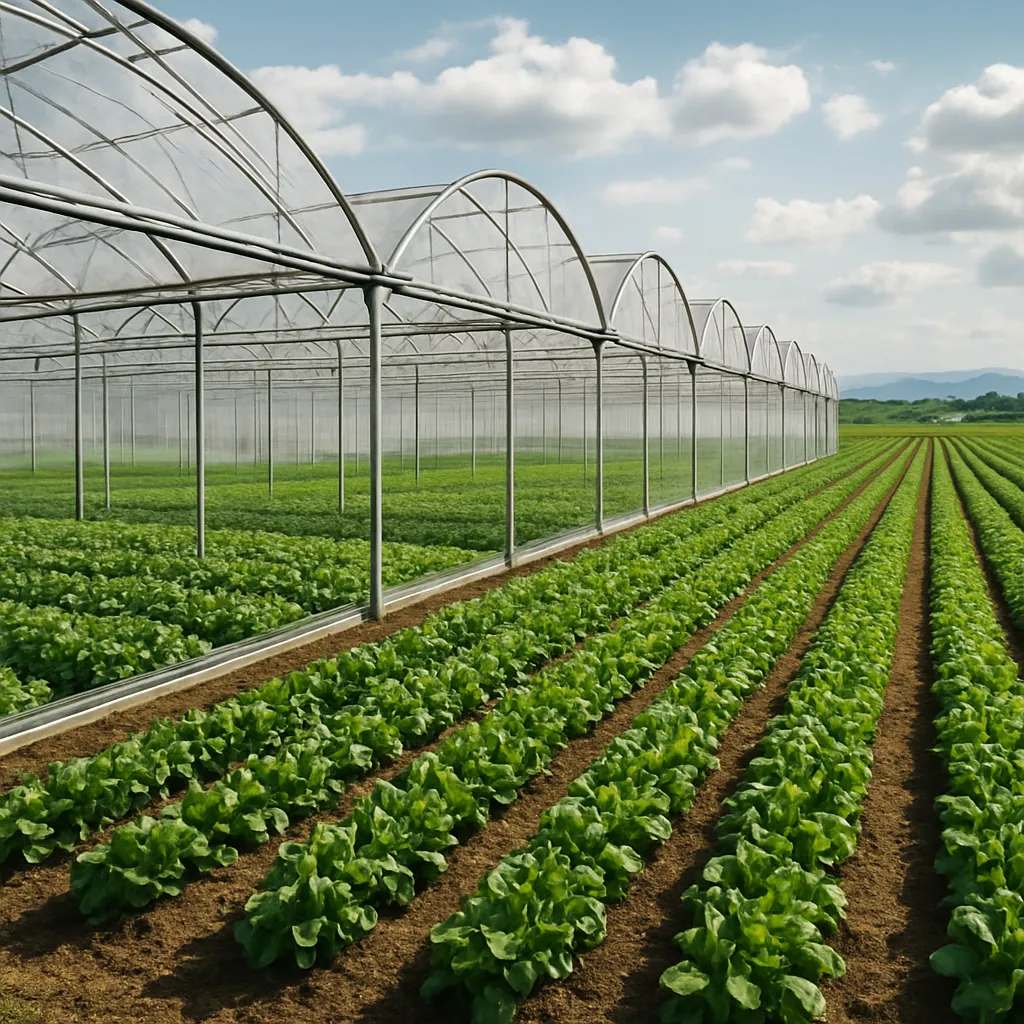
Advancements in modern farming equipment are transforming agricultural landscapes across the globe, enabling farmers to streamline processes, boost efficiency, and significantly lower labor costs. By integrating cutting-edge technologies like drones, robotics, and IoT sensors, agricultural enterprises—from smallholder plots to large commercial operations—are maximizing yield while optimizing input usage. This deep dive explores three major domains where innovation is driving down expenses and reshaping the future of world farms.
Innovations in Precision Agriculture
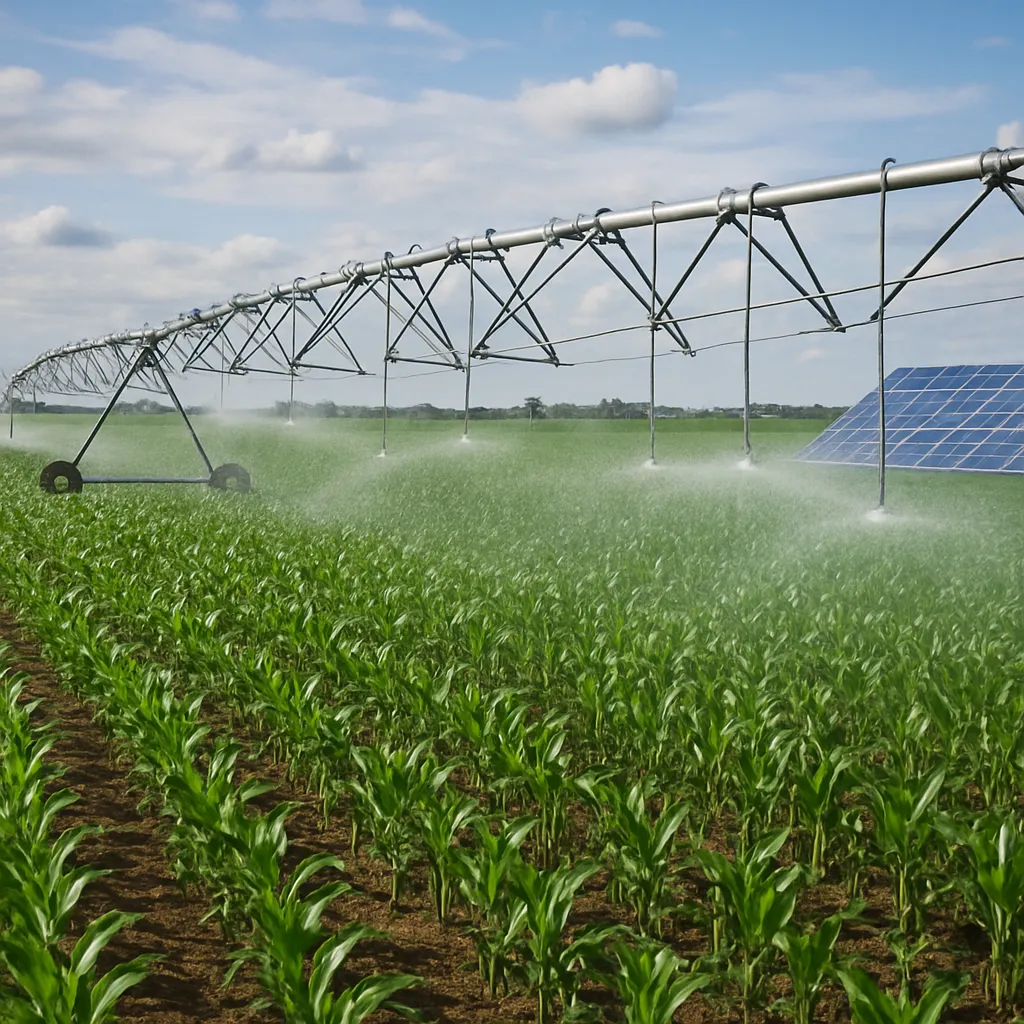
Precision agriculture has emerged as a cornerstone of cost-effective farming. By using satellite imagery, soil mapping, and real-time data collection, growers can make informed decisions about planting, irrigation, and fertilization. This targeted approach reduces waste and labor-intensive trial-and-error routines.
- GPS-guided tractors ensure planting accuracy to within centimeters, cutting down on overlaps and gaps.
- Variable-rate technology (VRT) enables machinery to adjust seed or fertilizer application on the go, saving time and resources.
- Spectral imaging via drones highlights crop stress zones, allowing farmers to intervene selectively rather than inspecting every acre by foot.
These innovations not only trim manual labor but also foster more sustainable practices by preventing over-application of chemicals and conserving water. The ability to target interventions means labor hours are reserved for critical tasks rather than routine inspections, translating to significant cost savings.
Adoption of Autonomous Machinery
As the global agricultural workforce ages and rural populations shrink, the push for automation has accelerated. Autonomous machinery steps in to bridge labor gaps and operate around the clock without fatigue.
- Self-driving combines harvest grain fields with minimal human supervision, reducing the need for seasonal crews.
- Robotic planters and weeders navigate rows precisely, handling delicate seedlings with more consistency than human hands.
- Automated milking systems in dairy farms perform routine milking tasks, freeing staff for animal health monitoring and management.
The integration of these machines dramatically cuts manual labor hours. Farmers report up to a 40% reduction in labor expenditures when deploying autonomous equipment at scale. With continuous improvement in machine learning algorithms, these platforms become smarter, leading to even greater productivity gains.
Integration of Data Analytics and Connectivity
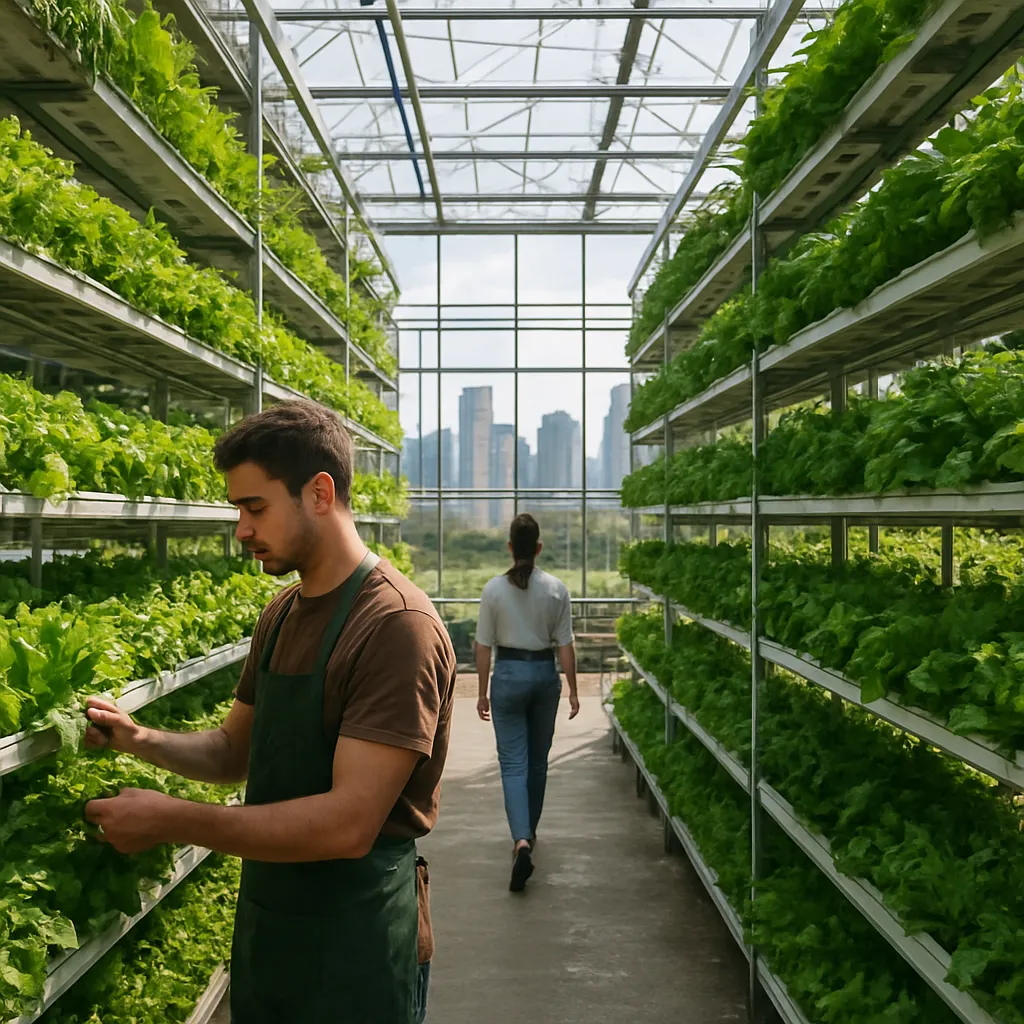
Data-driven decision making is essential for modern agriculture. The convergence of sensors, cloud computing, and big data analytics provides granular insights that drive down labor requirements and operational costs.
Real-Time Monitoring and Alert Systems
IoT-enabled sensors placed throughout fields track moisture levels, temperature, and nutrient status. When thresholds are crossed, automated alerts prompt targeted interventions, eliminating the need for manual scouting across vast acreages.
Predictive Maintenance of Machinery
Connected equipment transmits performance metrics to centralized dashboards. Predictive maintenance algorithms analyze vibration, temperature, and usage patterns to schedule service before breakdowns occur—cutting costly downtime and emergency repair labor.
- Remote diagnostics reduce technician travel time.
- Software updates over-the-air keep machines in peak condition without on-site visits.
- Alert-driven part replacements prevent unexpected stoppages during critical planting or harvest windows.
Case Studies: Global Impact on Labor Costs
From the plains of North America to rice paddies in Asia, real-world examples highlight how technology adoption translates to labor savings.
North America: Large-Scale Grain Farms
Leading grain producers equip fleets of tractors and harvesters with GPS and telematics. By centralizing operations via a digital command center, companies reduce on-farm personnel by nearly 30%, while maintaining or increasing output.
Europe: Specialty Crop Operations
Vineyard and orchard managers employ automated pruning robots that navigate trellises, slashing pruning labor hours by half. Precision spraying drones handle fungicide applications in vineyards, replacing costly spray crews and minimizing drift.
Africa and Asia: Smallholder Empowerment
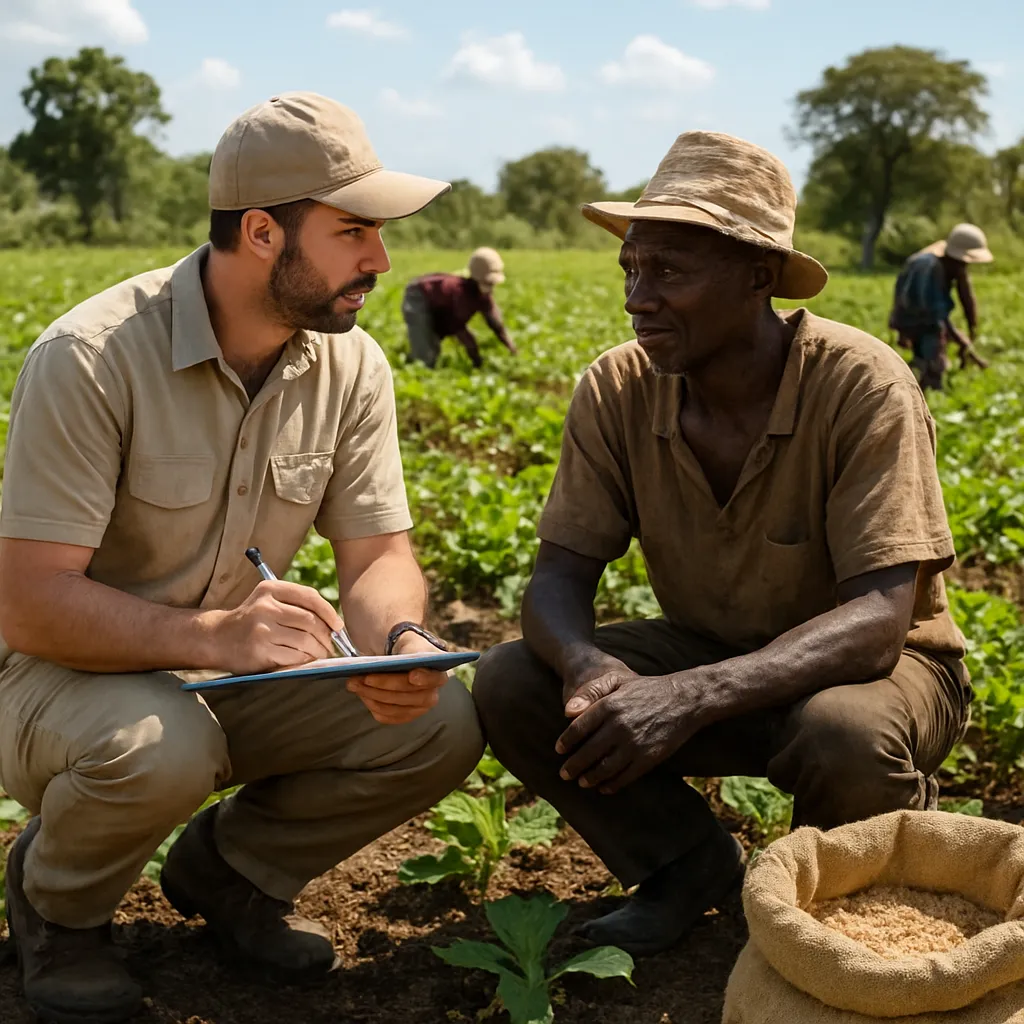
Affordable sensor kits and smartphone connectivity empower smallholders to monitor soil moisture and pest outbreaks. Cooperative models allow shared access to mini-tractors and harvesters, reducing communal labor inputs and boosting profitability.
Challenges and the Path Forward
While the benefits are clear, widespread deployment faces hurdles. Upfront capital costs, limited rural connectivity, and skills training for farmers are critical barriers. Public–private partnerships and government subsidies are key to accelerating adoption in developing regions.
- Microfinancing schemes enable small farmers to lease advanced equipment.
- Open-source platforms for farm data reduce vendor lock-in and training burdens.
- Extension programs and agri-tech incubators foster local expertise in data analytics and machine maintenance.
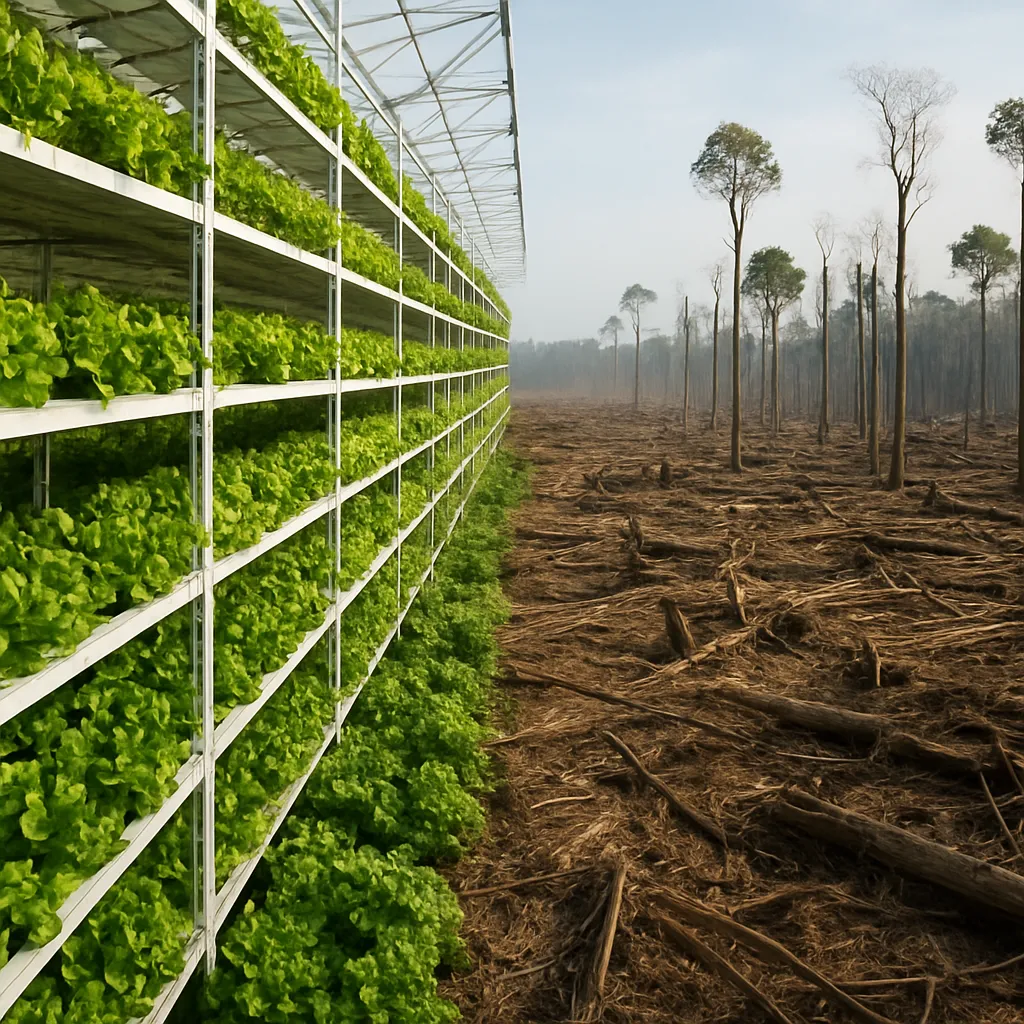
With continued innovation and collaborative efforts, the next decade promises even deeper integration of robotics, AI-driven analytics, and renewable energy sources on farms worldwide. The result will be a leaner, more resilient agricultural sector capable of meeting global food demands with fewer human labor inputs and a lighter environmental footprint.