Across arid landscapes from California’s Central Valley to Australia’s Outback and parts of Sub-Saharan Africa, farmers are rethinking how they manage water to face increasingly severe drought conditions. By integrating advanced technology, time-tested agricultural practices and robust policy frameworks, global farms are striving to boost efficiency, foster sustainability, and enhance agricultural resilience against the pressures of climate change.
Innovative Irrigation Techniques
Traditional flood irrigation has proven wasteful and unsustainable in regions where every drop of water counts. Many farms are now turning to precision alternatives that deliver moisture directly to the plant’s root zone.
Drip and Subsurface Irrigation
Drip systems minimize evaporation and runoff by releasing small volumes of water through emitters placed along tubing. Subsurface variants bury the tubing, further reducing losses. Benefits of these systems include:
- Up to 50% reduction in overall water use compared to flood irrigation
- Improved uniformity in moisture distribution, lowering plant stress
- Less weed pressure, since surface soil remains drier
Sensor-Based Scheduling
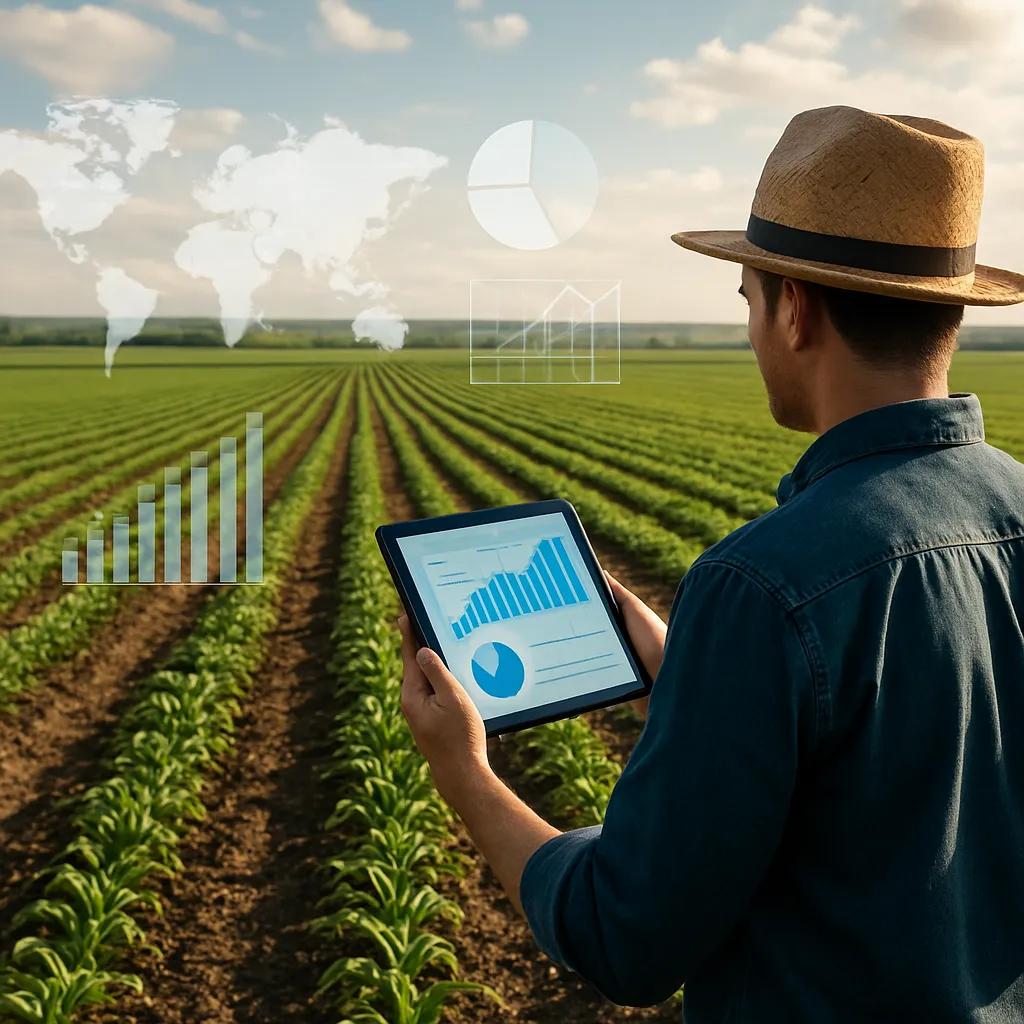
Soil moisture sensors and automated valves have transformed irrigation scheduling into a data-driven exercise. Systems combine:
- Real-time precision data on soil moisture, temperature and plant water uptake
- Remote monitoring via smartphones or desktop dashboards
- Integration with weather forecasts to adapt applications before heatwaves or dry spells
Enhancing Soil and Crop Management
Beyond the pipes and pumps, healthy fields play a central role in conserving precious water resources. Soil structure, organic content and plant selection all influence how much moisture is retained and used.
Cover Cropping and Mulching
Cover crops such as legumes and grasses protect bare soil from sun exposure and erosion. Combined with organic mulch layers, these methods:
- Lower evaporation by up to 30%
- Suppress weeds that compete for moisture
- Improve soil health through enhanced microbial activity and organic matter
Drought-Tolerant Varieties
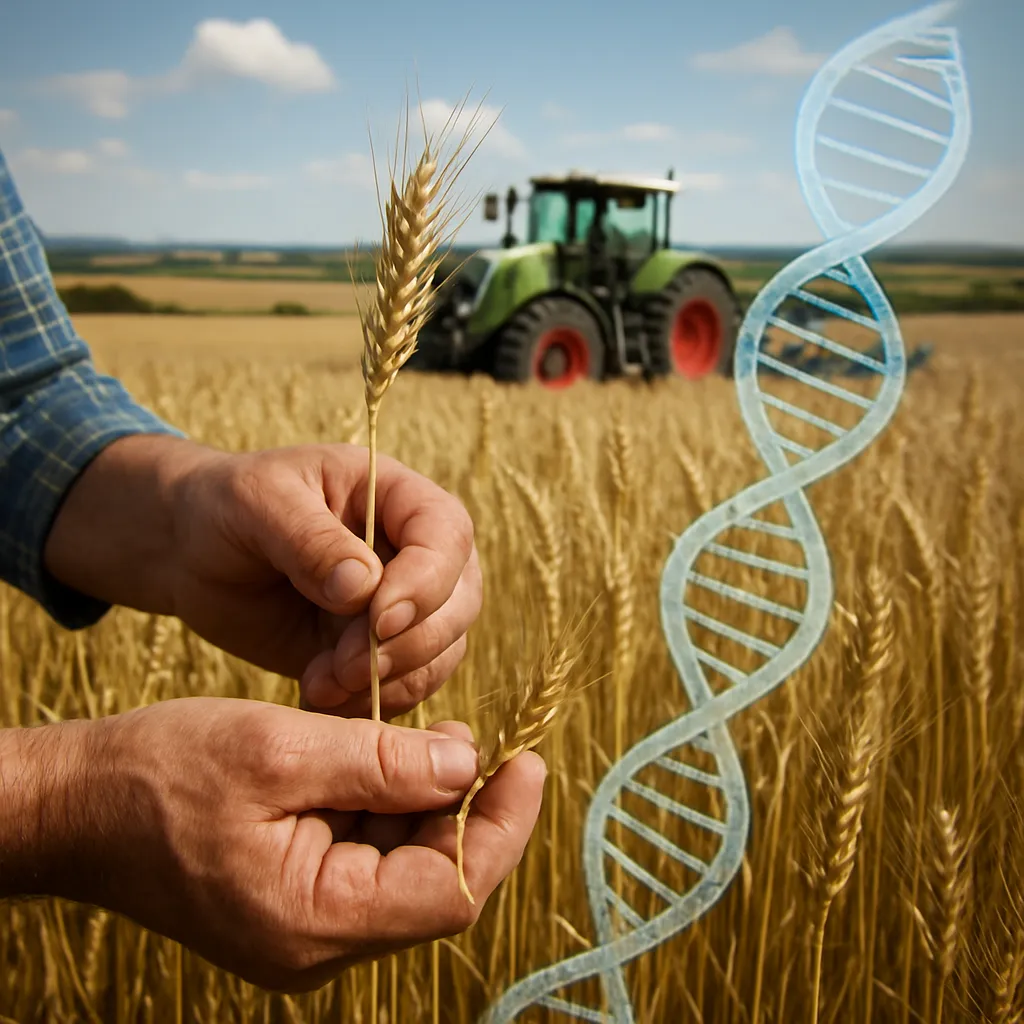
Plant breeders and biotechnology firms are developing crops capable of thriving on limited moisture. Examples include:
- Millet and sorghum strains with deep root systems
- Genetically enhanced wheat and rice exhibiting improved water-use efficiency
- Native species rehabilitated for commercial cultivation
Emerging Technologies in Water Management
Cutting-edge tools are arming farmers with previously unimaginable insights into their operations.
Remote Sensing and Drones
High-resolution satellite imagery and drone surveys reveal moisture stress, pest outbreaks and nutrient deficiencies before they become visible to the naked eye. Key advantages include:
- Targeted interventions only where needed, saving water and agrochemicals
- Large-area coverage in a fraction of the time required by manual scouting
- Historical data archives that show trends in field performance
Artificial Intelligence and Predictive Analytics
AI platforms analyze decades of weather records, soil profiles and crop responses to forecast irrigation needs. This allows farms to:
- Plan buffer storage for anticipated dry spells
- Optimize nutrient delivery to boost yields per unit of water
- Continuously refine on-farm models for ever-greater efficiency
Community Participation and Policy Initiatives
Technological advances alone cannot solve a crisis of global scale. Collaboration among farmers, governments and NGOs is vital to promote equitable, long-term solutions.
Water User Associations
In regions like Spain’s Mancha Occidental or India’s Punjab, local cooperatives manage shared irrigation canals and reservoirs. Benefits include:
- Collective bargaining power when negotiating pump electricity rates
- Coordinated planting schedules to even out demand peaks
- Community-led investment in canal lining and rehabilitation
Incentive Programs and Regulations
Governments worldwide are crafting frameworks to reward efficient practices and penalize waste. Typical measures involve:
- Subsidies for technology adoption, such as sensors and drip kits
- Tiered water pricing that charges higher rates at volume thresholds
- Mandatory reporting of farm water withdrawals to track usage trends
Building a Sustainable Future for World Farms
By weaving together advanced irrigation, improved soil management, community collaboration and supportive policies, farms in drought-prone areas can secure reliable harvests and protect dwindling freshwater reserves. As climate models predict more frequent and intense dry periods, the global agricultural sector’s ability to innovate and adapt will determine food security for generations to come.