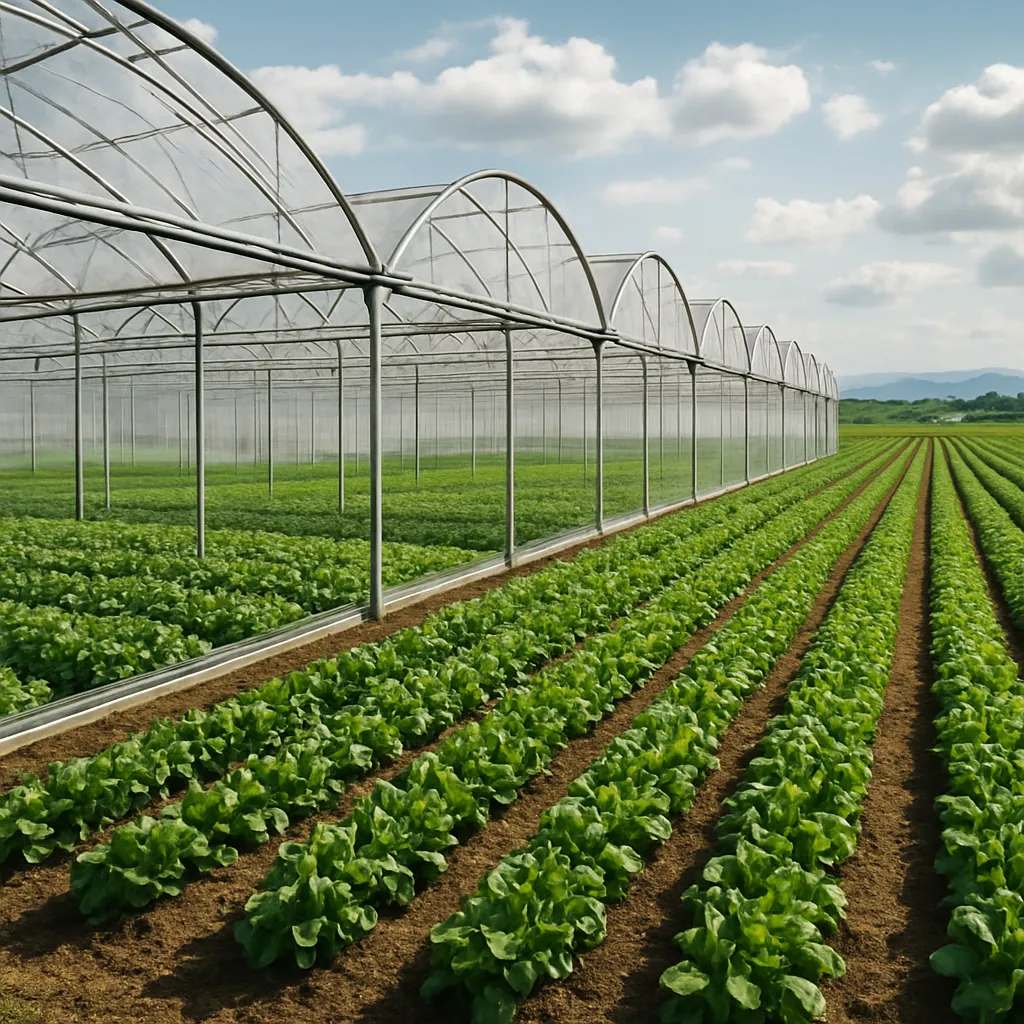
As the global population continues to rise, farms worldwide face unprecedented challenges in ensuring food security while preserving the planet’s health. Through collaborative efforts, agricultural stakeholders are embracing sustainability and innovation to reshape the future of food production. This article explores how farms around the world are implementing forward-thinking strategies that balance economic growth with ecological responsibility.
Transformative Farming Practices Around the Globe
Across continents and climates, farmers are adopting methods that enhance soil fertility, conserve water, and boost crop yields. These practices not only address the immediate need for food but also lay the foundation for long-term agricultural resilience.
Regenerative Agriculture
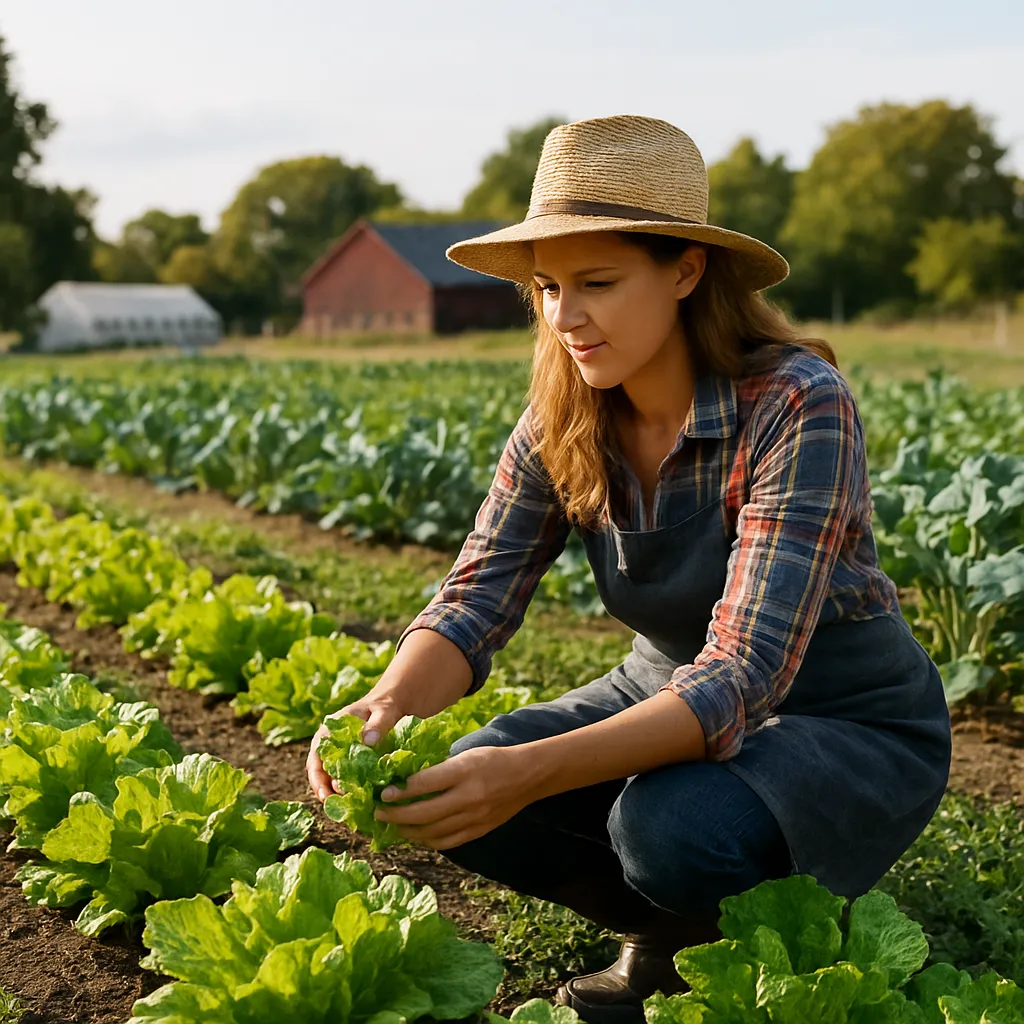
Regenerative agriculture emphasizes rebuilding organic matter in the soil and restoring degraded lands. By implementing crop rotation, cover cropping, and minimal tillage, farmers improve biodiversity below and above ground. This approach captures carbon, reduces erosion, and strengthens soil structure—ultimately increasing farm productivity and ecological health.
Agroforestry and Polycultures
Integrating trees and shrubs with conventional crops creates a multilayered system that mimics natural ecosystems. Trees provide shade, windbreaks, and habitat for beneficial insects. Polyculture systems—growing multiple crop species in proximity—reduce pest pressure and improve soil nutrients. Through these methods, farms generate diversified income streams while supporting wildlife.
Precision Irrigation and Water Management
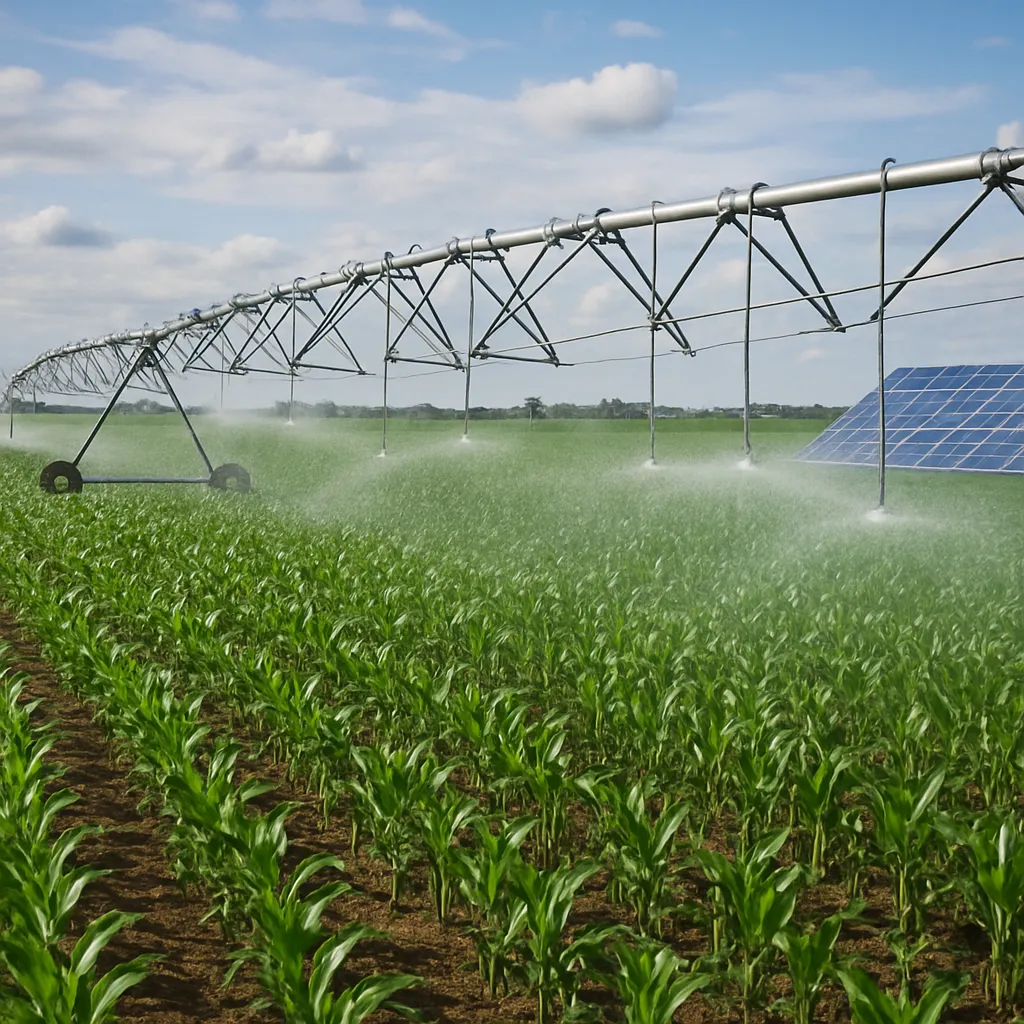
In regions experiencing water scarcity, precision irrigation systems are vital. Farmers employ drip irrigation, soil moisture sensors, and weather forecasting to deliver water only where and when it’s needed. This level of accuracy conserves precious resources and prevents nutrient runoff, safeguarding nearby waterways from contamination.
- Soil moisture probes linked to automated valves
- Rainwater harvesting and storage ponds
- Efficient fertilization schedules to match crop growth stages
Vertical and Urban Farming
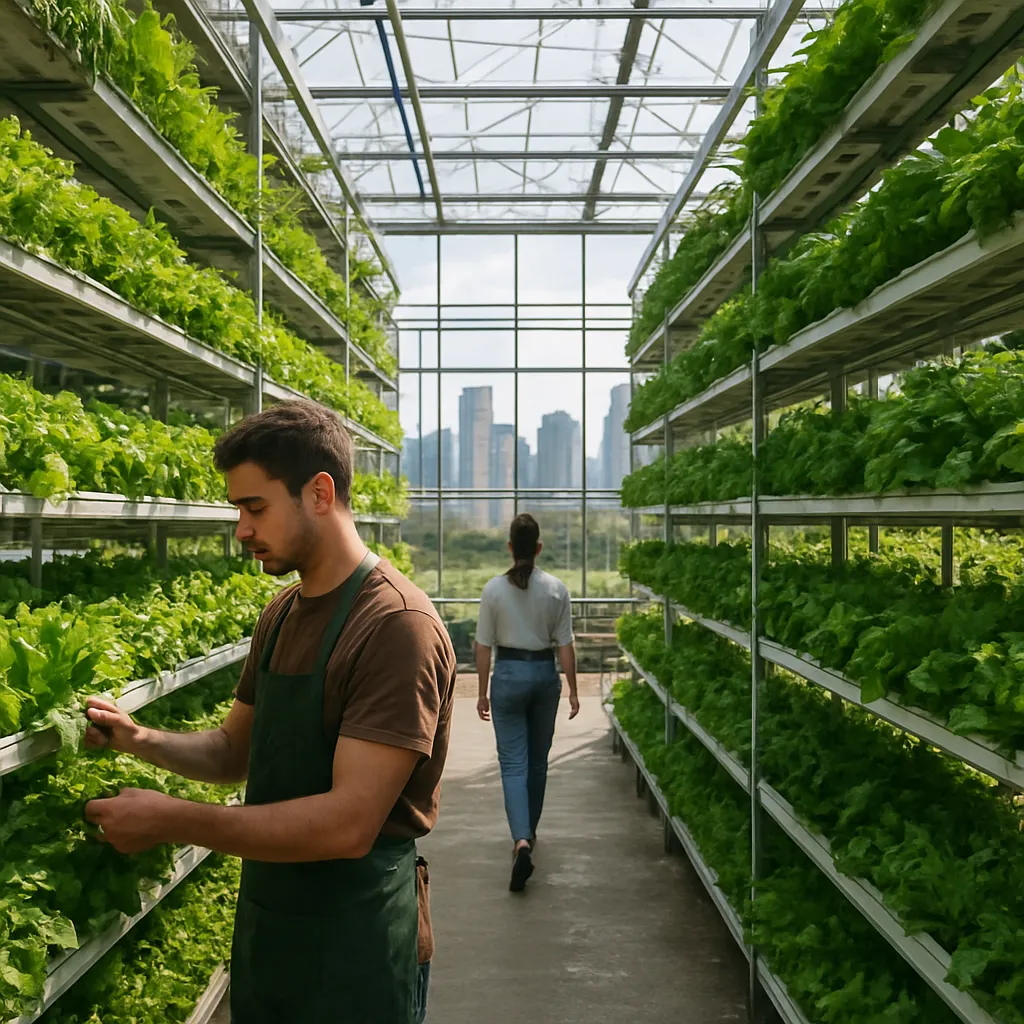
Urban centers around the world are experimenting with vertical farms housed in repurposed warehouses and skyscrapers. These controlled-environment agriculture systems leverage LED lighting, hydroponics, and aeroponics to produce leafy greens, herbs, and even strawberries year-round. By situating farms close to consumers, cities reduce transportation emissions and improve access to fresh produce.
Technological Innovation and Data-Driven Agriculture
The integration of advanced technologies into farm operations is transforming traditional agriculture into a high-tech industry. Data collection and analytics facilitate precise decision-making, driving improvements in yield and efficiency.
Internet of Things (IoT) Sensors
Smart sensors deployed across fields monitor soil moisture, nutrient levels, and microclimates in real time. These devices communicate with farm management platforms, alerting growers to stress conditions before they impact crop health. This proactive approach minimizes waste and maximizes resource use.
Unmanned Aerial Vehicles (Drones)
Drones equipped with multispectral cameras scan large areas quickly, identifying pest infestations, disease outbreaks, and nutrient deficiencies. Farmers can then apply targeted treatments, reducing the reliance on broad-spectrum chemicals and lowering operational costs.
Artificial Intelligence and Machine Learning
Machine learning algorithms analyze historical yield data, weather patterns, and soil compositions to predict optimal planting and harvesting windows. These predictive models improve resilience to climate variability, helping farmers anticipate droughts or storms and adjust their strategies accordingly.
- Yield-mapping software that tracks performance down to individual rows
- Automated tractors and robotic harvesters that reduce labor shortages
- Blockchain-enabled supply chains ensuring food traceability
Community Engagement and Policy Initiatives
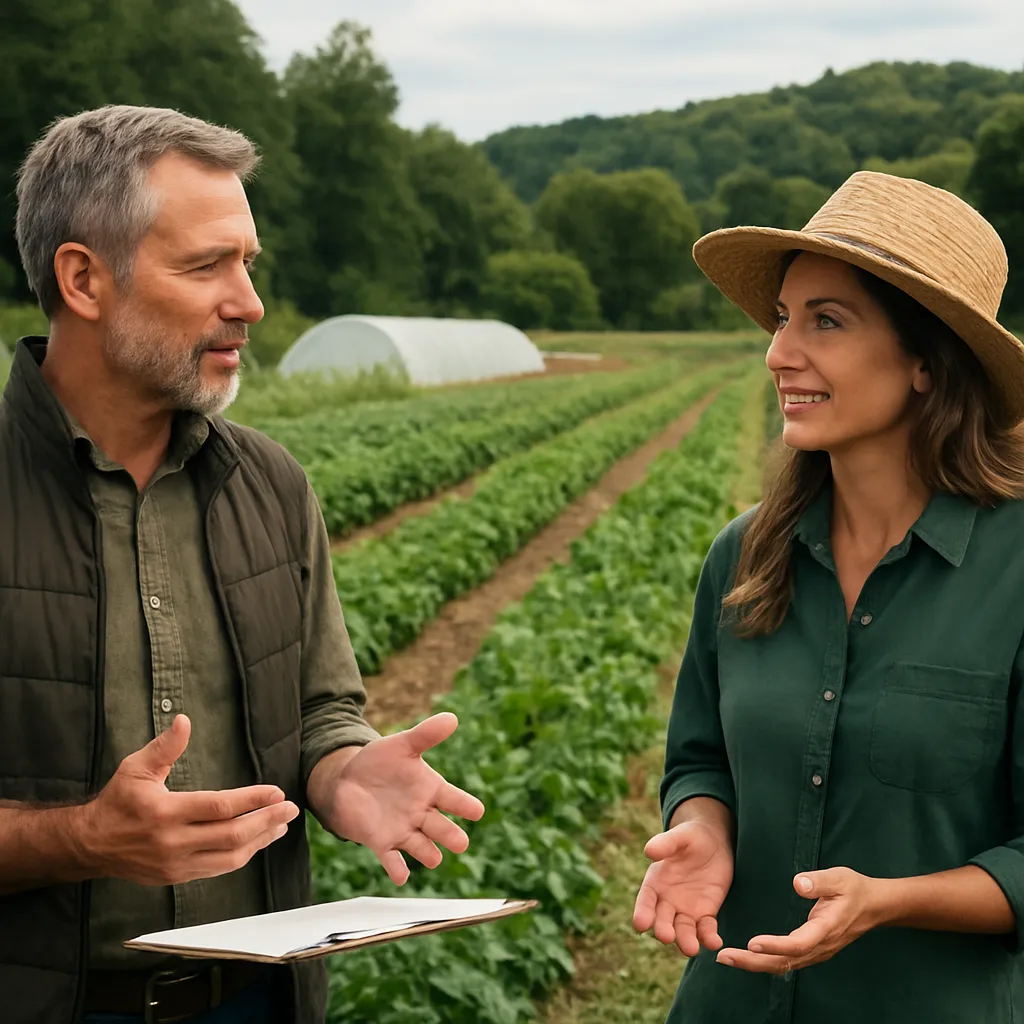
Strengthening ties between farmers, governments, and non-profit organizations is essential for scaling sustainable practices. Collaborative frameworks foster knowledge exchange, financial support, and regulatory environments that prioritize long-term food security.
Cooperatives and Farmer Networks
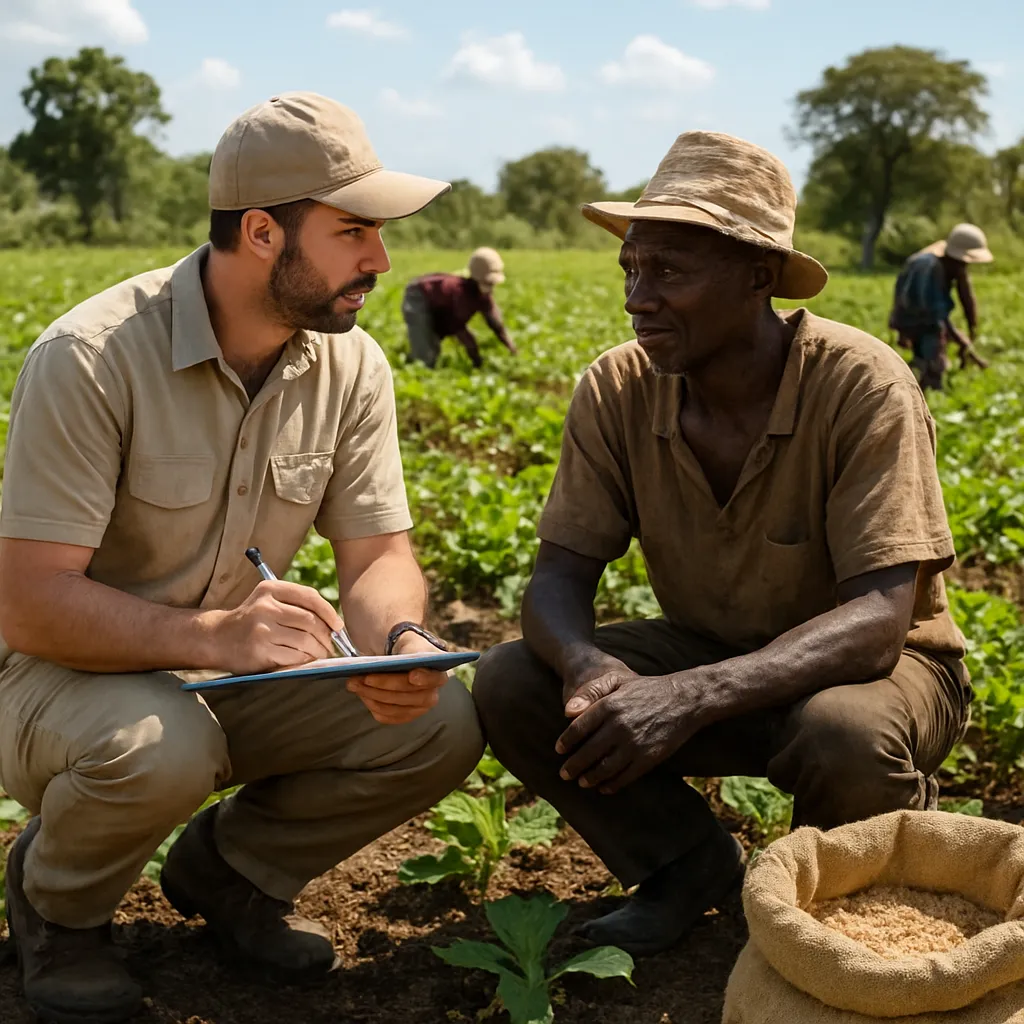
Smallholder farmers often lack the bargaining power and technical expertise to compete in global markets. By forming cooperatives, they gain access to shared resources such as machinery, storage facilities, and training programs. Collective action also improves market access, enabling producers to negotiate fair prices for their goods.
Government Incentives and Subsidies
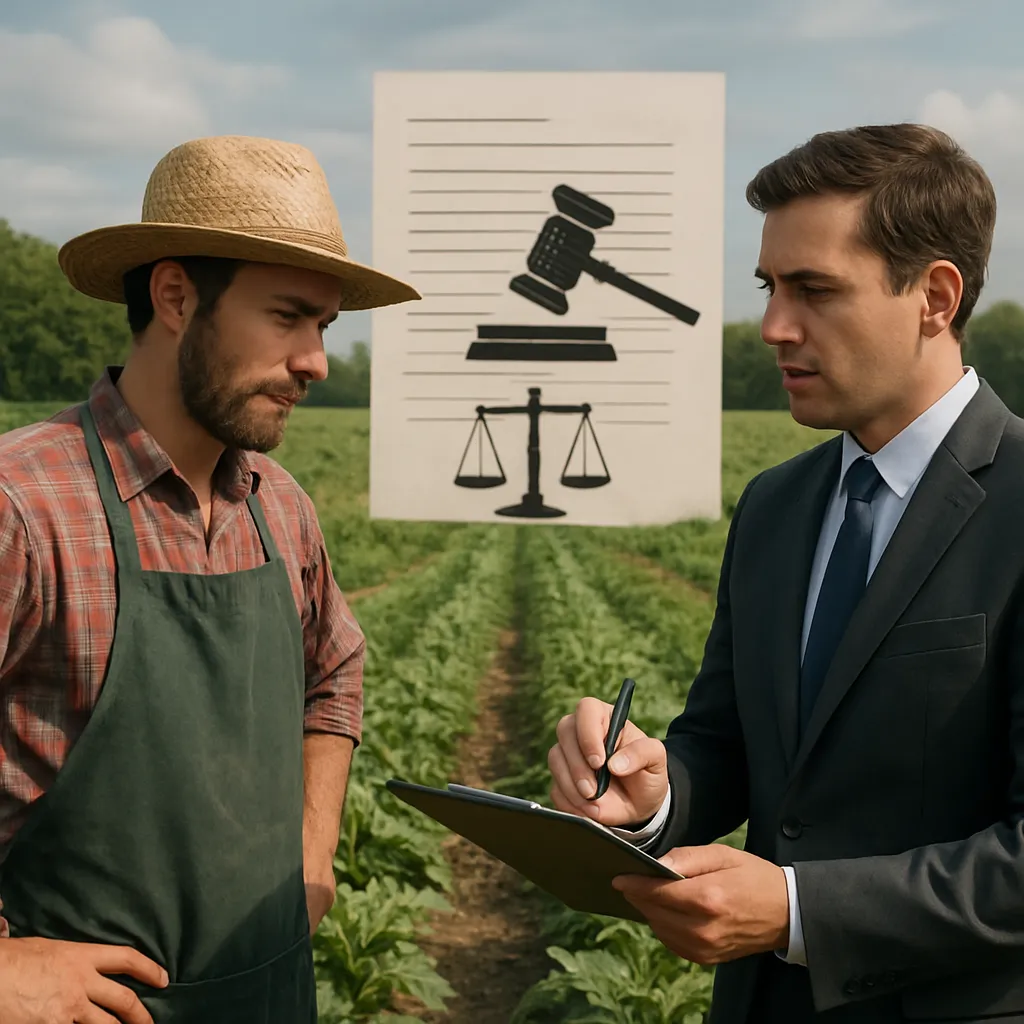
Several countries offer financial incentives for adopting climate-smart agricultural techniques. These programs may include tax credits for soil carbon enhancements, grants for renewable energy installations, or subsidized loans for purchasing precision equipment. Such incentives reduce the initial financial burden and accelerate the transition to greener farming models.
Public–Private Partnerships
Collaborations between agribusiness firms, research institutions, and local communities drive innovation in crop varieties and farming systems. For instance, drought-tolerant seed development projects combine public research funding with private sector distribution networks, ensuring that improved seeds reach vulnerable regions quickly.
- Educational workshops on sustainable land management
- Microfinance schemes tailored for women and youth farmers
- Policy dialogues addressing land tenure and water rights
By weaving together cutting-edge technologies, inclusive policies, and nature-based solutions, farms around the world are charting a new course toward global food security. These interconnected efforts demonstrate that productive agriculture and environmental stewardship can go hand in hand, ensuring a healthier planet for generations to come.