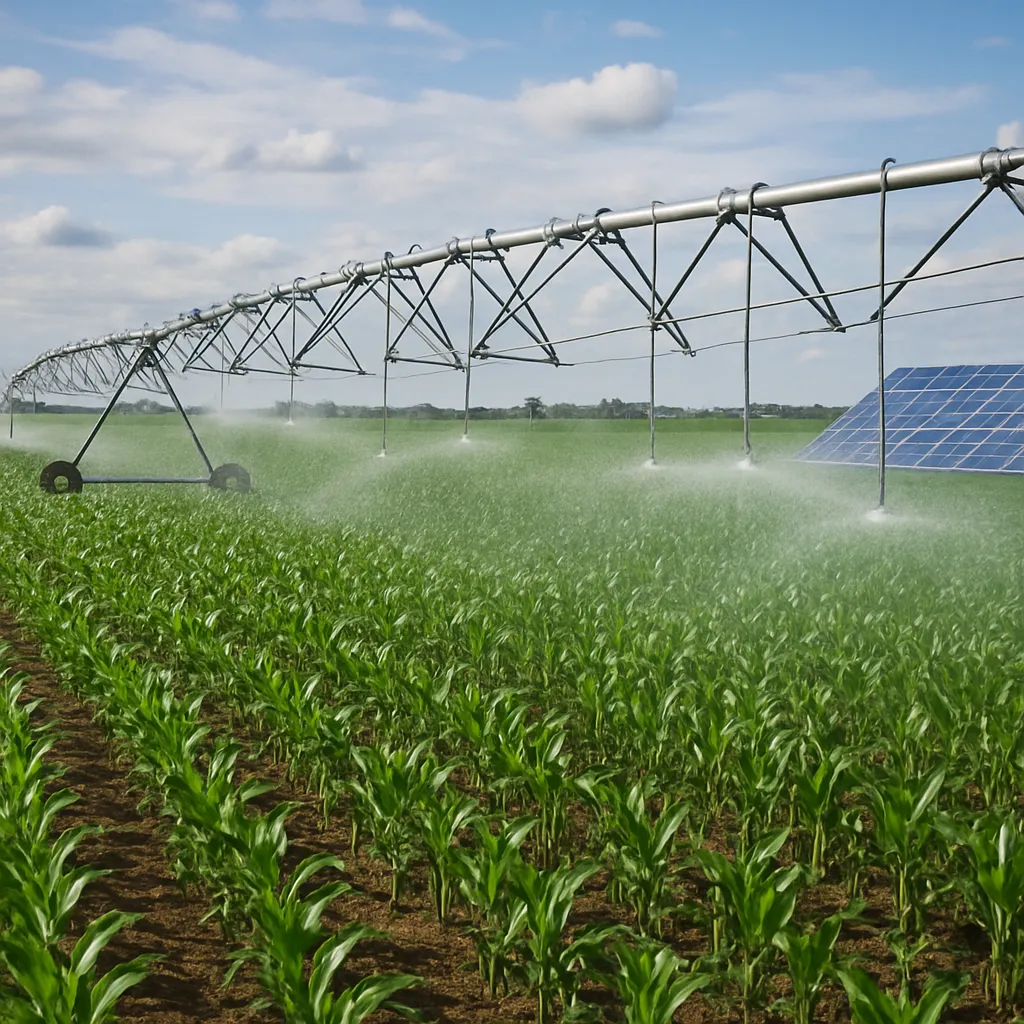
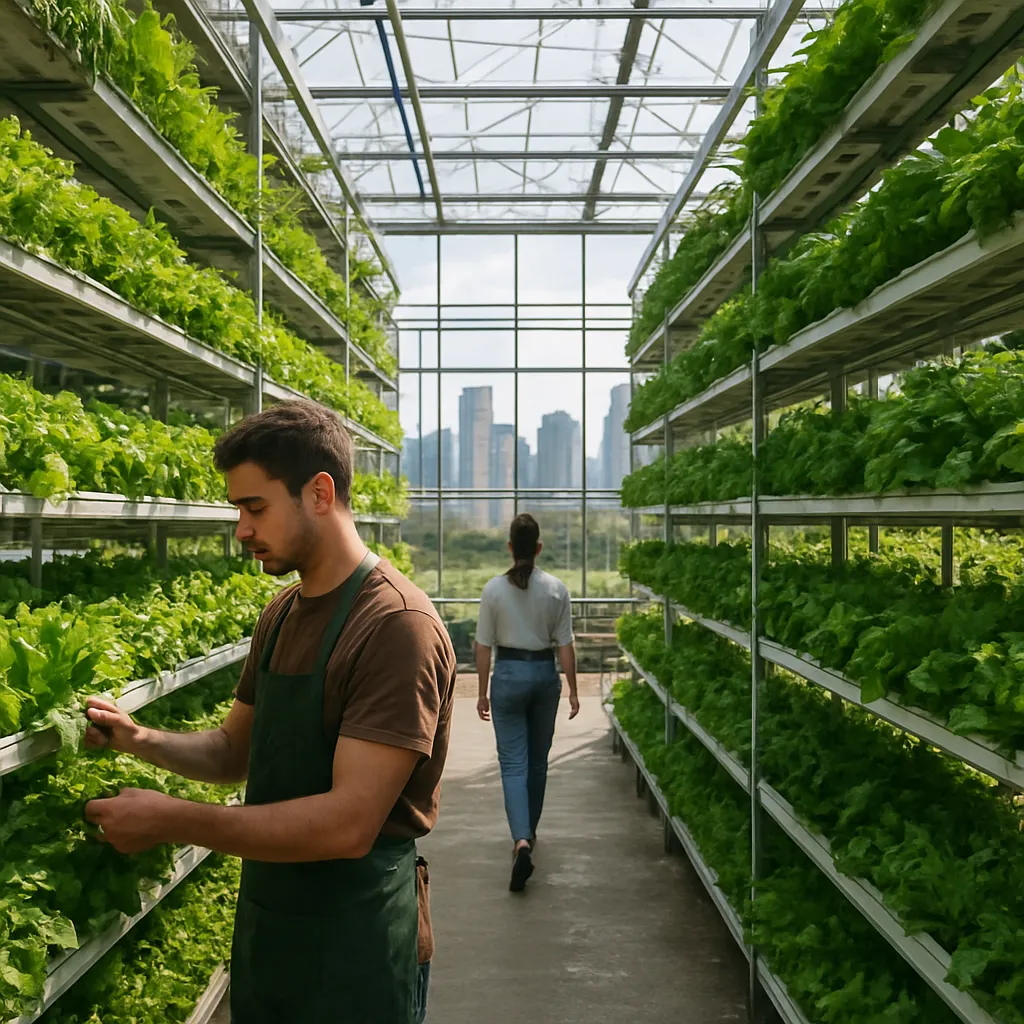
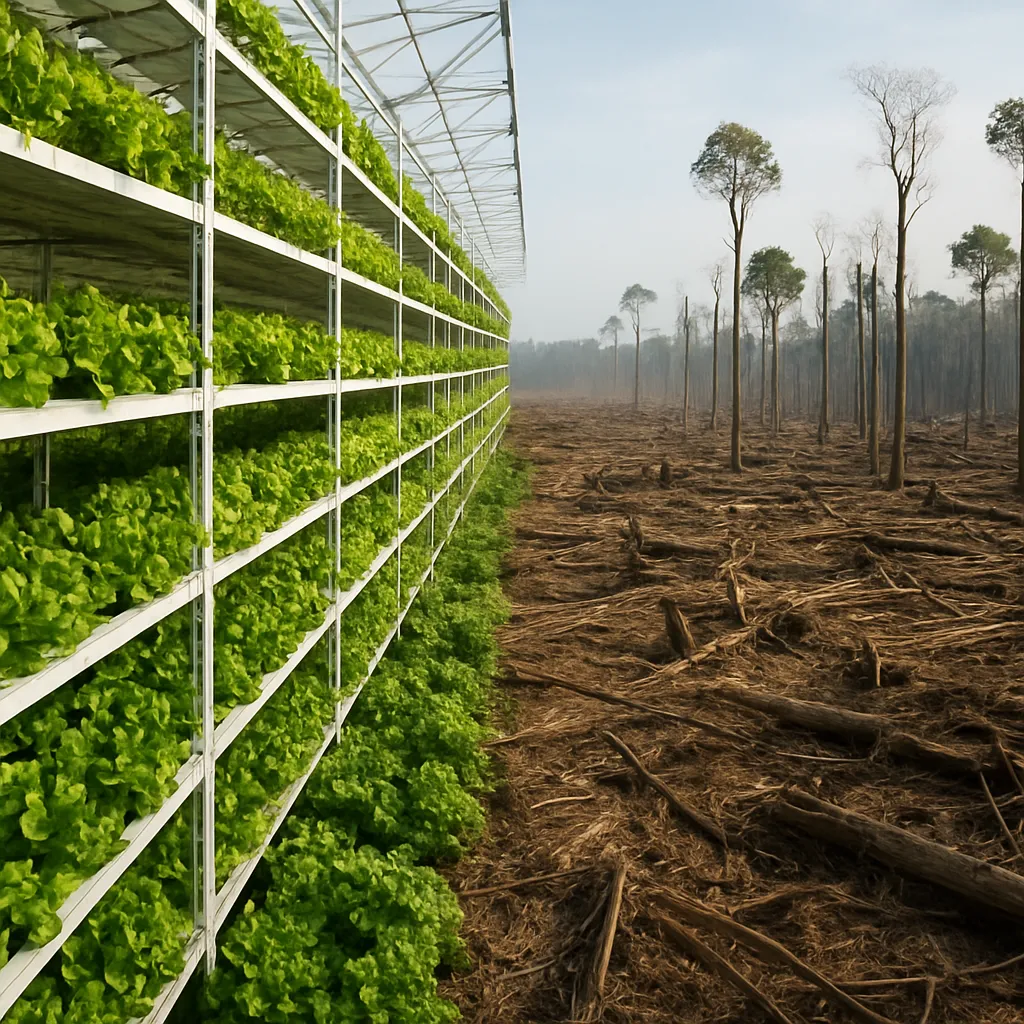
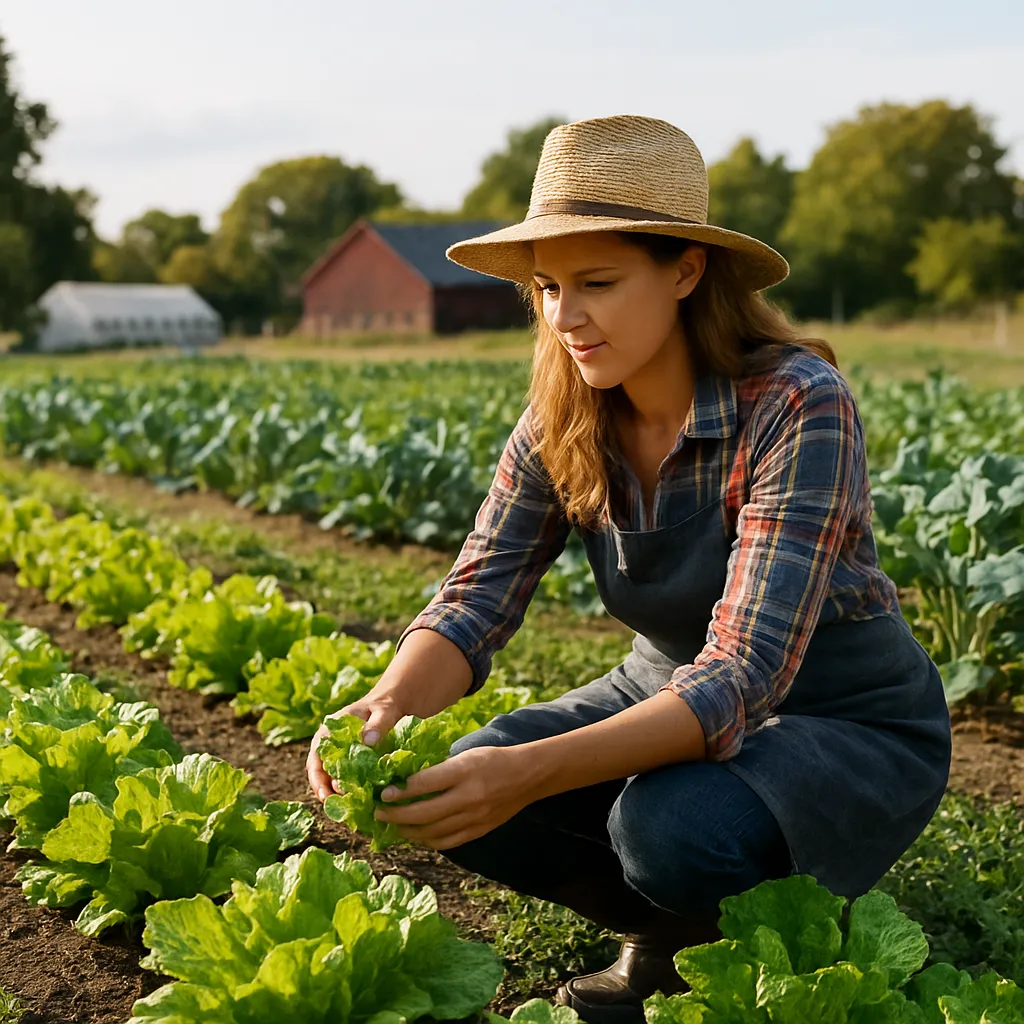
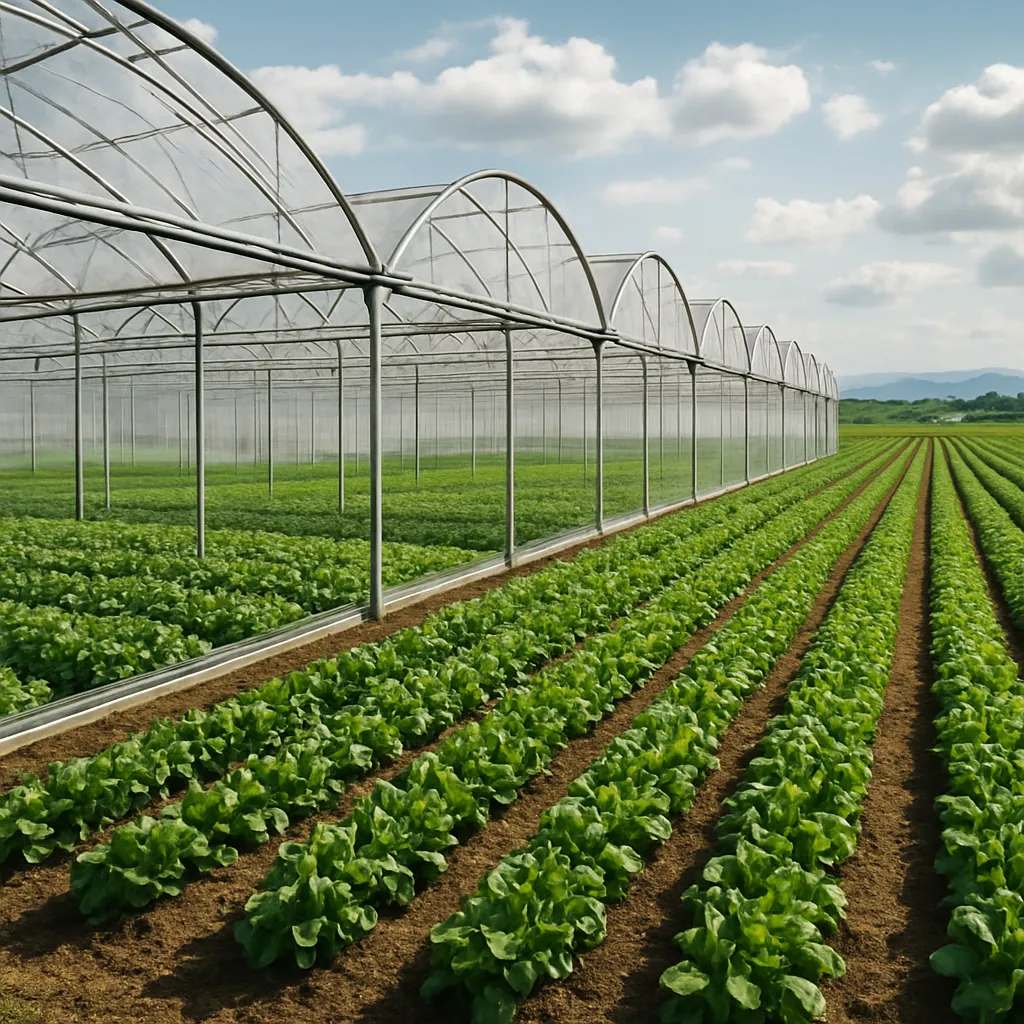
Across diverse agricultural landscapes, farmers are leveraging the power of mobile applications to transform traditional practices into data-driven strategies. These apps serve as versatile tools that integrate satellite imagery, drone technology, and IoT sensors to deliver actionable insights on crop health, soil conditions, and weather patterns. By putting sophisticated analytics into the hands of producers, mobile apps have become catalysts for improved decision-making, enhanced productivity, and increased **sustainability** in the field.
Revolutionizing Farm Management Through Mobile Technology
With the soaring demand for efficient food production worldwide, the agricultural sector is undergoing rapid digitalization. Smartphones and tablets, once luxury gadgets for rural communities, are now indispensable instruments for farm managers. A typical crop monitoring app allows users to:
- Capture high-resolution images of fields via smartphone cameras or drone feeds
- Receive pest and disease alerts powered by AI algorithms
- Track historical yield data and compare performance year over year
- Access weather forecasts and irrigation schedules adapted to specific crop requirements
- Connect with agronomists and extension services through in-app messaging platforms
By consolidating these functionalities within a single interface, farmers can reduce information silos and streamline workflow. Mobile apps also facilitate collaboration across supply chains: growers can share real-time crop status updates with distributors, cooperatives, and exporters, ensuring alignment on quality standards and delivery timelines.
Key Features of Crop Monitoring Apps
Modern agri-tech solutions offer a wide array of features designed to optimize yield and resource use. Some of the most impactful modules include:
- Real-time monitoring: Continuous field surveillance via connected sensors measuring moisture, temperature, and nutrient levels.
- Predictive modeling: Forecasting tools that use historical data to estimate crop yield and identify potential stress periods.
- Data analytics: Interactive dashboards that visualize trends, generate alerts when variables exceed thresholds, and suggest corrective actions.
- Task management: Schedule planting, fertilization, and harvesting tasks with automated reminders and labor cost calculators.
- Geo-fencing and mapping: Delineate precise management zones to apply inputs only where needed, reducing waste and environmental impact.
These modules often rely on advanced integration techniques. For example, multispectral satellite data can be overlaid with drone-captured images to highlight early signs of chlorophyll deficiency. When anomalies are detected, the app sends push notifications prompting the user to investigate. If a pest infestation is discovered, the system provides tailored treatment recommendations, balancing efficacy and eco-friendliness.
Impact on Sustainability and Productivity
The convergence of mobile technology and precision agriculture yields substantial environmental and economic benefits. By harnessing real-time insights, farmers can optimize input application—applying water, fertilizer, and agrochemicals only when and where necessary. This targeted approach enhances sustainability by reducing runoff and minimizing greenhouse gas emissions associated with overfertilization.
Moreover, accurate yield forecasting empowers producers to plan marketing strategies in advance, securing contracts at favorable prices and avoiding post-harvest losses. Enhanced traceability features within apps also boost consumer confidence, as end users can scan a QR code to trace produce back to the exact field location and growth conditions. In this way, mobile-driven traceability supports both farm profitability and food safety standards along global supply chains.
Case Studies from Around the Globe
Latin America: Smallholder Empowerment
In regions where small farms dominate the landscape, low-cost mobile solutions have democratized access to agronomic expertise. In Brazil’s Mato Grosso, a cooperative of soybean growers adopted an app that integrates local weather station data with crowd-sourced disease reports. The result was a 20% reduction in crop losses due to rust and a 15% increase in average yield per hectare.
Africa: Mobile Networks Bridging Knowledge Gaps
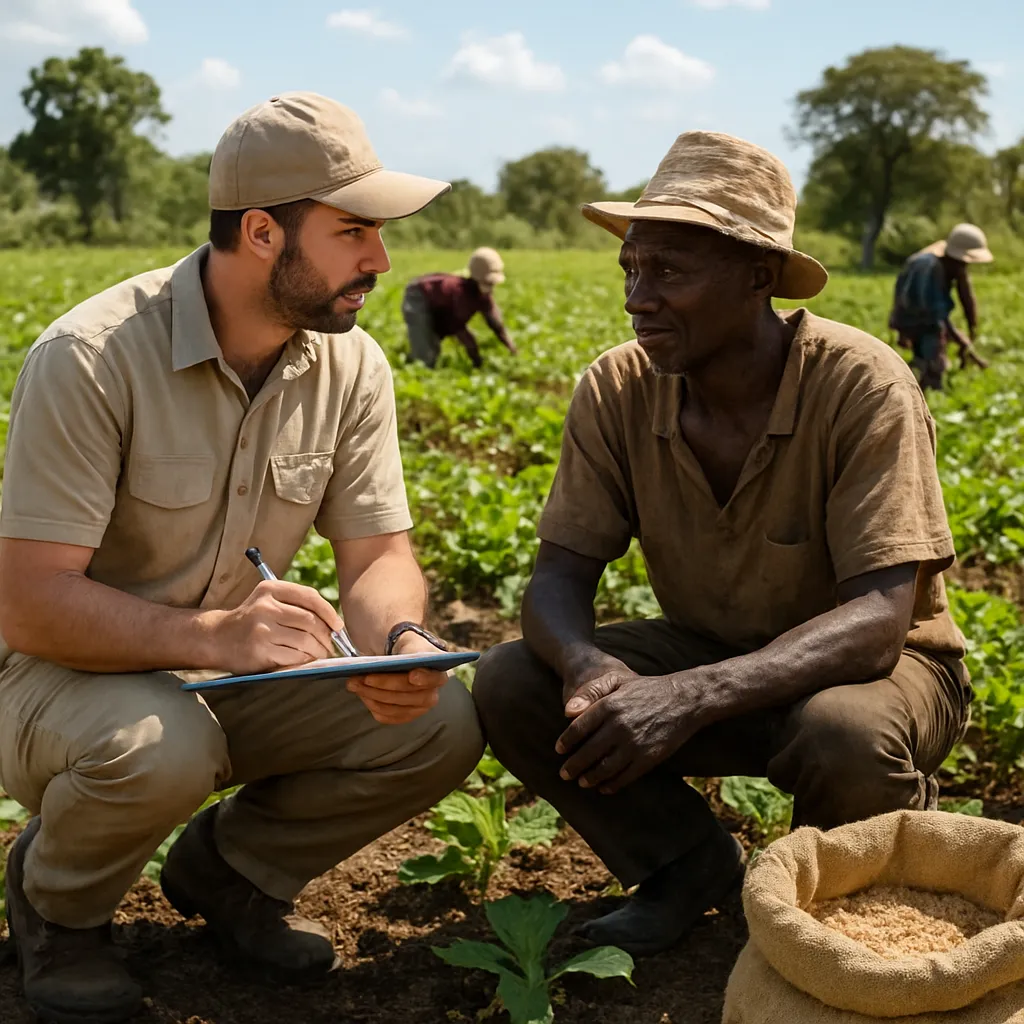
Across sub-Saharan Africa, where extension services may be scarce, mobile platforms provide vital support to cassava and maize farmers. Interactive voice response (IVR) features allow illiterate users to receive updates in their native language, ensuring critical advisories on drought risk and fertilizer blends reach remote communities. This inclusive design has contributed to an 18% rise in production among participant farmers over two growing seasons.
Europe: Precision Viticulture
European vineyards have embraced specialized apps that monitor grape maturity, sugar levels, and canopy health. By combining proximal sensors with satellite-based NDVI (Normalized Difference Vegetation Index) maps, winemakers can fine-tune irrigation and manage canopy density for optimal grape composition. These interventions have led to a 10% improvement in wine quality scores during blind tastings.
Challenges and Future Directions
Despite their promise, mobile farming applications face several hurdles. Connectivity remains a barrier in remote areas, where network coverage can be patchy. To address this, some platforms now offer offline modes with local data caching. Once connectivity is restored, the app syncs new observations and updates predictive models.
Data security is another concern. Farmers are wary of sharing proprietary yield records and management strategies with third parties. In response, developers are implementing end-to-end encryption and permission settings that allow users to control who accesses each dataset.
Looking ahead, the integration of edge computing and 5G networks will enhance the speed and reliability of data transmission. Emerging trends include:
- Edge AI for on-device image analysis that flags crop diseases instantly without cloud reliance
- Blockchain-enabled supply chain tracking to authenticate origin claims and combat food fraud
- Wearable biosensors for livestock, extending mobile monitoring from crops to animal health and welfare
- Augmented reality (AR) overlays that guide field workers through maintenance tasks, equipment calibration, and soil sampling
As the agricultural sector evolves, the fusion of mobile apps with cutting-edge technologies will continue to reshape global food systems. By empowering farmers with precise, actionable intelligence, these platforms are unlocking the full potential of modern agriculture.