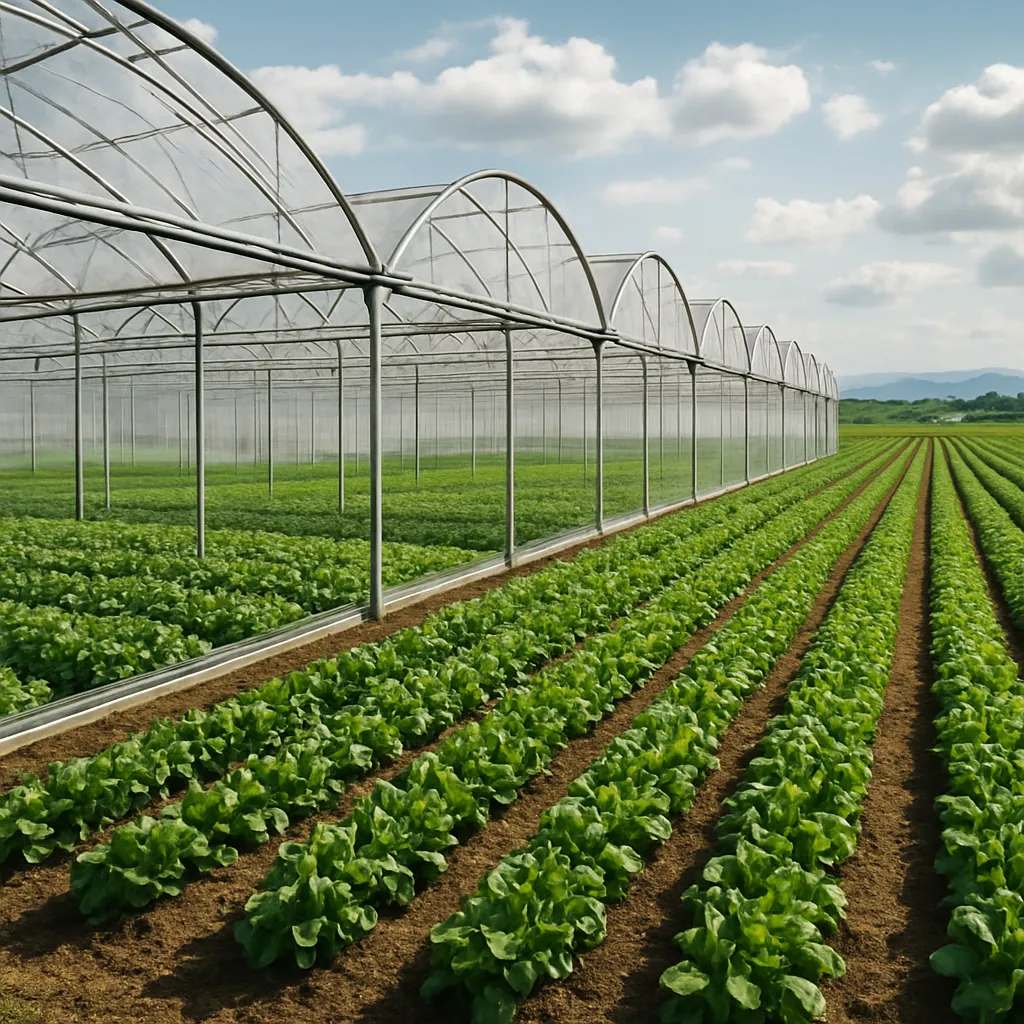
Farmers around the globe are embracing cutting-edge biotechnology tools to revolutionize the way they cultivate crops. By integrating advanced scientific methods with traditional agricultural know-how, they aim to overcome environmental challenges, boost crop productivity, and secure food supplies. This article explores how different biotechnological innovations are transforming world farms, from genetic engineering breakthroughs to precision agriculture techniques and sustainable practices.
Enhancing Crop Traits Through Genetic Engineering
Developing Drought-Tolerant Varieties
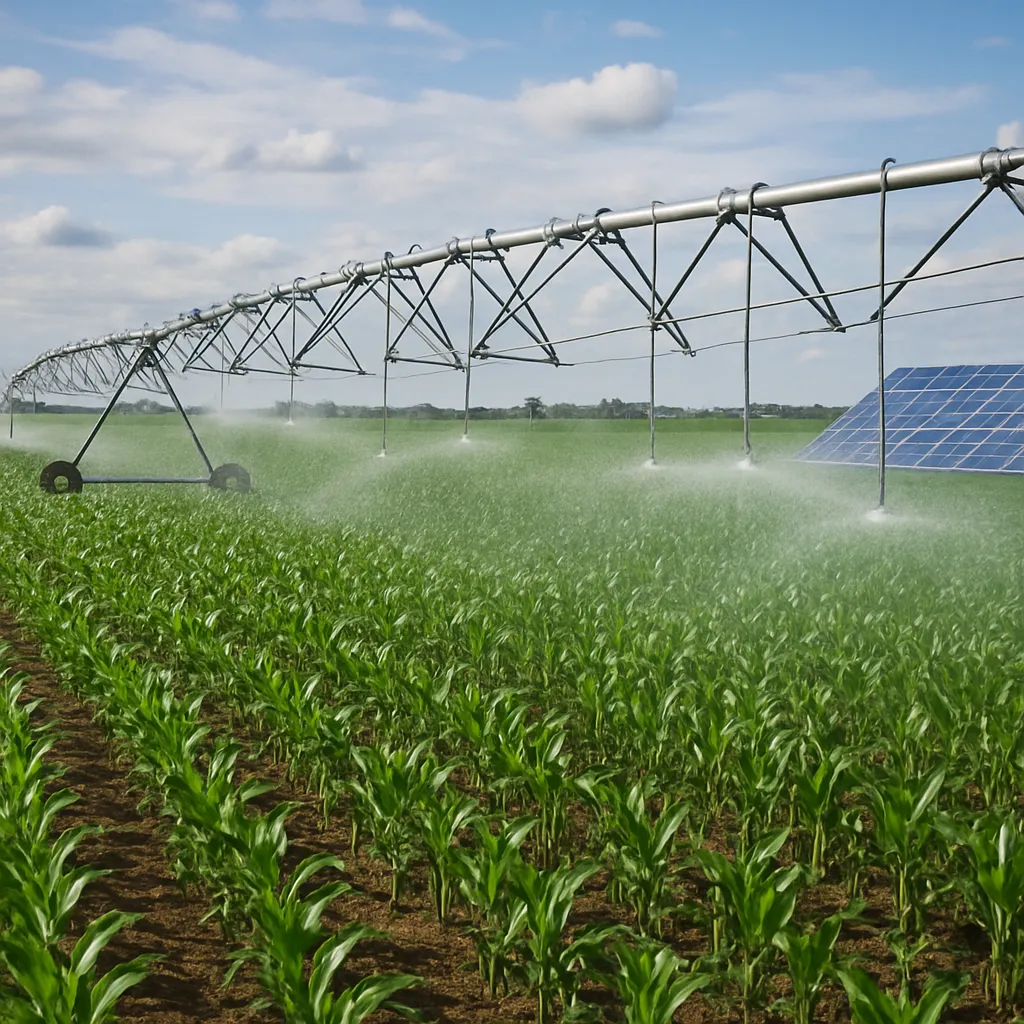
Water scarcity is one of the biggest threats to agriculture, especially in arid regions and areas prone to climate shifts. Through genetic modification, researchers have introduced specific genes that enable plants to conserve moisture and maintain vital processes during prolonged dry spells. These modified crops exhibit enhanced root systems and improved water-use efficiency. In countries facing severe droughts, farmers planting these varieties report significantly higher yields compared to conventional strains.
Boosting Nutrient Content
Biofortification uses biotechnology to increase the levels of essential vitamins and minerals in staple crops. For instance, rice enriched with beta-carotene—commonly called “Golden Rice”—addresses Vitamin A deficiencies in developing nations. Similarly, maize, wheat, and cassava have been engineered to contain more iron, zinc, and other crucial micronutrients. By combining modern science with agronomic expertise, these fortified crops help improve public health and nutritional outcomes in vulnerable populations.
Innovations in Precision Agriculture
Genome Editing Techniques
CRISPR-Cas9 and related genome editing tools have opened new horizons in crop improvement. Unlike traditional breeding or older genetic engineering methods, CRISPR enables precise, targeted changes to a plant’s DNA. Researchers can knock out undesirable genes or insert beneficial traits with minimal off-target effects. Farmers utilizing CRISPR-developed seeds have seen enhanced yield, improved flavor profiles, and better tolerance to temperature extremes.
Biotech-Driven Pest and Disease Resistance
Crops armed with built-in defense mechanisms reduce the need for chemical pesticides. Scientists isolate genes from naturally resistant plant or bacterial species and transfer them into susceptible varieties. The result is a crop that produces its own protection against insects and pathogens. For example, Bt cotton expresses a protein toxic to certain pests, leading to dramatic declines in insect damage. Farmers worldwide adopt these resistant strains to achieve higher output and cut down on harmful chemical use.
Sustainable Farming Practices and Biotechnology
Reducing Chemical Inputs
Adopting sustainability principles, many farmers turn to biopesticides and biofertilizers derived through biotechnology. These products harness naturally occurring microbes or enzymes to promote plant health and suppress weeds or pathogens. Integration of microbial consortia improves nutrient cycling in the soil, cutting reliance on synthetic fertilizers. This approach lowers production costs, minimizes environmental impact, and preserves biodiversity on the farm.
Improving Soil Health and Microbiomes
Soil microbiome engineering is an emerging field that leverages beneficial bacteria, fungi, and archaea to boost resilience and nutrient availability. Biotechnology enables the development of tailored microbial inoculants that colonize plant roots, fix atmospheric nitrogen, or solubilize phosphorus. Healthier soils translate into stronger plants that withstand stress more effectively. Farmers applying these bioinoculants often report richer harvests and long-term soil fertility improvements.
Global Case Studies and Adoption Challenges
Success Stories from Asia and Africa
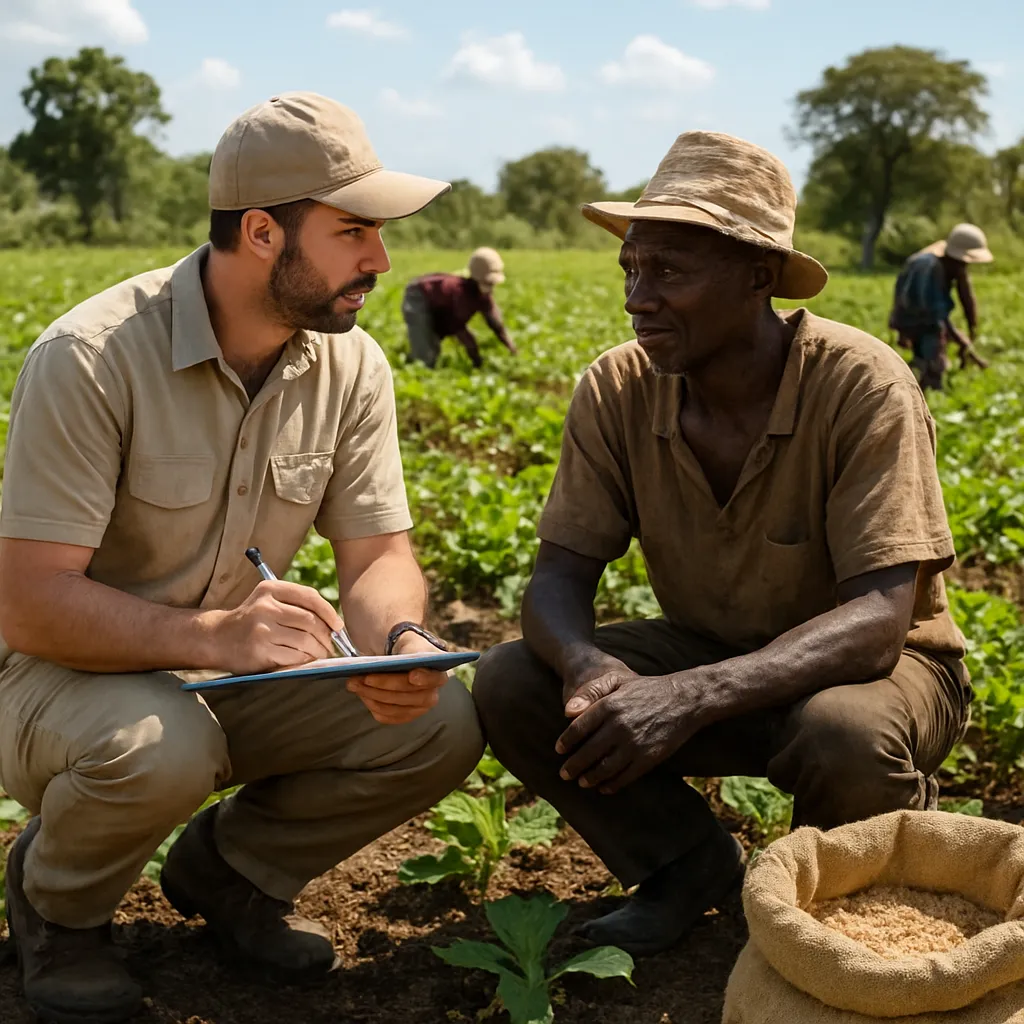
In several Asian countries, genetically enhanced rice and maize have become staples, helping smallholder farmers meet rising demand. Pilot programs in East Africa introduced drought-resilient maize hybrids, cutting crop failure rates by nearly 50 percent. These success stories underscore the transformative impact that biotechnology can have on food security and rural livelihoods.
Regulatory Hurdles and Public Perception
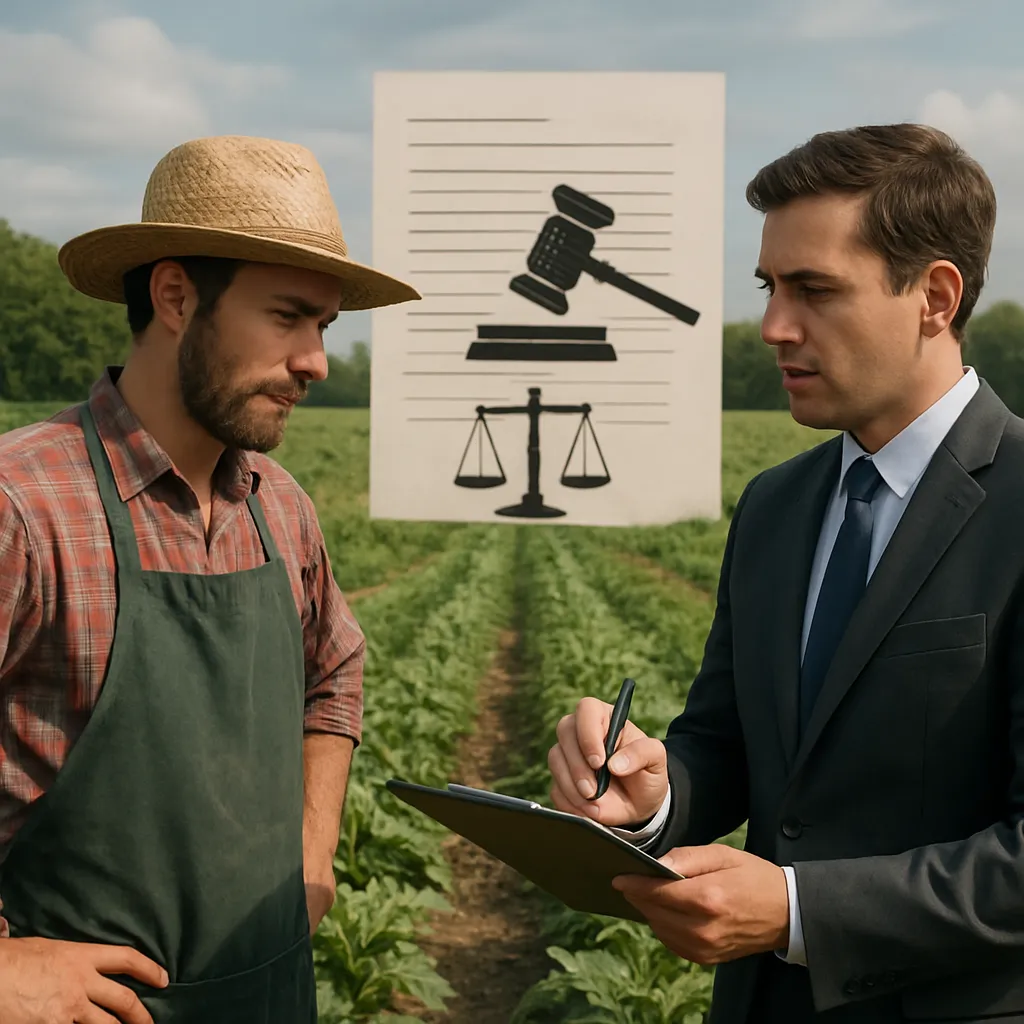
Despite proven benefits, biotech crops face complex approval processes and public skepticism in some regions. Regulatory frameworks differ dramatically between countries, influencing seed accessibility and innovation pace. Educational outreach and transparent risk assessments are vital to building consumer confidence. By fostering dialogue among scientists, policymakers, and farmers, stakeholders can navigate ethical and safety concerns while promoting responsible deployment of biotechnological solutions.
Future Directions and Emerging Technologies
Synthetic Biology for Custom Traits
The next wave of agricultural innovation lies in synthetic biology, which combines genetic engineering, computer modeling, and bioinformatics to design entirely new biological functions. Scientists are crafting synthetic pathways for enhanced carbon fixation, faster growth cycles, and tailored metabolite production. On-world farms, these breakthroughs could translate into tailor-made crops optimized for specific climates and market demands.
Digital Integration with Biotech Platforms
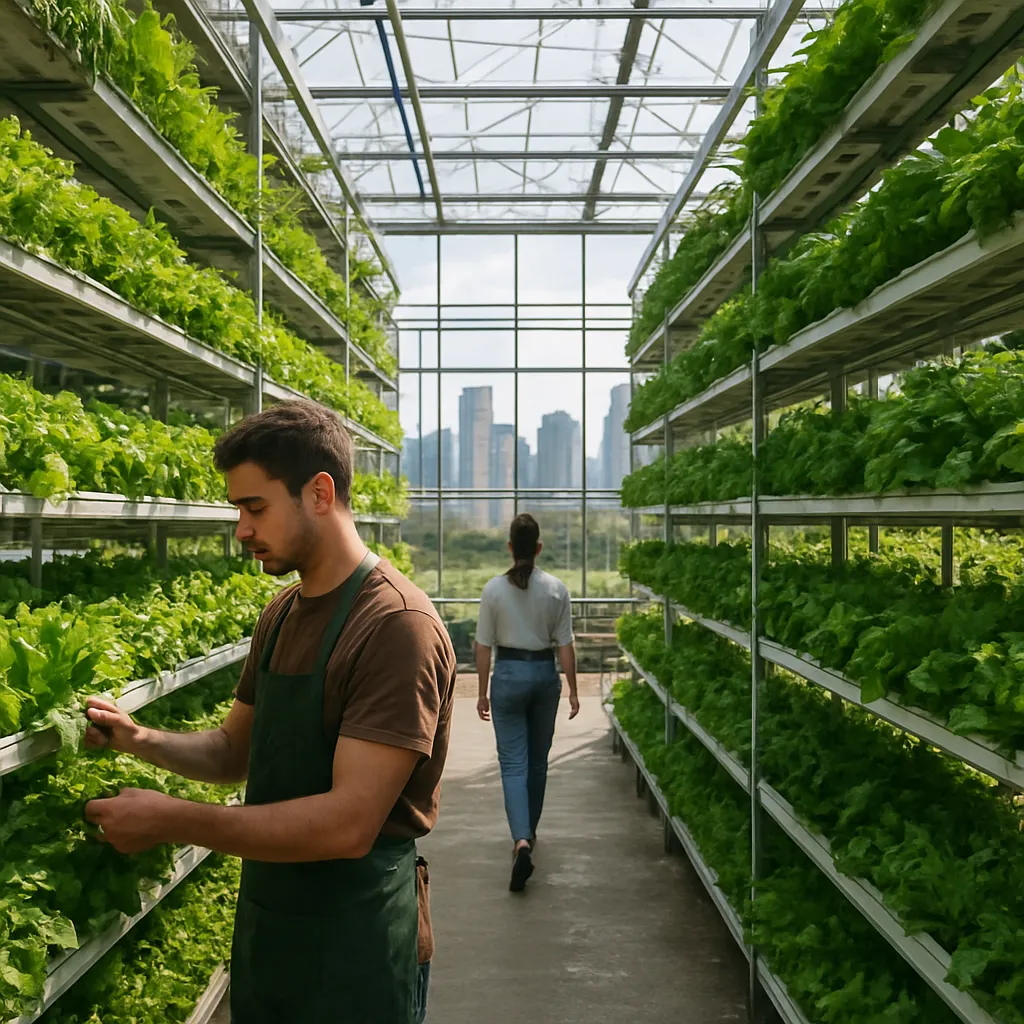
Precision farming increasingly relies on data analytics, remote sensing, and artificial intelligence to guide biotech applications. Farmers monitor crop health via drones or satellite imagery, making real-time decisions on seed selection, nutrient management, and irrigation. Combining digital tools with advanced seeds ensures maximum efficiency and minimal waste. This integrated approach is redefining modern agriculture and shaping the future of global food systems.
Economic Impact and Farmer Empowerment
Boosting Profitability and Market Access
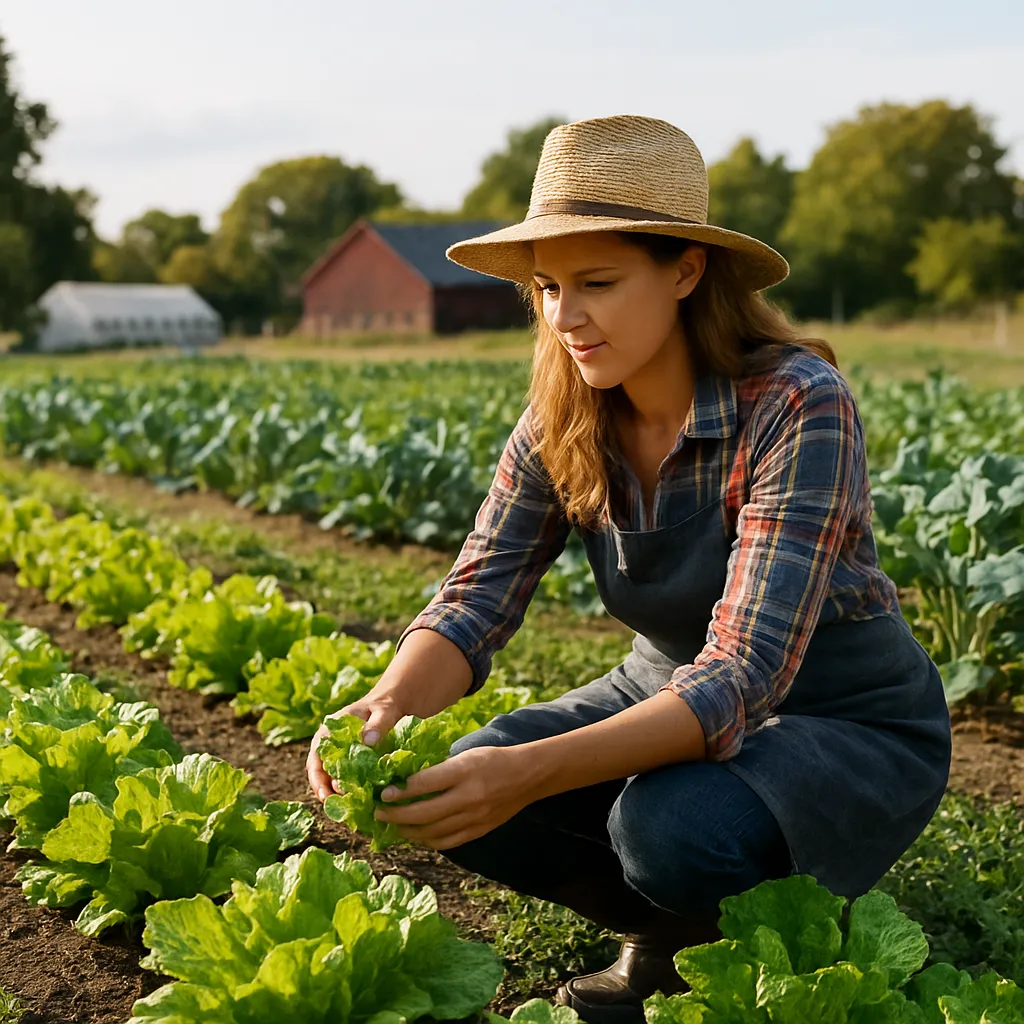
By adopting biotech solutions, many farms witness enhanced profitability through higher yield per hectare and reduced input costs. Premium markets often reward farmers who grow sustainably or nutri-enhanced crops. Cooperative models allow smallholders to pool resources and access high-quality seeds, further amplifying economic benefits. Over time, biotech agriculture contributes to rural development and poverty alleviation.
Training and Knowledge Transfer
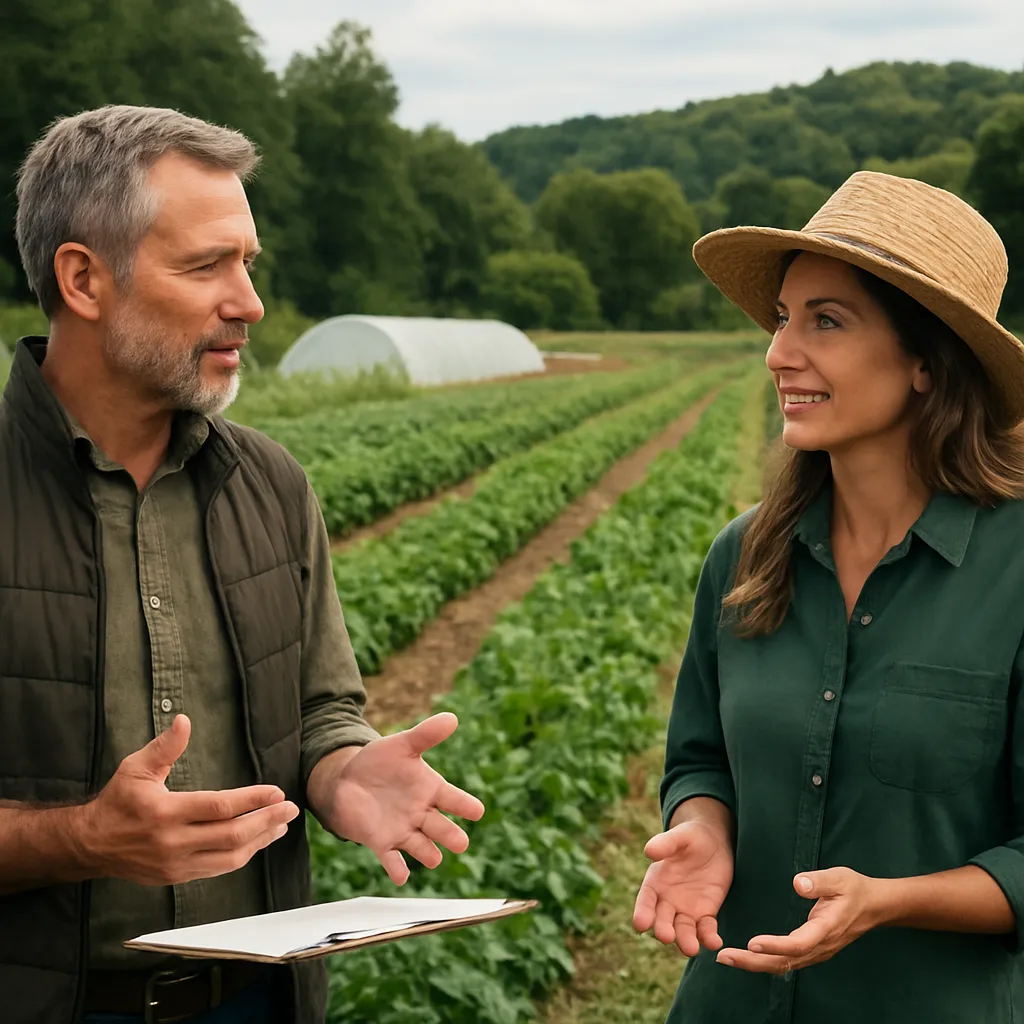
Successful implementation depends on comprehensive training and support networks. Agricultural extension services, research institutes, and private enterprises collaborate to educate farmers on best practices. Workshops, field demonstrations, and digital platforms disseminate knowledge on seed management, biotech safety, and agronomic techniques. Empowered with the latest information, farmers can make informed decisions and adapt to evolving environmental conditions.
Social and Environmental Considerations
Balancing Innovation with Biodiversity
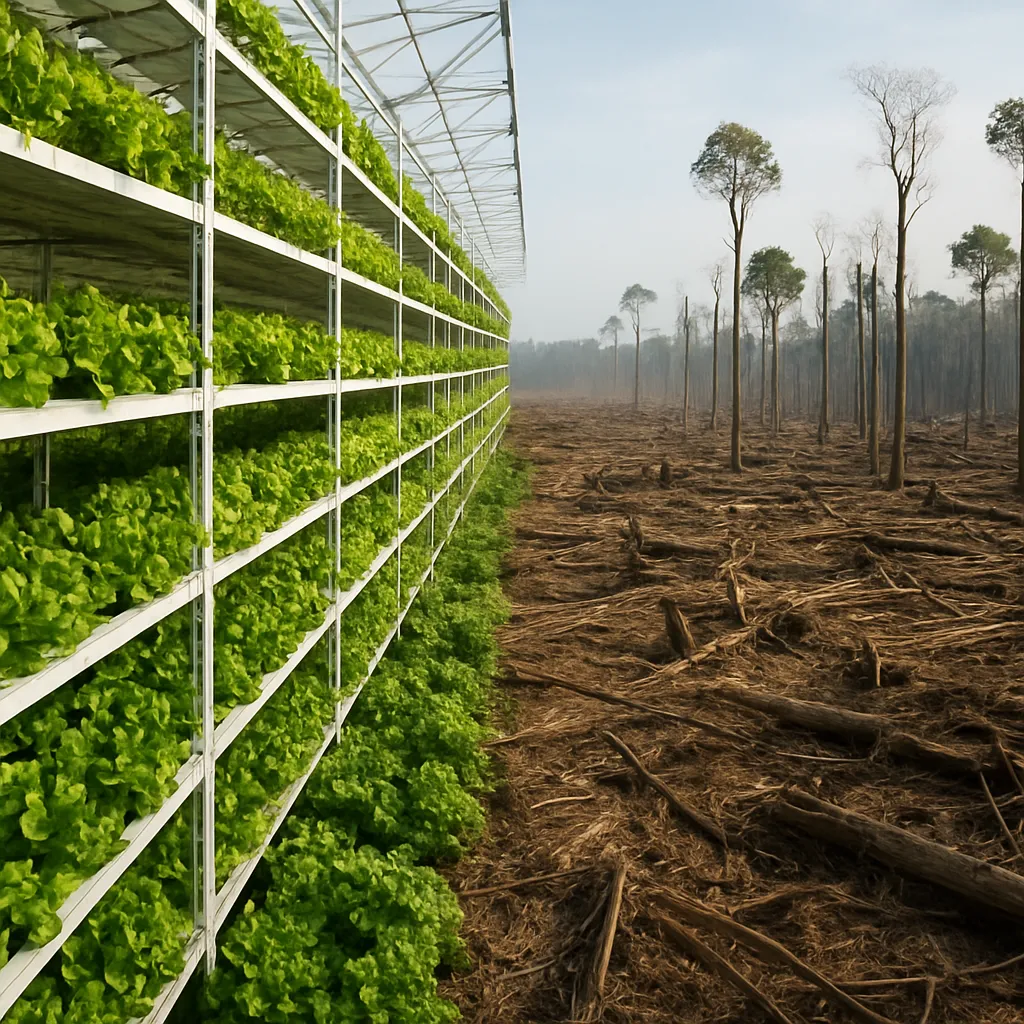
While biotech crops offer numerous advantages, maintaining genetic diversity remains crucial. Seed banks, on-farm conservation, and participatory breeding programs help preserve heirloom varieties. These reservoirs of genetic material serve as a genetic insurance policy against unforeseen threats. A balanced approach ensures innovation does not come at the expense of ecological stability.
Equitable Access and Intellectual Property
Access to advanced seeds often involves intellectual property rights and licensing fees. Ensuring small-scale farmers benefit from breakthroughs requires fair licensing models and public-private partnerships. Some nonprofits and government initiatives distribute biotech seeds at subsidized rates, promoting inclusivity. Aligning profit incentives with social responsibility will be key to achieving lasting impact on world farms.
The Road Ahead for World Farms
Scaling Up and Collaborative Research
Global challenges like climate change and population growth demand collective action. Cross-border collaborations among universities, biotech firms, and farming communities accelerate the development of next-generation crops. Shared research platforms and open-access data foster innovation and lower barriers to entry for emerging economies. Together, stakeholders can scale up promising technologies and tailor them to local conditions.
Meeting Future Food Demands
By 2050, global food production must increase substantially to feed an estimated 9.7 billion people. Biotechnology will play a central role in meeting this demand while preserving natural resources. From pest resistance and nutrient enrichment to digital integration and microbial solutions, the tools are available. The challenge lies in aligning scientific progress with ethical frameworks and equitable distribution, ensuring that farmers everywhere can reap the benefits of innovation.