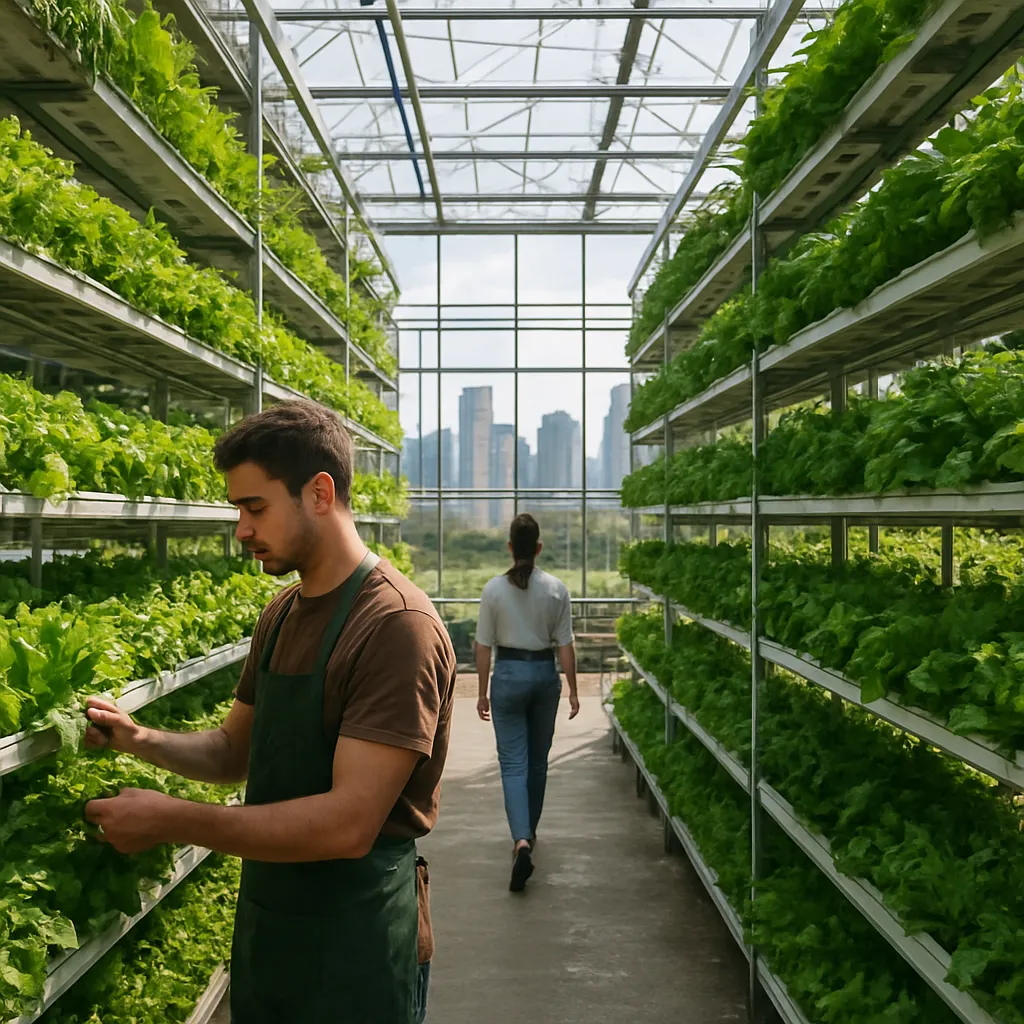
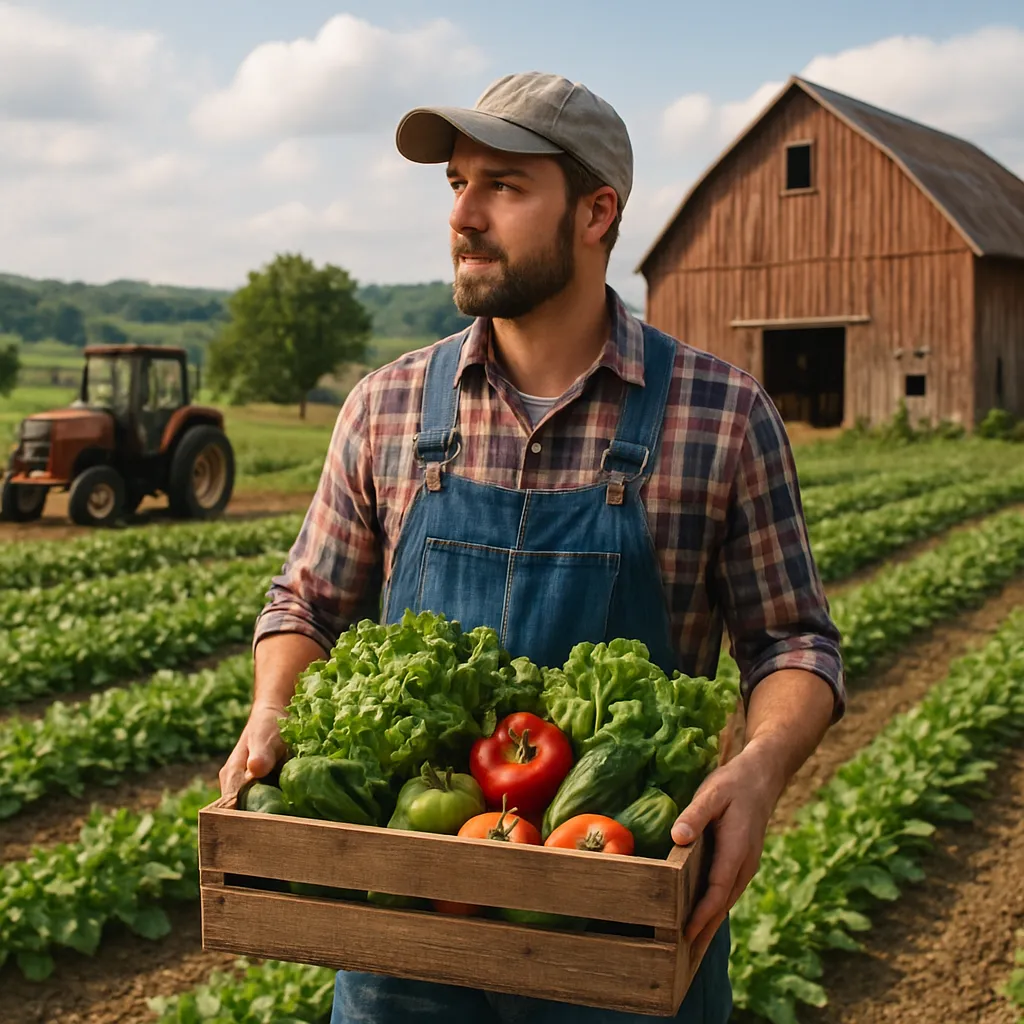
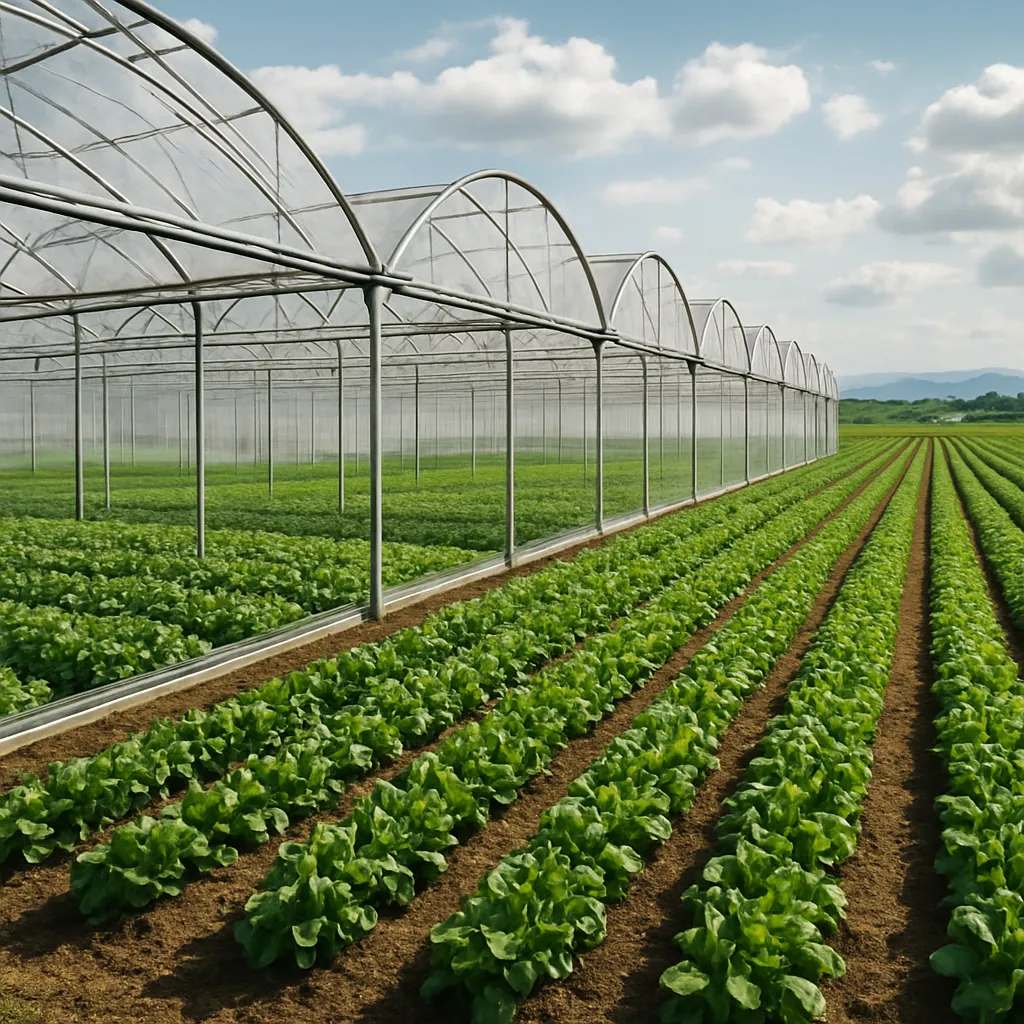
Across diverse landscapes from sprawling plains to terraced hillsides, farmers are adopting data-driven methods to maximize productivity and meet rising food demands. Artificial Intelligence (AI) is at the forefront of this revolution, enabling cultivators to harness real-time insights and refine traditional practices. By integrating advanced algorithms with field equipment, agriculture is evolving into a more efficient, sustainable, and resilient enterprise.
Precision Agriculture and AI Integration
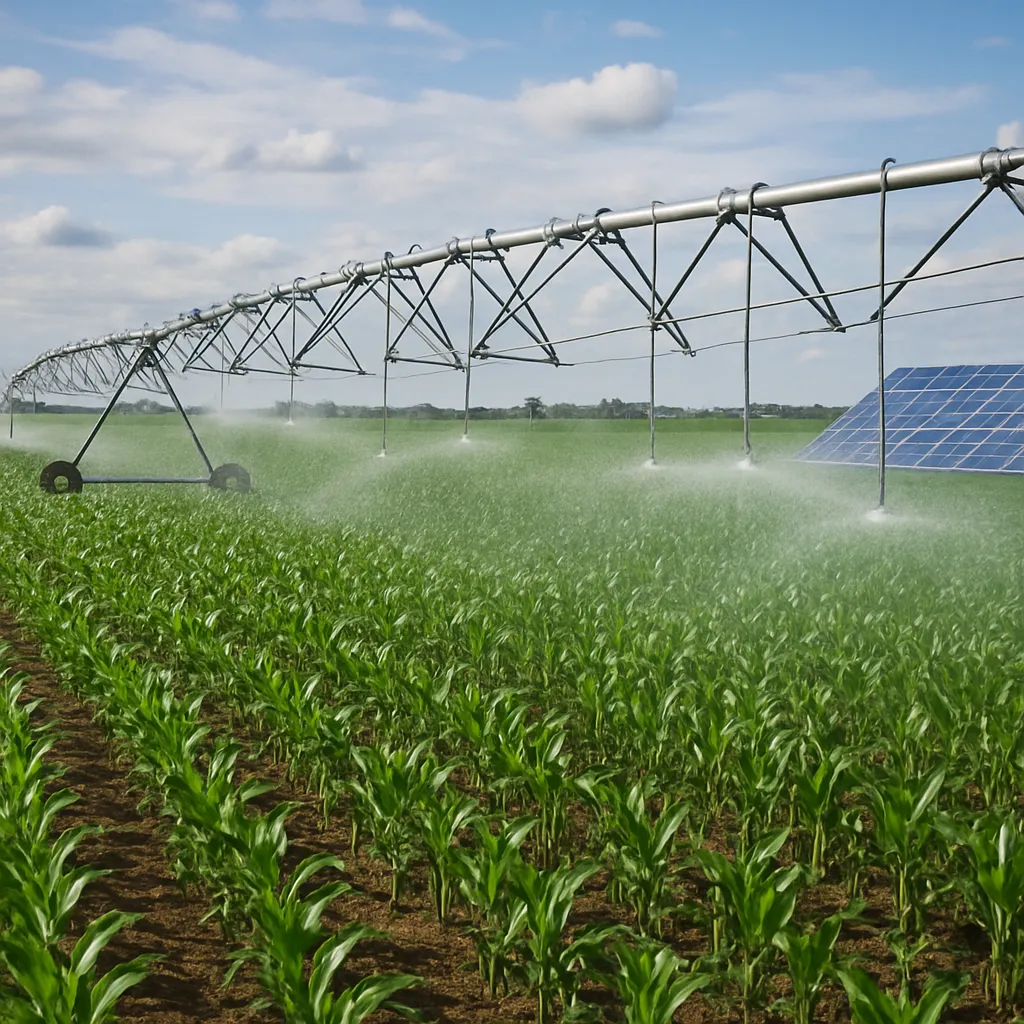
Precision agriculture combines global navigation satellite systems (GNSS), remote sensing, and sensors to collect granular data on soil moisture, nutrient levels, and microclimate variables. Farmers can now deploy networked devices across their fields to monitor changes at the plant level. This approach allows for targeted interventions, such as:
- Smart irrigation systems that deliver water only where and when it’s needed.
- Variable-rate seeding to optimize plant density based on soil fertility.
- Automated fertilizer application guided by site-specific nutrient deficiencies.
Leveraging machine learning models, growers analyze these datasets to predict growth patterns, identify stress factors, and schedule operations with unparalleled accuracy. Autonomous tractors and robotic harvesters navigate fields using computer vision, minimizing soil compaction and labor costs. By uniting smart irrigation with predictive analytics, water usage can be reduced by up to 30%, while yields climb by double digits.
Machine Learning for Pest and Disease Management
Pest infestations and crop diseases account for significant post-planting losses worldwide. Traditional scouting methods rely on human observation and periodic sampling, which can be slow and error-prone. AI-driven solutions employ predictive analytics to identify early warning signs of outbreaks. High-resolution imagery from drones and satellites is processed through convolutional neural networks (CNNs) to detect:
- Leaf discoloration indicative of fungal infections.
- Stunted growth patterns caused by nutrient deficiencies or pests.
- Insect movement and population density trends in real time.
Farmers receive immediate alerts on mobile devices, enabling them to apply targeted biological controls or precision pesticides. This method reduces chemical usage by as much as 40%, promoting environmental health. Furthermore, large-scale data aggregation helps refine the models, so regional farms can benefit from shared insights into emerging threats and resistance patterns.
Case Study: Vineyard Health Monitoring
In California’s wine country, vintners use hyperspectral imaging to monitor vine vigor. AI algorithms analyze reflectance spectra to distinguish healthy foliage from stressed patches. Automated sprayers then administer fungicides only to the infected zones. Such optimization not only cuts costs but also elevates fruit quality.
Future Trends and Global Impacts
As AI technologies mature, emerging innovations are set to transform global agriculture further:
- Drones equipped with multispectral cameras will gain autonomy for continuous field patrols.
- Edge computing devices embedded in machinery will process data onsite, reducing latency.
- Blockchain integration for supply chain transparency, ensuring traceability from seed to shelf.
- Collaborative platforms where farmers contribute anonymized datasets to enhance model accuracy.
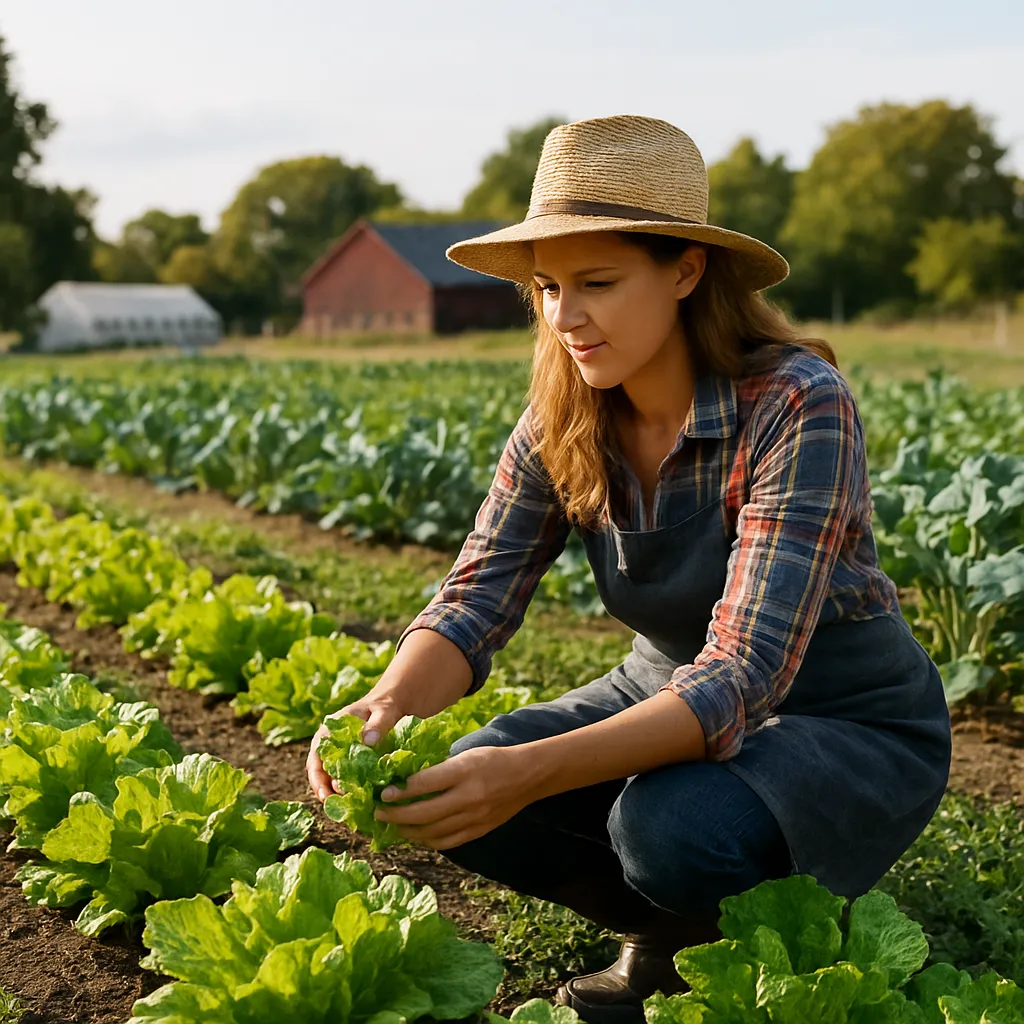
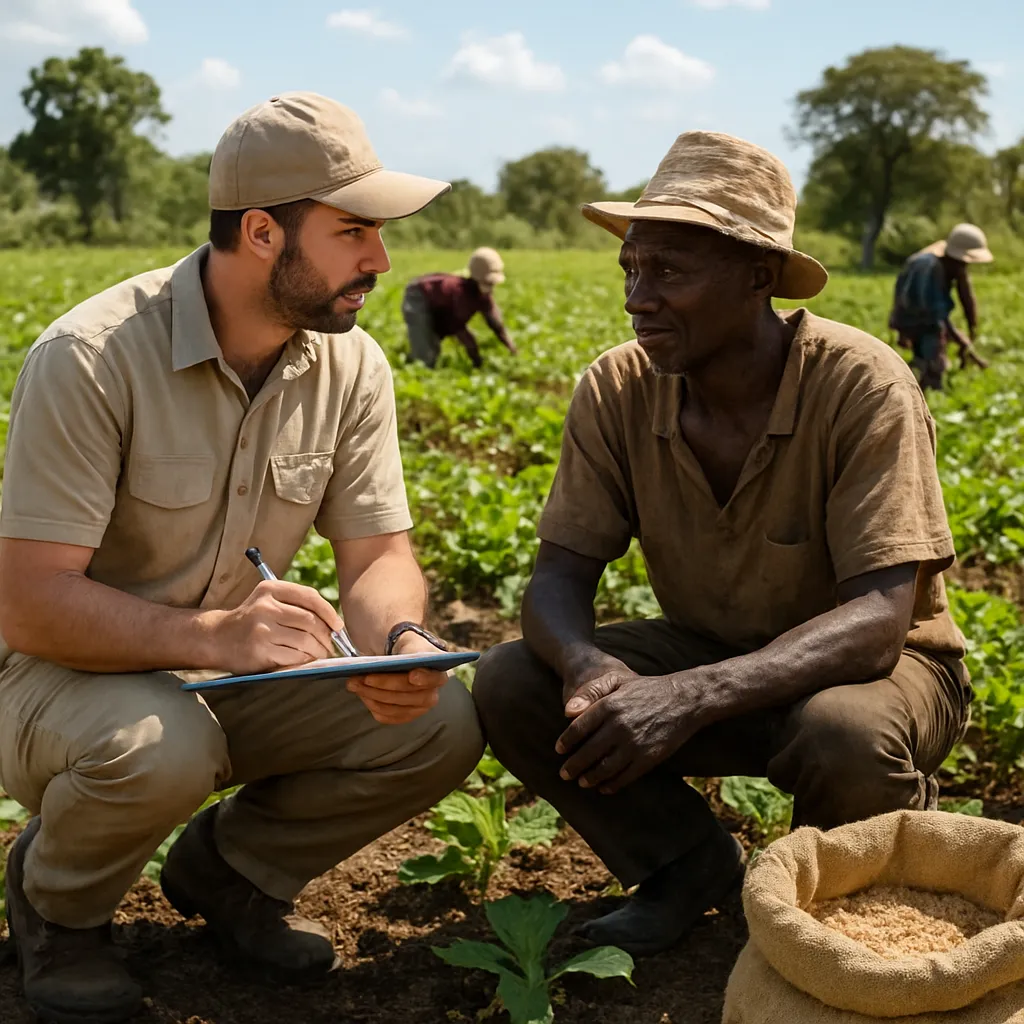
Developing regions stand to benefit enormously from these advances. Mobile apps powered by AI can guide smallholder farmers through region-specific best practices, improving livelihoods and food security. Collaborative research networks facilitate technology transfer, bridging the gap between high-tech labs and rural communities.
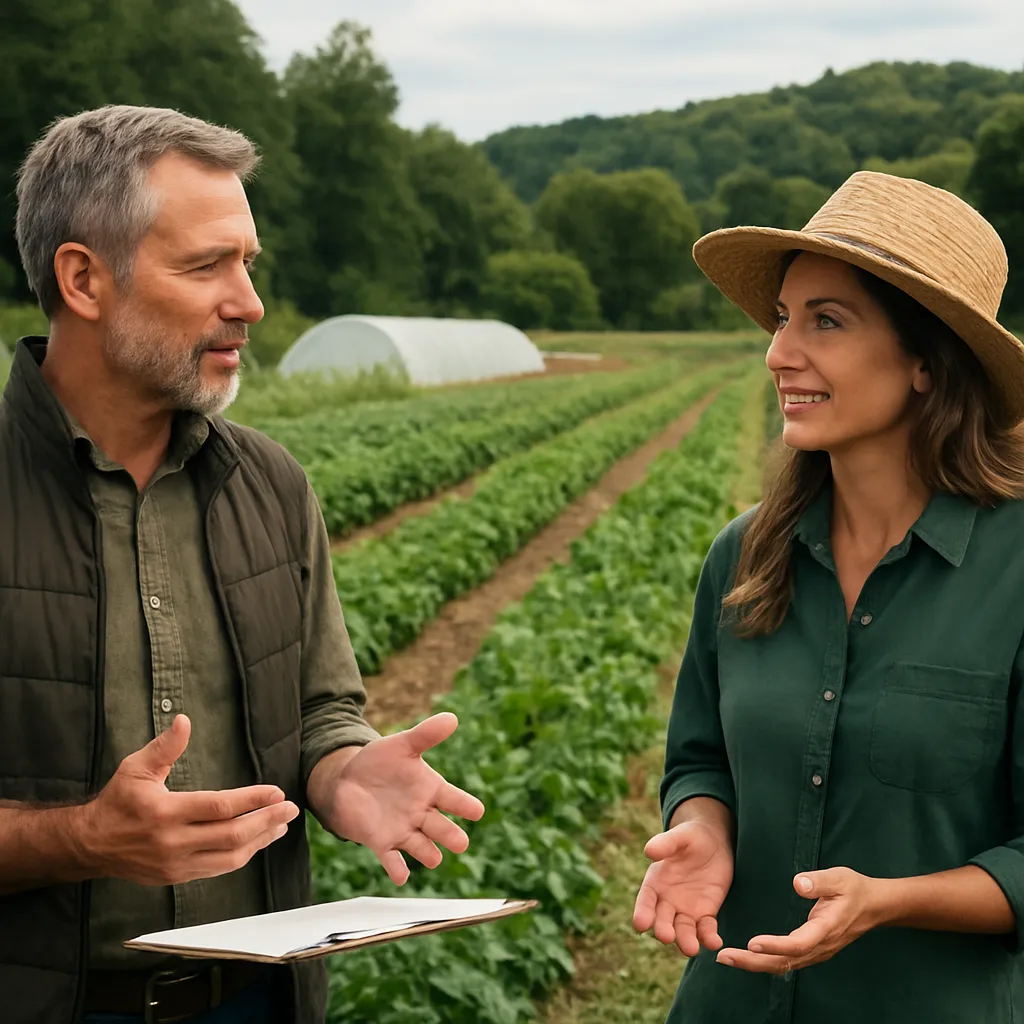
Governments and private organizations are investing heavily in research initiatives aimed at addressing climate variability and resource scarcity. Robust AI frameworks paired with accessible hardware solutions can democratize cutting-edge tools, enabling even remote farms to harness digital capabilities. By fostering partnerships among agronomists, data scientists, and local stakeholders, the agricultural sector can move toward a future where precision, resilience, and environmental stewardship coexist harmoniously.