Soil erosion poses a significant threat to the productivity and sustainability of farms worldwide. As landscapes degrade and fertile topsoil is washed or blown away, farmers must adopt strategies to preserve the land that sustains human societies. This article explores how agricultural communities across continents are implementing creative techniques, forging partnerships, and leveraging technological advances to address the multifaceted challenge of soil erosion.
Understanding the Dynamics of Soil Erosion
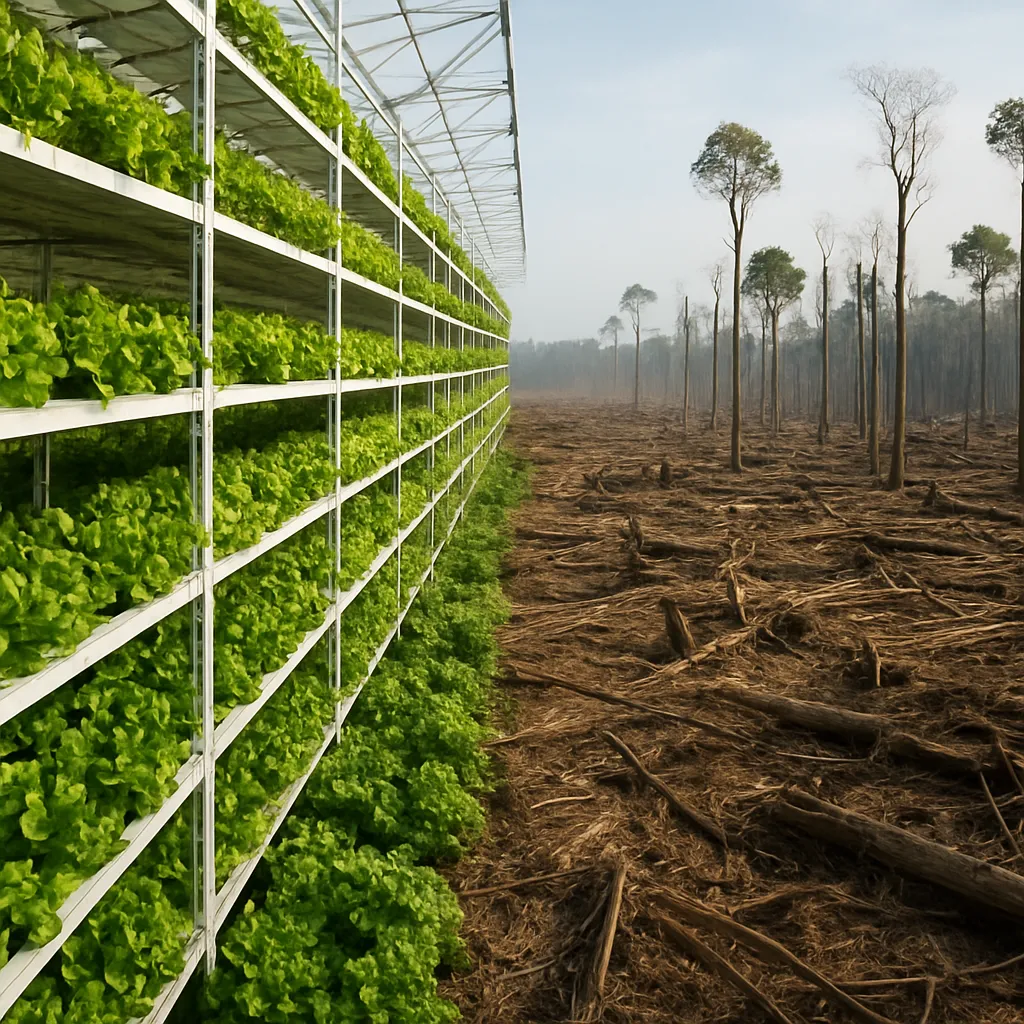
Before implementing solutions, farmers and scientists must grasp the mechanisms driving soil loss. Erosion occurs when wind or water dislodges the uppermost layer of soil, which contains critical nutrients and organic matter. In many regions, intense rainfall events, prolonged droughts, and deforestation exacerbate the process, leading to reduced crop yields and increased sedimentation in rivers and lakes.
Types of Soil Erosion
- Sheet erosion: Uniform removal of thin soil layers across broad areas.
- Rill erosion: Formation of small channels on slopes as water concentrates.
- Gully erosion: Development of deep, wide channels that impair land usability.
- Wind erosion: Lifting and transport of soil particles, common in arid zones.
Recognizing these patterns is essential for tailoring interventions. For example, regions prone to wind erosion may focus on windbreaks and ground cover, whereas areas with heavy rainfall might prioritize terracing and water infiltration measures.
Regenerative Agriculture: Building Soil Health
Regenerative farming emphasizes restoring soil structure, enhancing biodiversity, and increasing organic matter. By doing so, fields become more resilient to erosion and climate stress. Key practices include crop rotation, cover cropping, and minimal soil disturbance.
Cover Crops and Crop Rotation
Planting cover crops—such as legumes, grasses, and brassicas—between cash crop cycles helps protect the soil surface from raindrop impact. These plants also contribute to nutrient cycling, capturing nitrogen and releasing it for subsequent crops. Rotating between deep-rooted and shallow-rooted species reduces pest pressure and improves soil porosity, which boosts water infiltration.
No-Till and Reduced Tillage Systems
Conventional plowing disrupts soil aggregates and leaves bare ground susceptible to erosion. In contrast, no-till systems preserve the soil’s natural structure. Residues from previous crops remain on the surface, absorbing raindrop energy and limiting runoff. Reduced tillage also fosters microbial life and increases carbon sequestration, contributing to climate resilience.
Agroforestry and Landscape Management
Integrating trees and shrubs into cropping systems—known as agroforestry—provides multiple erosion control benefits. Tree roots stabilize slopes, while their canopies reduce the velocity of falling rain. Farmers worldwide are adopting these mixed systems to combine long-term forest benefits with annual crop production.
Alley Cropping
In alley cropping, rows of trees alternate with crop alleys. The trees act as living barriers, trapping soil particles and enhancing water infiltration. Simultaneously, they supply fodder, fruit, or timber. This method exemplifies holistic land stewardship, as farmers derive diversified incomes while conserving the soil.
Contour Hedgerows
Planting hedgerows along contour lines slows surface water flow and captures eroded sediments. Species with dense root networks—such as willow or native shrubs—are selected to form effective barriers. These hedgerows also serve as wildlife corridors, boosting on-farm biodiversity.
Precision Agriculture and Technological Innovations
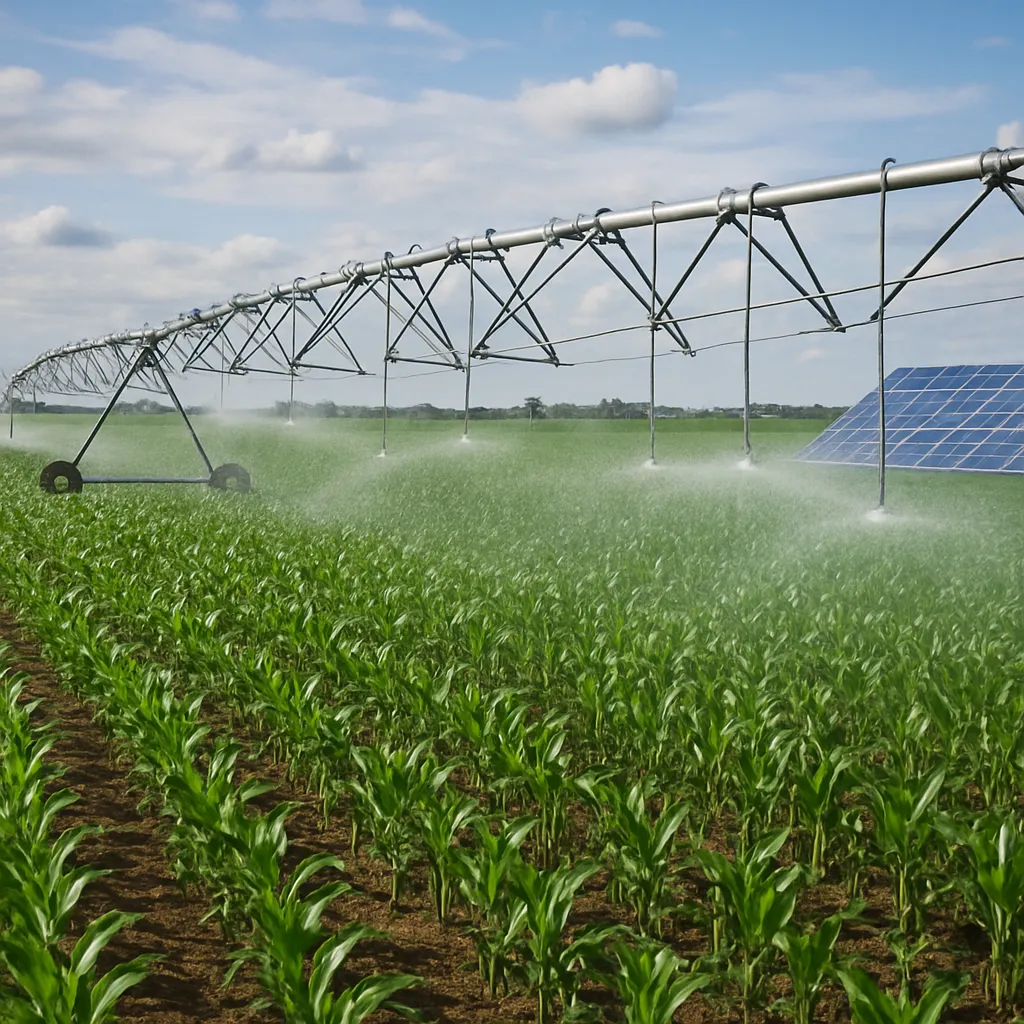
Advances in technology enable farmers to monitor soil conditions, predict erosion hotspots, and apply targeted interventions. Drones, satellites, and ground-based sensors provide real-time data on moisture levels, terrain slope, and vegetation cover.
Remote Sensing and GIS Mapping
Geographic Information Systems (GIS) integrate topographic, climatic, and land-use data to model erosion risks with high accuracy. Farmers use these maps to prioritize conservation measures on their most vulnerable acres, optimizing resource allocation.
Variable Rate Application
With GPS-guided equipment, inputs such as fertilizer, lime, and seed can be applied at variable rates across a field. This precision approach ensures that each zone receives the exact input needed to promote healthy soil structure and crop growth, reducing runoff from over-fertilized areas.
Policy Frameworks and Global Collaboration
No single farmer can tackle soil erosion alone—coordinated action at regional, national, and international levels is essential. Governments, NGOs, and research institutions are forging partnerships to advance best practices and provide financial support.
Incentive Programs and Subsidies
Many countries offer subsidies or cost-sharing schemes for conservation tillage, cover cropping, and buffer strip establishment. By lowering financial barriers, such programs encourage wider adoption of sustainable practices.
Public–Private Partnerships
Companies in the agri-input and technology sectors collaborate with public agencies to fund soil health research. These partnerships accelerate the development of erosion-control tools, from seed varieties with deep root systems to bio-based soil amendments.
Community Engagement and Farmer-Led Knowledge Sharing
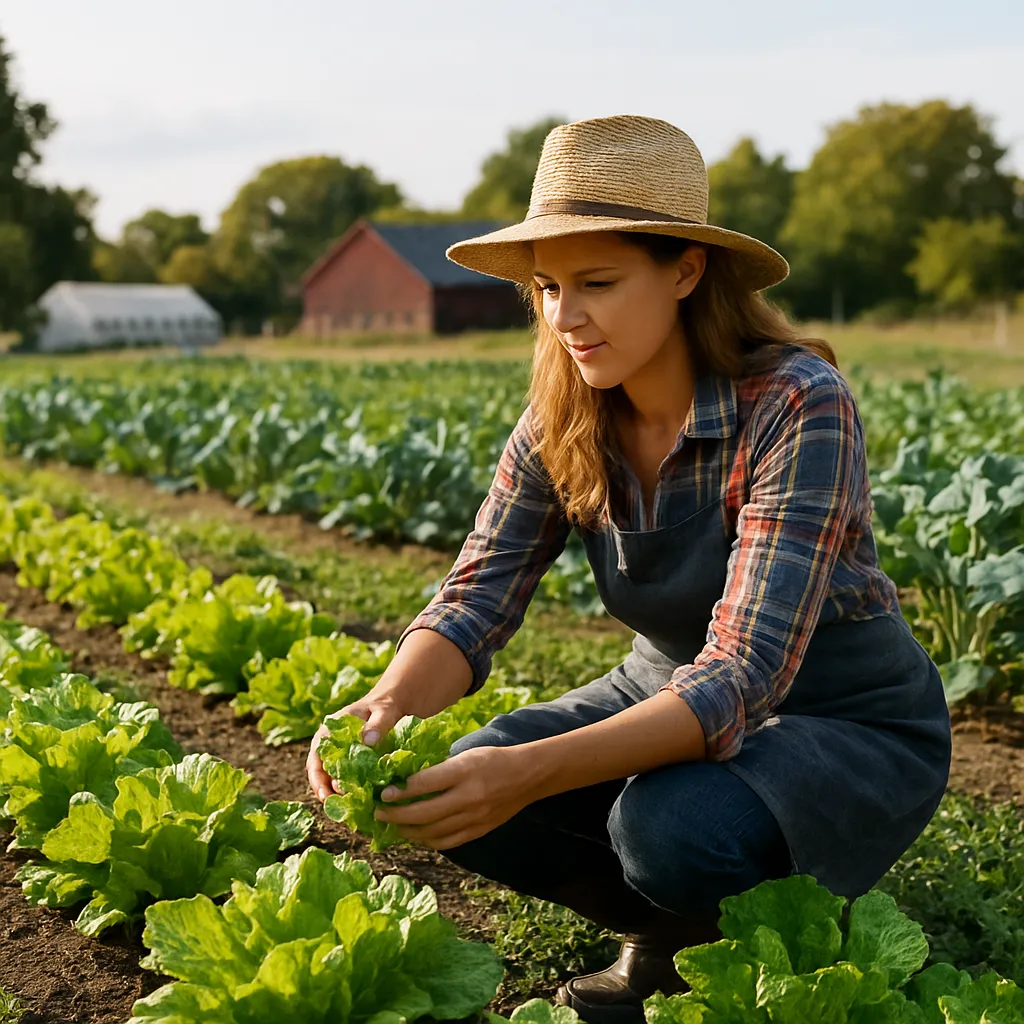
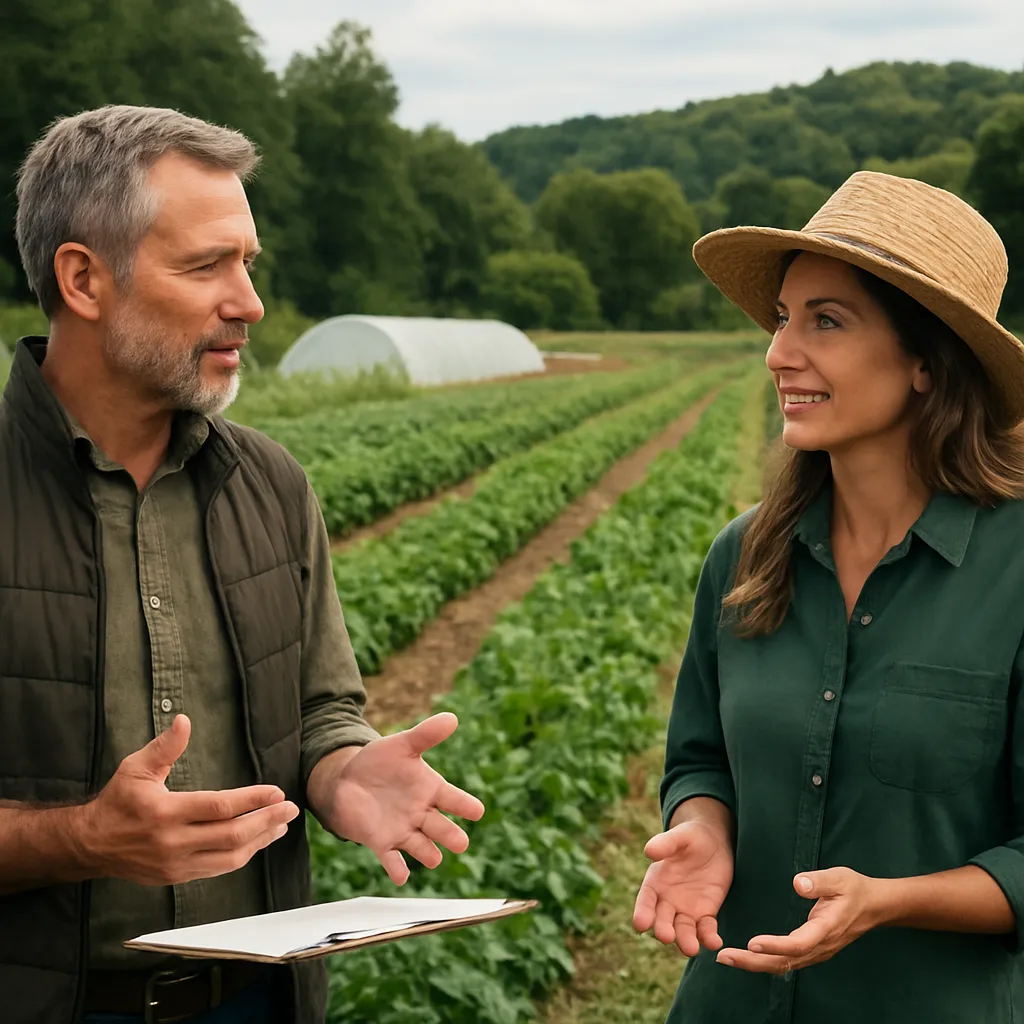
Farmers learn best from peers who face similar challenges. On-the-ground demonstration plots, field days, and farmer-to-farmer networks are invaluable for spreading practical insights and fostering innovation.
- Local workshops on terrace construction and maintenance
- Online forums discussing cover crop mixtures and their performance
- Interactive apps for recording soil erosion incidents and soil carbon levels
These platforms empower agricultural producers to experiment with new techniques in a supportive environment, building collective expertise in conservation agriculture.
Future Directions: Scaling Up Resilience
As climate change intensifies, soil erosion risks will only grow. Yet, the convergence of traditional wisdom, scientific research, and digital tools offers hope. By integrating multiple strategies—agroecological design, precision technology, and policy support—farmers can reinforce soil health and secure food production for generations to come.