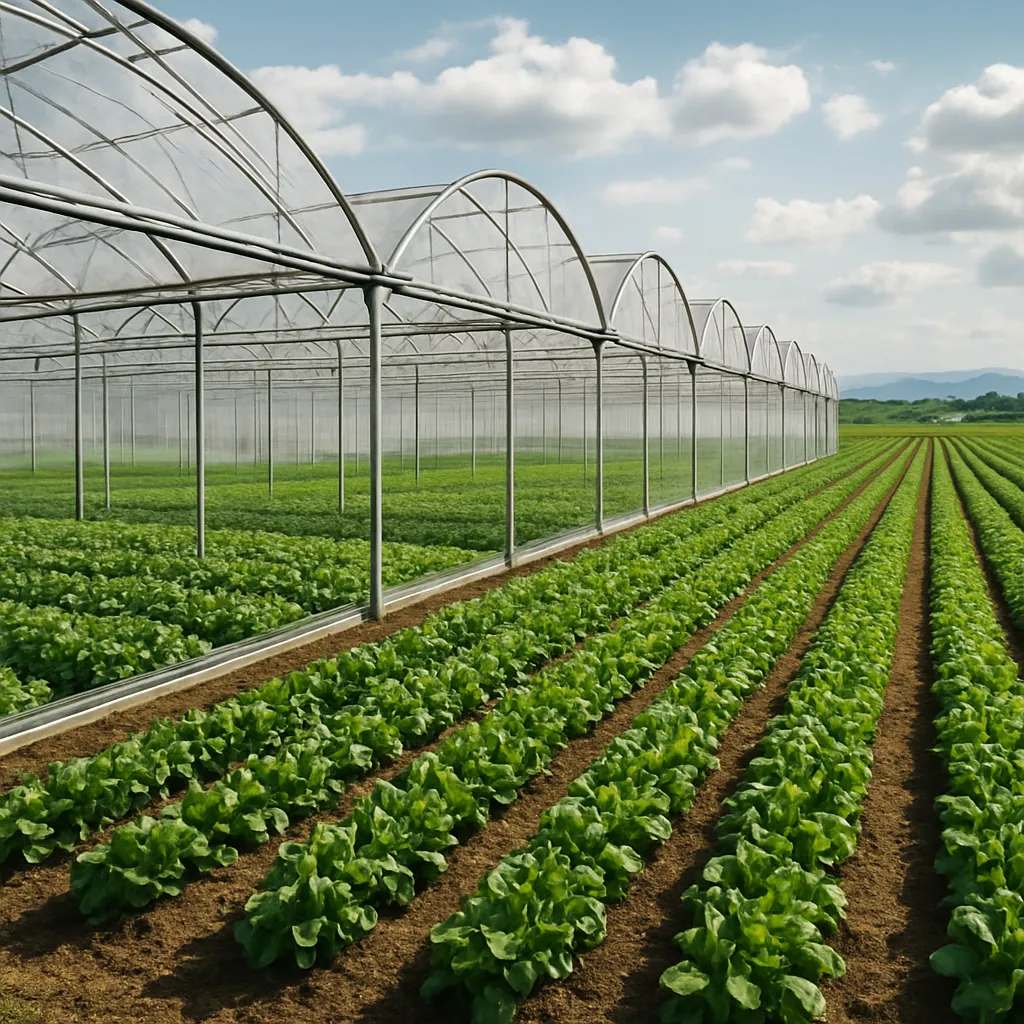
Across continents and climates, farmers are facing unprecedented challenges as weather patterns shift with increasing volatility. From devastating drought periods to sudden flood events, agricultural communities are forced to rethink traditional methods. This article explores how growers worldwide harness innovation, leverage cutting-edge technology, and foster collaboration to protect their livelihoods and bolster food security.
Innovative Practices in Arid and Semi-Arid Regions
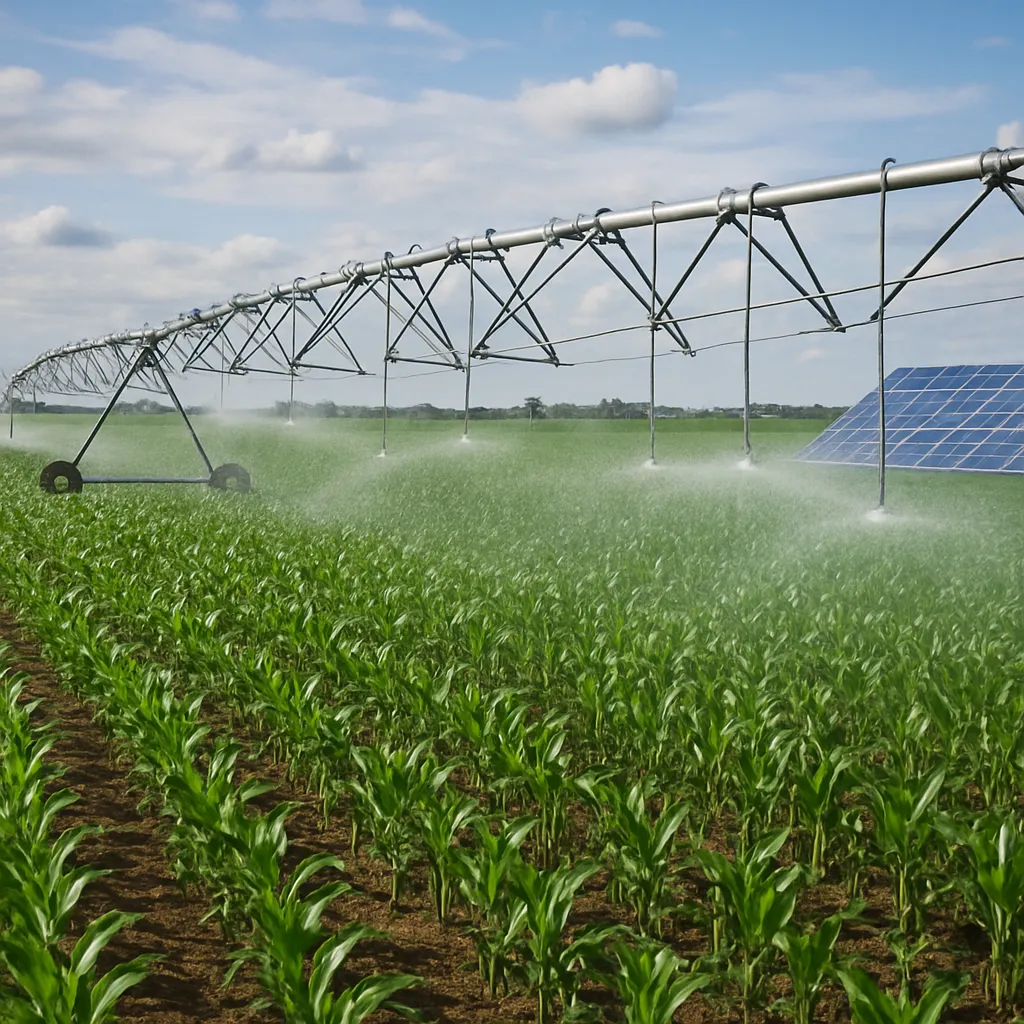
In areas where rainfall has become less predictable, farmers are implementing creative solutions to preserve water resources and maintain crop yield. Traditional irrigation methods have given way to precision-guided systems that monitor soil moisture, evaporation rates, and weather forecasts in real time.
Precision Irrigation and Soil Management
- Drip irrigation: Delivers water directly to plant roots, reducing evaporation by up to 60% compared to flood irrigation.
- Soil moisture sensors: These devices measure volumetric water content, enabling farmers to apply just the right amount of water.
- Mulching and cover crops: Organic mulches help retain moisture and improve soil structure, while cover crops enhance biodiversity and prevent erosion.
Drought-Resistant Crop Varieties
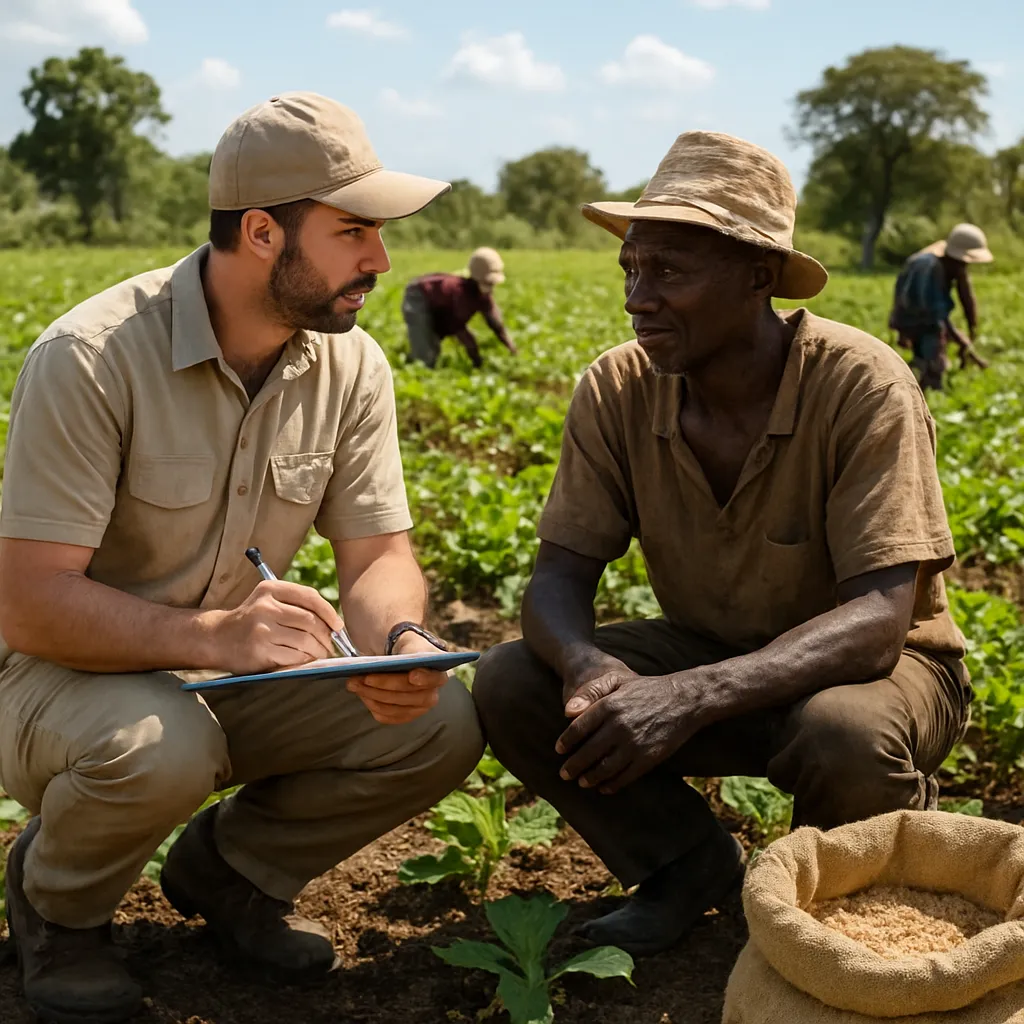
Plant breeders are focusing on resilience by crossbreeding local species with drought-tolerant cultivars. These new strains feature deeper root systems and waxier leaves to minimize water loss. Smallholder farmers in sub-Saharan Africa, for instance, have adopted sorghum and millet hybrids, seeing up to 30% greater productivity under dry conditions.
Community-Led Water Harvesting Projects
Villages in South Asia have revitalized ancient water-harvesting techniques. Check dams, rooftop rainwater collection, and contour bunding help recharge aquifers and provide dry-season irrigation. Such grassroots initiatives, bolstered by microfinance support, showcase how sustainability and local knowledge combine to tackle adaptation challenges.
Adaptive Strategies in Tropical and Monsoon Climates
Tropical regions confront both intense rainfall events and extended dry spells. Farmers have had to pivot quickly to safeguard their crops from unpredictable monsoons while ensuring food production during lean periods.
Agroforestry and Intercropping Systems
- Shade trees: Integrating fruit and timber species reduces soil temperature, curbs erosion, and enriches nutrient cycles.
- Intercropping legumes: Beans and peas improve soil fertility through biological nitrogen fixation, boosting cereal yields when paired with maize or rice.
- Mixed livestock-crop models: Animals graze on crop residues and provide manure, closing nutrient loops in sustainable farming systems.
Flood-Resilient Infrastructure
In flood-prone deltas of Southeast Asia, raised beds, floating gardens, and amphibious rice paddies allow continuous cultivation even when water levels rise. These innovations increase yield stability and prevent crop losses during extreme weather.
Early Warning Systems and Meteorological Partnerships
Access to accurate forecasts can make the difference between a bumper harvest and total failure. Collaborative networks link local farmers with meteorological agencies, shipping timely alerts about cyclones, storms, or heatwaves. By adjusting planting dates or reinforcing greenhouse structures, growers transform raw data into actionable risk management.
Collaborative Efforts and a Future Outlook
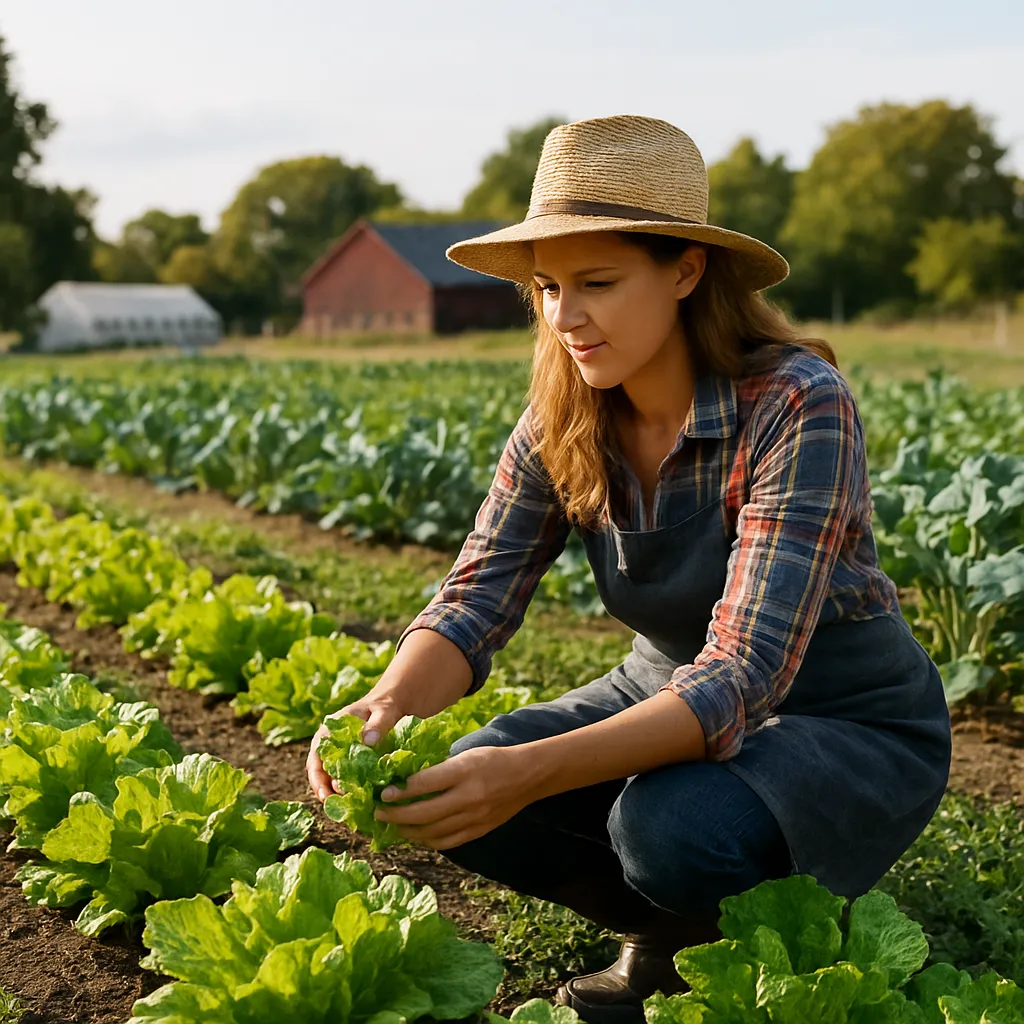
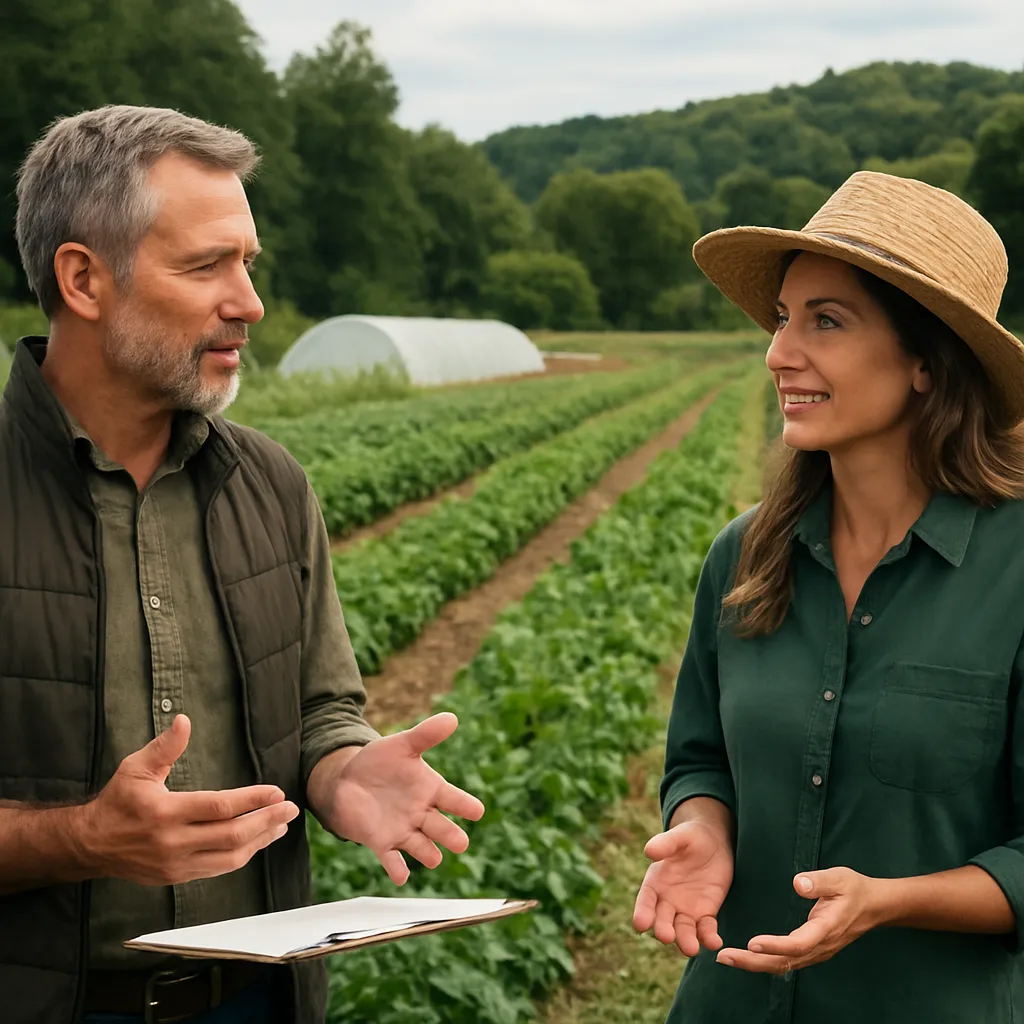
Beyond individual innovations, cooperative frameworks empower farming communities to scale up solutions and share resources. Farmers’ cooperatives, research institutions, and NGOs engage in knowledge exchange, driving collective progress against climate threats.
Capacity Building and Training Programs
- Workshops on climate-smart agriculture teach principles such as integrated pest management, organic farming, and soil health enhancement.
- Mentorship networks pair seasoned growers with newcomers, promoting hands-on learning and peer-to-peer support.
- Digital platforms host multilingual tutorials, case studies, and success stories, democratizing access to best practices worldwide.
Policy Advocacy and Financial Instruments
Public-private partnerships are vital in providing technology grants, low-interest loans, and insurance schemes tailored to climate risks. Parametric insurance, for example, pays out automatically when rainfall dips below a predetermined threshold, cushioning farmers against revenue shocks.
Research, Development, and Scaling Innovations
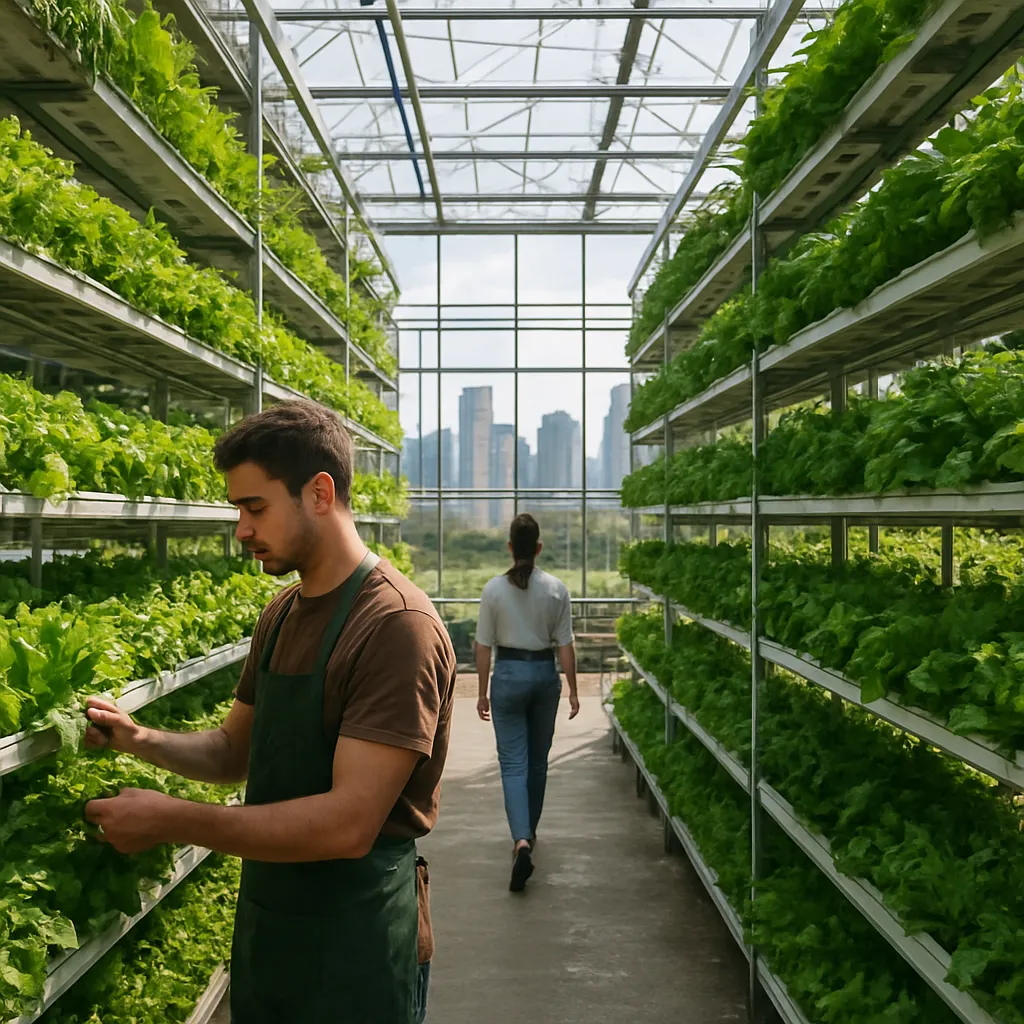
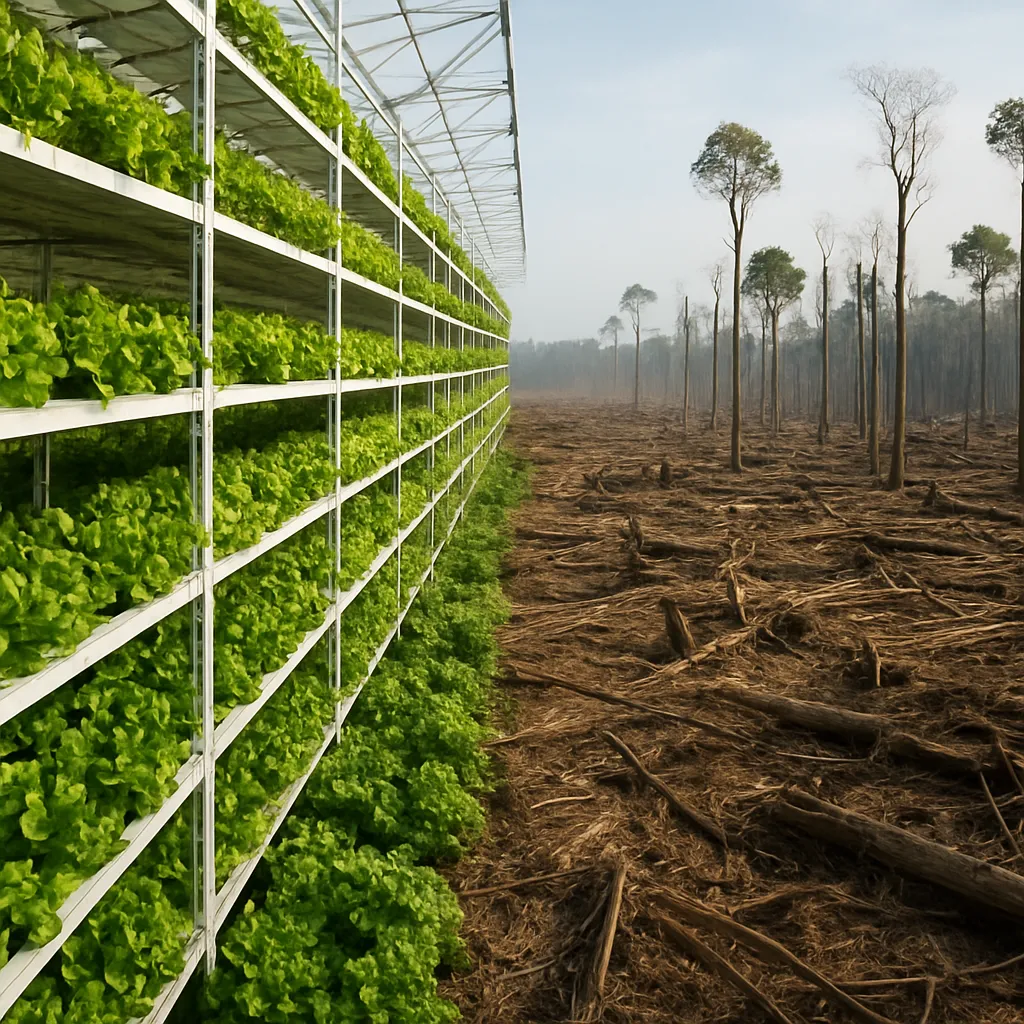
Universities and agricultural research centers are advancing genetic research on climate-adaptive crops, exploring genome editing to boost biodiversity and disease resistance. Pilot projects test vertical farming modules in urban settings, bringing food production closer to consumers and reducing supply-chain vulnerabilities.
The ongoing transformation in global agriculture underscores the power of innovation, resilience, and collaboration in confronting climate challenges. As knowledge networks expand and adaptive strategies multiply, farmers worldwide stand better equipped to navigate uncertain weather patterns and secure a sustainable food future.