Farmers around the globe face an unprecedented array of challenges as supply chain disruptions ripple through every link of food production and distribution. From shipping delays to sudden input shortages, these obstacles compel growers to rethink traditional practices and embrace new approaches to maintain stability. This article explores how agricultural communities are transforming their operations through innovation, strategic diversification, and enhanced collaboration to remain resilient in an era of volatility.
Global Supply Chain Disruptions: Causes and Impact
Several factors converge to disrupt supply networks, including geopolitical tensions, extreme weather events, labor shortages, and fluctuating energy costs. When shipping containers are stranded at ports, or fertilizer prices skyrocket, farmers experience cascading effects:
- Seed and fertilizer scarcity reduces planting areas and yields.
- Transport delays increase spoilage risks for perishable produce.
- Rising fuel costs inflate operational expenses and consumer prices.
Smallholders and large-scale operations alike must cope with these fluctuations. While some challenges are seasonal—such as winter storms blocking key roads—others unfold over years, like chronic labor declines due to urban migration. As uncertainties mount, producers recognize that achieving long-term resilience requires proactive adaptation rather than reactive crisis management.
Innovative Adaptation Strategies on the Farm
Many farm enterprises are pivoting toward creative solutions that buffer against external shocks. By increasing on-site capacity, optimizing resource use, and exploring alternative revenue streams, they reduce dependency on fragile links:
- Diversification of crops and livestock minimizes risks when one product faces market or supply constraints.
- Adoption of sustainability practices—such as cover cropping, no-till systems, and integrated pest management—enhances soil health and lowers input needs.
- On-farm water harvesting and micro-irrigation systems alleviate reliance on unpredictable rainfall or strained municipal supplies.
- Value-added processing (cheese making, drying, fermenting) extends shelf life and generates higher margins.
These measures deliver more than short-term relief. For instance, farmers investing in renewable energy installations—like solar panels or biogas digesters—achieve dual benefits: cutting utility expenses and powering critical machinery during fuel price spikes. By building a self-reliant infrastructure, operations become less vulnerable to external cost shocks.
Leveraging Technology for Supply Chain Resilience
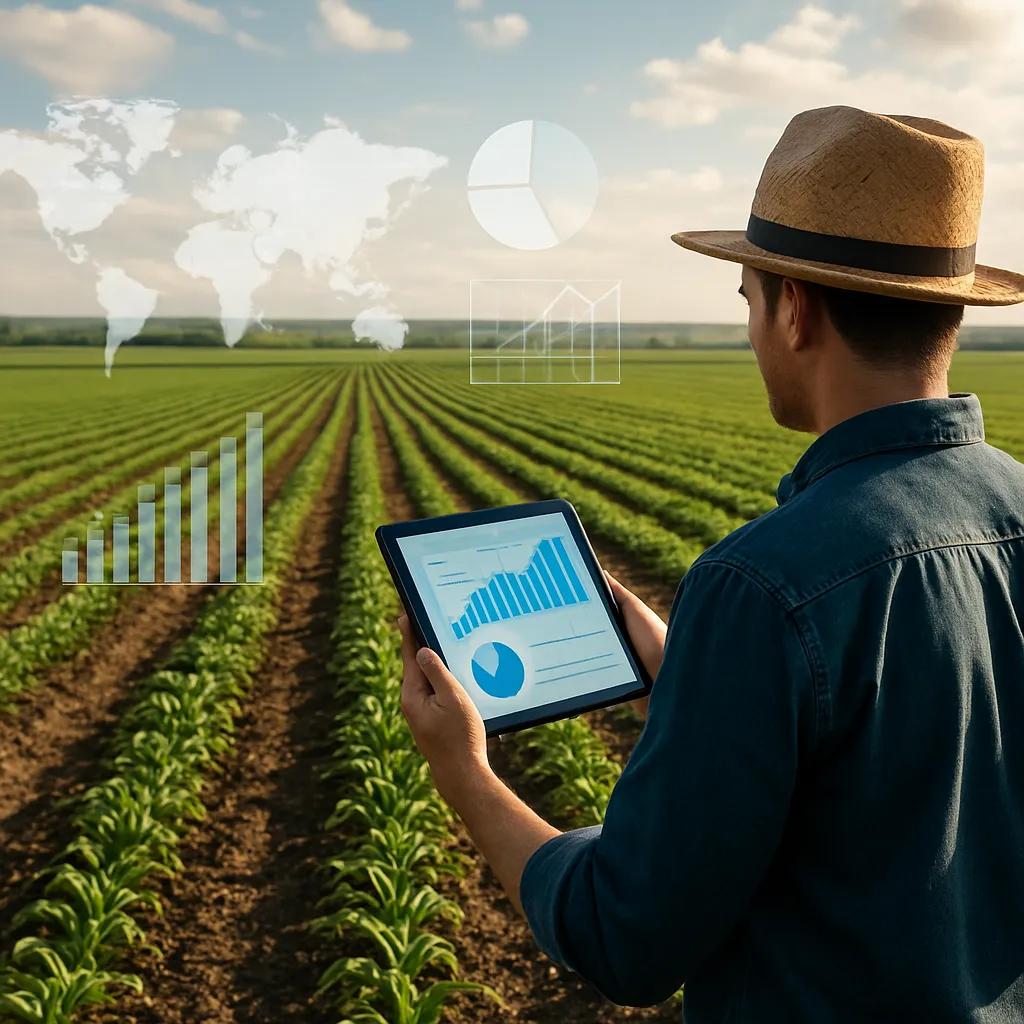
Digital tools are reshaping how agricultural stakeholders monitor inputs, forecast demand, and coordinate logistics. Precision agriculture devices, remote sensing, and data analytics collectively drive improvements in efficiency and predictability:
- IoT-enabled soil sensors transmit moisture and nutrient data in real time, guiding targeted fertilizer and irrigation schedules.
- Machine learning models predict weather patterns, aiding planting decisions and harvest timing to avoid loss from untimely storms.
- Blockchain platforms increase transparency across supply chains, providing buyers with verifiable information on origin, quality, and handling conditions.
- Digital marketplaces connect producers directly with consumers, eliminating intermediaries and reducing transport distances through hyper-local deliveries.
By integrating these solutions, farmers can anticipate potential disruptions and react swiftly. A cloud-based platform, for instance, might flag an impending port closure affecting fertilizer imports weeks in advance, enabling growers to secure alternative products early. This proactive approach marks a shift from reactive coping to strategic planning at scale.
Collaboration, Policy and Market Shifts
Individual farm adaptations gain momentum when supported by collective action and enabling policies. Regional alliances, cooperatives, and public-private partnerships foster resource sharing and knowledge exchange, amplifying each participant’s capacity to withstand shocks:
- Cooperatives negotiate bulk purchase agreements for seeds, feed, and equipment, lowering per-unit costs and ensuring consistent availability.
- Shared storage and processing facilities reduce infrastructure expenses for smallholders, while enhancing product handling capabilities.
- Government incentive programs reward farmers adopting regenerative methods, bolstering soil fertility and carbon sequestration.
- Trade policies that prioritize agricultural corridors limit export restrictions during crises, stabilizing food supplies across borders.
On the consumer side, shifting preferences toward locally grown and ethically produced foods create new opportunities. Initiatives like farm-to-table networks and Community Supported Agriculture (CSA) clubs encourage urban and suburban families to invest directly in their region’s localization of food systems. This trend not only shortens logistics chains but strengthens rural economies.
The Road Ahead: Embracing Continuous Change
As global dynamics evolve, so must farming practices. A commitment to ongoing learning, resource optimization, and ecosystem stewardship underpins a truly resilient agricultural ecosystem. By adopting a mindset of perpetual innovation and seeking synergies among producers, governments, and technology providers, the sector can navigate future disruptions with greater confidence. Ultimately, these shifts herald a transformation toward more robust, equitable, and adaptable food systems worldwide.