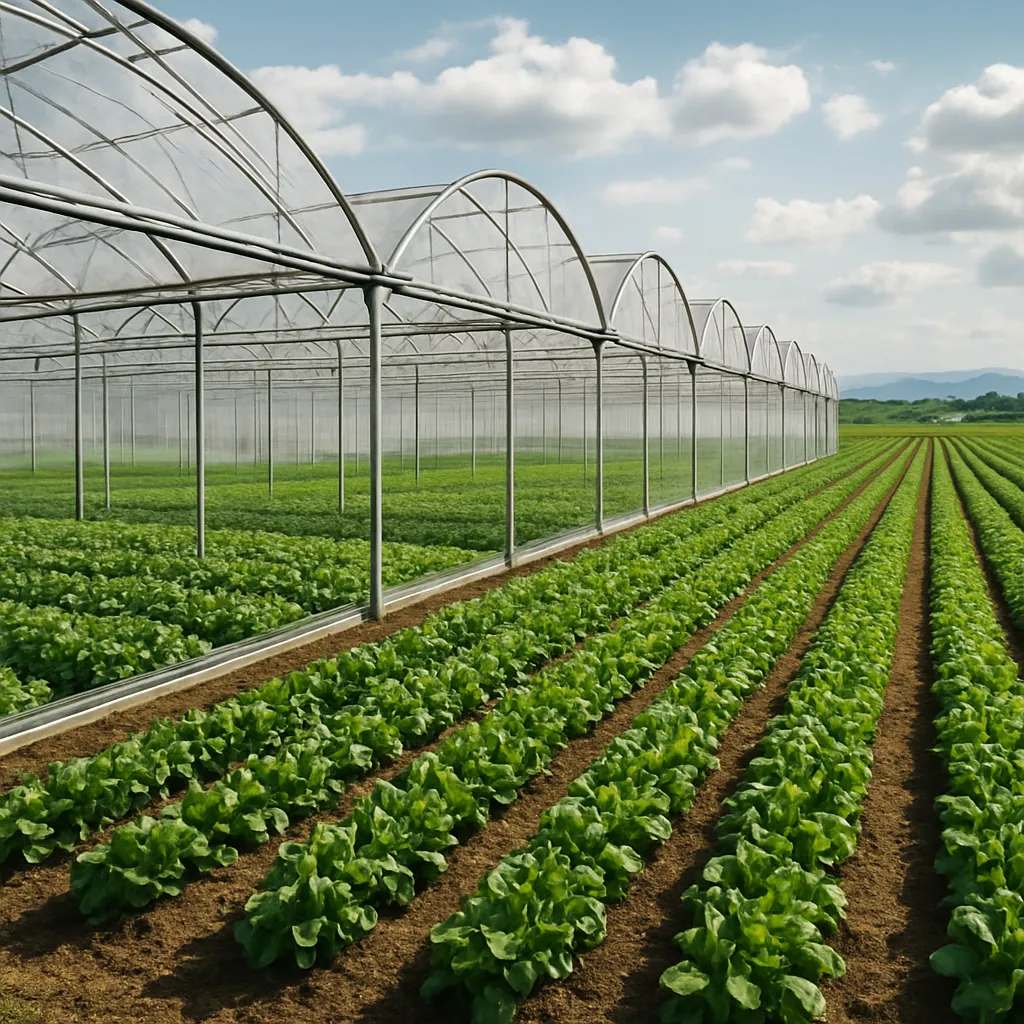
Farmers across the globe confront an era of unprecedented **climate resilience** demands as weather patterns grow more erratic. From prolonged droughts in sub-Saharan Africa to flooding in Southeast Asia, agricultural communities must innovate rapidly to safeguard food supplies and preserve livelihoods. This article examines the emerging **technology**, creative agronomic techniques, and cooperative efforts enabling farmers to adapt and thrive amid increasingly unpredictable conditions.
Weather Challenges Facing Modern Farms
Unstable weather manifests in multiple forms, each requiring distinct responses. Torrential downpours can erode fertile topsoil, while extended dry spells threaten entire harvests. Meanwhile, shifting seasonal cycles undermine planting schedules, forcing growers to revise long-standing calendars.
- Erratic rainfall: Fields that once relied on predictable monsoons now endure intense storms followed by multi-month droughts.
- Temperature spikes: Excessive heat imposes heat stress on crops and livestock, reducing yields and fertility.
- Unseasonal frosts: Unexpected cold snaps can devastate budding crops, wiping out promising yields in days.
- Rising sea levels: Coastal farms face salinization of freshwater sources, compromising soil health.
These factors conspire to elevate financial risks for smallholders and large-scale operations alike, demanding flexible approaches anchored by robust **forecasting** methods and resourceful planning.
Innovative Strategies for Climate Adaptation
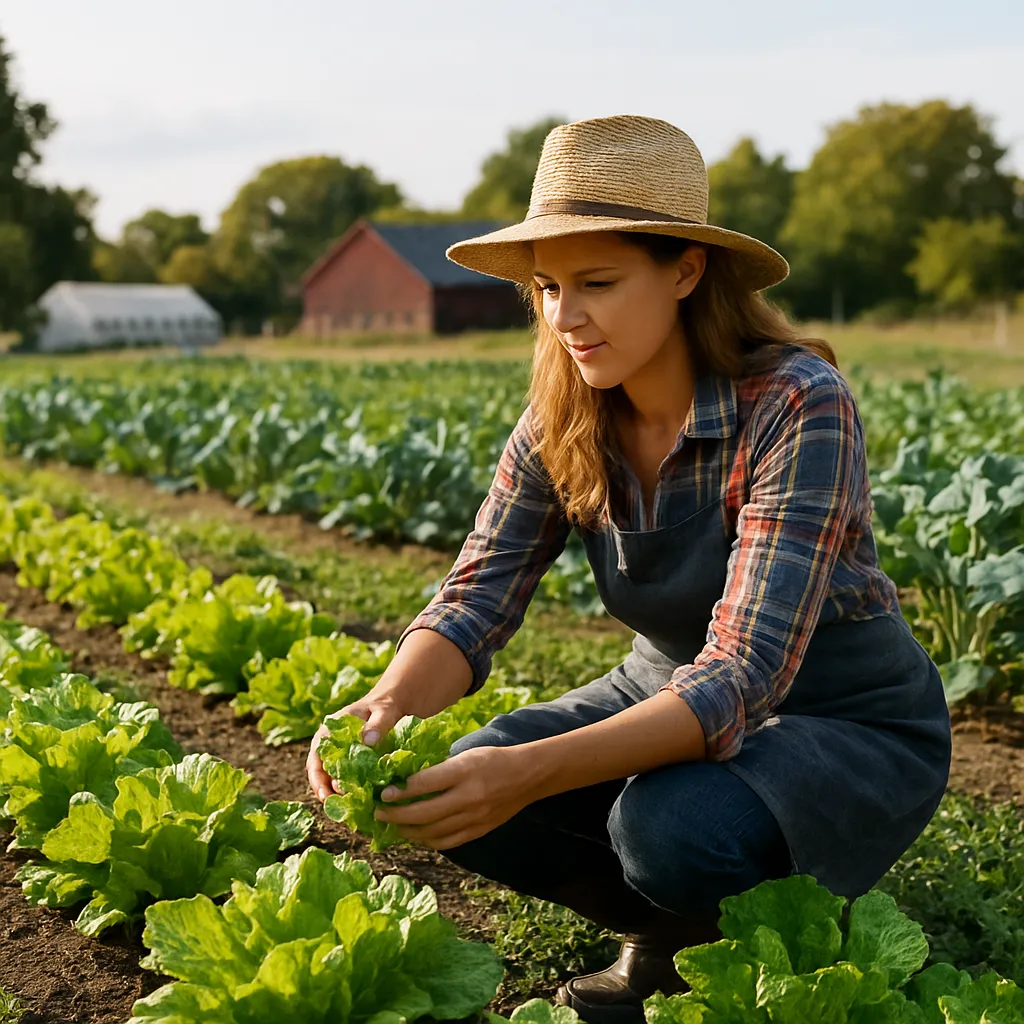
Adaptation hinges on blending age-old wisdom with cutting-edge discoveries. Farmers are turning to **diversification** as a core tactic, planting multiple crops and integrating livestock to spread risk. Poly-cropping systems, which mix cereals, legumes, and vegetables, can enhance soil structure and reduce pest outbreaks.
Other key strategies include:
- Drought-resistant seeds: Breeders develop varieties that tolerate limited moisture, sustaining yields under water stress.
- Conservation tillage: Minimizing soil disturbance preserves organic matter and improves water retention.
- Rainwater harvesting: Farmers capture runoff in ponds or cisterns for supplementary **irrigation** during critical growth stages.
- Agroforestry: Integrating trees into croplands provides shade, enriches soil, and stabilizes microclimates.
These measures often generate co-benefits, such as enhanced biodiversity and carbon sequestration, reinforcing long-term **sustainability** aims. By planting sorghum alongside pigeon peas or shelterbelts beside vegetable plots, farmers create resilient mosaics capable of weathering varied stresses.
Technology and Data-Driven Farming
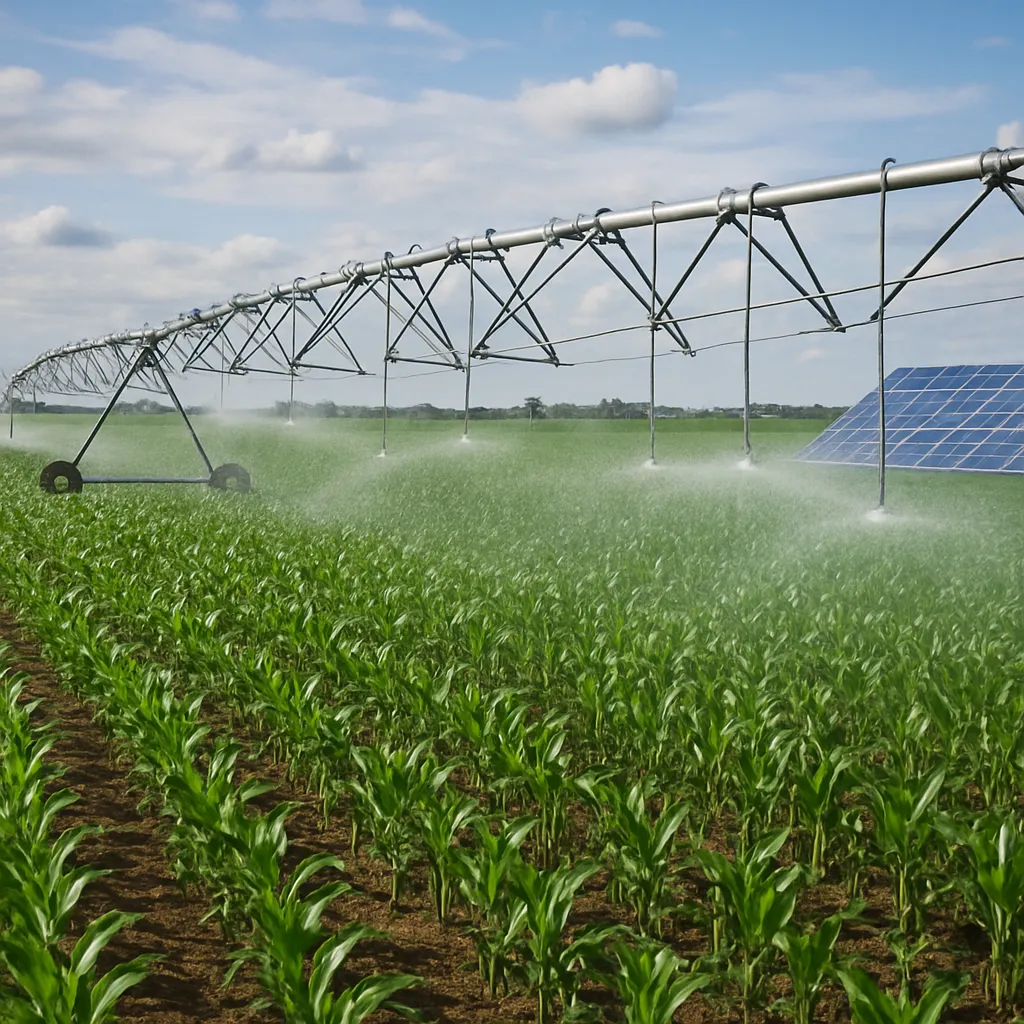
Digital tools increasingly drive decisions on modern estates and smallholdings alike. Precision **agriculture** platforms harness satellite imagery, soil sensors, and drones to optimize inputs and forecast threats. Real-time data on soil moisture, leaf temperature, and nutrient levels allows targeted interventions that conserve resources and boost productivity.
Key technological enablers:
- Remote sensing: High-resolution images reveal crop health anomalies early, guiding spot treatments and averting full-field losses.
- Automated irrigation systems: Triggered by soil moisture sensors, these setups deliver exact water volumes, preventing waste and root diseases.
- Mobile advisory services: Farmers receive weather alerts, pest warnings, and best-practice tips via SMS or smartphone apps.
- AI-driven models: Machine learning algorithms forecast yield potentials and climate risks, enabling data-backed planning.
By deploying these **innovation** tools, cultivators can fine-tune operations, reduce greenhouse gas emissions, and cut labor costs. For instance, variable-rate fertilizer applicators apply nutrients only where needed, sparing both pocketbooks and ecosystems.
Soil Health and Water Management
Healthy soil forms the backbone of any resilient farming system. Techniques like cover cropping and composting rebuild organic matter, enhancing both fertility and moisture-holding capacity. In many regions, communities practice **sustainability** through rotational grazing and integrated pest management, reducing reliance on synthetic chemicals.
Water scarcity spurs inventive methods as well:
- Subsurface drip lines: These concealed pipes deliver water directly to root zones, slashing evaporation losses.
- Mulching: Organic or synthetic mulches shade soil, suppress weeds, and maintain moisture levels.
- Contour farming and terracing: Sloping lands are shaped to slow runoff, encourage infiltration, and prevent erosion.
Through these measures, farmers bolster drought preparedness and minimize damage from extreme rainfall events. Coupled with **forecasting** insights, soil and water management strategies offer a robust defense against weather volatility.
Community Collaboration and Policy Support
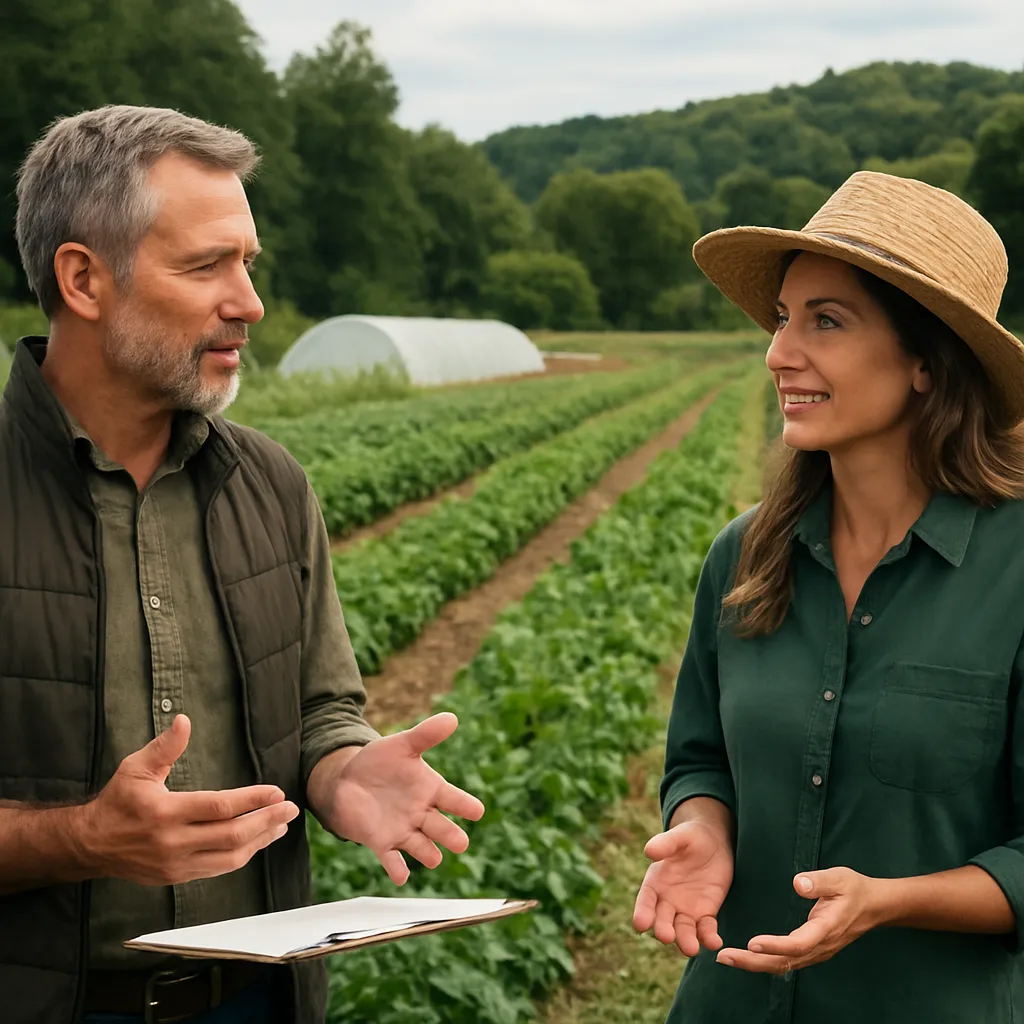
No single grower can tackle global climate challenges in isolation. **Community** networks and cooperatives facilitate knowledge sharing and resource pooling. Collective seed banks preserve regionally adapted varieties, while shared equipment hubs reduce capital barriers for advanced machinery.
Government and non-governmental organizations (NGOs) also play pivotal roles by:
- Funding research on resilient agronomy and novel crop genetics.
- Subsidizing microloans for equipment upgrades and infrastructure improvements.
- Establishing early warning systems for extreme weather and pest outbreaks.
- Implementing policy incentives for carbon-friendly practices and renewable energy adoption.
When stakeholders unify—farmers, scientists, policymakers, and financiers—they create an environment where **innovation** thrives. Initiatives like climate-smart agriculture certification or payments for ecosystem services reward stewards of the land, aligning economic incentives with environmental stewardship.
Looking Ahead: Building Resilient Food Systems
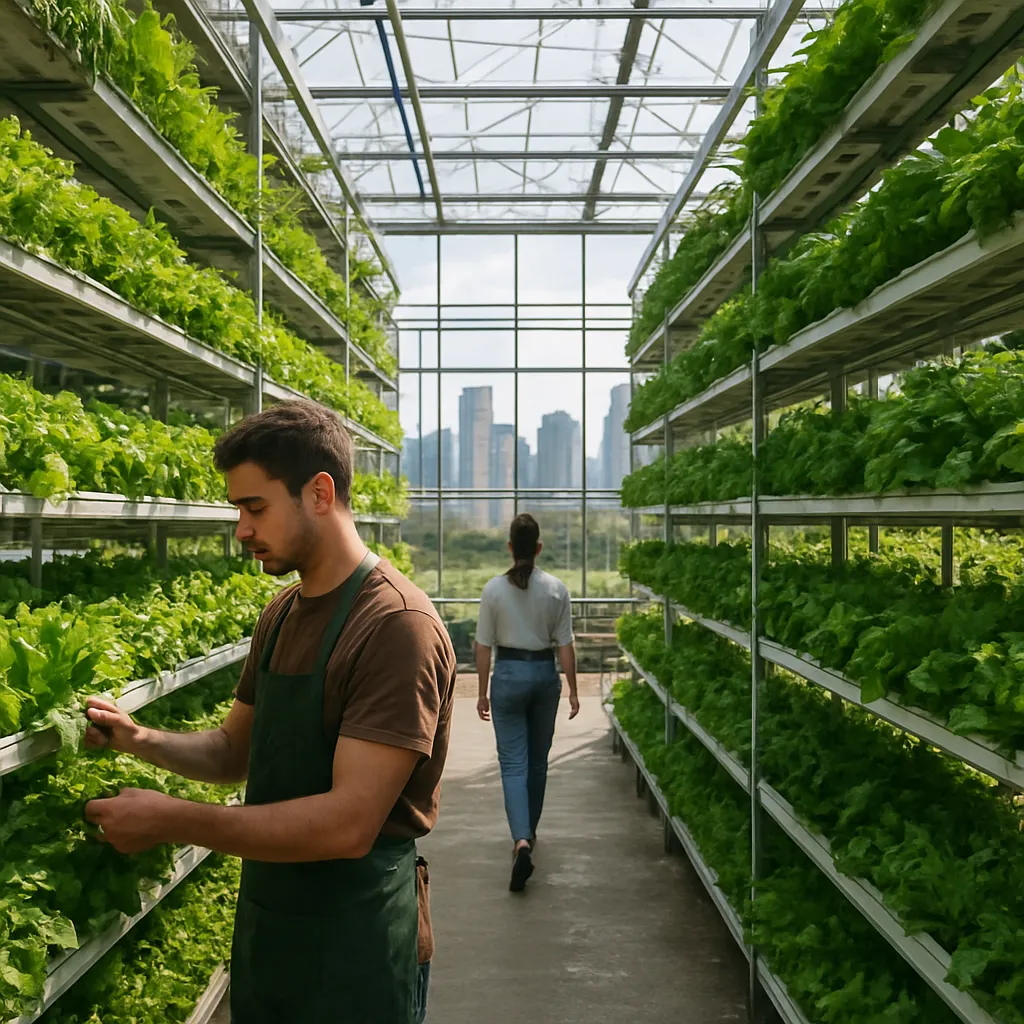
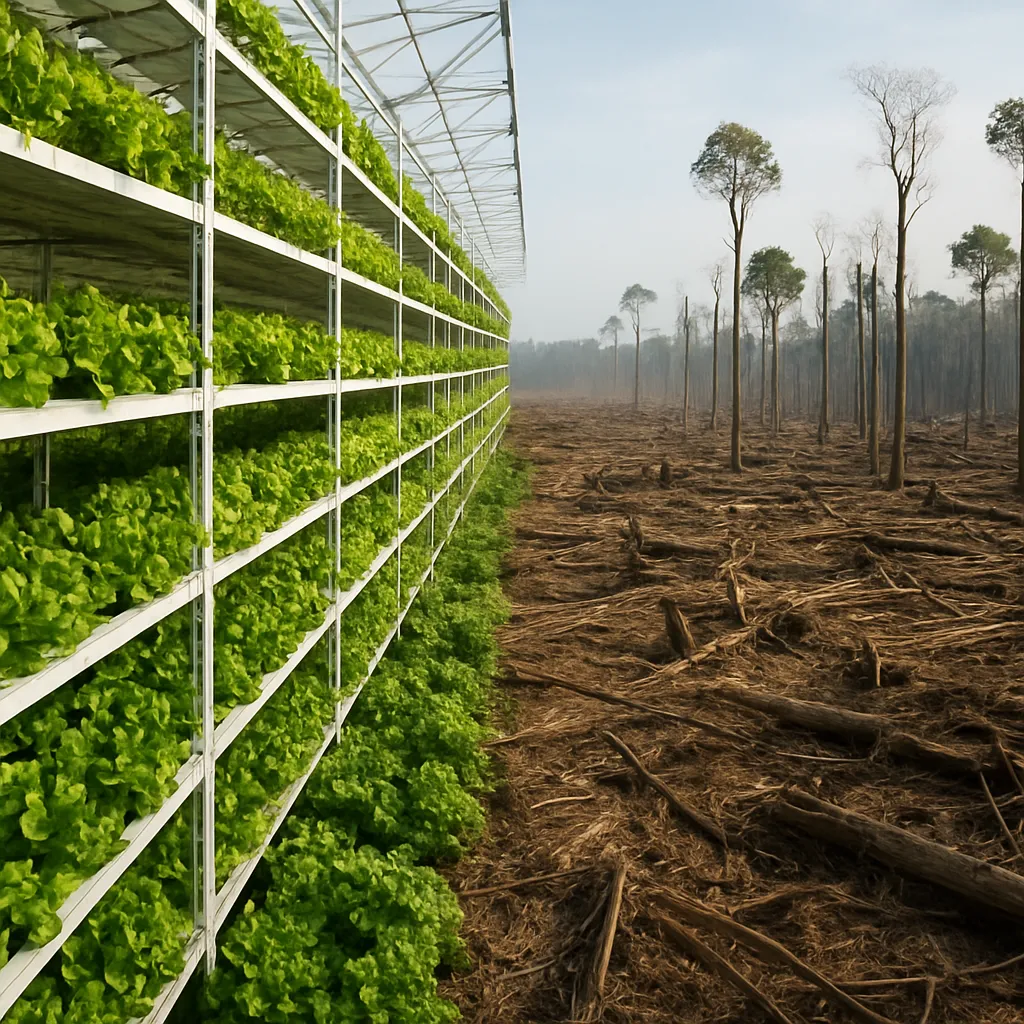
As **technology** continues to evolve, so will the toolkit available to farmers confronting unpredictable climates. Innovations in gene editing, vertical farming, and biofertilizers promise to revolutionize productivity and resource efficiency. Yet the human element—local expertise, traditional practices, and adaptive spirit—remains indispensable.
By weaving together modern science, collaborative networks, and time-honored know-how, agricultural communities can navigate the uncertainties of tomorrow’s weather. The path forward rests on embracing change, championing knowledge exchange, and investing in infrastructure that promotes long-term resilience at every level of the global food system.