The global farm-to-table movement is reshaping the way people think about food production, distribution, and consumption. By forging direct connections between farmers and consumers, this approach not only promotes transparency and trust but also enhances access to fresher, more nutrient-dense ingredients. As more communities embrace locally sourced produce, meat, and dairy, the ripple effects touch health, environment, and rural economies around the world.
The Rise of Farm-to-Table Practices
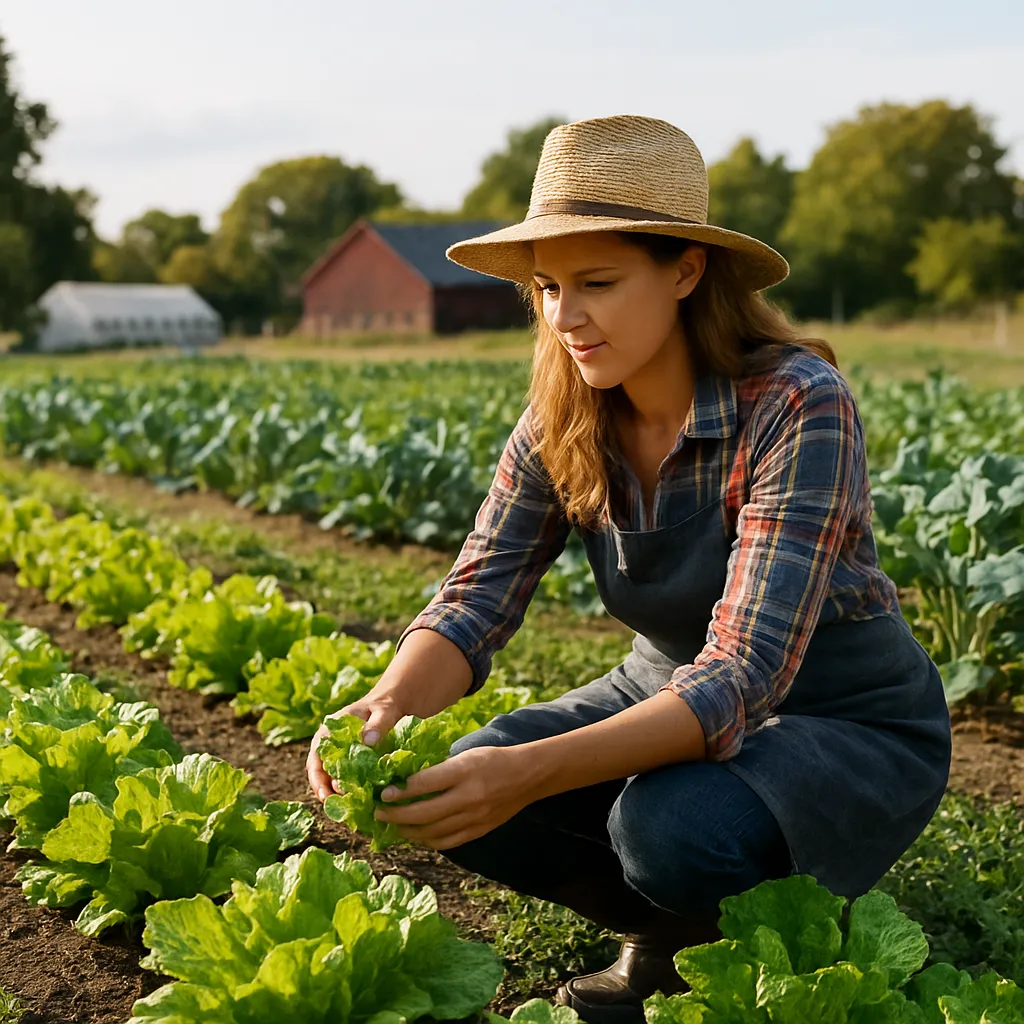
In recent years, a growing number of chefs, restaurateurs, and consumers have sought alternatives to industrialized food chains. At the heart of this shift lies the principle of reducing the distance between where food is grown and where it is eaten. Smaller-scale farms, community-supported agriculture (CSA) programs, and urban gardens are all emblematic of this emerging trend. Key drivers include:
- Freshness: Produce picked at peak ripeness delivers superior flavor and texture compared to items harvested early for long transit.
- Transparency: Consumers gain insight into farming methods, including pesticide use, soil management, and animal welfare practices.
- Community Engagement: Direct relationships between farmers and eaters foster a sense of mutual respect and shared responsibility for sustainable production.
- Innovation: Small farms often experiment with heirloom varieties, agroforestry, and permaculture, driving biodiversity and resilience in cropping systems.
Regions across Europe, North America, Latin America, Asia, and Africa are tailoring these principles to local contexts. In Japan, for instance, rice paddy cooperatives unite small growers to supply neighboring towns; in Kenya, women-led horticultural collectives use rainwater-harvesting techniques to expand off-season offerings.
Health Benefits and Nutritional Impact
One of the most compelling arguments for farm-to-table sourcing is its role in promoting nutrition and overall well-being. Research indicates that fruits and vegetables consumed within days of harvest retain higher levels of vitamins, antioxidants, and phytonutrients. Additionally, the avoidance of long cold-chain storage reduces nutrient degradation.
Key Nutritional Advantages
- Higher concentrations of vitamins C, B-complex, and carotenoids make local greens and berries potent allies against oxidative stress.
- Seasonal diets encourage dietary diversity, exposing consumers to a broader spectrum of micronutrients throughout the year.
- Reduced reliance on preservatives and chemical ripening agents translates into fewer additives and residues on fresh produce.
Moreover, meat and dairy products sourced from small scale or pasture-based operations often exhibit favorable fatty acid profiles, including higher omega-3 levels and conjugated linoleic acid (CLA). Organic certification and regenerative grazing practices further lower exposure to antibiotics and synthetic hormones, boosting long-term health outcomes for consumers.
Environmental Sustainability and Local Economies
By shortening supply chains and championing local hubs, farm-to-table systems deliver substantial environmental benefits. Transportation emissions plummet when produce travels mere miles instead of crossing continents by truck, ship, or plane. Farms practicing regenerative methods contribute to soil regeneration, water conservation, and carbon sequestration.
Ecological Gains
- Sustainability: Integrating cover crops, rotational grazing, and minimal-till techniques enhances soil structure and fertility over time.
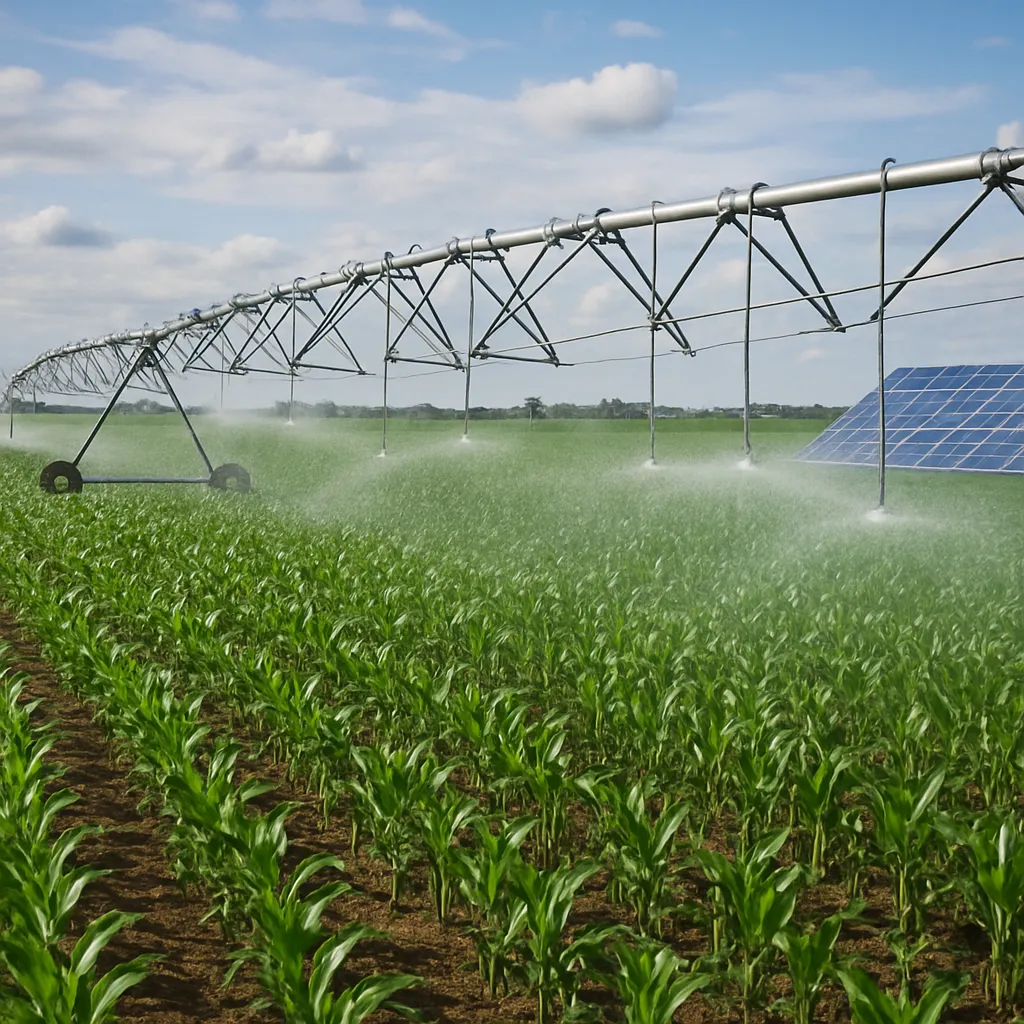
- Water Use Efficiency: Small-scale operations often employ drip irrigation, rainwater catchment, and mulching to curb wastage.
- Reduced Plastic Waste: Farmers’ markets and CSAs typically rely on reusable packaging or encourage consumers to bring their own containers.
Economically, localized models invigorate rural communities by keeping capital within the region. Farmers gain more equitable pricing by avoiding intermediaries, while consumers enjoy fair valuations and the opportunity to support agricultural stewardship. The multiplier effect of money spent locally can revitalize small towns, fund agritourism ventures, and sustain family-owned farms for future generations.
Challenges and Future Prospects
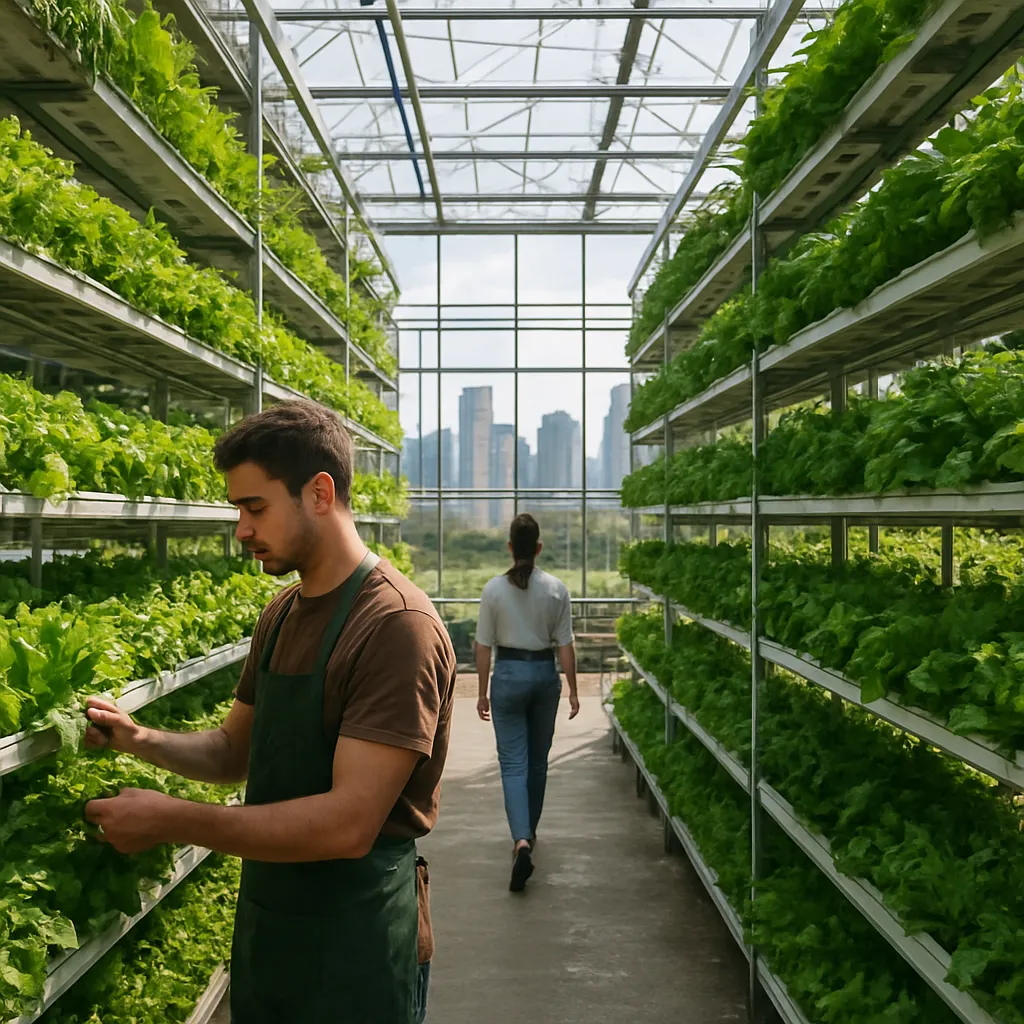
Despite the momentum, farm-to-table initiatives face obstacles that vary across geographies. Urban centers must grapple with limited land availability and zoning restrictions. In developing regions, infrastructural constraints—such as inadequate roads, storage facilities, and refrigeration—can hamper a steady supply of perishables. Additionally, smallholder farmers may require training, capital investment, and access to fair markets to compete with industrial agribusiness.
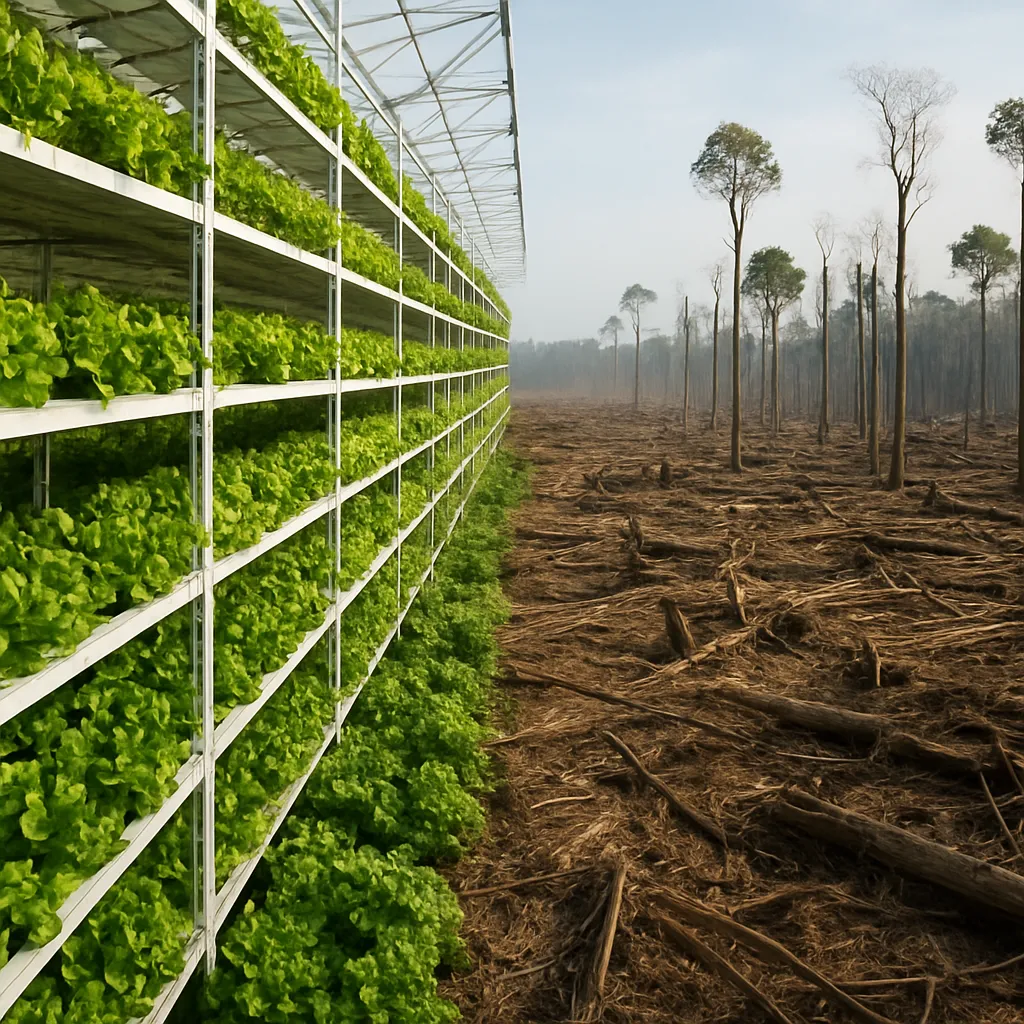
- Scaling Up Responsibly: Efforts to expand farm-to-table networks must preserve the integrity of practices, avoiding mechanization that mirrors conventional scale rather than community-focused models.
- Policy Support: Governments can incentivize sustainable agriculture through grants, tax breaks, and supportive procurement policies for schools, hospitals, and public institutions.
- Consumer Education: Raising awareness about seasonality, proper storage, and cooking techniques ensures that produce goes from plate to palate without waste.
- Technological Integration: Digital platforms, blockchain traceability, and mobile marketplaces are emerging tools to connect urban dwellers with remote farms, track organic certifications, and streamline payments.
Looking ahead, the alignment of climate goals, public health initiatives, and rural development plans seems poised to elevate the farm-to-table ethos from niche movement to mainstream paradigm. Collaborative research between universities, NGOs, and agricultural networks promises novel solutions for pest management, yield optimization, and equitable resource sharing. Ultimately, by valuing responsible stewardship and collective well-being, the world stands on the brink of a more resilient and nutrient-rich food future.