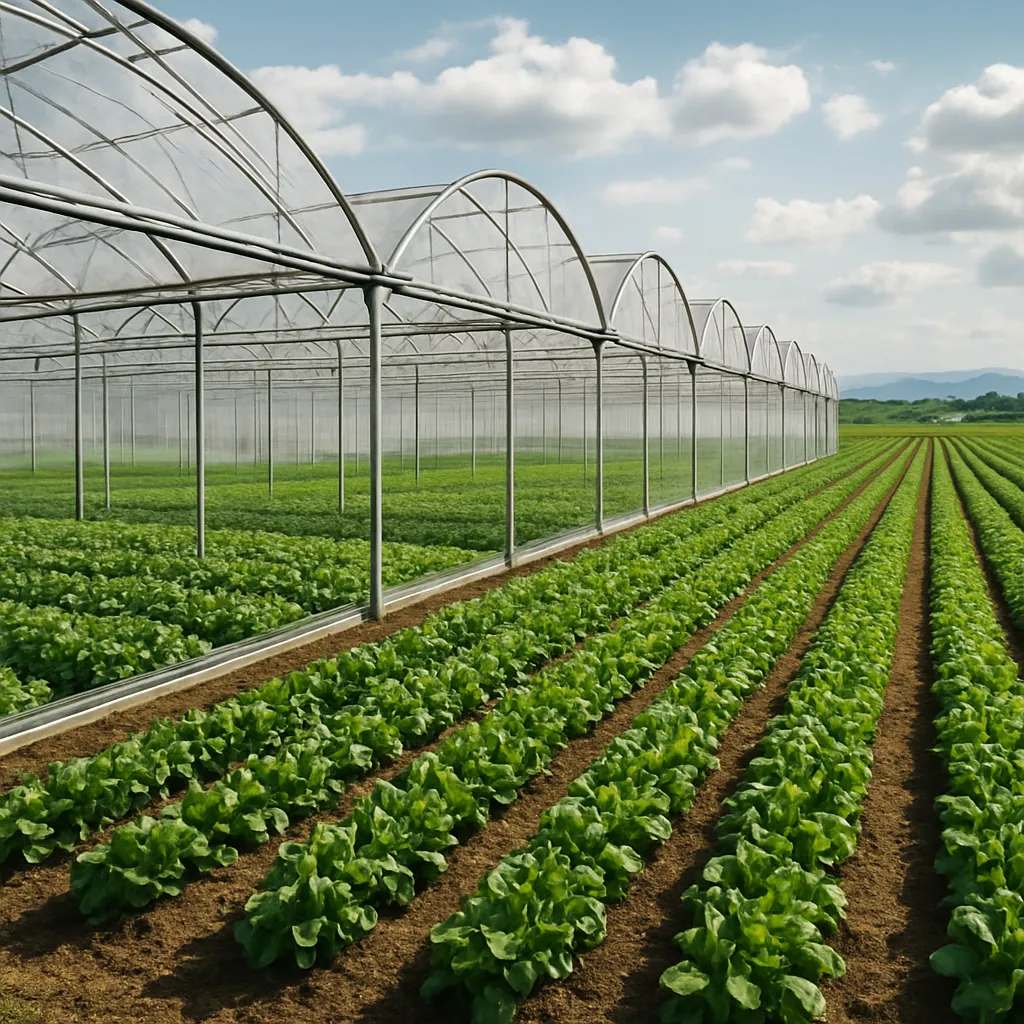
Farmers worldwide are embracing a diverse array of production models in response to growing uncertainties brought on by shifting weather patterns. Through adaptive strategies and innovative practices, the agricultural landscape is undergoing a profound transformation that not only safeguards crops and livestock but also secures rural livelihoods. By integrating multiple enterprises—ranging from crop rotations, agroforestry, aquaculture to value-added processing—farmers are generating new income streams while enhancing overall resilience. This article explores how these strategies play out on every continent, highlighting benefits, examples, and future prospects in the face of intensifying climate variability.
Global Trends in Farm Diversification
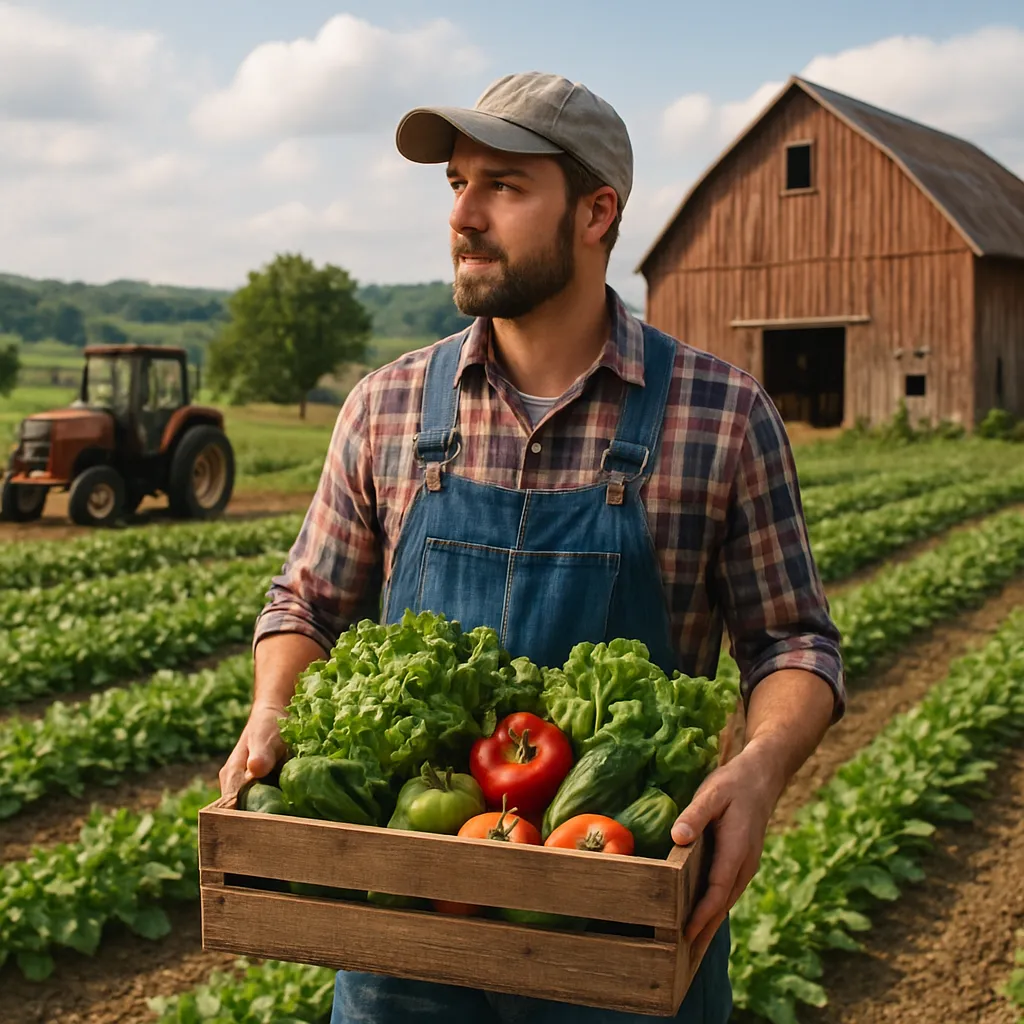
Across all continents, farm managers are shifting away from monocultures and single-commodity systems toward more complex mosaics of production. The driving force is multifaceted: unpredictable rainfall, rising temperatures, and market volatility compel farmers to adopt innovations that spread risks and boost returns. In North America and Europe, integrated livestock–crop systems are staging a comeback, while in Asia, combining fish in paddy fields or intercropping high-value vegetables with staple grains is gaining momentum.
Key Mechanisms of Change
- Diversification into high-value niche crops such as medicinal herbs or specialty fruits.
- Agroforestry models that blend trees, shrubs, and annuals to enhance soil health and carbon storage.
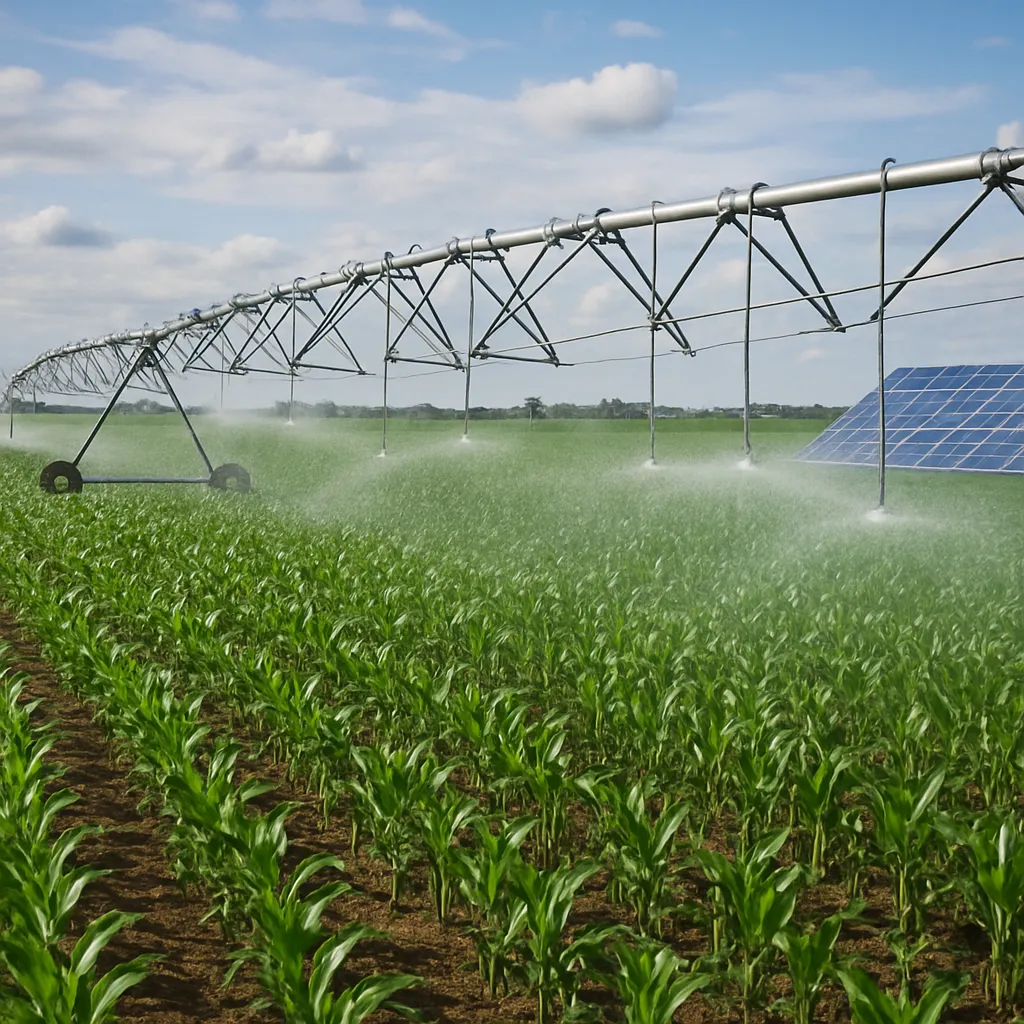
- Integration of renewable energy installations—solar panels, biogas digesters—to power on-farm activities.
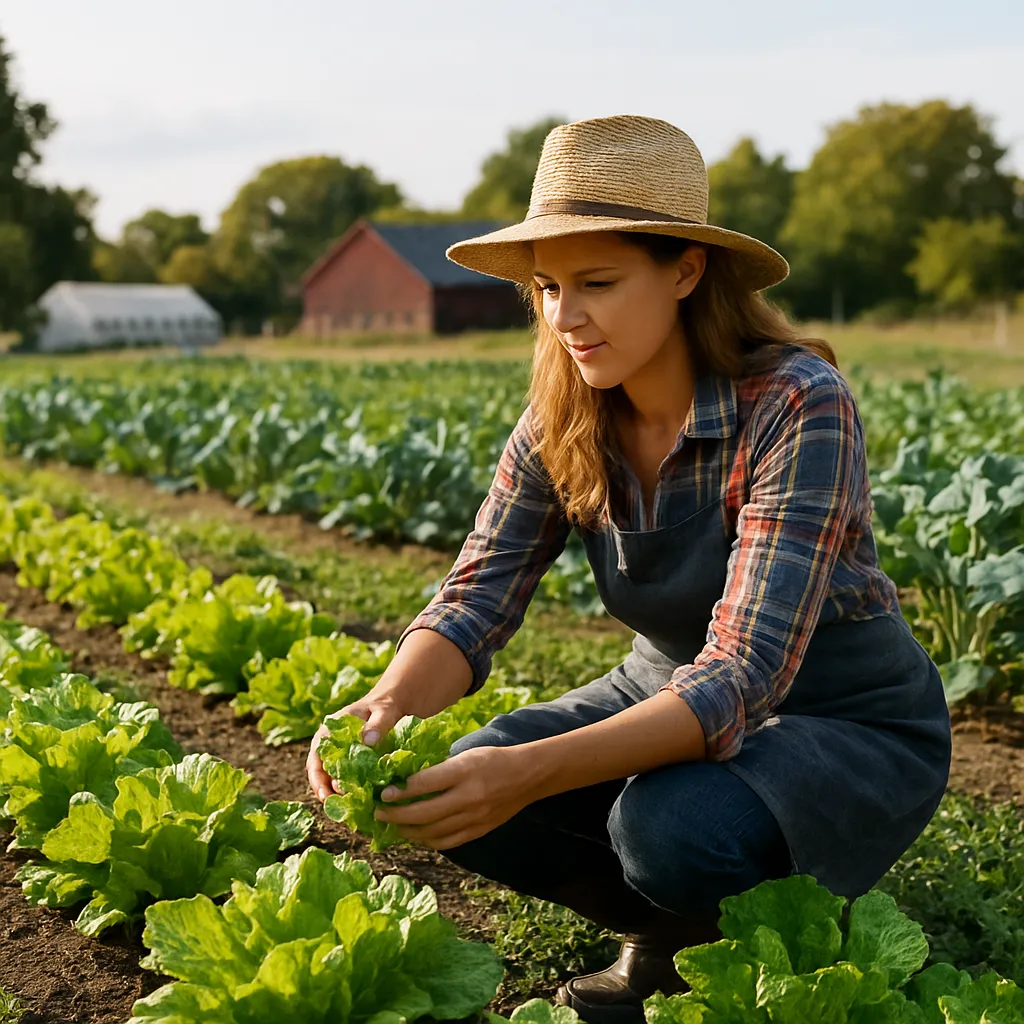
- Development of farm-based tourism, farm-to-table restaurants and direct-to-consumer channels.
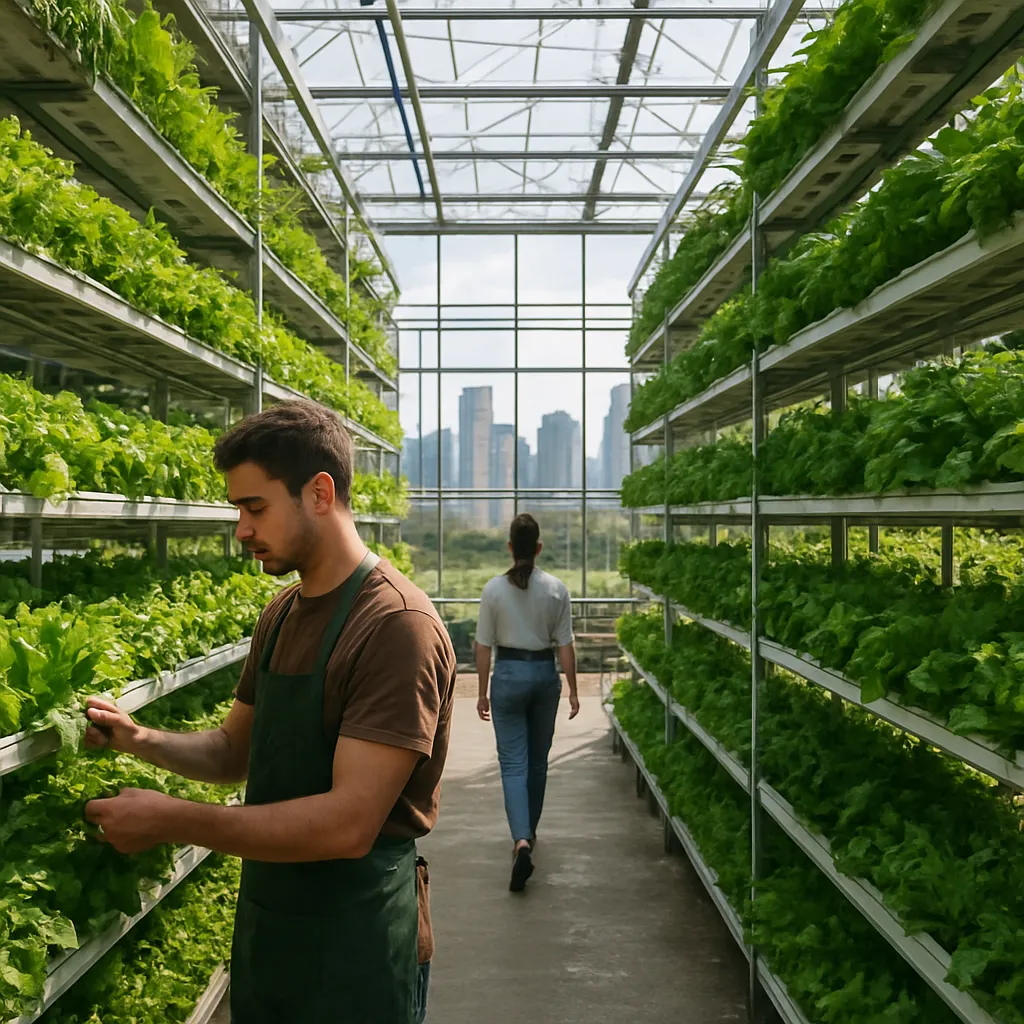
- Adoption of precision agriculture, digital tools and data-driven decision-making to optimize resource use.
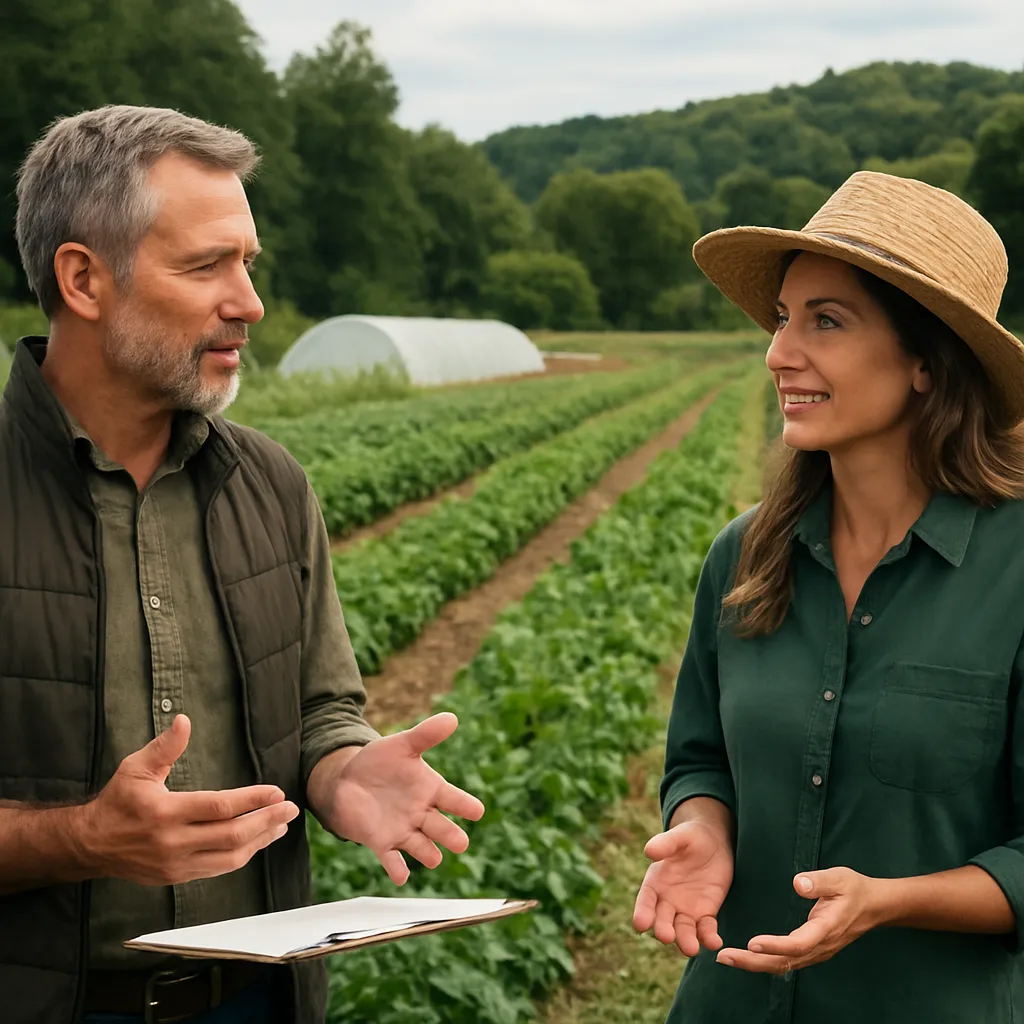
These changes often hinge on local knowledge, supportive policies and access to credit. In regions where rural cooperatives flourish, smallholders pool resources, negotiate better prices, and share technical guidance—creating a fertile ground for the widespread adoption of collaboration schemes.
Benefits of Diversification in Variable Climates
When climatic extremes strike—droughts, floods or unexpected frosts—a diversified farm stands a better chance of weathering the storm. The following core advantages have emerged from field studies and meta-analyses:
- Risk Mitigation: By not relying on one crop or enterprise, farmers reduce the probability of total failure during adverse weather events.
- Sustainability: Polycultures and mixed systems often require fewer chemical inputs, preserving water quality and soil structure.
- Economic Stability: Multiple revenue channels cushion farm budgets and enable reinvestment in new technologies.
- Ecosystem Services: Enhanced agrobiodiversity supports pollinators, natural enemies of pests, and carbon sequestration.
- Community Resilience: Diversified farms often source labor locally and foster stronger social networks.
Environmental Advantages
Complex production systems recycle nutrients more efficiently. For instance, incorporating legumes in rotations fixes atmospheric nitrogen, reducing reliance on synthetic fertilizers. Silvopastoral setups—trees interspersed among grazing lands—control erosion, moderate microclimates, and store significant amounts of carbon. Such practices contribute to a healthier ecosystem and form the backbone of climate-smart agriculture.
Case Studies from Around the World
Showing practical examples can illustrate how context-specific solutions emerge.
Sub-Saharan Africa: Agroforestry and Mixed Cropping
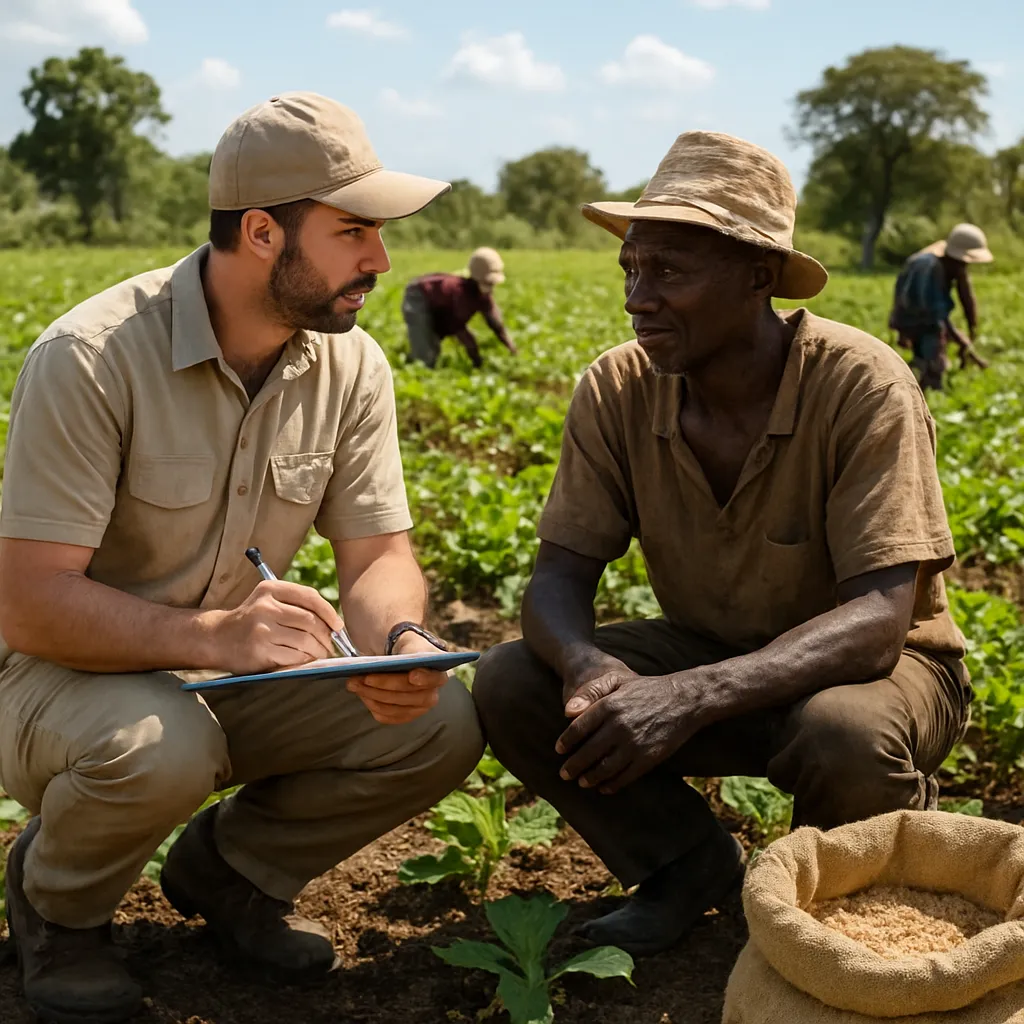
In the Sahel region, farmers prone to recurrent droughts are planting drought-tolerant trees (such as Faidherbia albida) among their millet and sorghum fields. This mix boosts soil moisture retention, reduces wind erosion, and provides fruits, fuelwood, and fodder. Communities often establish village seed banks for tree species and organize training sessions in adaptive strategies, enabling smallholders to plant thousands of seedlings annually. As a result, household incomes increase by up to 30%, even in years of poor rainfall.
Southeast Asia: Rice–Fish Systems
In Vietnam and Cambodia, traditional rice paddies are being converted into dual-purpose fields where fish thrive alongside rice plants. This approach leverages natural pest control—fish consume insect larvae—and provides protein-rich food and extra marketable produce. Farmers report yield gains of 20–25% for rice and derive 40% of their revenue from fish sales. Technical support from NGOs and participatory research led to the dissemination of these systems across thousands of hectares, improving both food security and ecosystem health.
Latin America: High-Value Crop Intercropping
Small-scale coffee producers in the Andean highlands interplant shade trees and diversified understory crops like cacao, bananas, and medicinal plants. The multilayered canopy mitigates temperature extremes, conserves moisture, and enhances bird habitat. Beyond climate adaptation, this approach helps farmers tap into specialty markets demanding single-origin, sustainably grown products. Premium prices help fund community health clinics and schools, showcasing the broad social impacts of strategic diversification.
Challenges and Future Outlook
Despite clear advantages, farm diversification faces hurdles. Market access remains limited in remote areas, and smallholders often struggle to meet quality standards required for high-value crops. Infrastructure gaps—roads, storage, refrigeration—can erode profit margins and reduce incentives for investment. Furthermore, knowledge transfer is uneven; extension services in many developing countries lack the resources to promote integrated systems at scale.
Strategies to Overcome Barriers
- Invest in rural infrastructure—bridges, warehouses, cold chains—to connect farmers with urban markets.
- Strengthen farmer organizations and cooperatives to facilitate bulk purchasing of inputs and collective marketing.
- Enhance policy frameworks, offering incentives for on-farm innovation and environmental stewardship.
- Expand access to affordable credit, microfinance and crop insurance tailored to mixed-production models.
- Promote research collaborations between universities, NGOs and private sector partners to refine best practices.
Looking ahead, the integration of digital agriculture—drone surveillance, remote sensing and mobile advisory platforms—will further empower farmers to fine-tune their systems. Coupled with global efforts to reduce carbon emissions, diversified farms can serve as frontline actors in climate mitigation and rural development. The synergy between technology, traditional knowledge and market-driven innovation holds the promise of more robust farming landscapes, capable of sustaining both people and planet under intensifying climatic pressures.