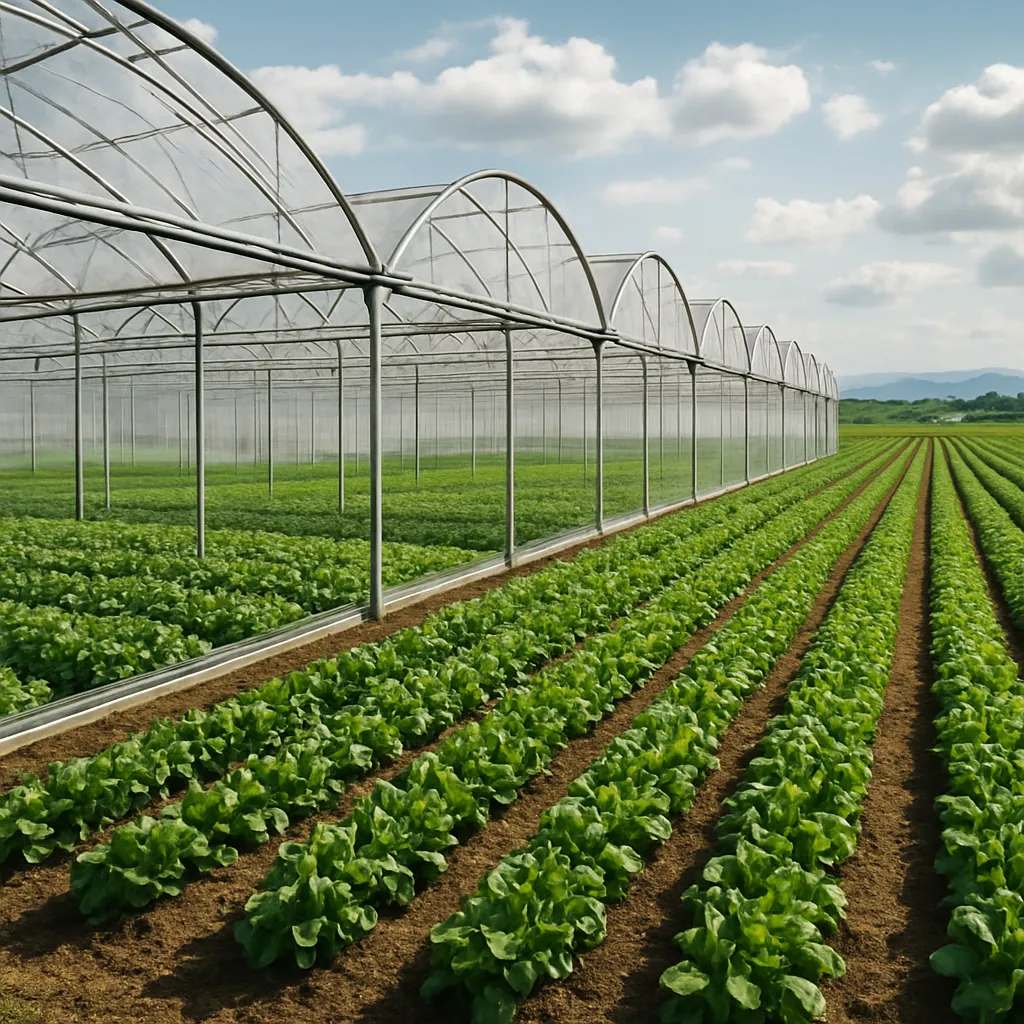
Fair Trade certifications have transformed agricultural practices across continents, fostering equity and boosting the livelihoods of millions of smallholder farmers. Through a combination of transparent trading conditions, community-focused programs, and strict environmental criteria, these certifications offer a pathway toward a more balanced global food system. This article explores how Fair Trade principles are reshaping farm economies, strengthening environmental resilience, and promoting social empowerment in rural areas.
Bringing Equity to Global Agriculture
For centuries, small-scale farmers have faced volatile markets and unfair pricing structures. Fair Trade certifications introduce a minimum price guarantee, ensuring that producers receive a stable income even when international commodity prices plummet. This mechanism empowers farmers to reinvest in their operations, purchase quality inputs, and maintain consistent production levels without succumbing to exploitative middlemen.
Beyond price protections, certified supply chains mandate a Fair Trade premium—an additional fund paid on top of the selling price. Communities democratically decide how to allocate these funds, often channeling resources into:
- Building educational facilities for children
- Improving local healthcare services
- Developing clean water infrastructure
- Providing technical training in sustainable agriculture
By integrating communal decision-making into financial flows, Fair Trade fosters an inclusive mindset in rural areas. Producers gain increased bargaining power and a voice in regional economic planning, shifting dynamics away from one-sided corporate control toward more collaborative models.
Strengthening Environmental and Economic Sustainability
Environmental stewardship is a centerpiece of Fair Trade standards. Farmers must adhere to guidelines that promote soil conservation, reforestation, and reduced chemical usage. This dual focus on ecological health and economic stability generates long-term benefits:
- Enhanced soil fertility and crop yields over multiple growing seasons
- Maintained biodiversity in agroecosystems
- Lowered risk of environmental degradation due to excessive pesticide or fertilizer application
Fair Trade certifications also emphasize risk management through diversification. Farmers are encouraged to cultivate multiple crops—such as coffee intercropped with fruit trees—to mitigate the impact of market fluctuations in any single commodity. This strategy not only safeguards incomes but also enriches the local food supply.
Moreover, supply chain transparency minimizes the chances of fraud or mislabeling. Independent auditors verify compliance with standards, providing consumers with confidence that their purchases back genuine sustainability initiatives. The rise of blockchain and digital traceability tools further enhances accountability, ensuring every stage from farm to shelf is documented.
Empowering Farmer Communities Through Innovation
Innovation plays a critical role in scaling Fair Trade benefits. Cooperative structures enable farmers to pool resources, access credit, and invest in shared processing facilities. These cooperatives often introduce:
- Mobile platforms for market price updates
- Weather forecasting services to optimize planting schedules
- Training modules on climate-smart agricultural techniques
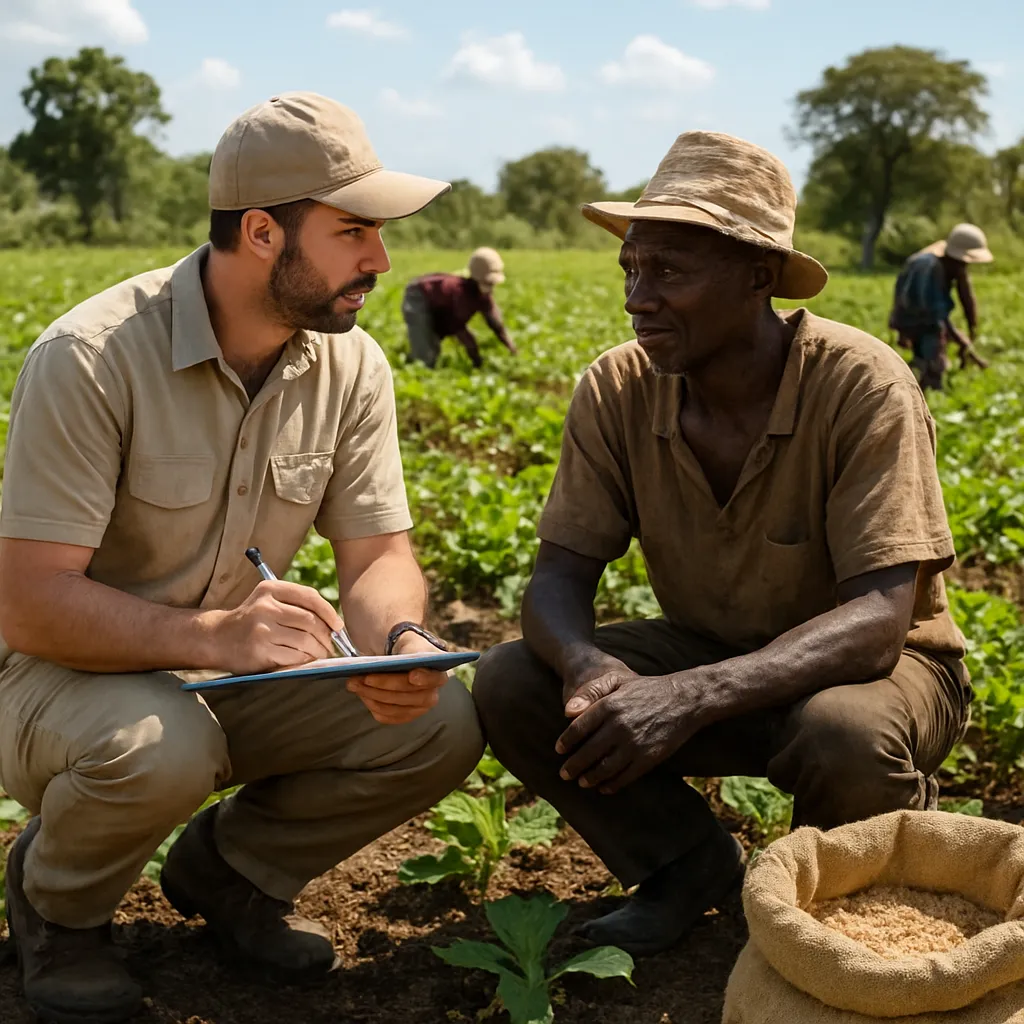
By providing technical assistance, Fair Trade networks accelerate the adoption of best practices. Farmers learn how to reduce post-harvest losses through improved drying, storage, and packaging—skills that directly impact profitability. Additionally, collaborations with local universities and NGOs foster research on drought-resistant seeds and integrated pest management.
Financial services tailored to smallholders are another cornerstone. Microloans, savings groups, and insurance products become accessible when producers join certified networks. These instruments create a safety net against unpredictable weather events and market dips, contributing to resilience and long-term planning.
Expanding Market Access and Consumer Engagement
Certification alone is not enough without robust market linkages. Fair Trade organizations partner with retailers, cafes, and food service companies to guarantee demand for certified products. This often involves:
- Long-term contracts that stabilize sales volumes
- Joint marketing campaigns highlighting producer stories
- Point-of-sale materials educating consumers on ethical sourcing
As consumer awareness grows, demand for ethically sourced goods continues to surge. Shoppers increasingly prioritize transparency and social impact, rewarding brands that invest in farmer well-being. This consumer-driven momentum incentivizes more producers to seek certification, creating a positive feedback loop for global agricultural development.
Overcoming Challenges and Scaling Impact
Despite notable progress, Fair Trade systems face hurdles. Certification costs and administrative requirements can be burdensome for the smallest farms. To address this, some organizations offer co-funding schemes or sliding-scale fees, ensuring no farmer is left behind due to financial constraints.
Another challenge is effectively measuring social outcomes. Quantitative indicators—such as income increases—must be balanced with qualitative assessments of community cohesion, gender equality, and youth engagement. Advanced monitoring frameworks, often incorporating mobile surveys and geospatial analysis, help capture a holistic picture of impact.
Global partnerships are crucial for scaling the model. Governments, development agencies, and trade associations collaborate to integrate Fair Trade principles into broader rural development policies. By embedding certification criteria into national agricultural programs, policymakers can reach even more producers and foster systemic change.
Looking Ahead: The Future of Fair Trade Agriculture
The evolution of Fair Trade certifications points toward increased integration with other sustainability frameworks, such as organic agriculture and regenerative practices. Future innovations may include carbon credit schemes for agroforestry projects and climate adaptation funds to support vulnerable regions.
Ultimately, the success of Fair Trade hinges on continuous iteration and inclusivity. As more stakeholders—from local farming families to multinational brands—align behind shared standards, the global food system becomes more just, resilient, and responsive to the needs of those who feed the world.