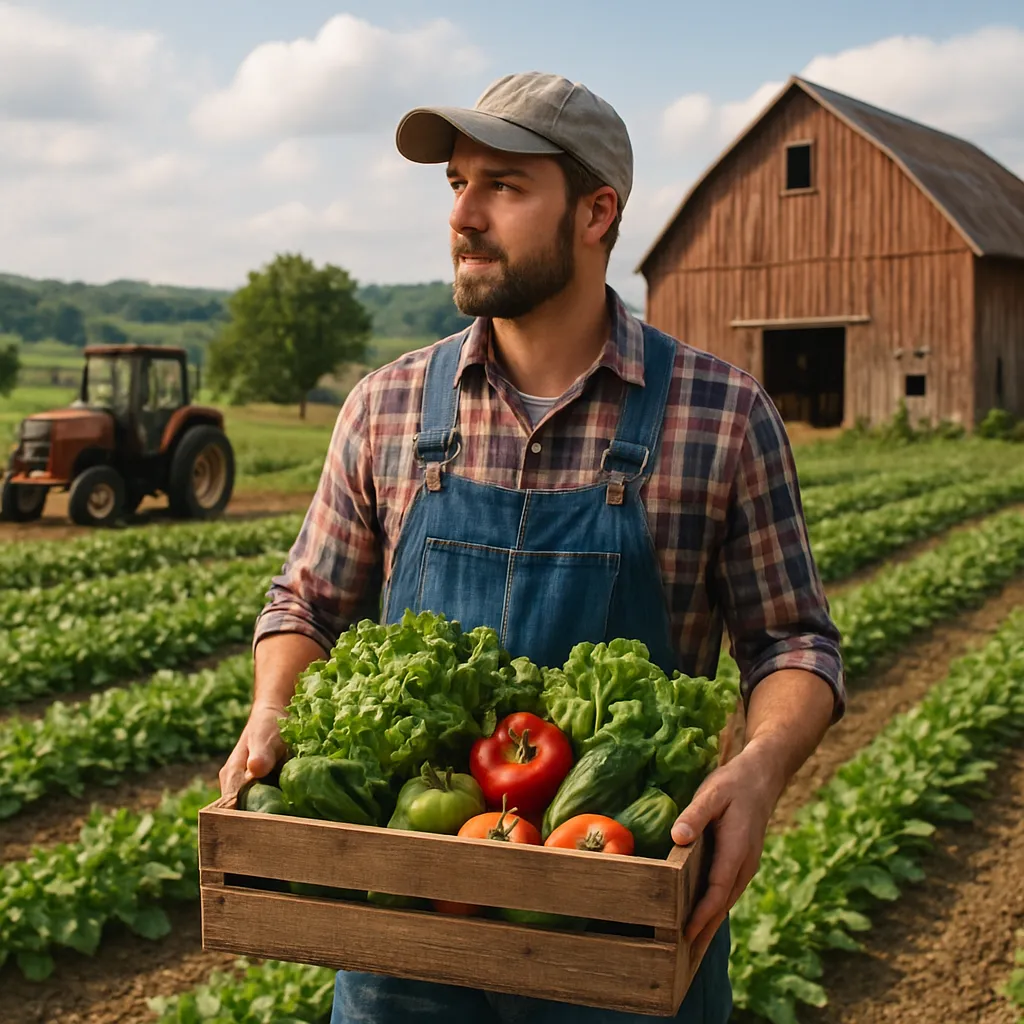
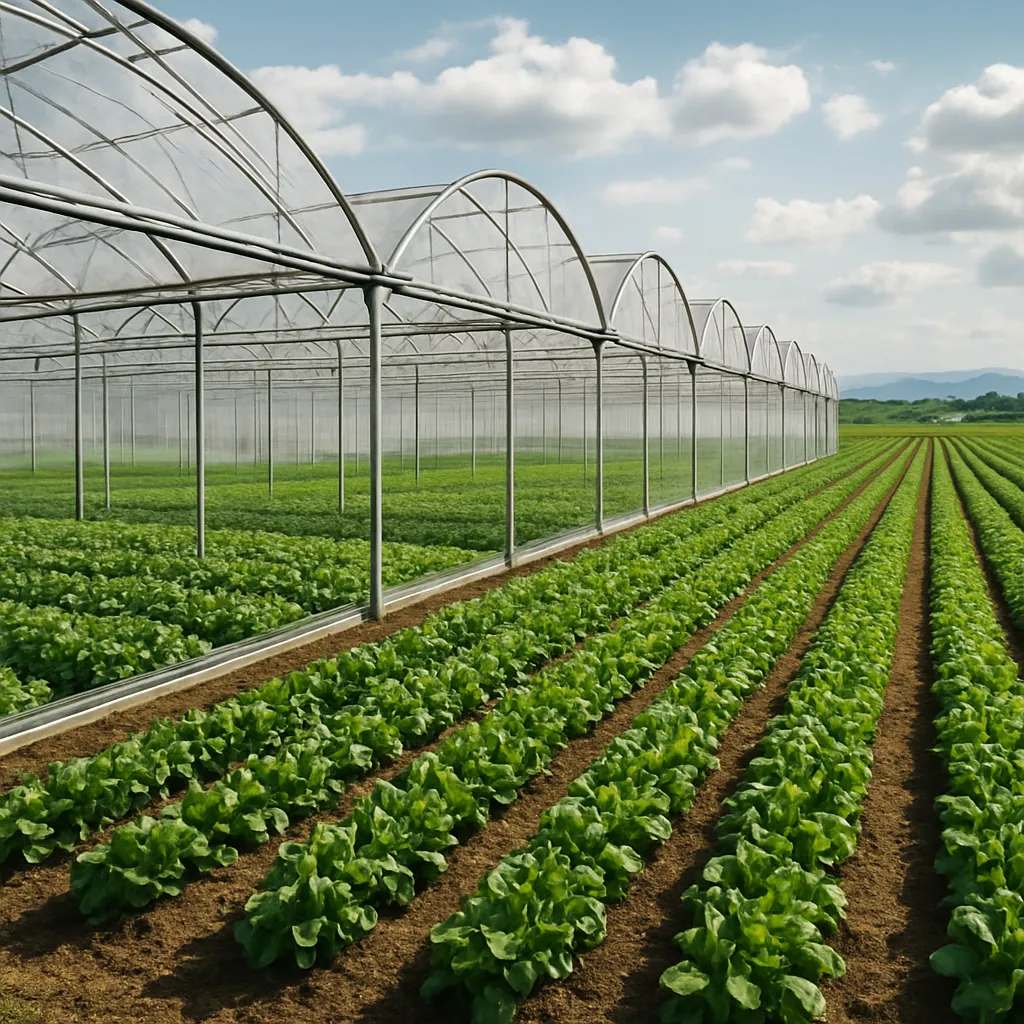
The interconnected web of global agriculture is under increasing pressure from climate change, market fluctuations and resource constraints. Embracing crop diversity is emerging as a vital pathway to enhance the resilience of farming systems worldwide. By integrating a richer array of species, varieties and management practices, farmers can mitigate risks, boost productivity and safeguard food security for generations to come.
The Role of Crop Diversity in Modern Agriculture
Shifting from Uniform Fields to Diverse Landscapes
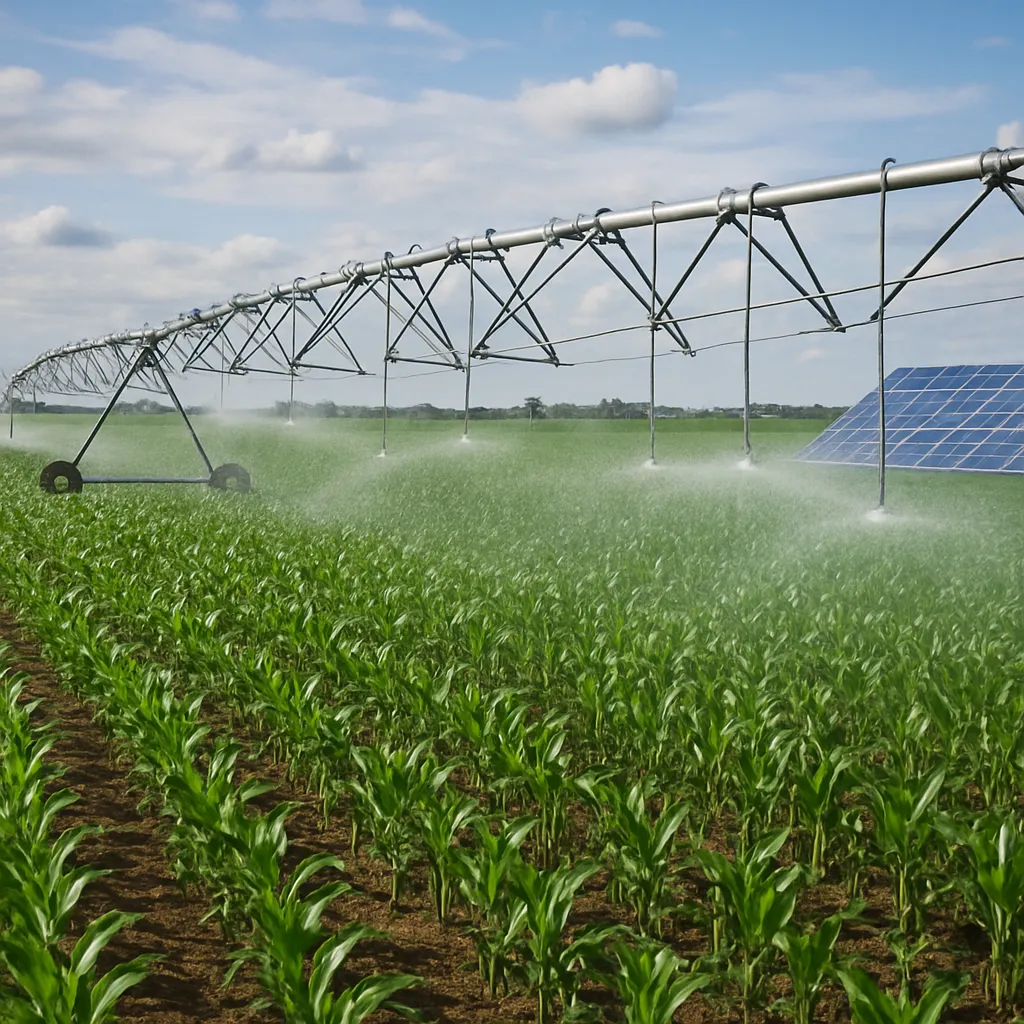
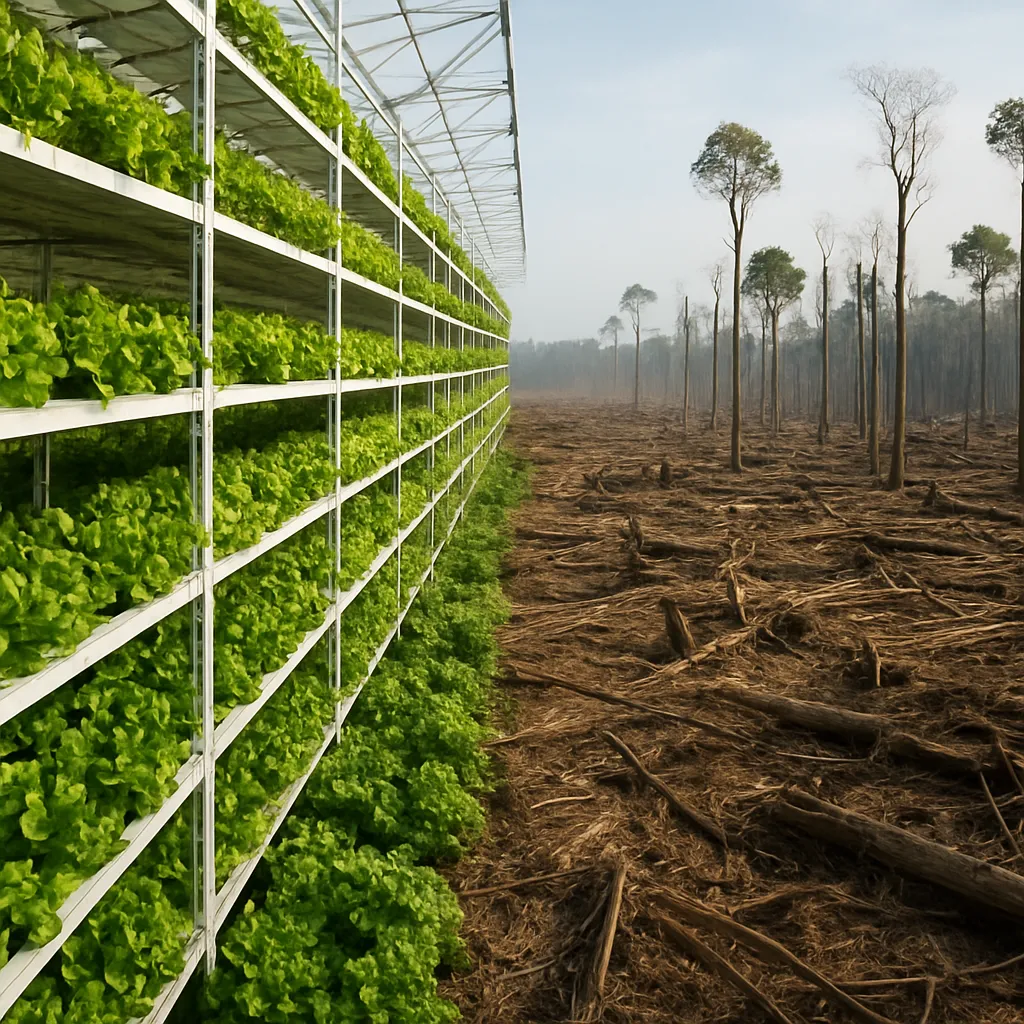
For decades, the expansion of industrial farming favored monocultures — vast swaths of a single crop grown for maximum yield. While this approach has driven short-term gains, it has also eroded biodiversity, depleted soil health, and increased vulnerability to pests, diseases and climatic shocks. In contrast, integrating multiple crops, varieties and rotation schedules supports more robust agroecosystems.
Enhancing Genetic Resources
Within any single crop species there exists a reservoir of genetic traits—tolerance to drought, pest resistance or nutritional quality. Preserving and deploying diverse genetic resources allows breeders and farmers to develop varieties adapted to emerging challenges. Seed banks and participatory breeding programs play a critical role in sustaining this invaluable pool of plant genetics.
Strengthening Ecosystem Services
Diverse cropping systems foster beneficial interactions among plants, soils and wildlife. Cover crops enrich organic matter, attract pollinators and regulate pest populations. Intercropping cereals with legumes enhances nitrogen fixation, reducing the need for synthetic fertilizers. Such symbiotic relationships form the backbone of regenerative agroecology approaches.
Benefits of Diverse Farming Systems
Mitigating Risks through Redundancy
When climate patterns become erratic, having a variety of crops can prevent complete crop failure. If one crop falters under heat stress or heavy rainfall, another may thrive, ensuring farmers still secure a harvest. This inherent redundancy is at the heart of agricultural resilience.
- Improved drought tolerance by selecting complementary species and varieties
- Reduced pest outbreaks via natural biological control
- Enhanced nutrient cycling and soil fertility
- Greater economic stability through multiple marketable products
Promoting Sustainable Resource Use
Diverse cropping systems tend to use water and nutrients more efficiently. Deep-rooted species tap into lower soil moisture reserves, while shallow-rooted ones capture surface water, reducing irrigation demands. Similarly, alternating heavy and light feeders helps maintain balanced nutrient profiles, cutting down on sustainability concerns linked to fertilizer overuse.
Uplifting Livelihoods and Societies
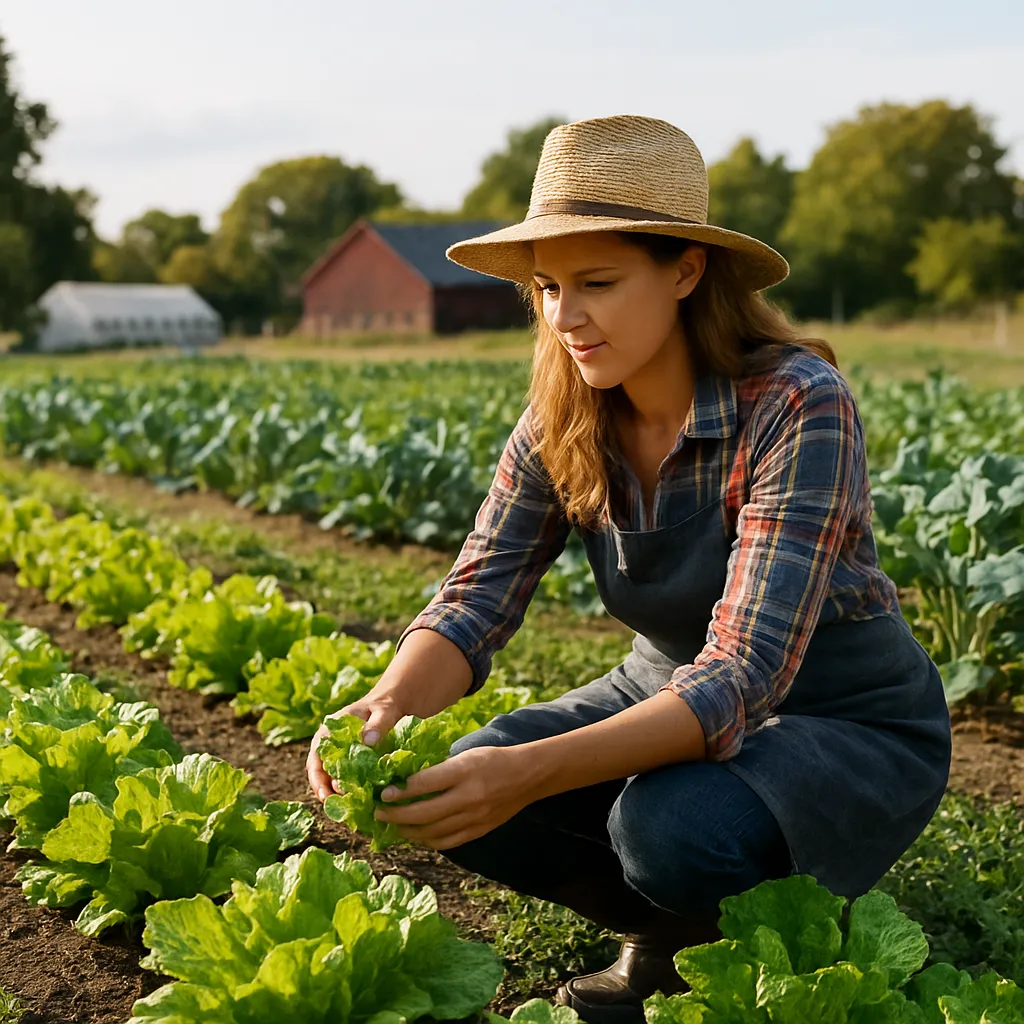
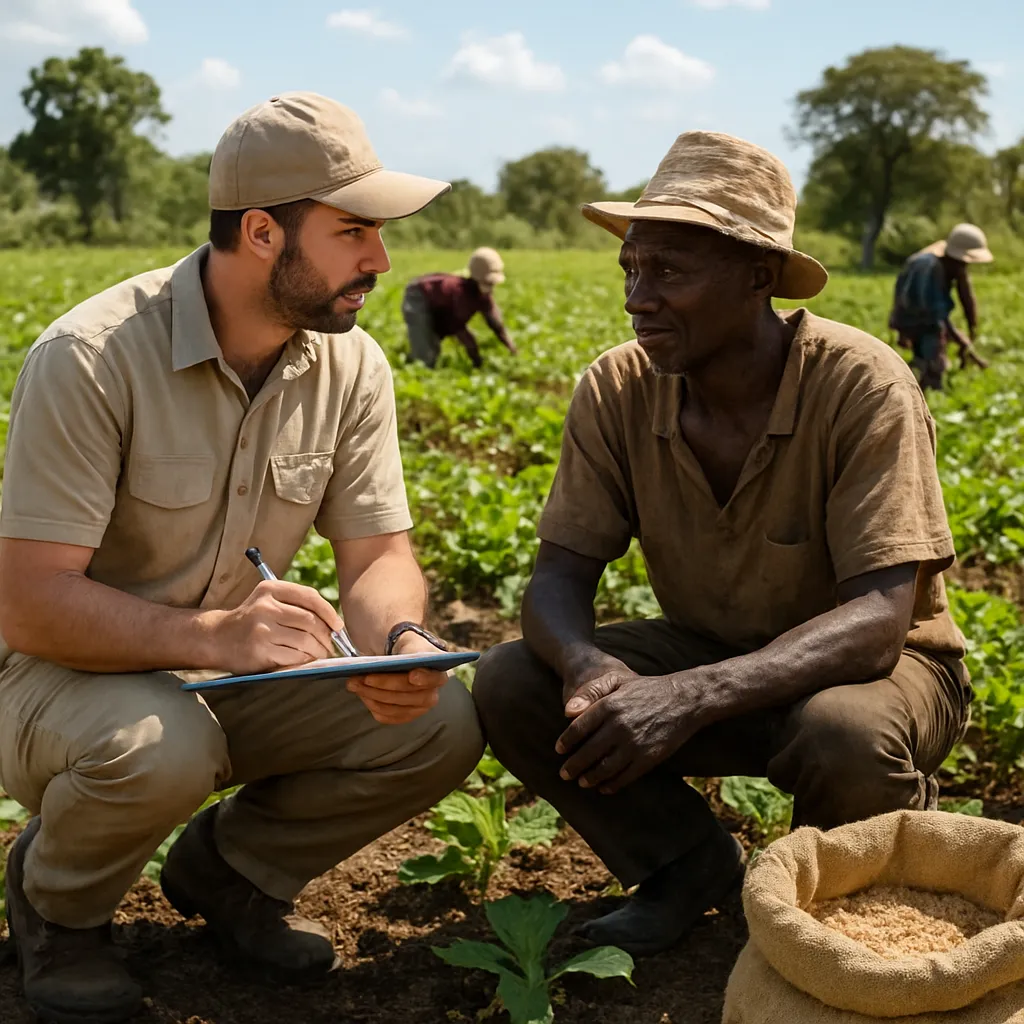
Farmers who cultivate a wider portfolio of crops can tap into new markets—organic grains, specialty vegetables or niche legumes—thus improving their livelihood. Rural communities benefit from year-round employment, diversified diets and stronger local economies. Women and youth, often excluded from mainstream agri-business, find opportunities in seed saving, processing and marketing value-added products.
Implementing and Scaling Crop Diversity
Policy and Institutional Support
Governments can incentivize diversity by aligning subsidy programs with agroecological goals. Investments in extension services, research institutions and rural infrastructure underpin farmer capacity to trial and adopt varied cropping models. International collaborations—through platforms like the FAO’s Global Plan of Action for Plant Genetic Resources—facilitate germplasm exchange and knowledge sharing.
Participatory Approaches and Farmer Networks
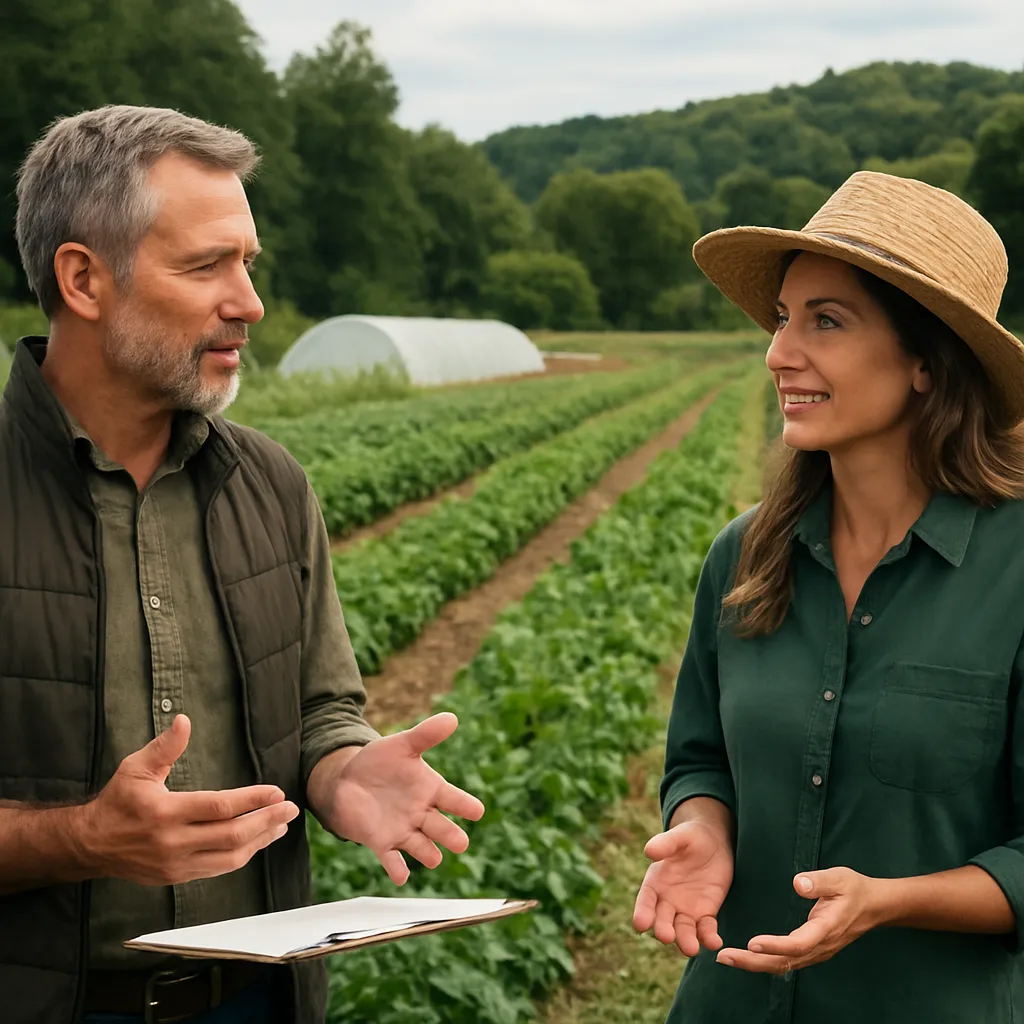
Empowering farmers to lead variety trials and breeding accelerates the development of locally adapted crops. Farmer Field Schools, seed fairs and cooperative seed production networks foster collective learning and trust. Such bottom-up strategies ensure that diversity initiatives address on-the-ground realities and cultural preferences.
Technological Innovations
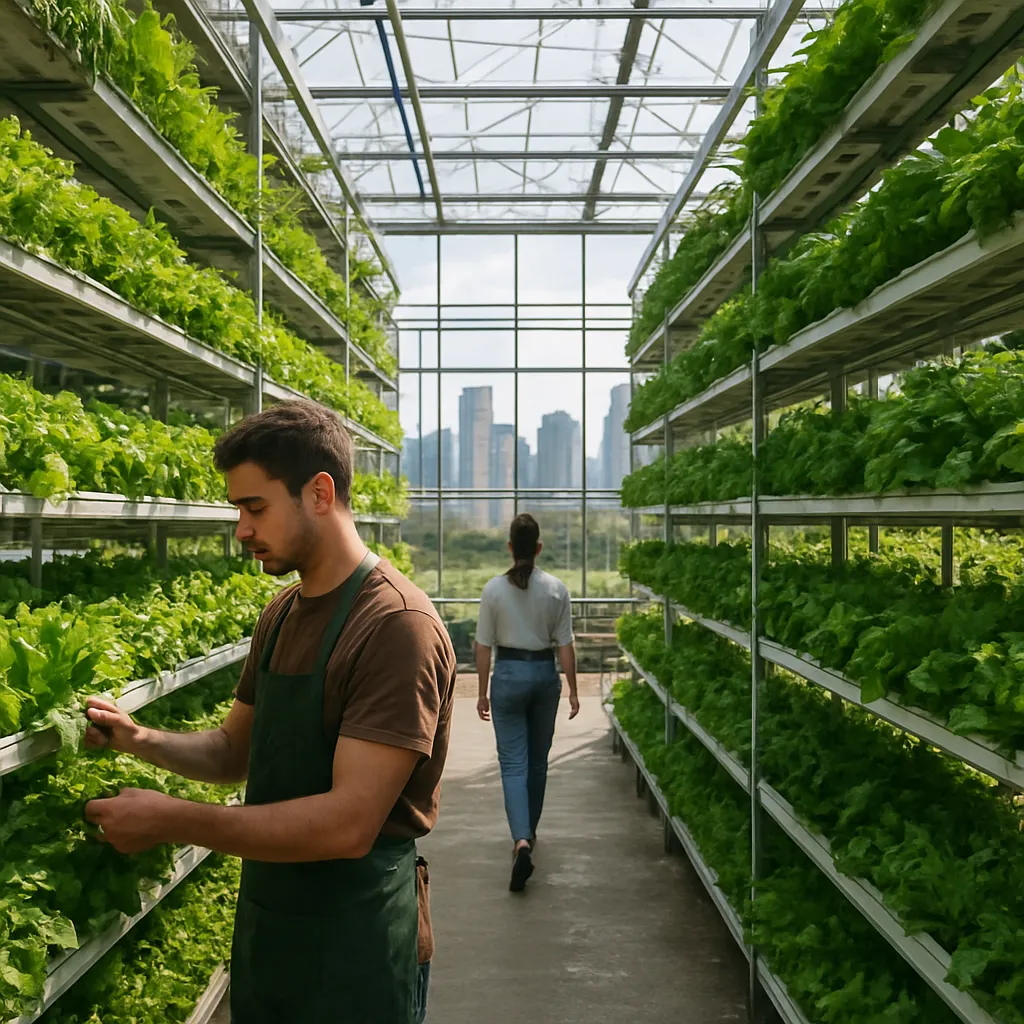
Digital tools can map agroecological zones, predict pest incursions and optimize crop combinations. Mobile applications connect farmers to real-time weather forecasts, market data and peer communities. Biotechnology, when applied responsibly, offers precision methods for enhancing traits without sacrificing genetic breadth.
Challenges and Future Directions
Overcoming Market and Cultural Barriers
Global trade systems often favor a handful of commodity crops, creating price incentives that discourage on-farm diversity. To reverse this trend, stakeholders must build demand for underutilized species—ancient grains, indigenous pulses and specialty fruits—through consumer awareness campaigns and value chain development.
Balancing Productivity and Conservation
While diversifying, producers must ensure that yield goals are met. Research into optimized rotations and density-driven intercropping can reconcile high output with ecological integrity. Public–private partnerships play a role in scaling innovations that harmonize productivity with resource stewardship.
Adapting to Climate Uncertainty
Anticipatory frameworks, such as climate-resilient variety libraries and scenario planning, help systems remain flexible. By integrating global climate models with local observations, decision-makers can forecast emerging threats and guide breeding priorities accordingly.
Embracing a Diversity Mindset
An agricultural paradigm rooted in polycultures, seed sovereignty and ecosystem health promises not just survival under stress, but thriving landscapes that nourish humanity and nature alike. The journey toward resilient global farming systems demands collaboration, innovation and a steadfast commitment to celebrating and stewarding the planet’s rich tapestry of crops.