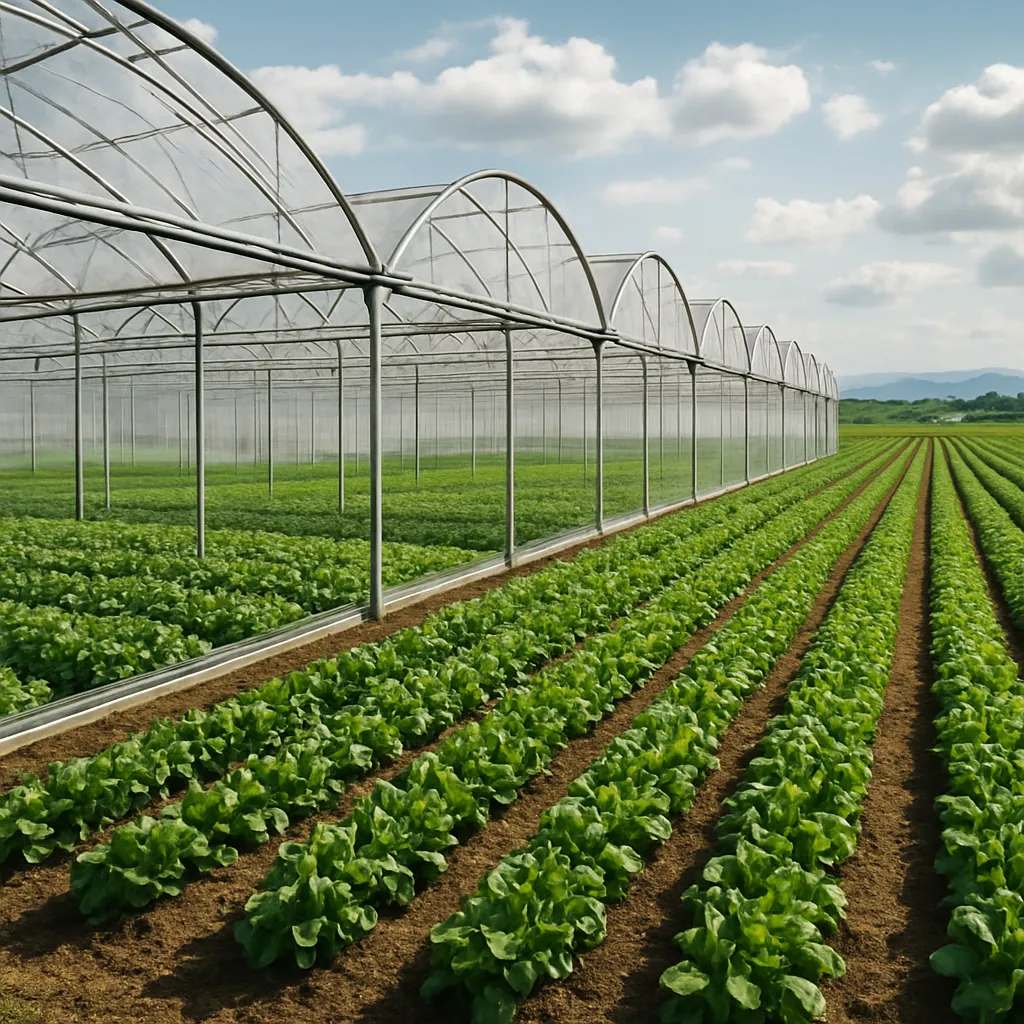
Climate change is redefining the landscape of global agriculture, pushing farmers, scientists, and policymakers to adopt innovative strategies. Emerging **climate-resilient** crops play a pivotal role in securing food production, promoting **sustainability**, and safeguarding the livelihoods of billions who depend on **world farms**. Through a blend of traditional breeding, cutting-edge **genomics**, and ecosystem-based approaches, the agricultural community is charting a dynamic path toward a more resilient future.
Harnessing Genetic Diversity for Resilient Variety Development
The foundation of **climate-resilient** crop improvement lies in leveraging the vast reservoir of genetic diversity present in wild relatives and landraces. Centuries-old farming communities have preserved seeds exhibiting superior tolerance to heat, salinity, and drought. Modern researchers are now unlocking these traits through advanced breeding.
- Drought-resistance genes: Introgression of specific alleles that minimize water loss and optimize root architecture.
- High-yield potential: Identifying quantitative trait loci (QTLs) that balance productivity with stress tolerance.
- Biofortification: Enhancing nutrient density in staple crops to combat micronutrient deficiencies under changing climates.
By applying marker-assisted selection and genome editing tools such as CRISPR-Cas9, scientists can accelerate the breeding cycle. This approach avoids lengthy trial-and-error processes, allowing for rapid deployment of new varieties tailored to regional challenges. Partnerships between international centers and local research institutions ensure that these improved seeds are validated under real-world conditions.
Innovative Farming Practices and Technology Integration
Beyond seed development, agronomic practices must evolve to maximize the potential of resilient varieties. The integration of **precision agriculture** technologies, soil health management, and **crop diversification** strategies can transform how farms operate.
Precision Monitoring and Data-Driven Decisions
- Remote sensing and IoT: Satellites and field sensors track moisture levels, enabling targeted irrigation and fertilizer application.
- Machine learning models: Predictive analytics forecast pest outbreaks and yield outcomes based on weather patterns.
- Automated equipment: Drones and autonomous tractors reduce labor demands and optimize field operations.
These innovations minimize resource waste and bolster resilience against unpredictable climate events. In East Africa, smallholder farmers utilize smartphone apps that combine weather forecasts with pest alerts, enabling rapid response to emerging threats.
Soil Health and Agroecological Practices
Maintaining vibrant **agroecosystems** is critical for long-term farm productivity. Healthy soils store more carbon, retain moisture, and support diverse microbial communities that aid plant growth. Key practices include:
- Conservation tillage: Reduces erosion and preserves soil structure.
- Cover cropping: Shields the soil from extreme temperatures while adding organic matter.
- Integrated pest management: Combines biological controls with minimal chemical inputs to protect beneficial insects.
Adoption of these methods not only enhances resilience but also aligns with global commitments to reduce greenhouse gas emissions and protect biodiversity.
Policy Frameworks and International Collaboration
Effective change demands supportive **policy instruments** and multi-level cooperation. Governments, NGOs, and private sector **stakeholders** must coalesce around shared objectives to scale up climate-resilient agriculture.
National Strategies and Incentives
Several countries are crafting dedicated climate-smart agriculture (CSA) policies that:
- Offer subsidies for certified climate-resilient seeds.
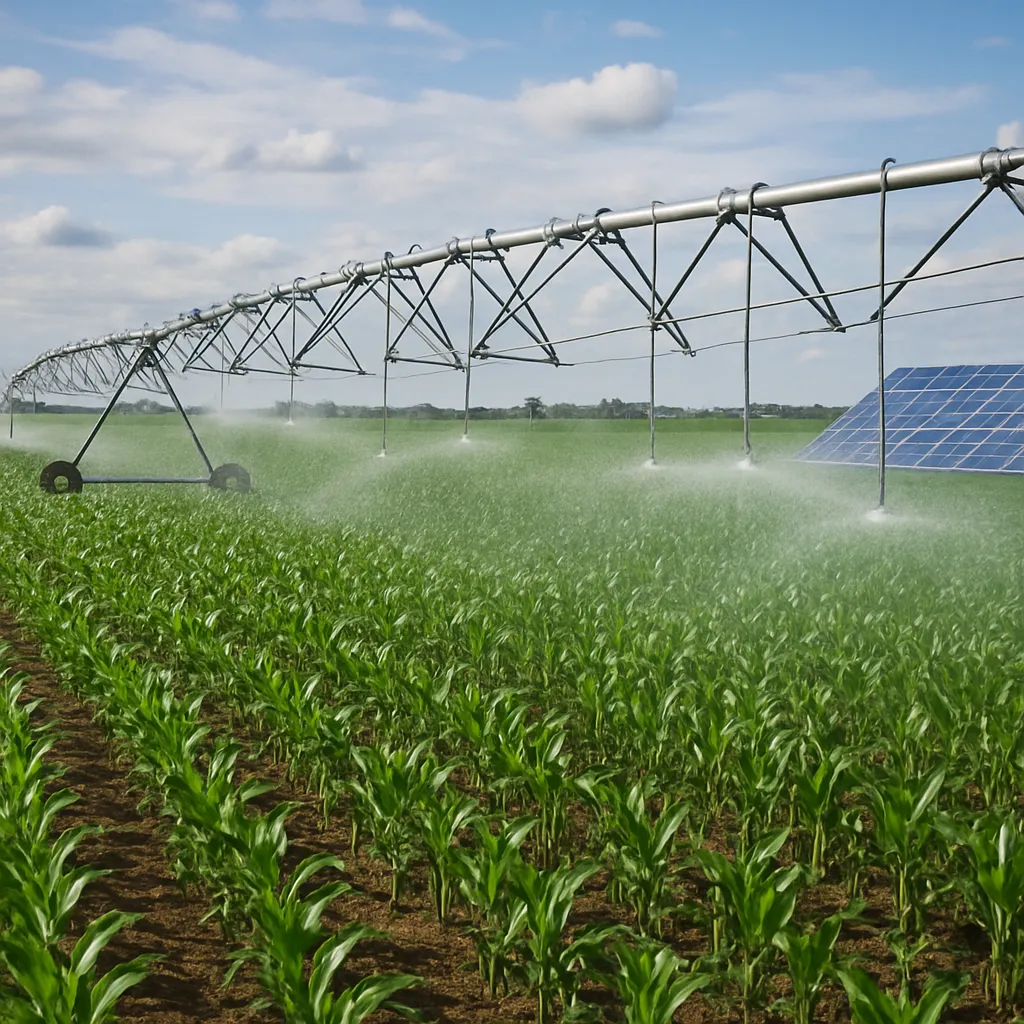
- Provide tax credits for investments in water-conserving irrigation systems.
- Establish insurance schemes that cover losses from extreme weather events.
Such measures encourage farmers to adopt innovative technologies while safeguarding their incomes against the uncertainties of climate variability.
Global Alliances and Knowledge Sharing
International platforms facilitate the exchange of research findings, germplasm, and best practices. Key initiatives include:
- The Global Crop Diversity Trust, which preserves vital seed collections for future breeding.
- COP summits that integrate agriculture into national climate action plans.
- Public-private partnerships funding on-the-ground trials in vulnerable regions.
By mobilizing resources and expertise, these collaborations accelerate the development and dissemination of **climate-resilient** solutions worldwide.
Community Engagement and Capacity Building
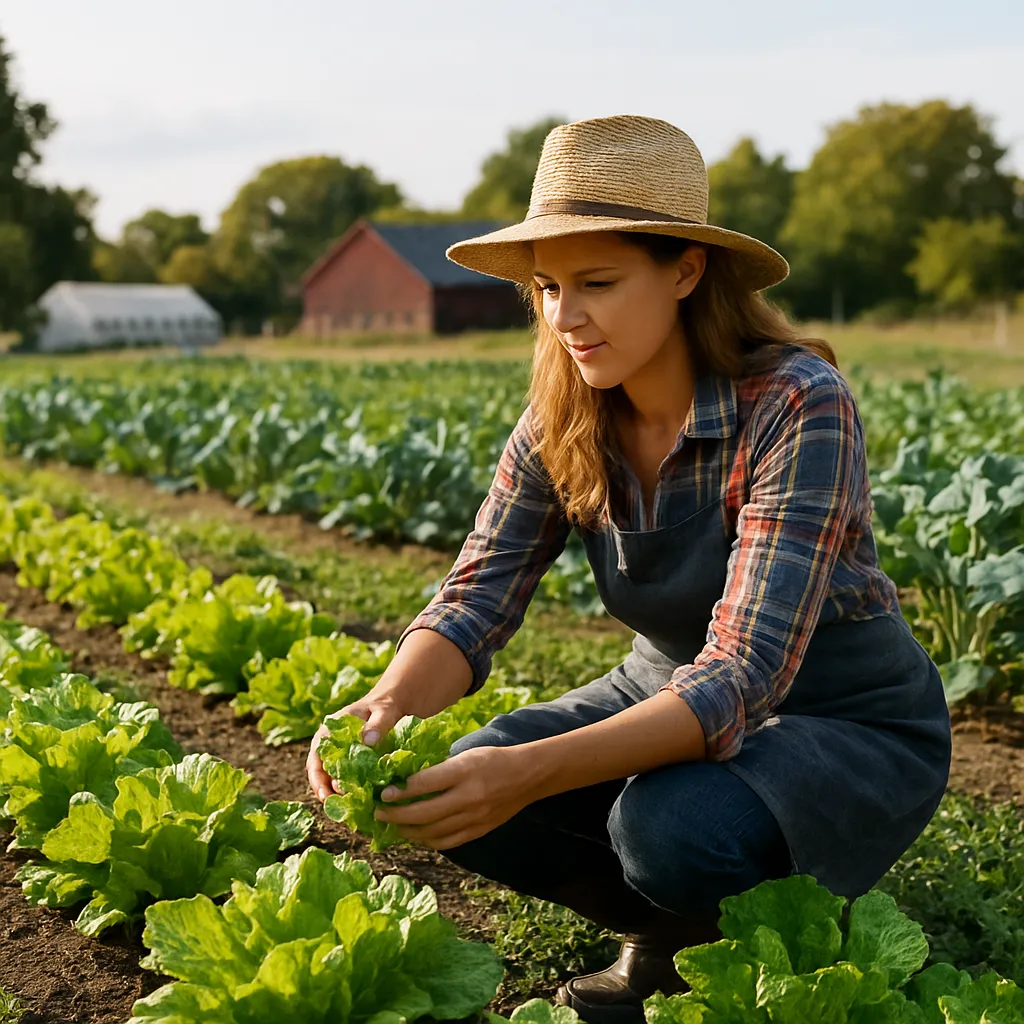
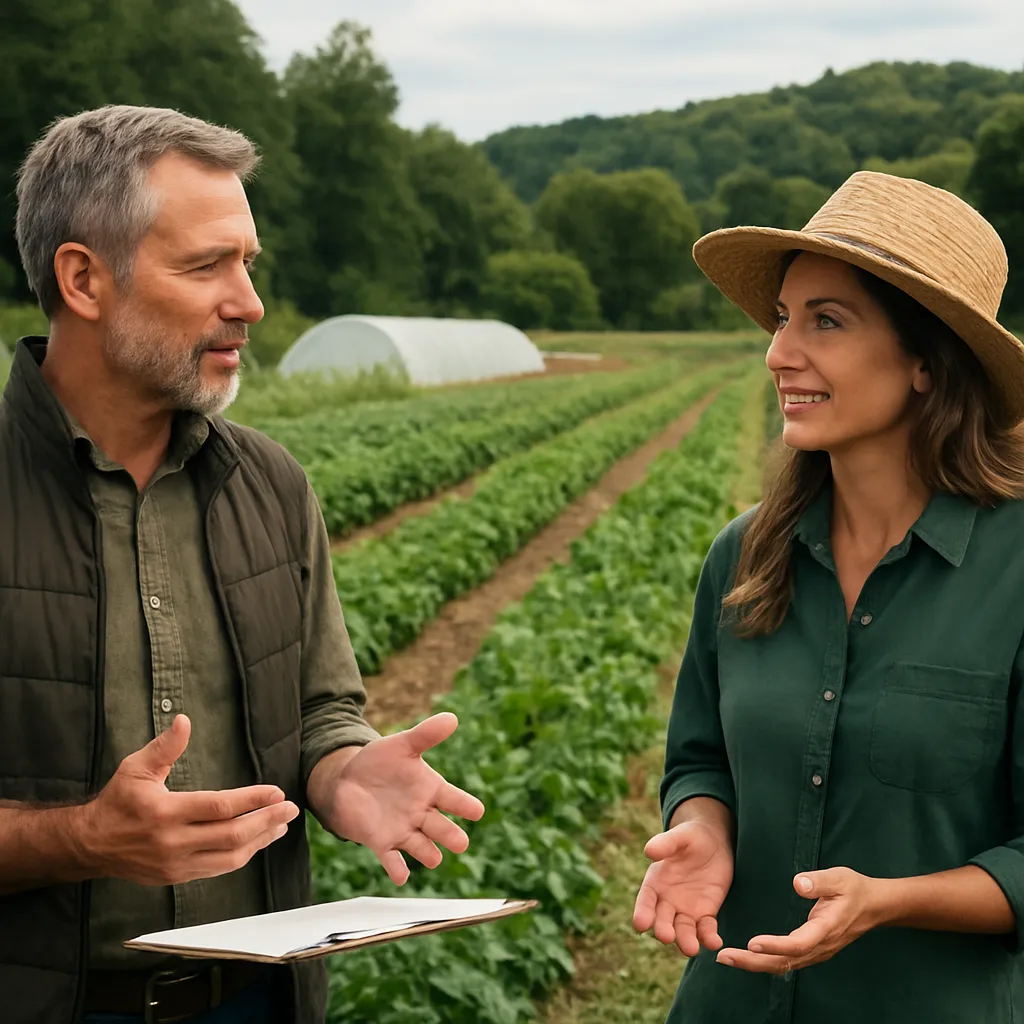
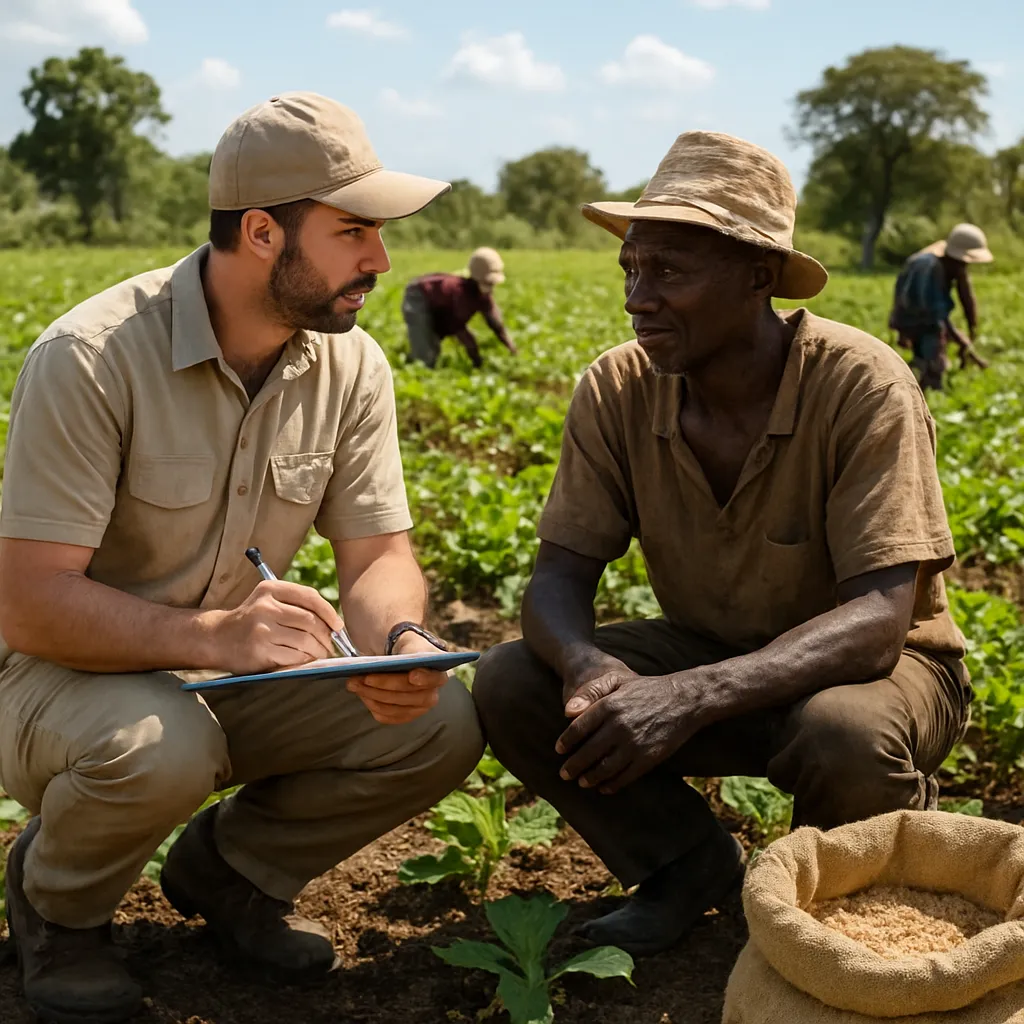
Empowering local farming communities is essential for sustained impact. Extension services, farmer field schools, and participatory research ensure that innovations meet on-the-ground needs.
- Training programs: Equip farmers with skills in seed selection, nursery management, and digital tools.
- Demonstration plots: Showcase performance of resilient varieties under varying climatic conditions.
- Farmer cooperatives: Pool resources for bulk purchasing, marketing, and risk-sharing.
Such grassroots efforts foster ownership and enhance the resilience of rural livelihoods against climate shocks.
Underpinning Sustainability Through Multi-Dimensional Approaches
Addressing food security, environmental conservation, and socio-economic stability requires a holistic vision. **Sustainability** in global agriculture extends beyond yield increases; it encompasses equitable access to resources, fair labor practices, and reduced ecological footprint.
- Water stewardship: Implementing drip irrigation and rainwater harvesting to reduce stress on freshwater ecosystems.
- Energy efficiency: Transitioning to renewable energy sources for processing and transportation.
- Value chain integration: Ensuring smallholders receive fair prices and have access to markets.
Collectively, these measures build resilience at farm, community, and regional levels, creating a stable platform for future growth.
Emerging Frontiers and Future Prospects
The intersection of biotechnology, artificial intelligence, and **agroecology** promises next-generation solutions. Researchers are exploring:
- Microbiome engineering to enhance nutrient uptake and disease resistance.
- Smart breeding platforms that simulate climate scenarios and predict varietal performance.
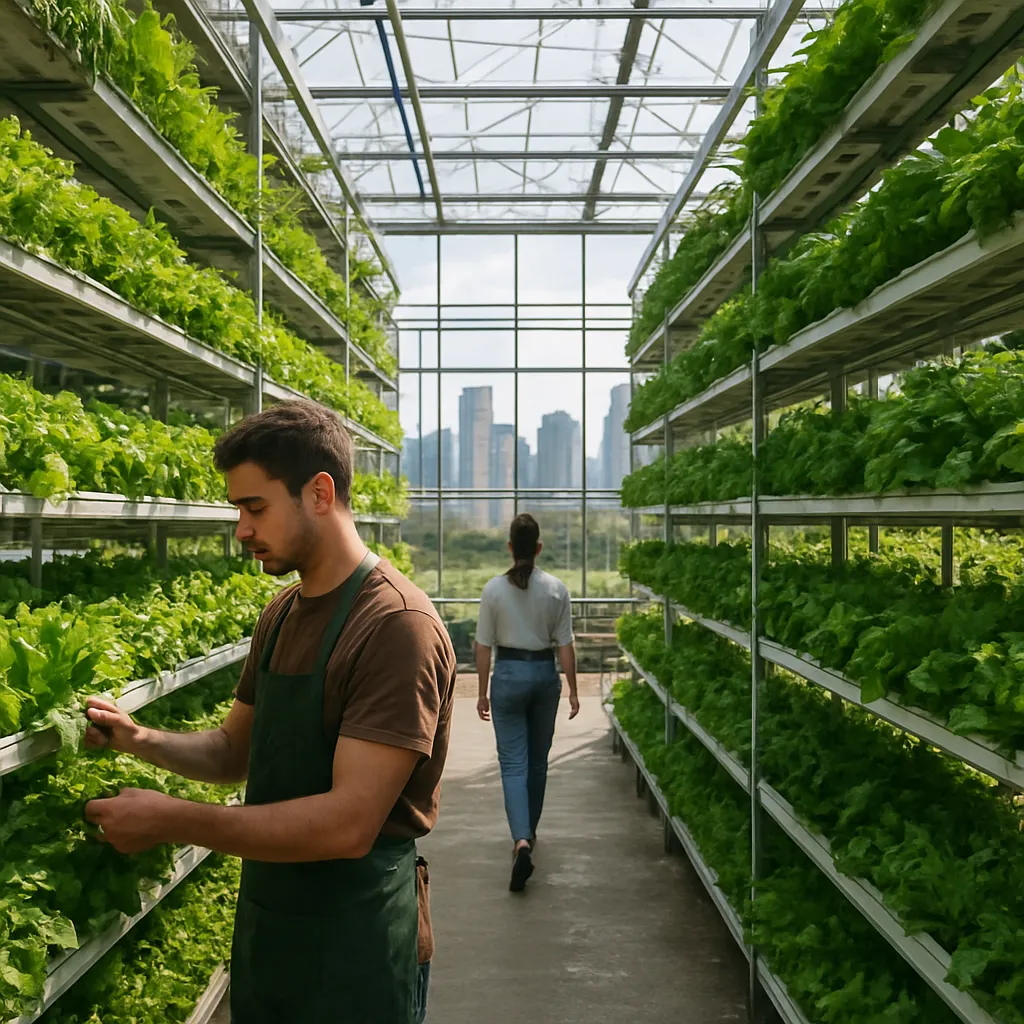
- Urban farming models that reduce carbon footprints and bring production closer to consumers.
As these frontiers advance, the agricultural sector will continue to adapt, ensuring that resilience and productivity go hand in hand. By embracing innovation, collaboration, and a deep respect for ecological processes, **world farms** can thrive in an era of unprecedented climatic change.