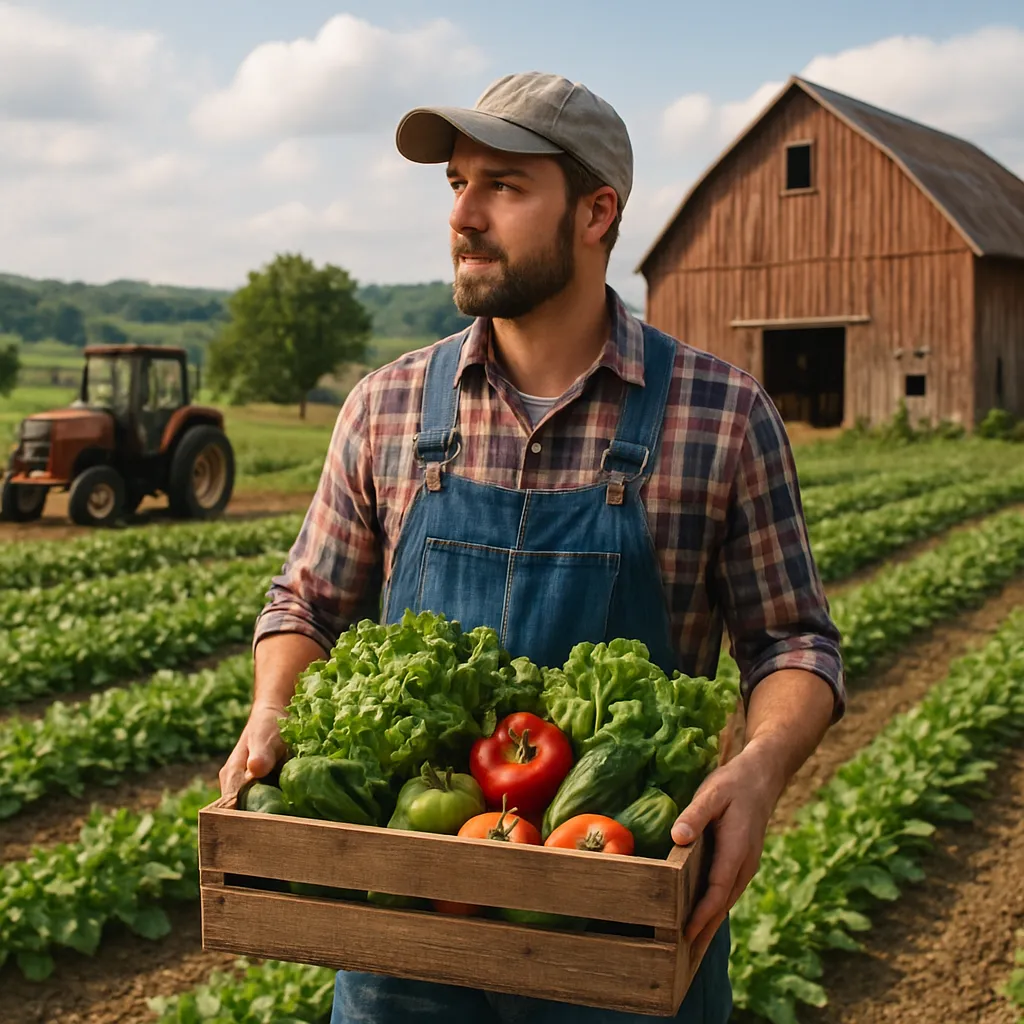
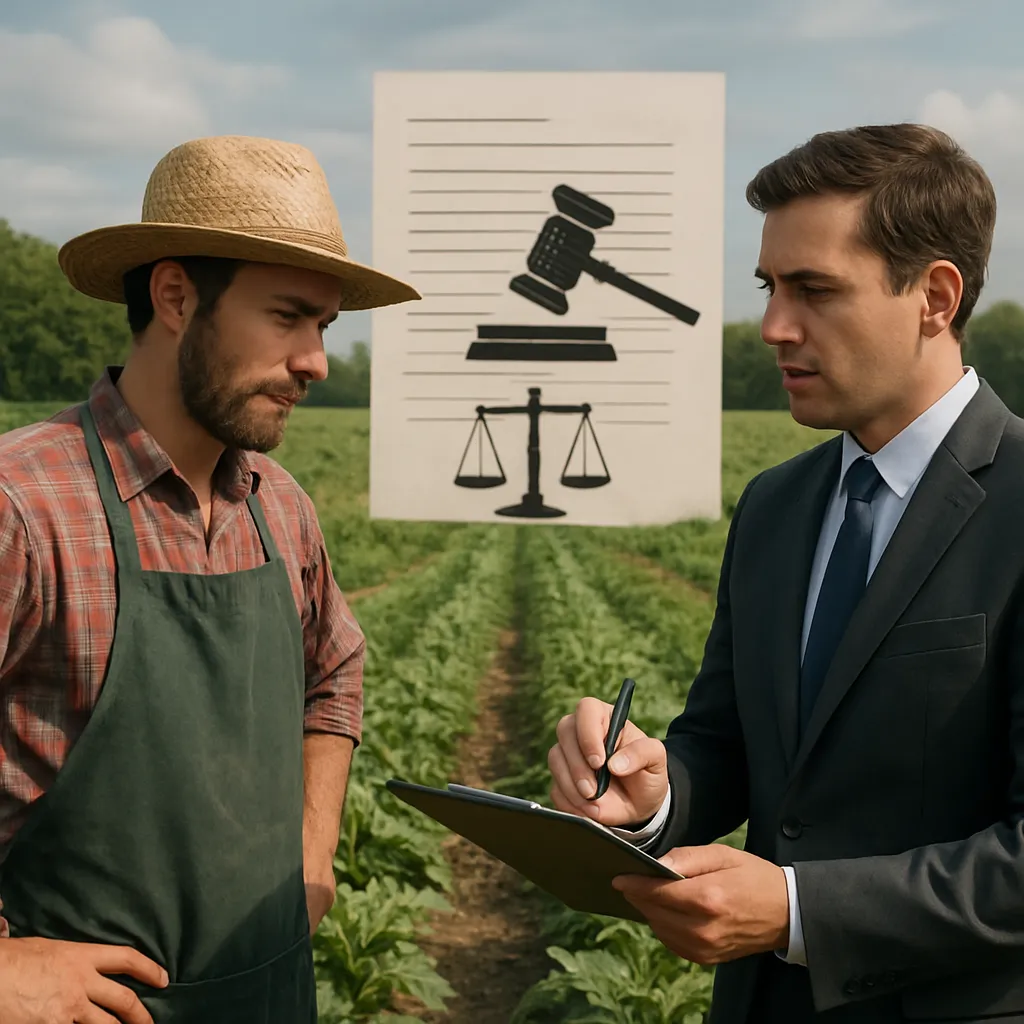
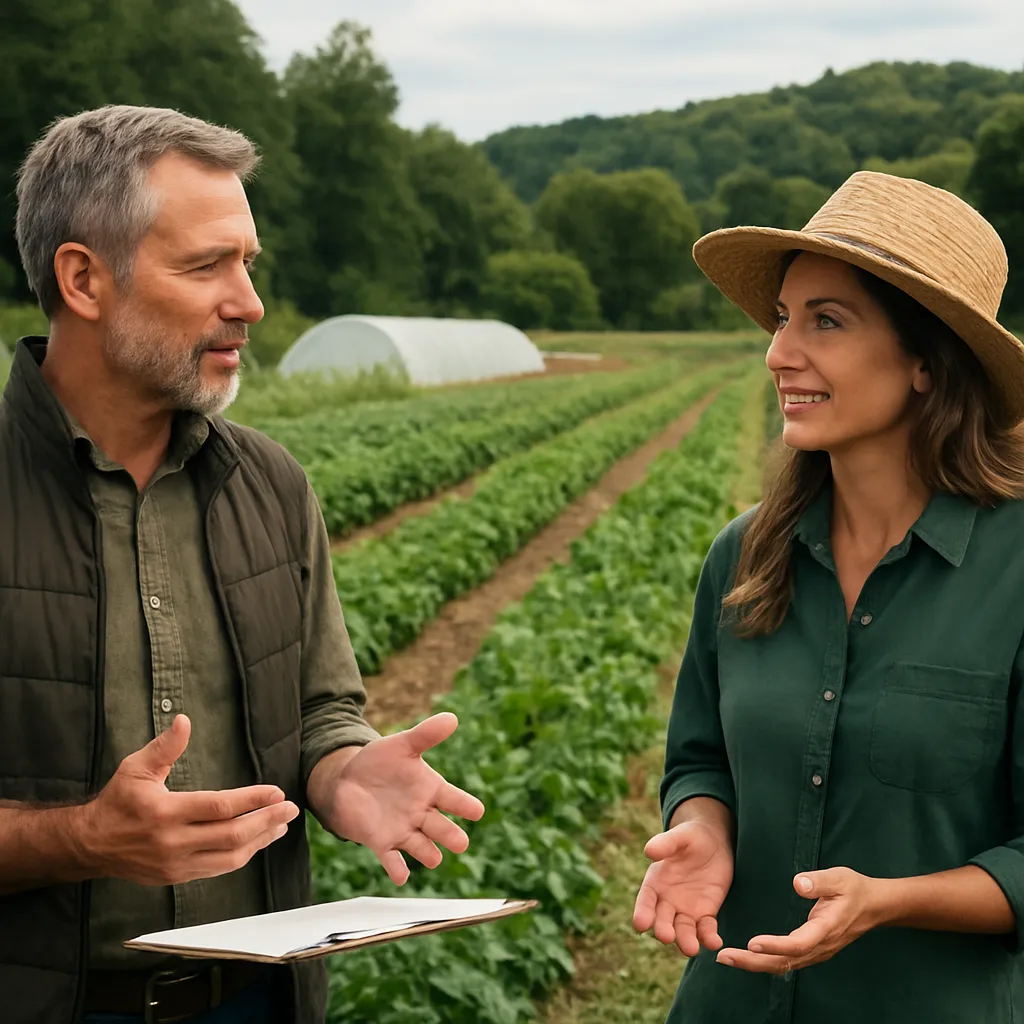
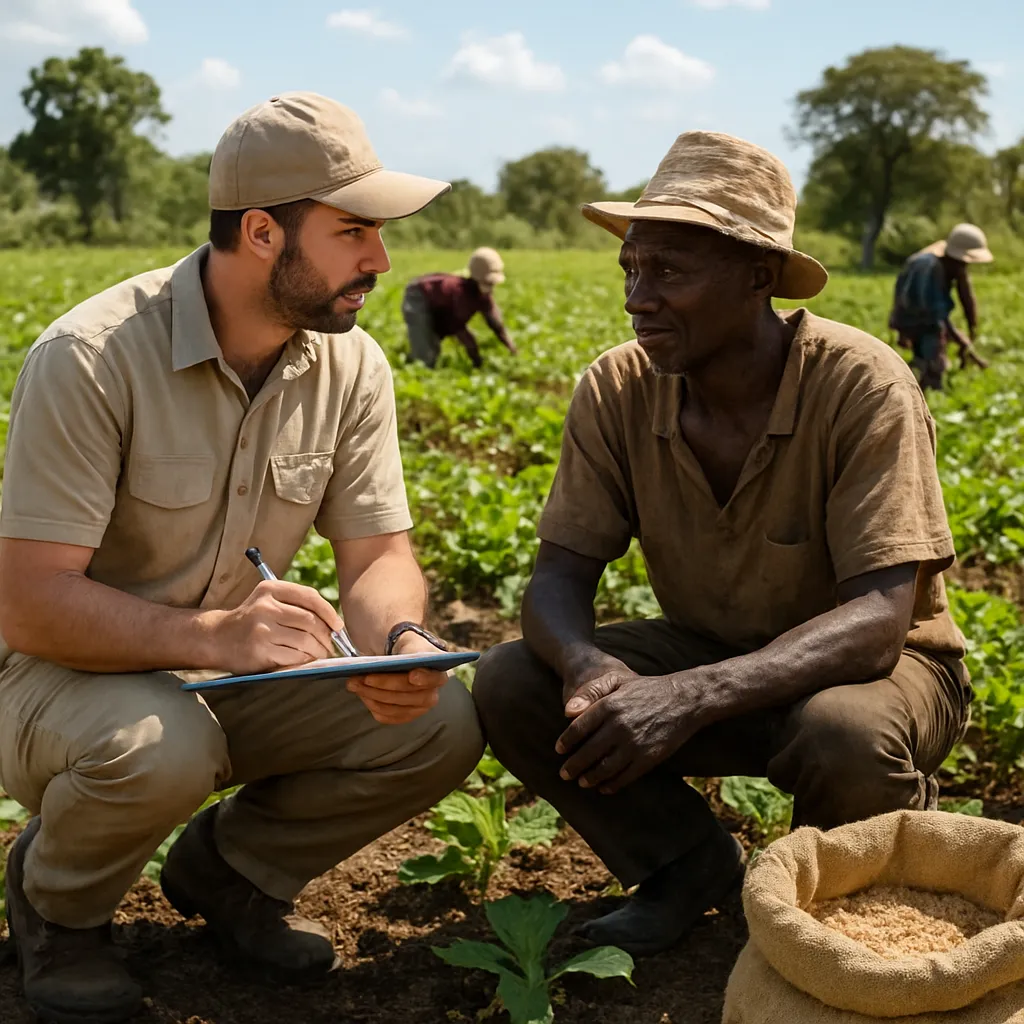
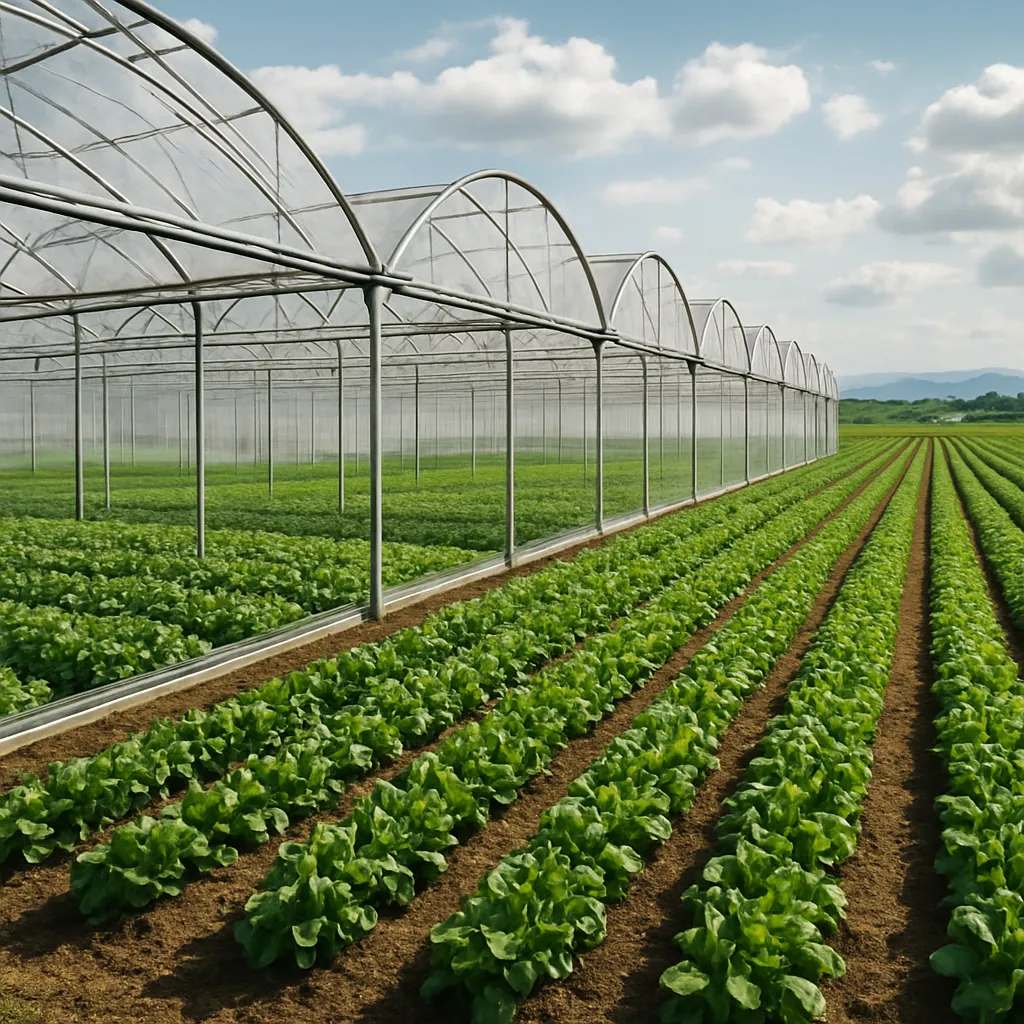
Global food supply chains have become increasingly complex, stretching across continents and involving myriad stakeholders from farm to table. With consumers demanding higher standards of quality, safety, and ethical sourcing, the need for transparency has never been greater. Traditional systems relying on paper records and siloed databases can falter under pressure, leading to issues such as fraud, contaminated produce, and waste. However, blockchain technology offers a revolutionary approach to solving these challenges by leveraging distributed ledgers and smart contracts to create immutable, real-time records. This article explores how blockchain is transforming world farms, improving traceability, and fostering greater trust among participants.
Origins of Complexity and Challenges in Global Food Supply Chains
Modern food supply chains involve multiple stages, from planting and harvesting on farms to processing, packaging, distribution, and retail. Each stage may include independent actors across various jurisdictions, which introduces logistical challenges and potential vulnerabilities. Key pain points include:
- Inaccurate or lost documentation due to paper-based record keeping.
- Lack of standardized data formats, leading to poor interoperability between systems.
- Difficulty tracing the origin of contaminated or counterfeit products.
- Delays in detecting spoilage or quality issues, resulting in significant waste.
- Limited consumer visibility into the ethical and environmental practices of producers.
Such issues not only threaten food safety but also undermine consumer confidence. Governments and industry bodies have responded with stricter regulations, yet without robust, unified tracking tools, compliance remains cumbersome and costly. In this context, blockchain emerges as a promising solution to address core inefficiencies and elevate the resilience of global food networks.
Blockchain as a Solution for Traceability and Transparency
By design, blockchain is a decentralized database that records transactions in a series of linked blocks. Each new record references the previous block through cryptographic hashing, ensuring that historical data cannot be altered without detection. This fundamental property provides the bedrock for enhanced traceability in agricultural supply chains.
Distributed Ledger Technology
With a distributed ledger, every authorized participant—from farmers and processors to distributors and retailers—maintains a synchronized copy of the complete transaction history. Key benefits include:
- Immutable records of provenance, guaranteeing that claims about origin or quality cannot be falsified.
- Real-time visibility into the status of goods, enabling swift intervention when issues arise.
- Enhanced collaboration across stakeholders through permissioned access, while preserving data privacy.
Smart Contracts and Automation
Smart contracts are self-executing code snippets stored on the blockchain that trigger predefined actions when conditions are met. In world farms, these can automate tasks such as:
- Release of payment upon delivery confirmation, reducing financial inefficiencies and disputes.
- Automatic certification updates when goods pass quality inspections, reinforcing regulatory compliance.
- Conditional price adjustments based on environmental metrics, walking toward more sustainable agriculture.
By eliminating intermediaries and manual checks, smart contracts strengthen trust and accelerate transaction cycles, benefiting smallholders and large agribusinesses alike.
Case Studies of Blockchain Implementation in Agriculture
Several pioneering projects have demonstrated the tangible impact of blockchain on food supply chains. These real-world applications underscore how integrating this technology can enhance provenance, reduce risk, and optimize logistics.
Fresh Produce: Farm-to-Fork Tracking
A leading produce exporter implemented a blockchain solution to trace leafy greens from farms in Latin America to supermarkets in North America and Europe. Each batch is assigned a QR code linked to data points including:
- Planting date and location.
- Organic certification audits.
- Temperature logs during refrigerated transport.
- Customs clearance timestamps.
Consumers scan the code in-store to review the entire journey of their salad, building confidence in product authenticity and safety. Retailers, in turn, swiftly identify and isolate problem lots during recall events, minimizing public health risks.
Meat and Dairy: Ensuring Ethical Standards
In the livestock sector, animal welfare and antibiotic use are critical concerns. A cooperative of dairy farmers adopted a blockchain platform to record:
- Animal health checks and vaccination records.
- Feed composition and origin, ensuring compliance with humane and sustainable feed standards.
- Milking schedules and pasteurization details.
By granting consumers access to this information via mobile apps, brands differentiate themselves through demonstrated commitment to ethical practices. Regulators also monitor compliance more efficiently, reducing the burden of manual inspections.
Seafood: Combatting Illegal, Unreported, and Unregulated Fishing
Illegal fishing depletes marine resources and threatens coastal economies. A consortium of fishers, processors, and NGOs piloted a blockchain-based traceability system where fish are tagged at the point of catch using electronic identifiers. Critical features include:
- Geolocation data capturing the exact coordinates of each catch.
- Species verification through integrated IoT sensors.
- Chain-of-custody records during processing and export.
This transparent framework deters illicit activity, supports sustainable quotas, and elevates consumer trust in certified sustainable seafood products.
Future Prospects and Innovations in Blockchain for World Farms
The intersection of blockchain with emerging technologies promises further advancements in global agriculture. Anticipated innovations include:
- IoT Integration: Sensor networks feeding real-time environmental data to blockchains for dynamic quality assessments.
- AI-Driven Analytics: Machine learning models analyzing blockchain data to predict disease outbreaks or yield fluctuations.
- Interoperable Standards: Cross-platform protocols that allow diverse blockchain networks in the agri-sector to exchange data securely.
- Tokenized Incentives: Digital tokens rewarding farmers for sustainable practices, such as reduced water usage or biodiversity preservation.
By harnessing these breakthroughs, stakeholders across the food ecosystem can cultivate a more resilient, efficient, and ethical supply chain. The journey toward comprehensive transparency may be complex, but blockchain technology has already demonstrated its capacity to transform world farms and build lasting trust from soil to shelf.