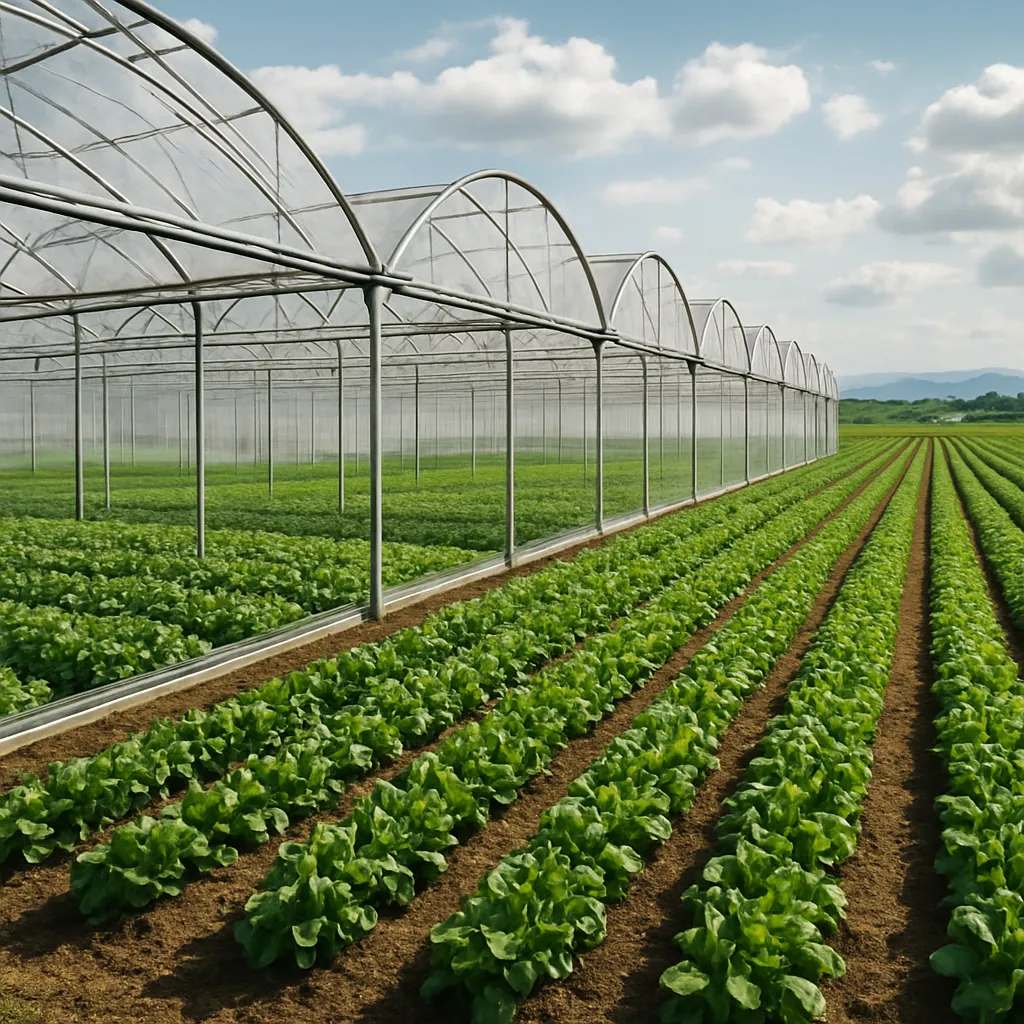
As agriculture evolves, machines equipped with advanced technologies are beginning to reshape how farms operate around the globe. Autonomous tractors are at the forefront of this transformation, combining robust engineering with cutting-edge digital systems. Farmers and agribusinesses are witnessing a paradigm shift in operational practices, labor allocation, and environmental stewardship. This article explores the revolutionary potential of driverless machinery and its implications for the future of farming.
Technological Innovations in Autonomous Tractors
Recent advancements in hardware and software have enabled the development of tractors that can navigate fields with minimal human intervention. Integrating sensors, GPS modules, and sophisticated algorithms, these machines achieve precise control over steering, speed, and implement operation. Manufacturers are leveraging deep learning and machine vision to identify obstacles, assess crop health, and adjust field patterns dynamically.
Sensor Arrays and Machine Vision
- High-resolution cameras capture real-time imagery for object detection and crop recognition.
- Lidar and radar systems measure distance, terrain contours, and potential hazards with sub-centimeter accuracy.
- Soil-moisture probes and nutrient analyzers gather data to guide variable-rate applications.
Autonomous Navigation Systems
Global Navigation Satellite Systems (GNSS) deliver centimeter-level positioning. Coupled with inertial measurement units (IMUs), tractors can follow preprogrammed paths or adapt routes based on field conditions. Connectivity through cellular or satellite networks allows remote monitoring and updates, ensuring machines remain on track. In-field edge computing reduces latency, enabling real-time decision-making without reliance on constant cloud connectivity.
Impact on Farm Efficiency and Sustainability
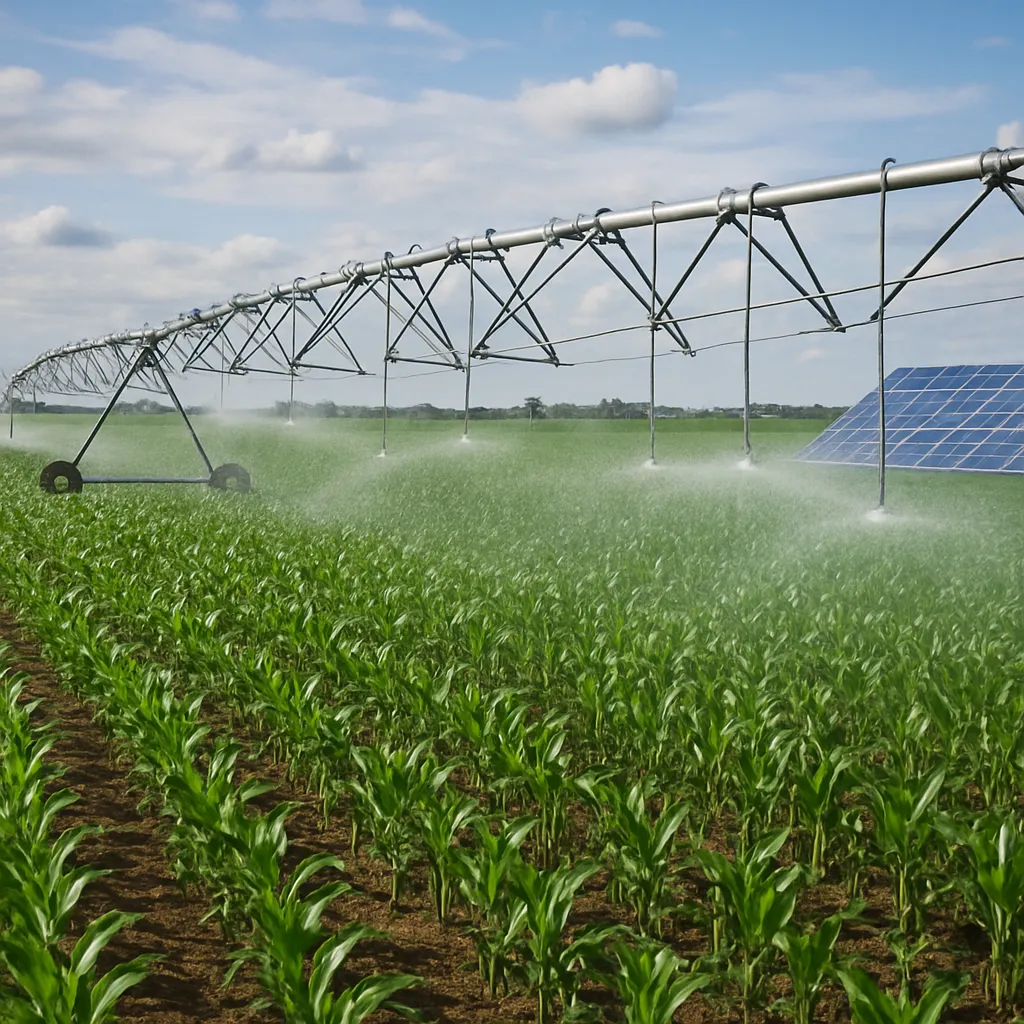
Autonomous tractors are redefining efficiency metrics across multiple dimensions. By optimizing every pass over a field, these vehicles minimize overlaps and gaps, delivering unparalleled precision. This directly enhances input utilization—fertilizers, pesticides, and water—leading to lower costs and reduced environmental footprints.
Labor and Operational Costs
- Self-driving tractors operate around the clock, maximizing fieldwork windows and mitigating labor shortages common in rural areas.
- Remote supervision allows a single operator to oversee multiple machines simultaneously, cutting down on labor expenses.
- Predictive maintenance algorithms forecast wear and tear, ensuring timely servicing and preventing costly breakdowns.
Environmental Benefits
Precision placement of seed and agrochemicals prevents excessive applications that could lead to runoff or leaching. With tailored field passes, soil compaction is minimized, promoting healthier root development and improved water infiltration. Farmers can implement complex crop rotations and cover cropping strategies more reliably, bolstering overall sustainability.
Yield Improvement and Resource Management
Data collected by autonomous machines feeds into farm management platforms, offering actionable insights for optimizing planting density and nutrient timing. Enhanced field uniformity often translates into higher average yield and quality. Efficient resource allocation reduces waste while maximizing output, embodying the principles of smart agriculture and circular economy practices.
Challenges and Future Prospects
Despite rapid progress, several hurdles remain before driverless tractors become ubiquitous. Regulatory frameworks, safety standards, and data security concerns must be addressed. Additionally, smaller farms may face barriers due to high initial investment costs and limited infrastructure.
Regulatory and Safety Considerations
- National and local agencies are developing guidelines for autonomous vehicle operation on public roads and private land.
- Fail-safe protocols and geofencing prevent unintended entry into sensitive areas or collisions with humans and livestock.
- Standardization of communication protocols ensures interoperability between brands and service providers.
Economic and Social Implications
While large-scale farms may rapidly adopt autonomous solutions, smallholders require tailored financing models and education initiatives. Cooperative ownership schemes and rental services can lower the barrier to entry. Workforce upskilling programs will be essential, shifting labor demands from manual tasks to roles in monitoring, analysis, and system maintenance.
Emerging Trends and Research Directions
Innovation continues at a brisk pace. Researchers are exploring swarm robotics, where multiple autonomous units collaborate on planting, weeding, and harvesting. Integration with drone-based scouting and satellite imagery promises even richer datasets for real-time decision support. Advances in battery technology and hydrogen fuel cells are extending operational ranges, making off-grid applications more viable.
The convergence of robotics, artificial intelligence, and agronomy is ushering in a new era for global agriculture. As autonomous tractors become more robust, affordable, and user-friendly, they will empower farmers to achieve unprecedented levels of efficiency, sustainability, and profitability. This transformation holds the promise of meeting the world’s growing food demands while safeguarding natural resources for future generations.