The global demand for protein continues to climb as populations expand and dietary preferences evolve. Traditional fisheries alone cannot satisfy this appetite, driving the rise of aquaculture as a major contributor to food provision. By cultivating aquatic species such as fish, shellfish, and seaweed, farms on and offshore are delivering nutritious products while shaping the future of global food security.
Aquaculture’s Role in Feeding the World
Seafood from aquaculture already accounts for over half of all fish consumed globally. As wild stocks decline, farmed products fill the gap and offer a reliable supply of high-quality protein. Key benefits include:
- Nutrition: Fish and shellfish are rich in omega-3 fatty acids, vitamins, and minerals essential for human health.
- Year-round production: Controlled environments allow for consistent yields, independent of seasonal fishing cycles.
- Resource efficiency: Compared with terrestrial meat, many aquaculture species convert feed into edible protein more effectively, reducing pressure on crops and freshwater resources.
Regions from Southeast Asia to Latin America have embraced fish farms on ponds, cages, and recirculating systems, creating local food hubs and promoting affordability in both urban and rural markets. As operations scale, smallholder families gain new income streams, while consumers benefit from lower prices.
Advancements in Sustainable Practices
The sector’s rapid expansion has raised concerns about environmental impacts. However, innovations aimed at sustainability are transforming farm design and management:
Improved Feed Formulations
- Replacing wild-caught fishmeal with plant-based proteins and insect meals reduces pressure on marine ecosystems.
- Boosting feed conversion ratios through precise nutrition minimizes waste and water pollution.
Eco-friendly System Designs
- Recirculating Aquaculture Systems (RAS) treat and reuse water, lowering effluent discharge and pathogen risks.
- Integrated Multi-Trophic Aquaculture (IMTA) co-cultivates species—such as seaweed and shellfish—that absorb waste nutrients, enhancing overall ecosystem health.
Genetic Selection and Health Management
- Selective breeding yields strains with faster growth and greater disease resistance, improving farm productivity.
- Vaccination and biosecurity protocols reduce antibiotic use and curb harmful outbreaks.
By adopting these measures, the industry strengthens its resilience to environmental fluctuations and regulatory pressures, ensuring a non-stop supply chain for consumers worldwide.
Economic and Social Impacts
Beyond food supply, aquaculture generates ripple effects across diverse communities. Key social and economic advantages include:
- Job creation: From hatchery technicians to distribution networks, the sector employs millions, often in underdeveloped regions.
- Rural development: Small-scale fish farms empower families with entrepreneurship opportunities, reducing urban migration.
- Gender equality: Women participate actively in processing, marketing, and management, fostering social inclusion.
On a macroeconomic level, export revenues from cultivated seafood strengthen national economies. Countries like Norway, Chile, and Vietnam rely heavily on farmed fish for foreign exchange, demonstrating the global significance of innovation in sector growth.
Challenges and Future Directions
Despite its promise, aquaculture faces obstacles that demand coordinated action:
- Environmental concerns: Escapes of non-native species and waste discharges can harm wild populations and habitats.
- Feed security: Competition for feed ingredients with livestock and human food chains drives up costs.
- Climate change: Temperature shifts and extreme weather events threaten farm stability and productivity.
To navigate these challenges, stakeholders are exploring transformative strategies:
Technological Integration
- IoT sensors and AI analytics optimize water quality, growth rates, and disease detection in real time.
- Blockchain traceability improves transparency across value chains, allowing consumers to verify sustainable sourcing.
Alternative Species and Systems
- Seaweed and microalgae cultivation sequesters carbon, offers new revenue streams, and supports feed diversification.
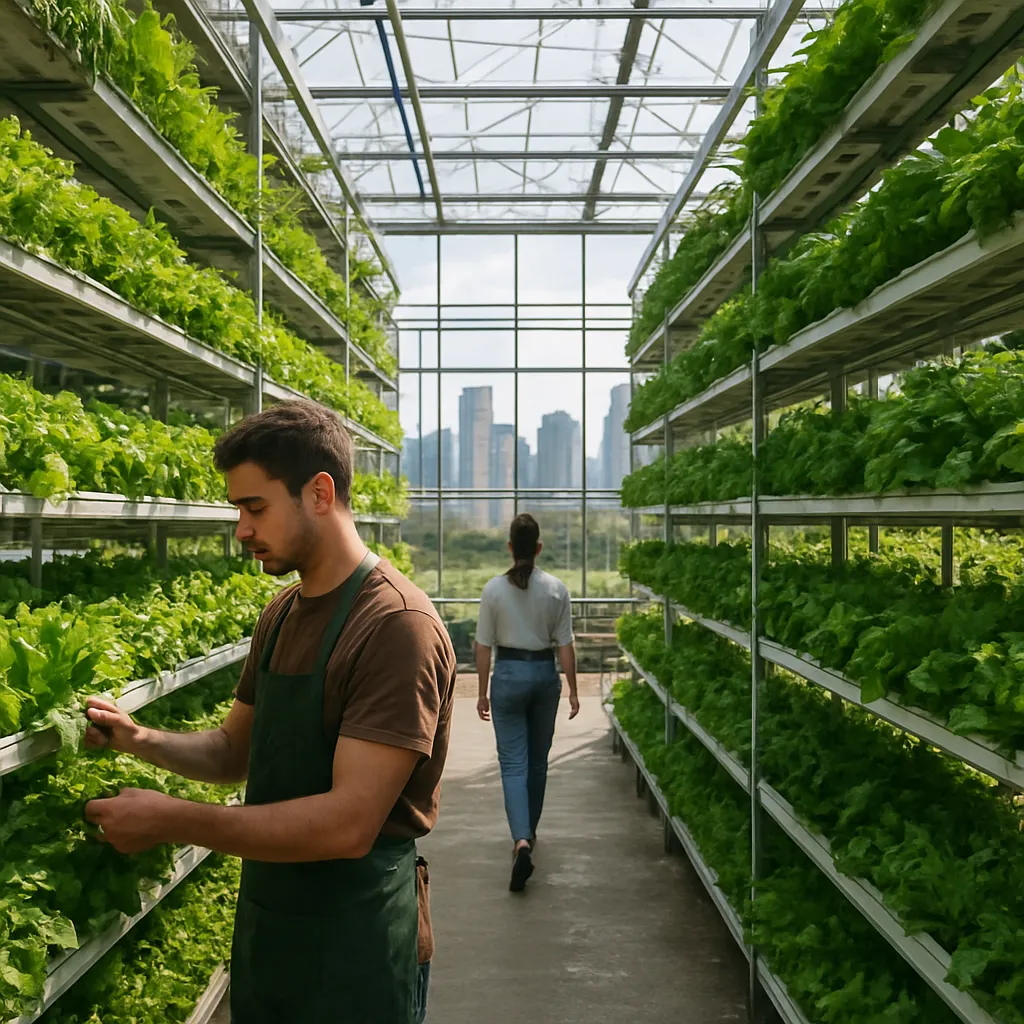
- Urban aquaponics merges fish farming with hydroponics, producing vegetables and fish in closed-loop systems that exemplify adaptation to land constraints.
Policy and Collaboration
- International standards and certification schemes encourage responsible practices and market access.
- Public–private partnerships drive research funding and capacity building in emerging aquaculture nations.
The pace of change underscores the vital link between robust governance and scientific progress, ensuring that aquaculture remains an engine for food security. With ongoing investments and knowledge-sharing, the sector is poised to meet tomorrow’s challenges and deliver sustainable nourishment to billions.