The landscape of animal agriculture is undergoing a profound transformation as stakeholders worldwide recognize the critical link between ethical treatment of livestock and the broader goals of environmental sustainability and economic resilience. This article explores how evolving welfare standards are reshaping global farming systems, driving innovation in regulation, technology, and consumer engagement.
Global Evolution of Welfare Principles
Emergence of Foundational Concepts
Historical Milestones
At the turn of the 20th century, industrialized agriculture prioritized productivity, often at the expense of animal well-being. Over time, pioneering scientists and ethicists challenged this paradigm, laying the groundwork for modern welfare science. Landmark studies demonstrated that stress, pain, and confinement could drastically reduce growth rates and product quality. As a result, early adopters began to refine housing systems, introduce environmental enrichments, and develop humane handling protocols.
Philosophical Shifts and Frameworks
The widely cited Five Freedoms framework—freedom from hunger and thirst, discomfort, pain, fear, and the freedom to express normal behaviors—emerged in the mid-1970s as a rallying point for advocates and producers alike. Today, these principles underpin international welfare regulations and certification schemes, guiding both smallholder farms and large-scale operations. Beyond the Five Freedoms, modern frameworks emphasize the interplay between physical health, psychological well-being, and the social environment of farm animals.
Implementation and Regulatory Frameworks
Standards, Certifications, and Enforcement
International Guidelines
Global institutions such as the World Organisation for Animal Health (OIE) and the Food and Agriculture Organization (FAO) publish guidelines that serve as benchmarks for national authorities. These documents cover species-specific requirements for housing, nutrition, handling, and disease control. They also encourage robust traceability systems, ensuring that welfare claims—and any potential breaches—can be audited along the supply chain.
- OIE Terrestrial Animal Health Code: Establishes baseline welfare standards for terrestrial livestock and poultry.
- Codex Alimentarius: Offers guidelines on humane slaughter and impacts on food safety.
- Global Animal Partnership (GAP): A tiered certification that rewards farms meeting progressive welfare benchmarks.
National Legislation and Compliance
Countries differ widely in how they translate international guidance into enforceable law. In the European Union, the Common Agricultural Policy (CAP) integrates welfare criteria into subsidy schemes, incentivizing farmers to adopt higher standards. The United Kingdom’s post-Brexit regulations have introduced ambitious welfare labeling on meat and dairy products, empowering consumers with greater transparency. Meanwhile, several U.S. states have passed ballot initiatives restricting certain confinement systems, such as battery cages for laying hens or gestation crates for sows.
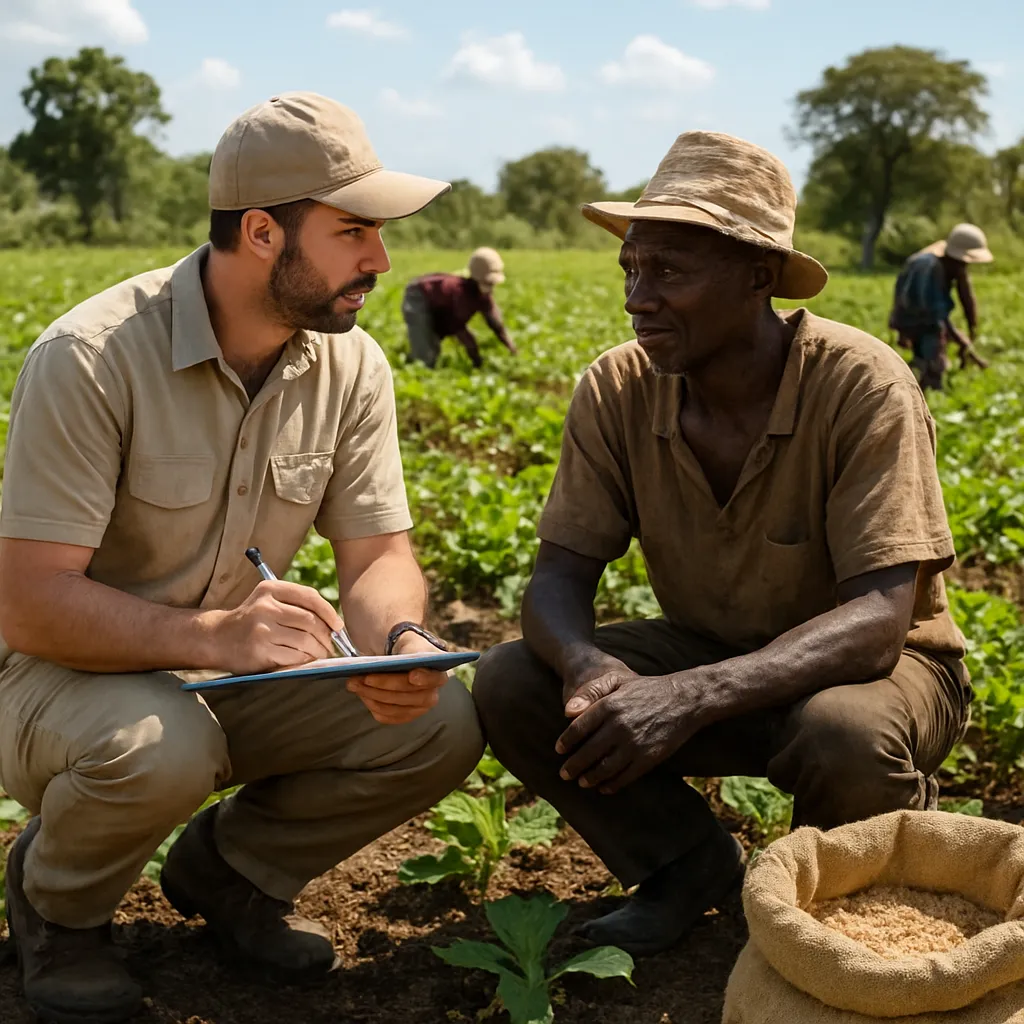
Emerging economies are at a critical juncture. Rapid intensification of livestock production raises concerns over biosecurity and animal health but also presents an opportunity to leapfrog to more humane systems. Collaborative projects funded by development agencies and NGOs are piloting welfare-centric training for smallholders, combining traditional knowledge with modern best practices. Success in these settings often hinges on affordable access to improved genetics, veterinary services, and market recognition of ethically produced goods.
Technological Innovations and Future Perspectives
Integrating Precision Tools
Precision Livestock Farming (PLF)
Advances in sensors, machine learning, and robotics are transforming the capacity to monitor animal behavior, physiology, and environment in real time. PLF systems can detect early signs of lameness, respiratory distress, or heat stress, enabling timely interventions that safeguard welfare and reduce treatment costs. Automated feeding stations adjust rations based on individual intake, minimizing competition and ensuring balanced nutrition. Video analytics track social interactions, alerting staff to bullying or abnormal patterns that could signal illness.
- Wearable Sensors: Collars or leg bands measure heart rate, activity levels, and rumination.
- Climate Control Systems: Adaptive ventilation and cooling responding to temperature and humidity fluctuations.
- Robotic Milking: Allows cows to choose milking times, reducing stress and improving udder health.
Data Integration and Traceability
Comprehensive data platforms are increasingly employed to link on-farm records with processing and retail information. Blockchain technology offers immutable ledgers documenting each step of an animal’s life, from birth registration to slaughterhouse welfare audits. This level of transparency not only builds consumer trust but also enhances supply chain efficiency by streamlining recall procedures and verifying compliance with import standards.
Moreover, digital marketplaces are emerging for ethically certified products. By harnessing mobile apps and QR codes, producers can communicate detailed welfare metrics—such as stocking density, enrichment provisions, and veterinary interventions—directly to end consumers. These innovations foster a feedback loop that incentivizes continuous improvement across diverse production systems.
Emerging Frontiers and Ethical Considerations
Alternative Proteins and Welfare Implications
The surge in plant-based and cultivated meat technologies raises questions about future welfare paradigms. While in vitro meat eliminates many traditional welfare concerns, it also prompts new ethical debates regarding cell sourcing, bioreactor conditions, and environmental footprints. The integration of animal-derived growth factors or scaffolding materials demands careful assessment to ensure any living components meet rigorous ethical procurement standards.
Consumer Engagement and Behavior Change
Evidence suggests that providing clear, verifiable welfare information can shift purchasing patterns. Educational campaigns, farm tours, and interactive labeling systems empower shoppers to align their buying decisions with personal values. Retailers and foodservice companies are responding by setting welfare commitments within their supply chains, creating market differentiation and fostering brand loyalty among conscientious customers.
Bridging Science, Policy, and Practice
Effective improvement of global welfare standards hinges on cross-sector collaboration. Scientists refine assessment protocols, policymakers craft enabling regulations, and producers implement on-the-ground solutions. Crucially, engaging local communities ensures that standards are contextually appropriate and economically viable. Multifaceted approaches—combining education, capacity building, and financial incentives—pave the way for lasting change that benefits animals, farmers, and society at large.
The Road Ahead
As pressures mount from climate change, resource scarcity, and shifting consumer preferences, the evolution of animal welfare standards will remain central to creating resilient farming systems. By embracing holistic, science-based frameworks and leveraging cutting-edge technologies, stakeholders can forge a more compassionate and sustainable future for global agriculture.