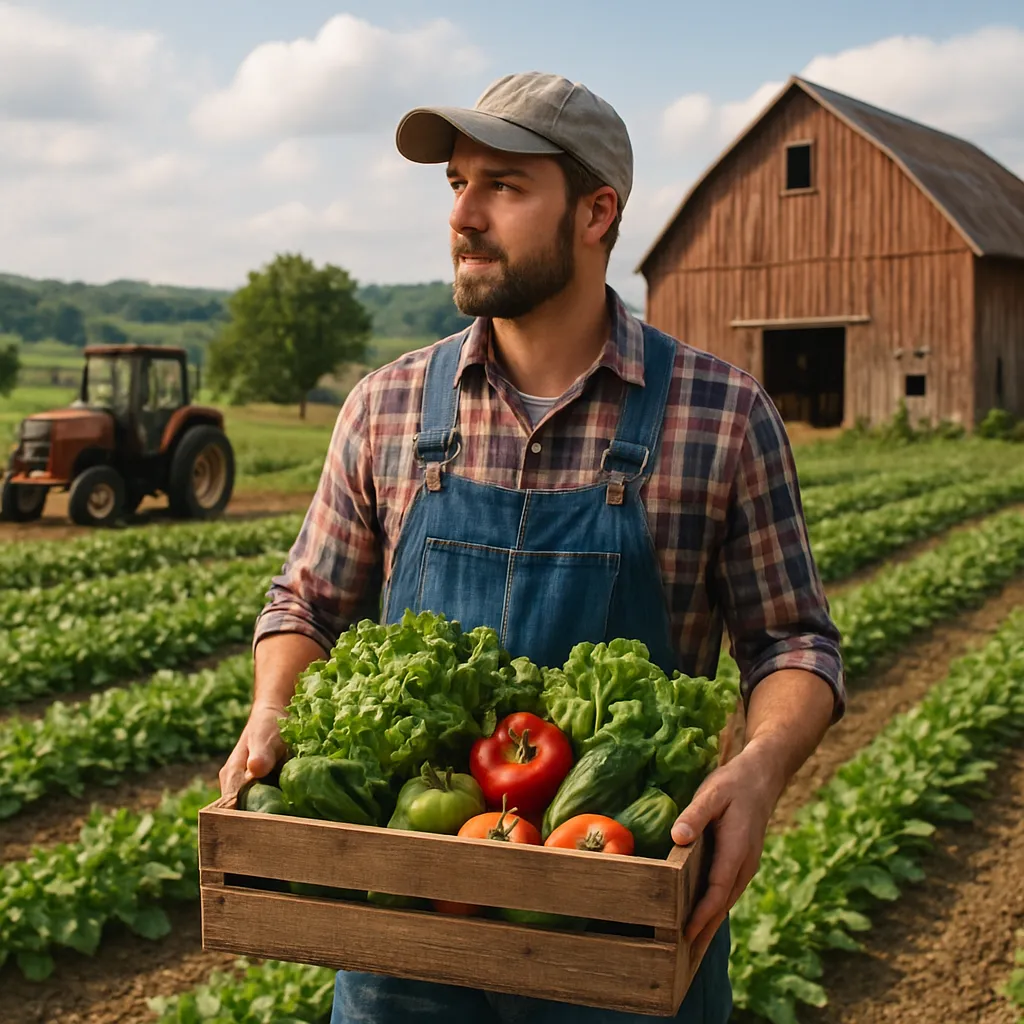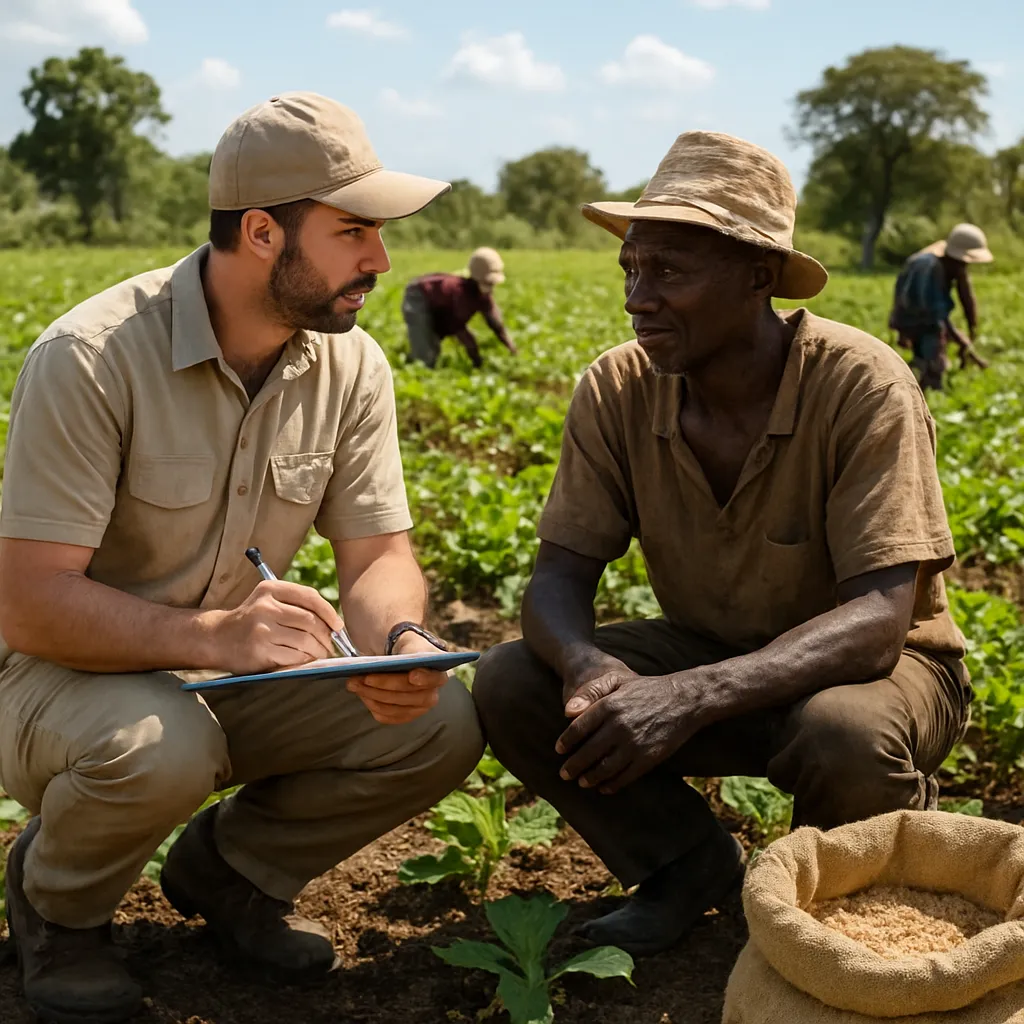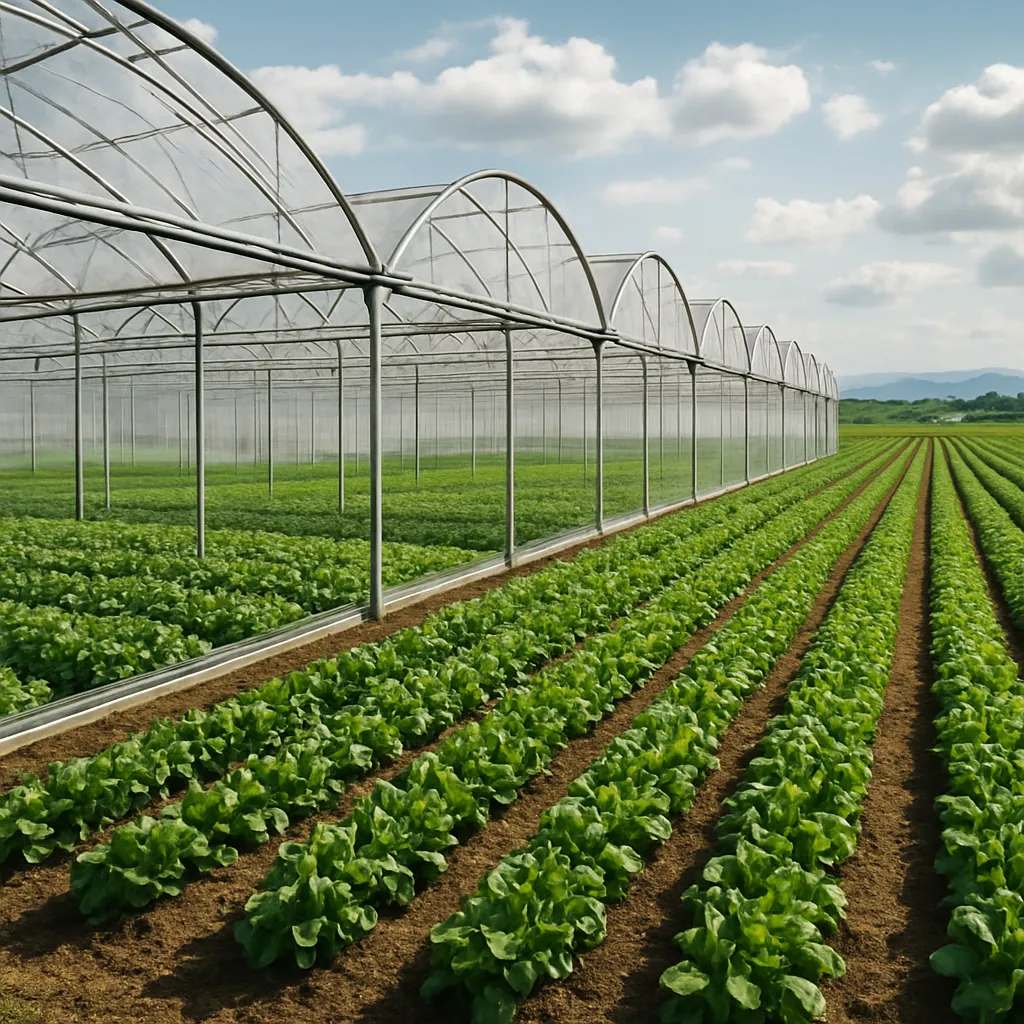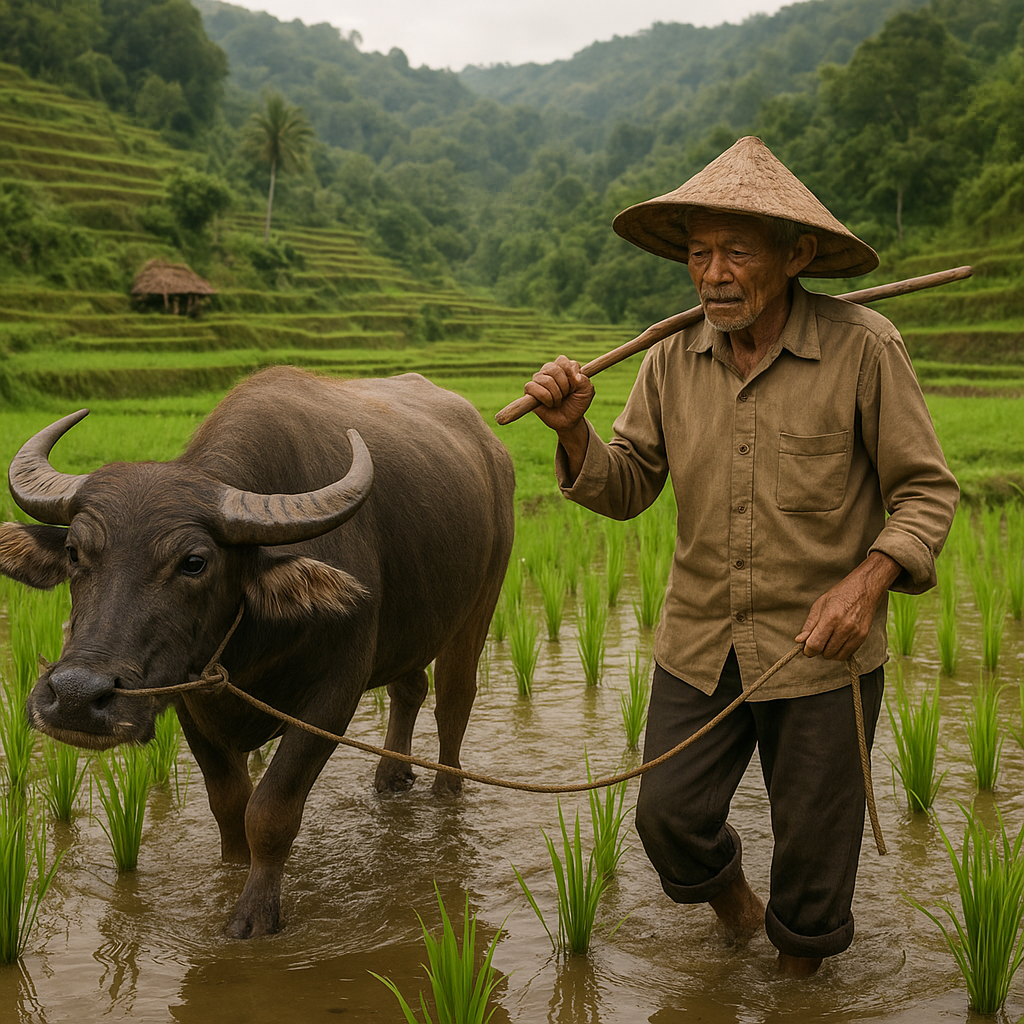
Across continents, travelers are increasingly drawn to the rustic charm of countryside landscapes, seeking immersive experiences that bridge the gap between modern life and age-old farming traditions. Agro-tourism has emerged as a dynamic movement which not only entertains but also safeguards precious agricultural customs. By welcoming visitors onto working farms, local growers are able to share their techniques, bolster household incomes and ensure the continuity of time-honored practices. This trend reveals the power of agro-tourism to foster cross-cultural ties while bolstering rural economies.
Reviving Ancestral Wisdom through Agro-Tourism
Many small-scale producers once faced the prospect of abandoning traditional methods in favor of industrial approaches. Today, a growing number of them invite guests to observe and participate in heritage processes—from hand-threshing grains to fermenting artisanal cheese—in an effort to preserve living archives of culinary and farming heritage. Visitors leave with newfound respect for the seasonal rhythms that have sustained communities for generations.
Key practices being kept alive include:
- Organic composting cycles that minimize waste and enrich soils without chemicals.
- Intercropping and crop rotation systems passed down through families to maintain soil health.
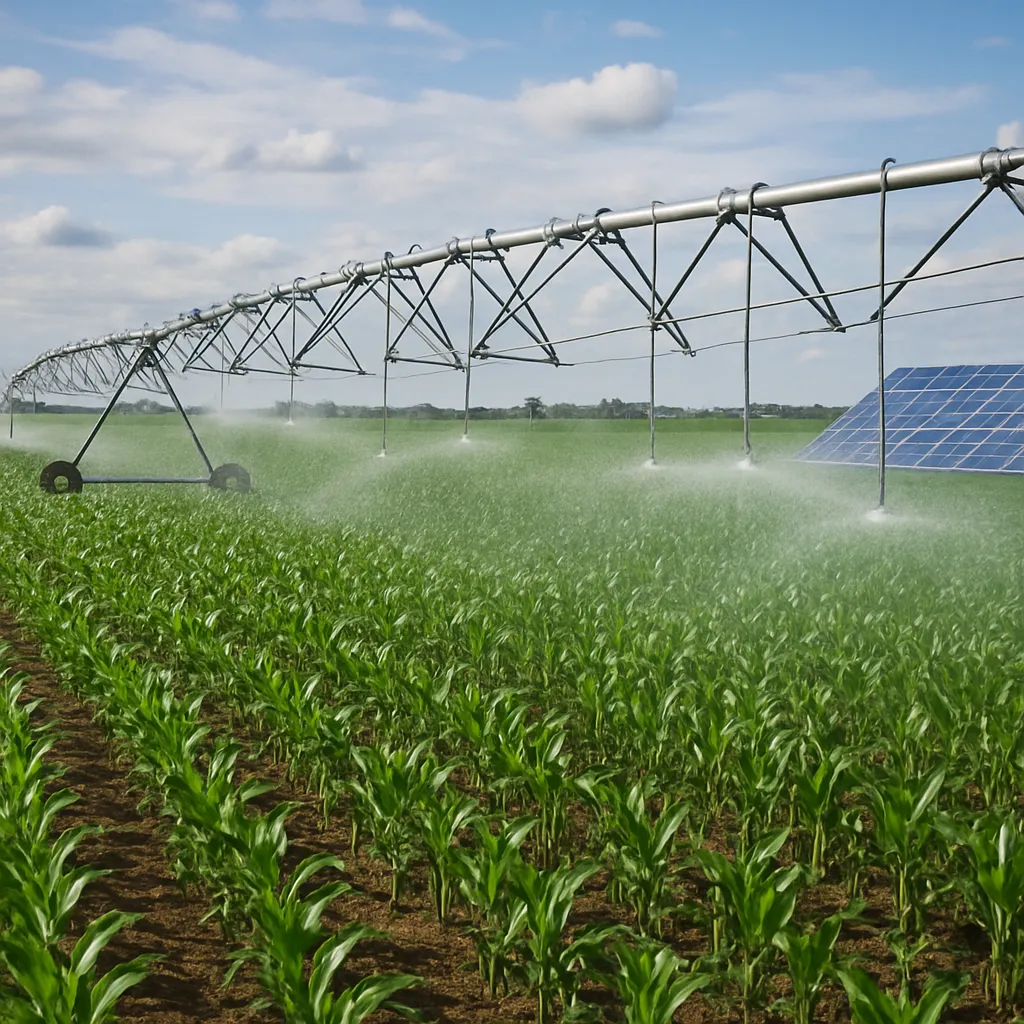
- Traditional irrigation techniques, such as terracing and nala systems, that balance water use in arid regions.
Economic Incentives and Community Empowerment
Agro-tourism offers more than sightseeing—it injects fresh revenue streams into villages and hamlets. Smallholder farmers often lack access to mainstream markets, but by converting parts of their land into hands-on guest areas, they capitalize on growing demand for authentic rural stays. This shift creates ripple effects across local economies. Profits support school fees, fund communal infrastructure projects and encourage younger generations to remain tied to the land rather than migrating to urban centers.
Benefits at a Glance
- Direct sales of farm produce at premium rates
- Income diversification through workshops, homestays and guided tours
- Preservation of family-run businesses and local crafts
Cultural Exchange and Educational Experiences
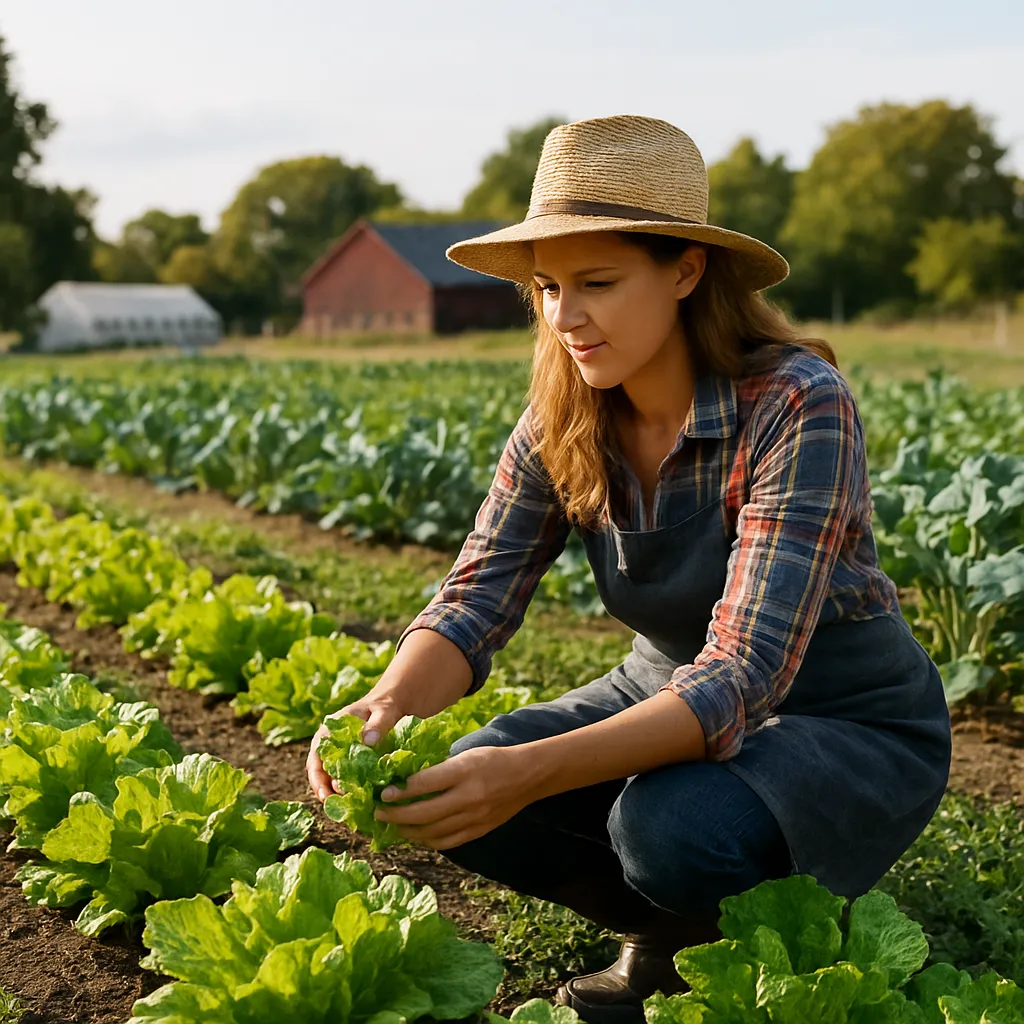
One of the most compelling aspects of global agro-tourism is its ability to foster genuine cultural dialogue. Travelers arrive eager to learn, while hosts gain exposure to fresh perspectives. Workshops on seed saving, pottery-making or traditional weaving become shared classrooms where expertise flows in both directions. Schools in neighboring towns often organize field trips, giving students a chance to connect textbook theory with real-world applications.
Hands-On Learning
- Milking goats and learning about pastoral traditions in Eastern Europe
- Rice planting ceremonies in Southeast Asia that honor seasonal deities
- Olive harvesting festivals in the Mediterranean with age-old pressing methods
These experiences build global awareness about food production challenges and highlight the need for sustainable practices worldwide.
Environmental Benefits and Sustainable Models
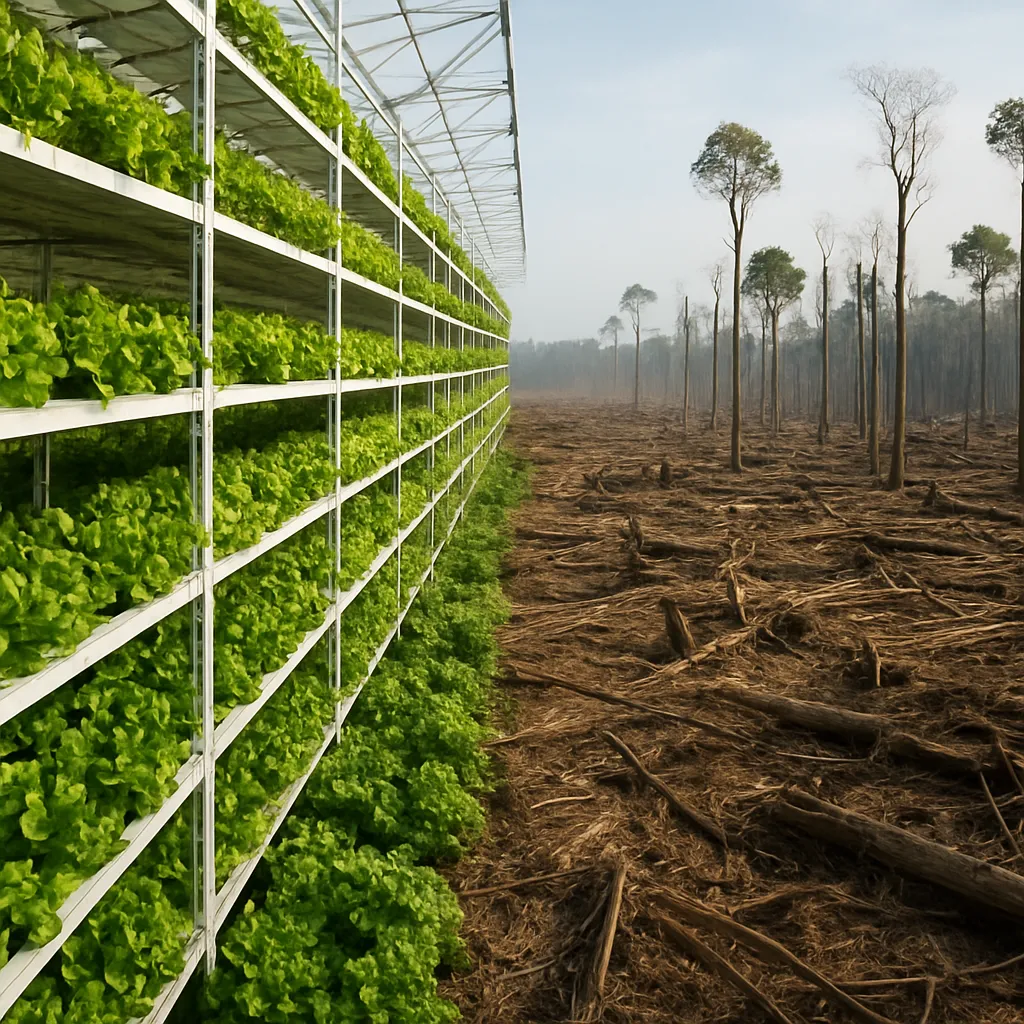
By promoting ecological stewardship, agro-tourism businesses champion sustainability and responsible resource management. Regions once prone to deforestation or soil degradation are now implementing permaculture design and agroforestry techniques that conserve water and nurture native species. Guests learn about biodiversity through trail hikes, bird-watching sessions and beekeeping demonstrations, gaining firsthand insight into the interconnectedness of life on a well-tended farm.
- Establishing rewilded hedgerows that double as pollinator corridors
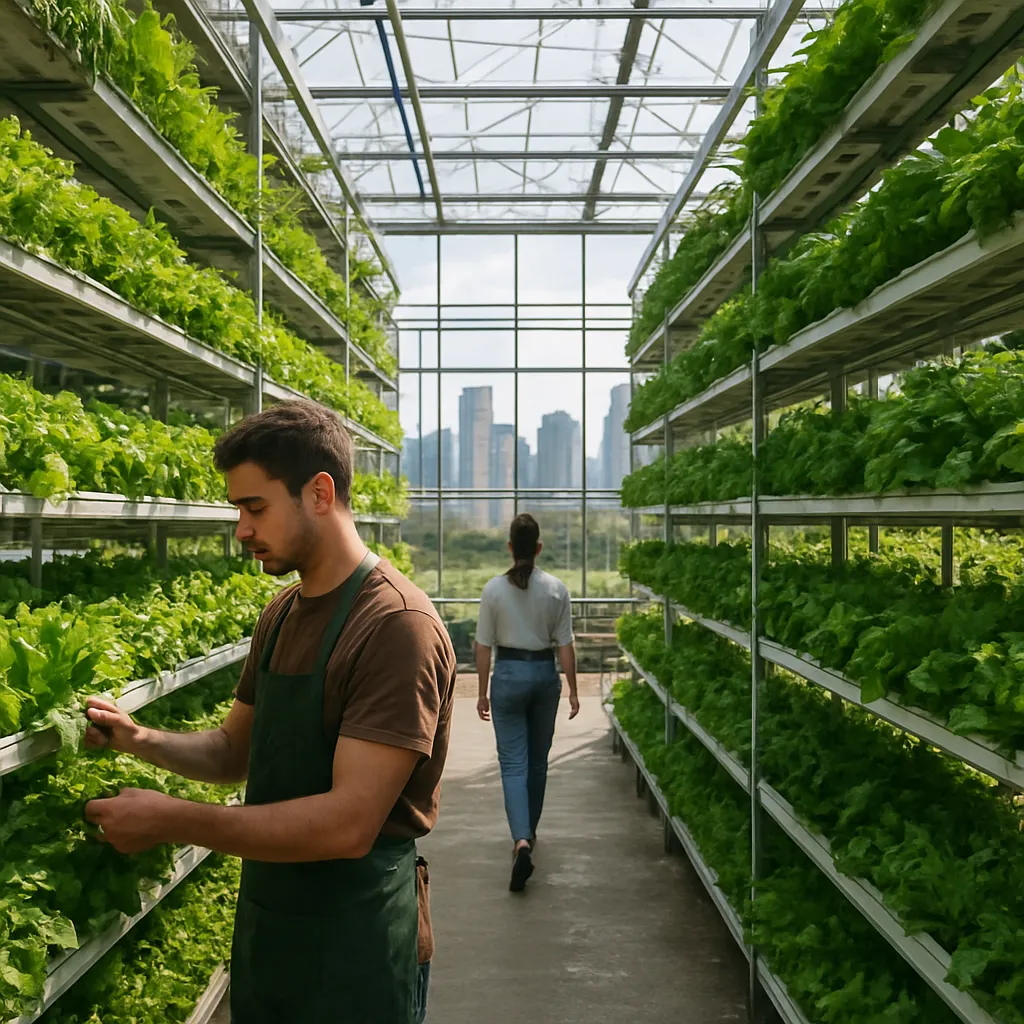
- Rainwater harvesting systems integrated into greenhouse structures
- Natural pest control via the introduction of beneficial insects
Global Case Studies: World Farms in Action
From terraced tea estates in China to sunflower fields in France, agro-tourism is flourishing across diverse geographies:
- In Japan, family-run rice paddies host agritourism retreats where participants stomp mochi and practice centuries-old planting ceremonies.
- The Andean highlands of Peru welcome travelers to quinoa farms, offering treks to ancient terraces and tutorials on traditional spinning techniques.
- In Italy’s Emilia-Romagna region, truffle hunters guide visitors through oak forests, sharing the secrets of this prized fungus and serving it with homemade pasta.
- A network of biodynamic vineyards in South Africa pairs wine tastings with vineyard tours that emphasize soil vitality and indigenous grape varieties.
These success stories illustrate how agricultural sites around the world employ innovation and education to safeguard farming legacies while attracting curious minds.
Fostering Biodiversity and Future Resilience
Agro-tourism initiatives frequently emphasize the importance of biodiversity as a cornerstone of ecological resilience. Crop diversity, livestock breeds adapted to local climates and heirloom seeds feature prominently in farm tours. Visitors witness the cultivation of ancient grains, rare legumes and fruit tree heirlooms that might otherwise vanish from collective memory. By purchasing seed packs or saplings to take home, guests actively contribute to the proliferation of these genetic resources.
Moreover, educational signage, interactive apps and multilingual guides ensure that information reaches a broad audience, inspiring home gardeners and professional growers alike to integrate traditional elements into their own plots.
Empowering Future Generations
At its heart, agro-tourism nurtures a sense of stewardship among participants. Children who plant their first seedlings under the guidance of seasoned farmers often become lifelong advocates for sustainable food systems. Communities that host these programs experience renewed pride in their ancestral skills, reinforcing the social fabric that holds rural areas together. Through ongoing collaboration with universities, NGOs and culinary institutions, many farms have forged research partnerships that further expand the reach and impact of their preservation efforts.
By forging economic opportunities, deepening environmental awareness and championing cultural exchange, agro-tourism stands as a transformative force. It highlights how engaging with land and tradition can rejuvenate rural areas, empower local families and ensure that farming practices honed over centuries continue to flourish in an increasingly globalized era.