Agricultural systems around the globe face mounting pressures to deliver enough nutritious food while curbing losses that occur at every stage from the field to the consumer’s plate. Across continents, producers, policymakers, and researchers embrace sustainable approaches that blend traditional knowledge with cutting-edge technology. By optimizing harvest timing, enhancing postharvest handling, and redesigning supply chains, these efforts underscore the rising importance of innovation and collaboration in safeguarding resources and ensuring food security for generations to come.
Technological Innovations in High-Input Farming Systems
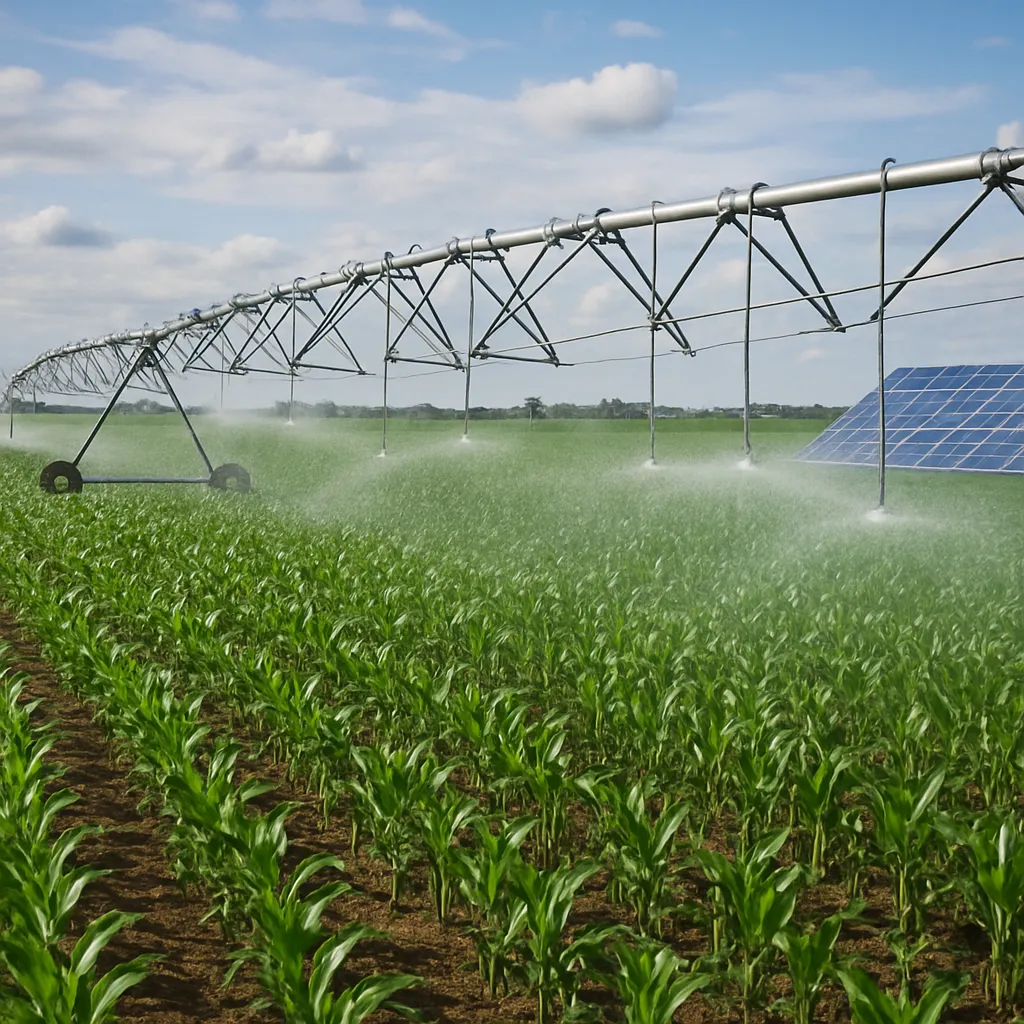
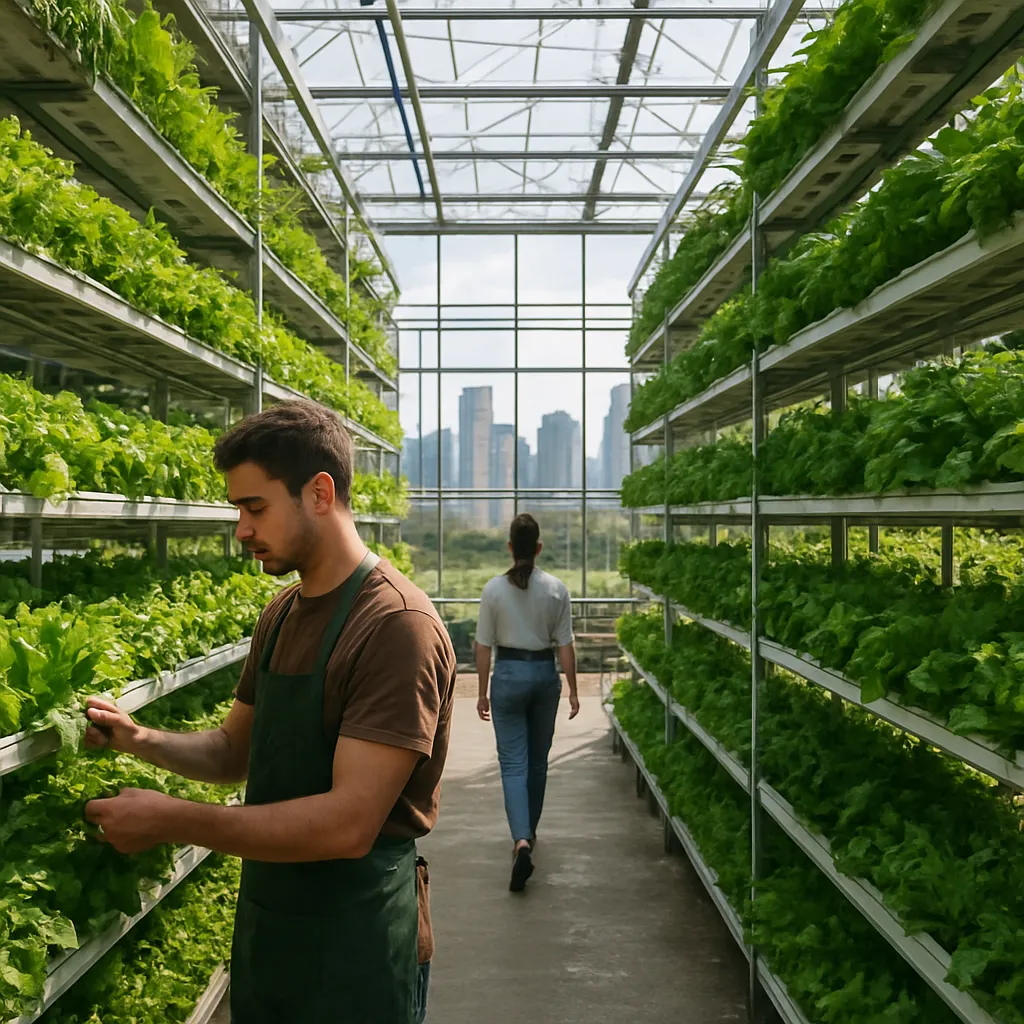
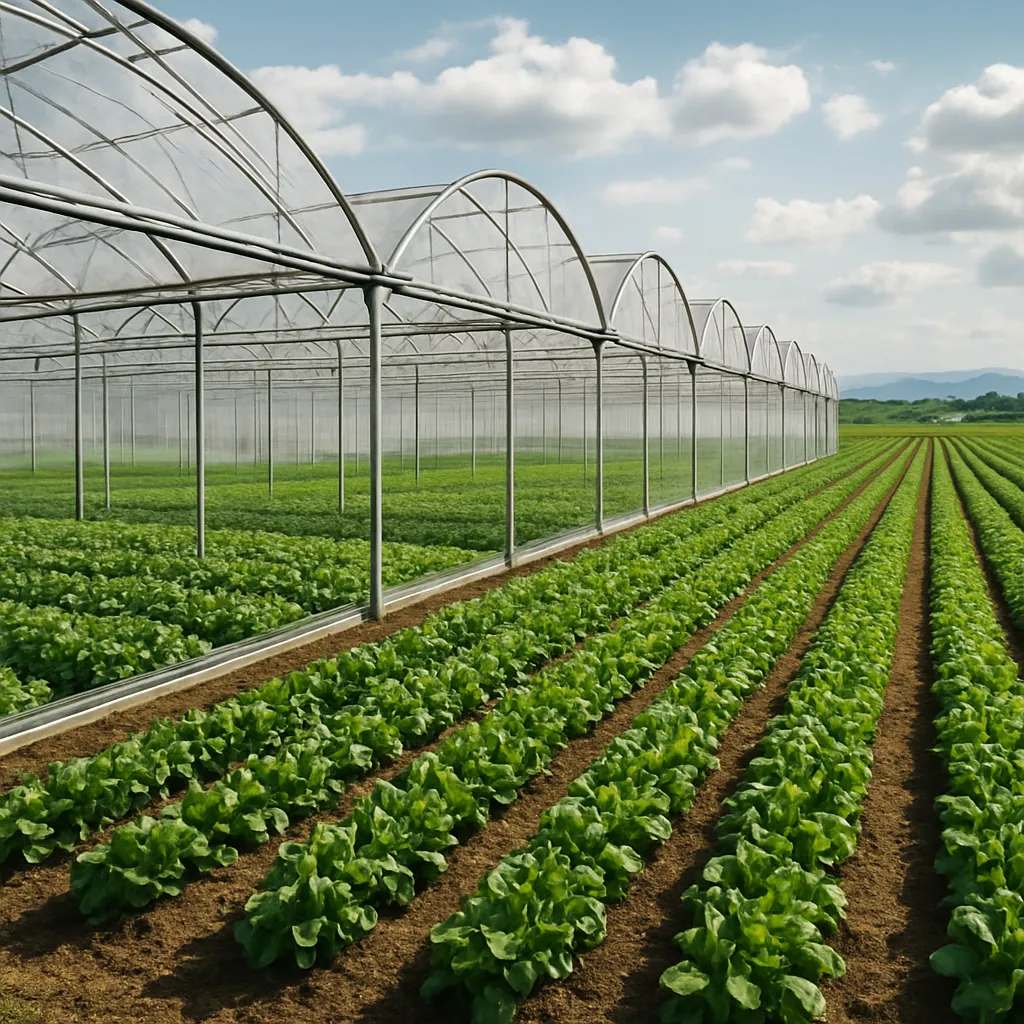
In regions with advanced mechanization and intensive production systems, farms invest heavily in solutions that boost yield while reducing losses. Precision agriculture platforms, incorporating drones, IoT sensors, and AI-driven analytics, allow farmers to monitor crop health in real time. Such systems provide detailed feedback on soil moisture, nutrient levels, and pest infestations, enabling targeted interventions that cut down on both overapplication of inputs and pre-harvest spoilage.
- Efficiency gains through variable-rate irrigation and fertilization: Automated controllers adjust water and nutrient delivery based on localized data, preventing unnecessary stress to plants and minimizing runoff.
- Advanced storage technologies: Climate-controlled silos with humidity regulation and ethylene scrubbers extend the shelf life of cereals, fruits, and vegetables by slowing down metabolic processes.
- Postharvest robotics: Automated sorting lines equipped with machine-vision systems detect bruising or decay in produce, diverting substandard items toward processing channels rather than letting them pollute fresh-market batches.
Meanwhile, partnerships between agritech startups and major producers are fast-tracking rollouts of farm management software. Through cloud-based dashboards, managers gain predictive insights that optimize harvest schedules and logistic routes, leading to lower fuel consumption and fewer delays that often result in spoilage. By leveraging blockchain traceability, retailers and processors can rapidly identify bottlenecks where food quality deteriorates, reinforcing a circular supply chain ethos and shrinking the carbon footprint of global trade.
Community-Led Initiatives and Smallholder Farmer Empowerment
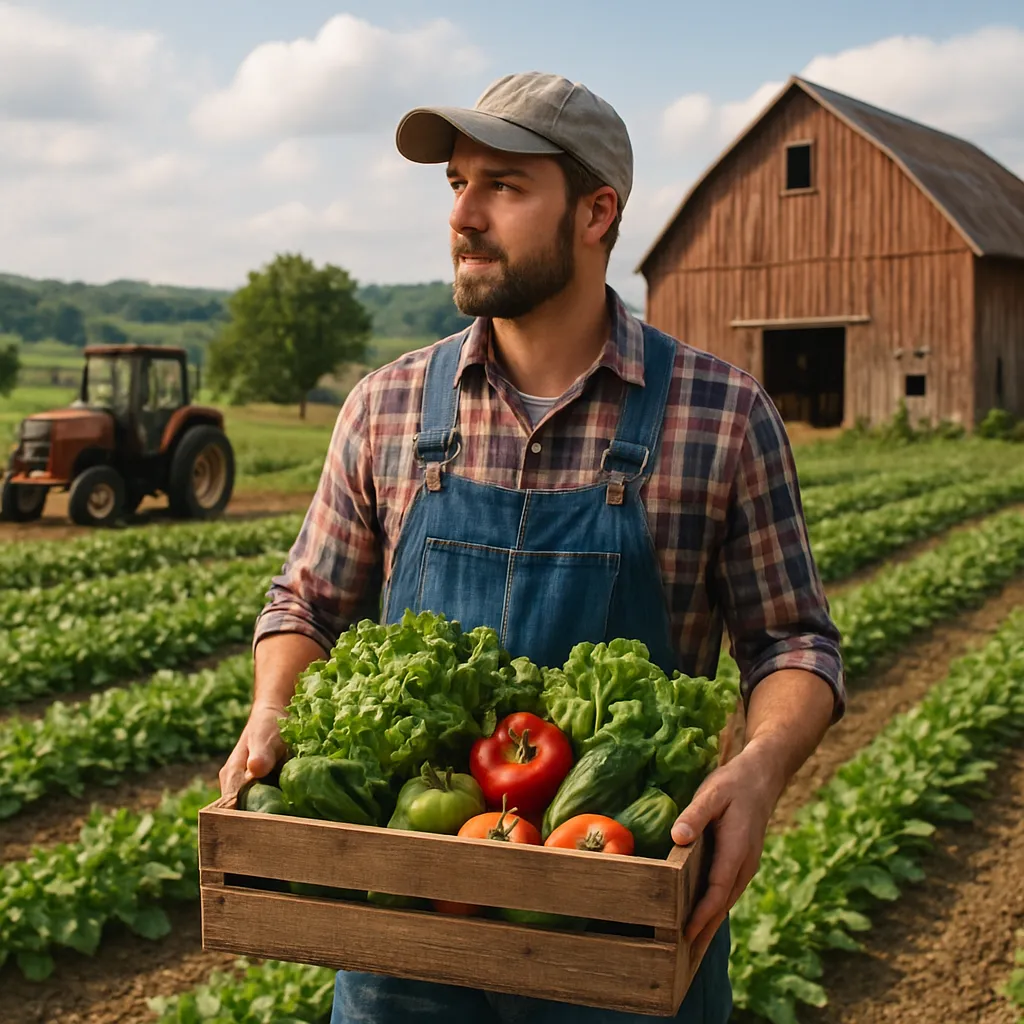
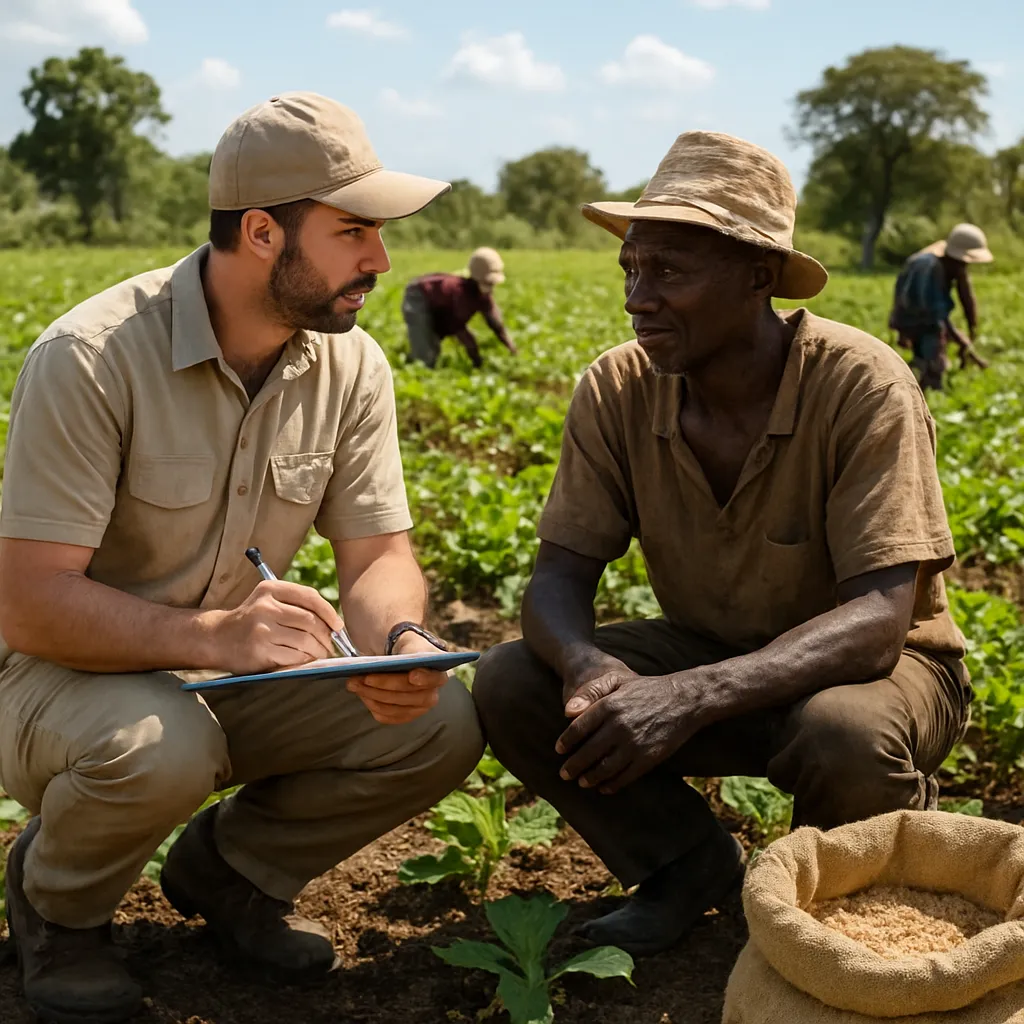
In many developing regions, smallholder farms account for a large share of production yet face significant barriers stemming from limited infrastructure and market access. Grassroots programs focus on strengthening local capacities by integrating traditional wisdom with modern resilience strategies. Farmer field schools, for instance, enable peer-to-peer learning on best practices for postharvest handling, such as proper drying techniques that prevent fungal growth and mycotoxin formation in grains.
Storage cooperatives have emerged as transformative institutions in rural landscapes. By pooling resources to build communal warehouses, members gain access to hermetic storage bags, solar dryers, and low-cost temperature monitoring tools. This collective approach reduces individual risk and empowers farmers to time their market transactions, often selling at higher prices when supply is scarce.
- Local processing hubs: Village-level mills, juicers, and oil presses convert surplus produce into value-added goods, preventing losses from fresh‐produce glut and opening additional revenue streams.
- Mobile cold chains: Solar-powered refrigeration units mounted on motorcycles or small trucks deliver temperature‐controlled transport to remote zones, preserving perishable items during last-mile delivery.
- Digital marketplaces: Smartphone apps connect growers directly with urban buyers, reducing layers of intermediaries and mitigating the delays that often lead to crop spoilage at rural collection points.
Crucially, capacity-building workshops emphasize education on quality standards and packaging methods that align with export requirements. By meeting international benchmarks, smallholders can tap into premium markets and realize better returns, creating added incentives to adopt loss-minimizing practices. These community-driven models illustrate how low-tech interventions, when scaled through social networks and local leadership, can yield significant reductions in postharvest losses.
Policy Frameworks and Public-Private Partnerships Driving Waste Reduction
Effective policies and institutional support play a pivotal role in shaping agricultural landscapes that prioritize minimal waste. Governments worldwide deploy multi‐pronged strategies, ranging from subsidies for cold storage facilities to mandates on mandatory reporting of loss metrics. Such regulatory efforts stimulate private investment in essential infrastructure and foster an environment where innovative solutions can thrive.
Incentives and Regulatory Instruments
- Biodiversity corridors legislation: By preserving buffer zones around cultivated fields, pollinator habitats remain intact, enhancing crop yields and reducing losses attributable to poor fruit set.
- Tax credits for investment in on-farm storage: Producers receive financial offsets when installing hermetic bins, chillers, or drying platforms, encouraging wider adoption of loss-mitigation tools.
- Mandatory loss audits: Large agribusinesses report waste figures across supply chains, promoting transparency and accountability while enabling targeted support where inefficiencies are most severe.
Collaborative Funding Mechanisms
Public-private partnerships leverage complementary strengths: governmental bodies provide seed capital and policy stability, while commercial entities offer operational expertise and market linkages. Multilateral development banks and philanthropic foundations often co-finance pilot projects targeting postharvest interventions in high-risk zones. These initiatives harness a blend of resilience planning and climate-smart technologies to protect harvests against unpredictable weather events.
- Risk-sharing insurance schemes: Index-based insurance products pay out when extreme weather thresholds are breached, enabling farmers to reinvest in loss-reducing infrastructure quickly.
- Joint R&D consortia: Universities, biotech firms, and NGOs collaborate on developing crop varieties with extended shelf life and built-in resistance to common pathogens.
- Market aggregation platforms: Partners invest in regional collection centers equipped with grading lines and packaging plants, ensuring smaller producers feed into efficient, large-scale logistics networks.
Such coordinated efforts underscore the importance of integrated approaches that align economic incentives with environmental stewardship. They also highlight the need for robust infrastructure—from rural roads to power grids—to support timely movement and preservation of harvests. As policies evolve, continuous monitoring and adaptive management ensure that interventions deliver cost-effective outcomes and scale equitably across diverse farming communities.
Cross-Cutting Challenges and Future Directions
Despite notable successes, significant hurdles persist. Limited access to capital in marginalized regions leaves many farmers unable to purchase even basic postharvest tools. Fragmented supply chains, lacking standardized grading and packaging protocols, continue to drive inefficiencies. And while collaboration between stakeholders has increased, there remains a gap in aligning private-sector objectives with public interests.
Moving forward, several priorities emerge:
- Scaling digital advisory services: Leveraging mobile networks to deliver tailored agronomic guidance can bridge information gaps and reduce errors during harvest and handling.
- Fostering inclusive finance: Microcredit schemes and blended finance models must be tailored to the realities of smallholders, ensuring that investments in efficiency technologies are accessible and affordable.
- Advancing circular value chains: Transforming byproducts and food processing waste into animal feed, compost, or bioenergy can close nutrient loops and create additional income streams.
- Enhancing global coordination: A unified platform for sharing best practices and loss data across countries would accelerate progress and help set evidence-based targets for waste reduction.
Ultimately, reducing global food waste demands an interplay between local expertise and global innovation. By investing in resilient systems, strengthening market linkages, and cultivating a culture of continuous learning, the agricultural sector can make significant strides toward a future where every harvest nourishes people rather than languishes in avoidable loss.