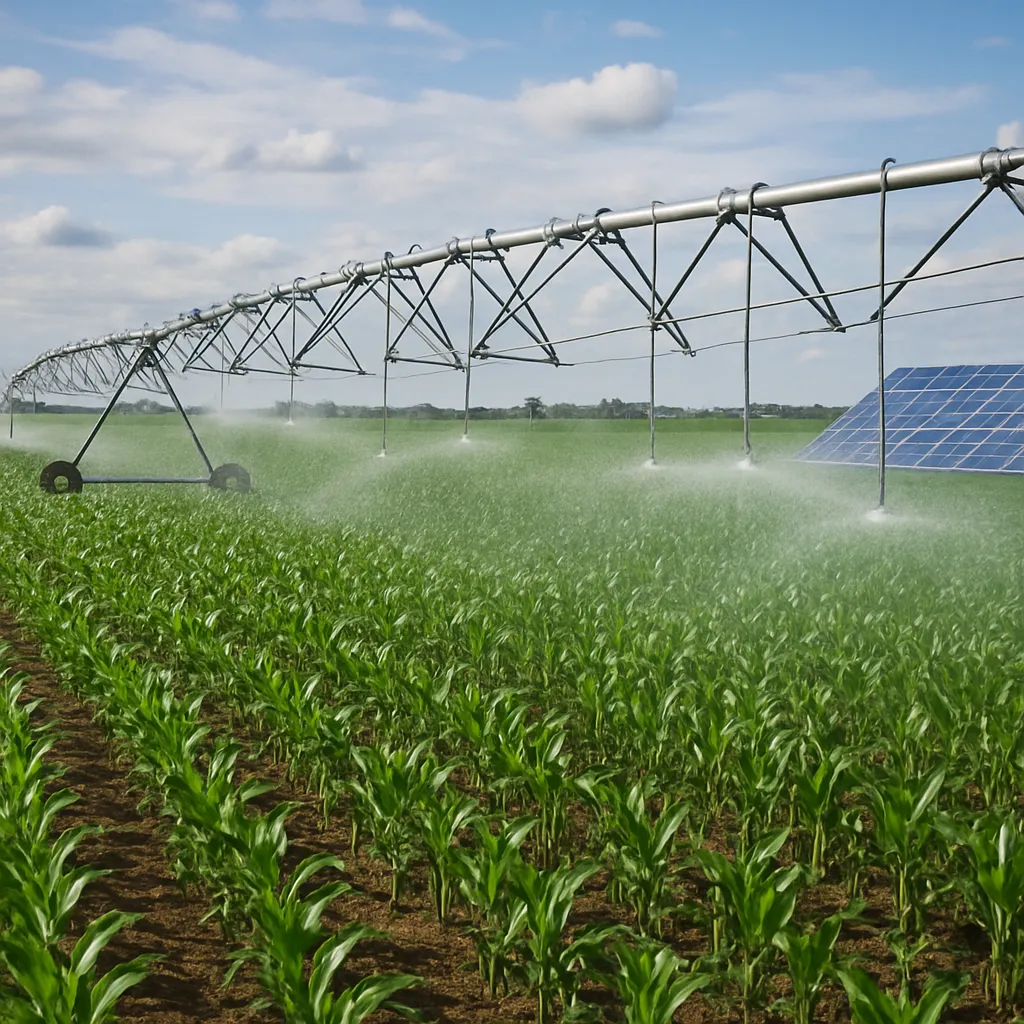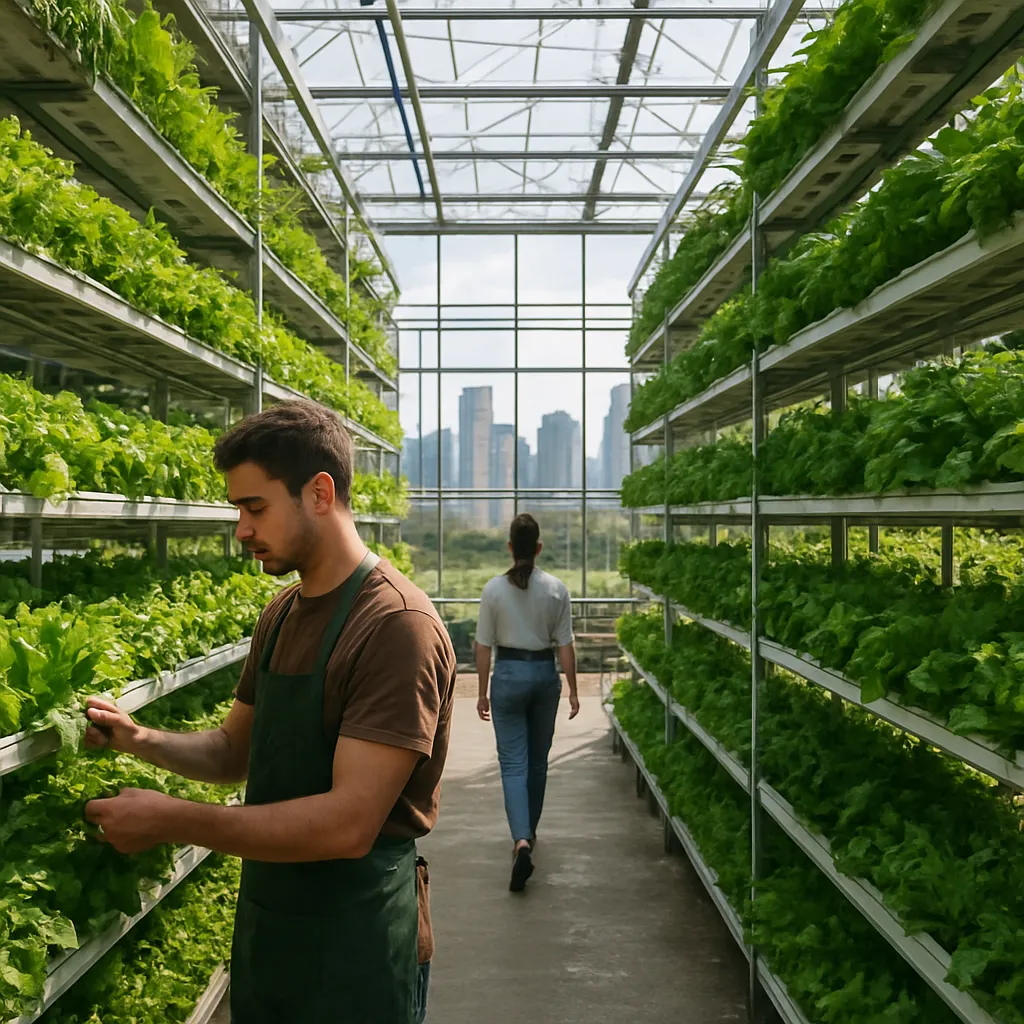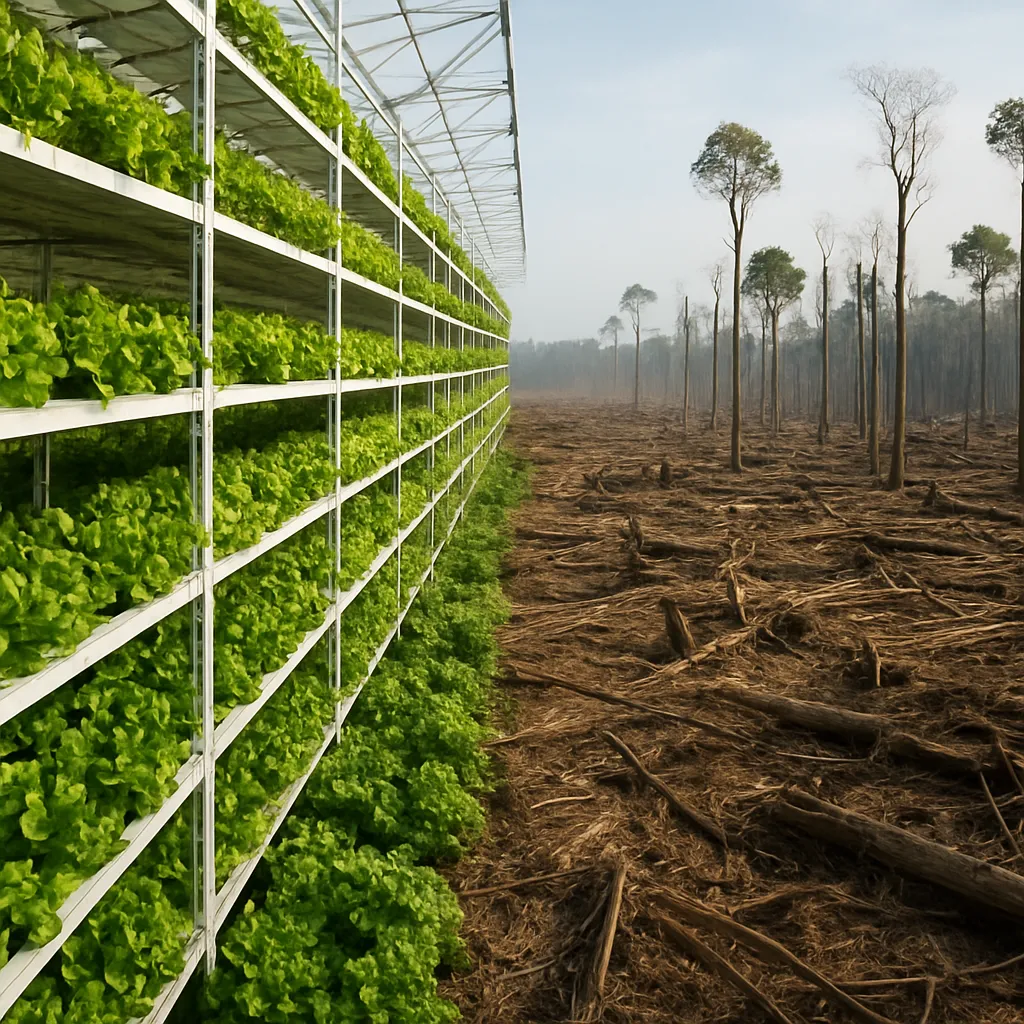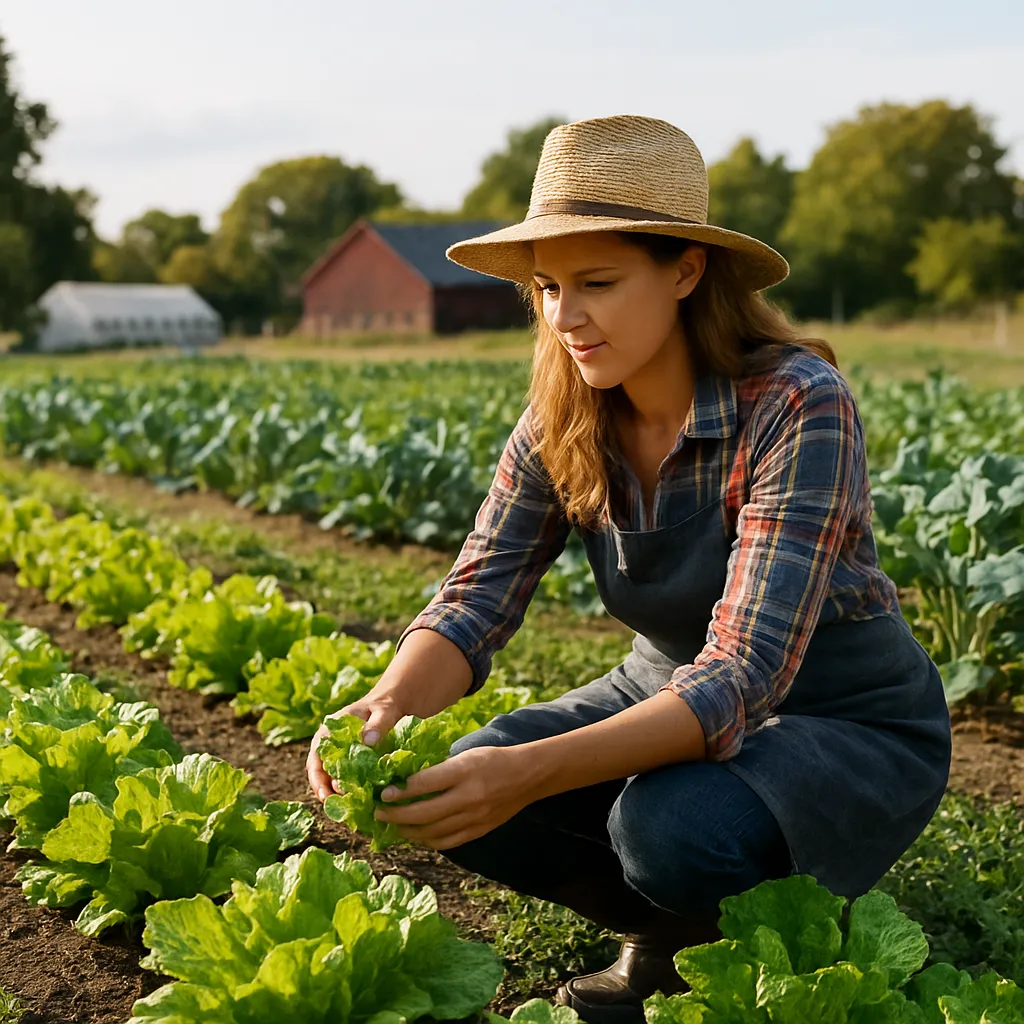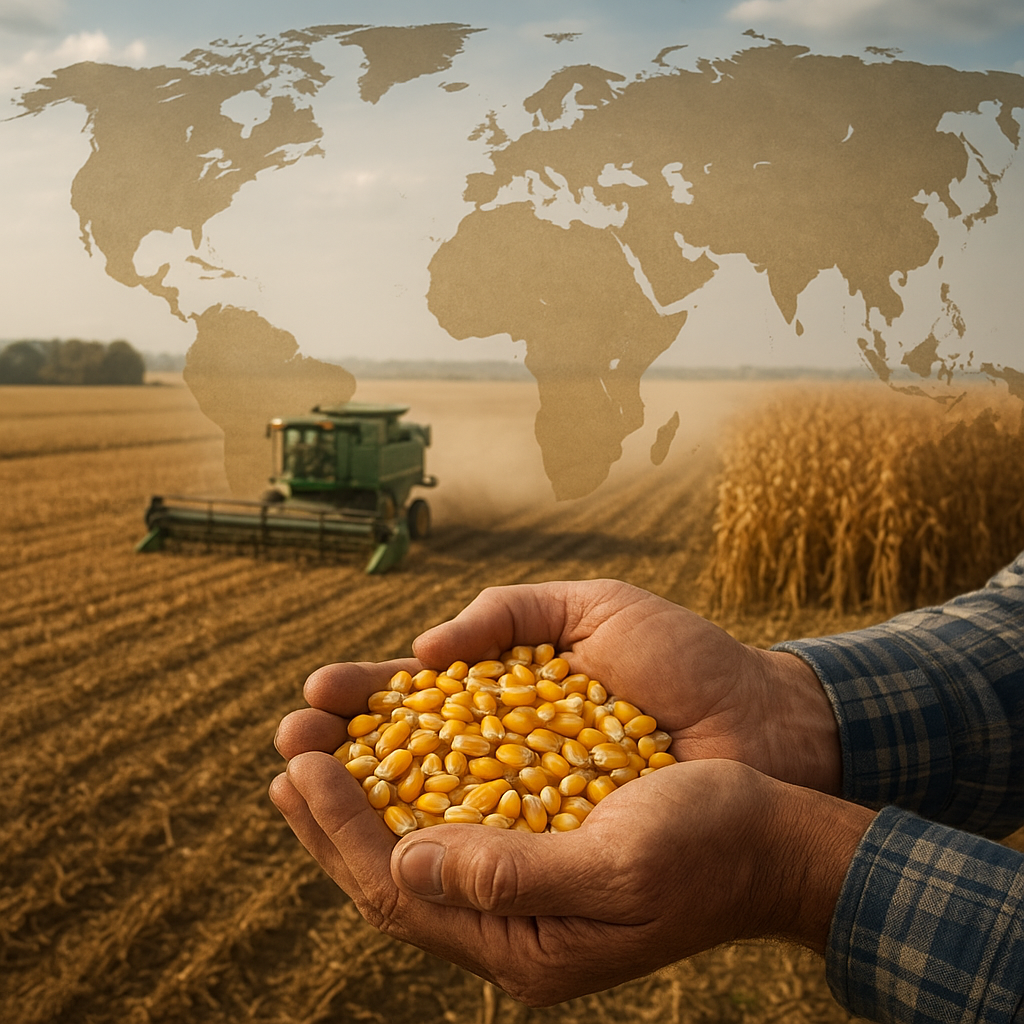
The intricate network of agricultural subsidies is reshaping farming landscapes across continents, influencing productivity, market dynamics, and environmental outcomes. By examining diverse subsidy schemes—from direct payments in the European Union to minimum support prices in South Asia—this article delves into how financial interventions shape the future of world farms. Each section unveils critical insights into policy objectives, distributional challenges, and the interplay between food security and global trade.
Objectives and Evolution of Subsidy Programs
Since the mid-20th century, governments have deployed subsidies to stabilize farm incomes, buffer against price volatility, and encourage the adoption of new technologies. These interventions often seek to:
- Enhance rural resilience in the face of climate or market shocks
- Ensure a stable supply of staples and strategic commodities
- Promote sustainability through conservation payments or eco-schemes
In North America, the United States’ Farm Bill has evolved from rigid price supports in the 1930s to a complex array of crop insurance, disaster assistance, and direct payments. Meanwhile, Canada’s AgriStability and AgriInvest programs offer flexible risk-management tools. Across the Pacific, Australia emphasizes drought relief and research funding over direct price supports, reflecting its export-oriented strategy.
Historical Milestones
- Green Revolution subsidies in South Asia spurred yield surges during the 1960s–70s.
- Post-war Europe saw the institutionalization of the Common Agricultural Policy (CAP) in 1962, designed to secure supply and foster rural livelihoods.
- WTO agreements since the 1990s have gradually curbed trade-distorting support, though debates persist over what qualifies as non-trade distorting “green” subsidies.
Regional Case Studies and Impact Assessment
Subsidy frameworks vary widely depending on national priorities and agro-ecological contexts. The following examples illustrate the diverse approaches:
European Union: Common Agricultural Policy
The CAP is one of the world’s largest agricultural policies, accounting for roughly 30% of the EU budget. It comprises two pillars:
- Direct payments based on land area, progressively linked to cross-compliance in environmental standards.
- Rural development programs funding agri-environmental measures, innovation, and climate resilience projects.
Strengths of the CAP include guaranteed income support and strong environmental conditionality. Critics point out persistent inequity as large landowners receive the majority of subsidies, and the scheme’s complexity demands extensive administrative overhead.
United States: Farm Bill and Crop Insurance
The US Farm Bill is renegotiated every five years, merging food assistance, conservation programs, and farm support. Key elements include:
- Price Loss Coverage (PLC) and Agricultural Risk Coverage (ARC) as revenue safeguards.
- Expanding subsidized crop insurance covering yield or revenue declines.
- Conservation Reserve Program (CRP) pays farmers to retire environmentally sensitive land.
This multi-layered approach enhances risk management but has been criticized for favoring large-scale producers and for encouraging monocultures, potentially undercutting diversity and long-term soil health.
South Asia: Minimum Support Prices and Input Subsidies
India’s Minimum Support Price (MSP) system guarantees procurement prices for key staples, backed by expansive procurement infrastructure. Subsidized fertilizers, electricity, and irrigation fuel productivity but also contribute to resource depletion, soil salinization, and farmer indebtedness. The ongoing challenge is balancing affordability for smallholders with environmental sustainability.
China: Targeted Subsidies and Modernization
China uses a multifaceted subsidy regime that includes direct payments per hectare, grain subsidies, and price supports for fertilizer and machinery. The focus has shifted toward promoting mechanization, digital agriculture, and land consolidation, aiming to boost efficiency in a sector marked by small average farm sizes. Environmental concerns have prompted payments for improved irrigation and soil conservation.
Benefits, Drawbacks, and Policy Trade-Offs
Assessing subsidy programs requires a holistic view of their multifaceted effects on the environment, socioeconomic equity, and global markets:
Positive Outcomes
- Income stabilization reduces poverty and rural exodus.
- Investment in research and infrastructure elevates innovation and yields.
- Environmental payments can foster habitat restoration and biodiversity.
Unintended Consequences
- Overproduction drives down world prices, disadvantaging unsubsidized farmers in developing nations.
- Resource-intensive practices may expand to secure higher payments, worsening water and soil stress.
- Administrative complexity and leakage can render programs inefficient and costly.
Global Trade and Equity Considerations
Under World Trade Organization rules, subsidies are categorized into three “boxes.” Amber box supports are deemed trade-distorting, while green box payments are regarded as minimally so. Yet, disputes persist over transparency and the true environmental impact of various payments. Developing countries often call for greater flexibility to protect nascent agricultural sectors, highlighting the tension between fair trade and national food security goals.
Key Trade-Offs to Consider:
- Short-term relief vs. long-term market distortions
- Equitable distribution vs. administrative feasibility
- Economic growth vs. ecological integrity
Future Directions and Innovations
Advancements in data analytics, remote sensing, and precision farming present new avenues to refine subsidy delivery. Governments can shift from broad-based area payments toward:
- Performance-based incentives rewarding water-saving, carbon sequestration, or yield improvements.
- Integrated risk management platforms leveraging real-time weather data for dynamic insurance rates.
- Public–private partnerships fostering market linkages and value-chain development.
Emerging carbon markets may soon allow farmers to earn payments for sequestering carbon in soil, bridging climate goals with rural incomes. Digital public infrastructure—such as land registries and e-voucher systems—can also reduce corruption and ensure that benefits reach smallholders.
Collaborative Approaches
- Regional cooperation on drought insurance pools for cross-border solidarity.
- Knowledge-sharing platforms uniting scientists, policymakers, and farmers.
- Inclusive design processes that integrate the voices of women, indigenous communities, and youth.
As nations grapple with mounting challenges—climate change, population growth, and resource scarcity—subsidy frameworks must evolve from blunt instruments into precise tools that nurture equitable, sustainable agricultural systems worldwide.