Agricultural cooperatives have reshaped the landscape of farming by enabling smallholders and large-scale producers alike to achieve collective gains. This exploration delves into how these organizations influence production methods, market access, and socio-economic stability. Drawing on examples from diverse regions, the following sections illuminate the underlying mechanisms and future trajectories of co-op–driven agriculture.
Historical Evolution of Agricultural Co-Ops
The concept of collaborative farming predates modern nation-states, but the formalization of agricultural co-ops began in the 19th century. European pioneers sought solutions to price volatility and exploitative middlemen. By uniting farmers under a shared governance model, they established enterprises that pooled resources to purchase equipment, process crops, and negotiate better terms. Over decades, this model spread globally.
Early adopters recognized that cooperatives could mitigate risks associated with individual production. Joint ownership of mills, silos, and distribution networks reduced overhead and fostered community solidarity. As industrialization accelerated, these organizations adapted by investing in mechanization and transportation links, ensuring that rural producers were not left behind.
Public policy also played a crucial role. Governments in North America and Scandinavia provided legal frameworks and subsidies to nurture co-ops. Legislation defined member rights, profit-sharing formulas, and accounting standards. These measures laid the groundwork for modern co-op governance, ensuring transparency and democratic decision-making.
In the mid-20th century, developing nations embraced the co-op structure to address food security. Through technical assistance and credit facilities, international agencies promoted local enterprises. This phase underscored the potential of co-ops to drive sustainability by aligning production goals with environmental stewardship and social equity.
Impact on Global Farming Systems
Contemporary agricultural co-ops influence nearly every aspect of the food chain. From seed selection to final retail, cooperative members benefit from economies of scale and shared expertise. Key contributions include:
- Innovation in breeding and agronomic practices facilitated by collective research programs.
- Bulk procurement of fertilizers and pesticides at reduced rates.
- Access to credit and insurance schemes tailored for agricultural risks.
- Marketing cooperatives that secure fair trade certifications and premium prices.
- Distributed processing facilities that add value to raw commodities.
By centralizing logistics, these organizations drive efficiency in transportation, storage, and packaging. Members avoid duplication of infrastructure and negotiate better freight rates. As a result, per-unit costs decline and profit margins improve.
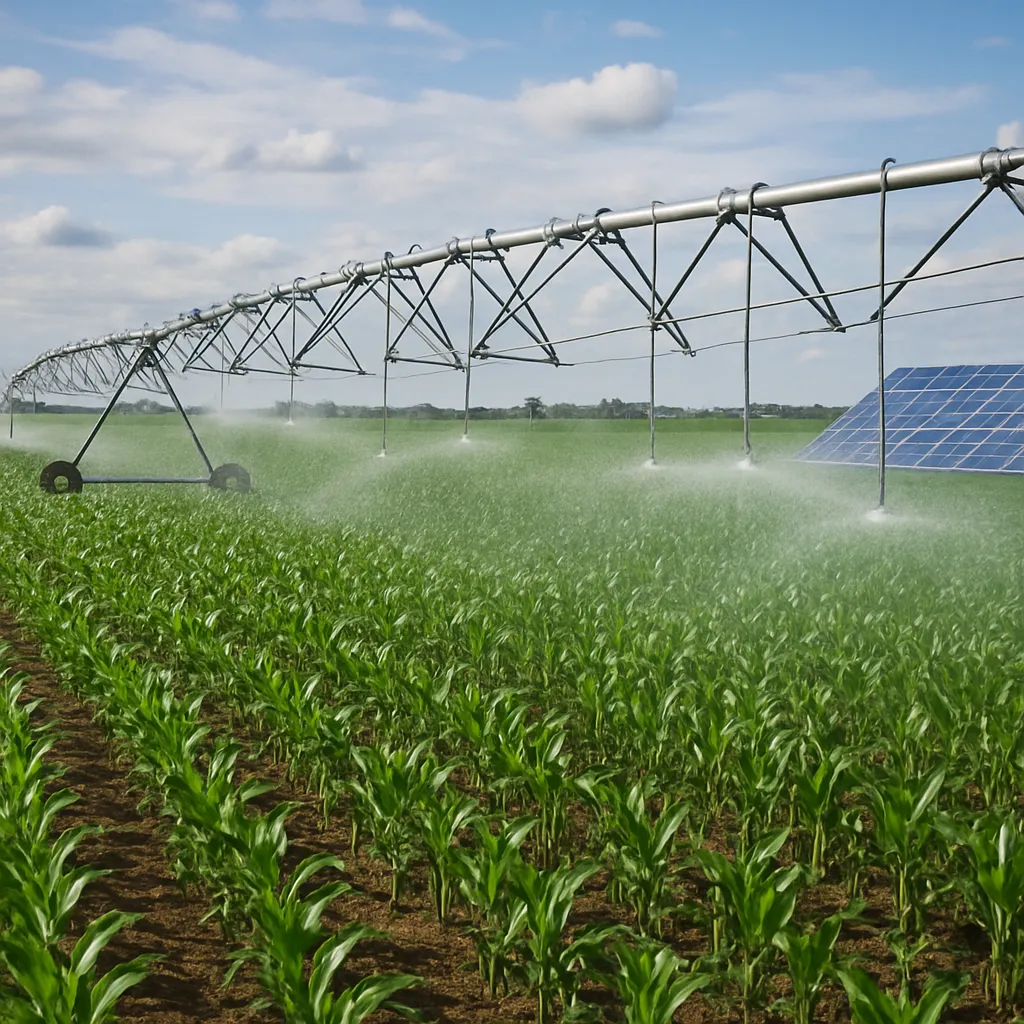
Beyond economics, co-ops enhance social well-being. Through training programs and knowledge exchange, farmers adopt conservation tillage, water-efficient irrigation, and integrated pest management. This collective learning fosters resilience against climate variability and market fluctuations.
Governance structures typically follow one-member–one-vote principles. This democratic framework promotes transparency and empowers marginalized groups, including women and youth. By giving voices to diverse stakeholders, co-ops reinforce equity in resource distribution and decision-making.
Case Studies Across Continents
Europe: The Dairy Giants
Several European countries boast dairy co-ops that rank among the world’s largest food companies. By pooling milk from thousands of smallholders, these entities invest heavily in research on animal nutrition and waste management. They negotiate export contracts with processors in Asia and Africa, leveraging collective scale to secure high-volume orders.
Member farms often receive dividends based on milk quality and volume. Co-op–run training centers offer courses on herd health, genetic improvement, and renewable energy integration. Through these initiatives, producers achieve greater yields with lower environmental footprints.
Africa: Empowering Smallholders
In Sub-Saharan regions, agricultural co-ops have emerged as catalysts for rural development. Producers of coffee, cocoa, and grains unite to access international markets. By obtaining fair-trade certification, they receive premium prices that significantly boost household incomes.
Technical partnerships with NGOs provide seedlings for drought-resistant varieties and establish post-harvest drying stations. The shared infrastructure reduces spoilage and increases the quality of exports. As a result, members experience improved food security and community prosperity.
South America: Diversification and Value-Addition
South American co-ops specialize in crops ranging from soybeans to specialty fruits. Some organizations have vertically integrated processing plants, producing oils, juices, and biofuels. This strategy enhances diversification of income streams and insulates farmers from single-commodity price swings.
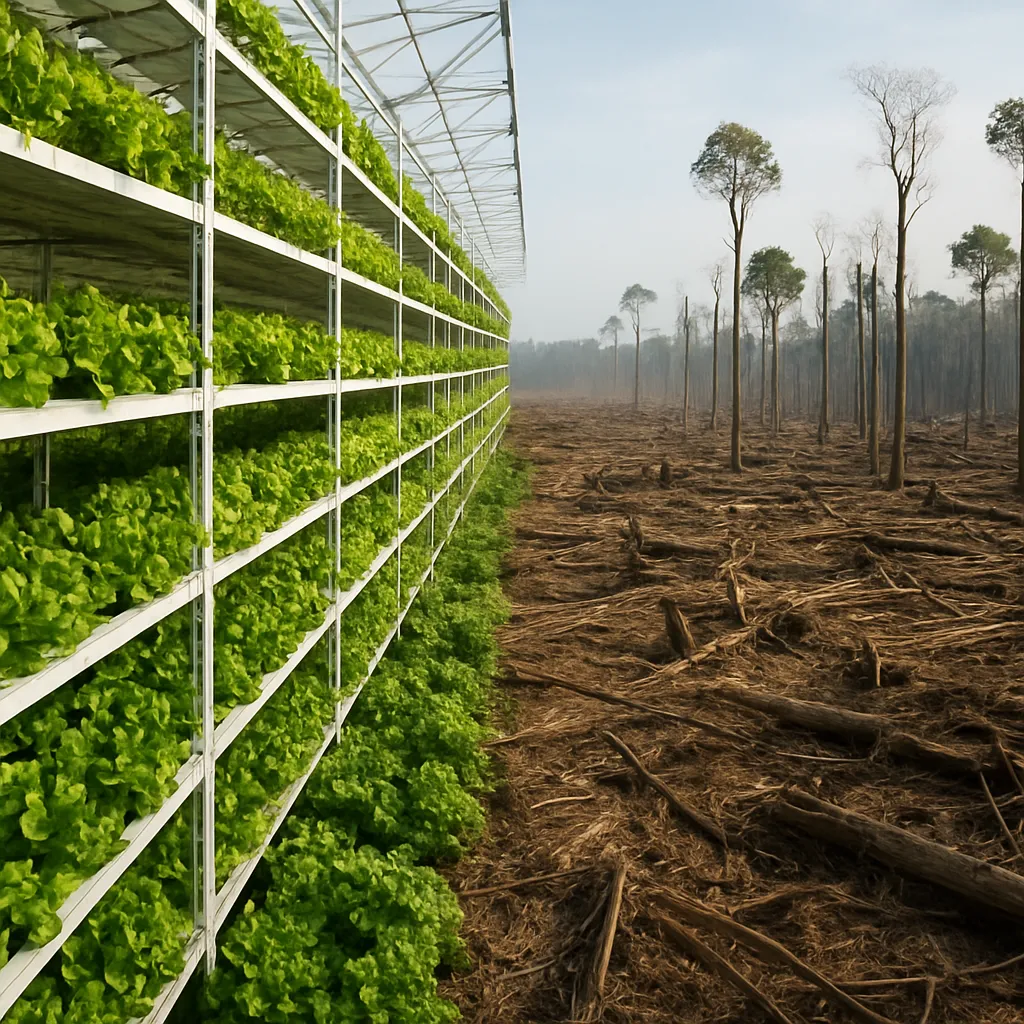
These co-ops often lead regional efforts in sustainable land management, reforestation, and organic certification. By coordinating across multiple jurisdictions, they advocate for policies that balance agricultural expansion with ecosystem conservation.
Challenges and Future Outlook
Despite their successes, agricultural co-ops face significant hurdles. Global supply chain disruptions can strain distribution networks, while volatile commodity markets challenge long-term planning. To navigate these obstacles, organizations must innovate governance and financial mechanisms continuously.
One pressing issue is scaling effectively without losing member engagement. As co-ops grow, ensuring that small producers maintain influence requires robust communication channels and digital platforms. Integrating mobile apps for voting and resource allocation can bolster transparency and collaboration.
Climate change presents both risks and opportunities. Co-ops can spearhead climate-smart agriculture by pooling investments in precision farming technologies, such as drones and soil sensors. By sharing real-time data, members can optimize input use, reduce emissions, and enhance adaptive capacity.
Financial sustainability depends on diverse revenue models. Beyond commodity sales, some co-ops explore agritourism, renewable energy generation, and carbon credit markets. These ventures increase profitability and reinforce community ties by creating local employment.
Future growth will hinge on forging partnerships across sectors. Collaborations with research institutions, impact investors, and government agencies can unlock funding for large-scale projects. Emphasizing member training in business management and digital literacy will equip co-ops to thrive in an increasingly interconnected economy.
By upholding principles of democratic control and shared ownership, agricultural co-ops can continue to drive rural prosperity. Their ability to adapt governance models, embrace innovation, and champion social inclusion positions them as pivotal players in global farming systems for decades to come.