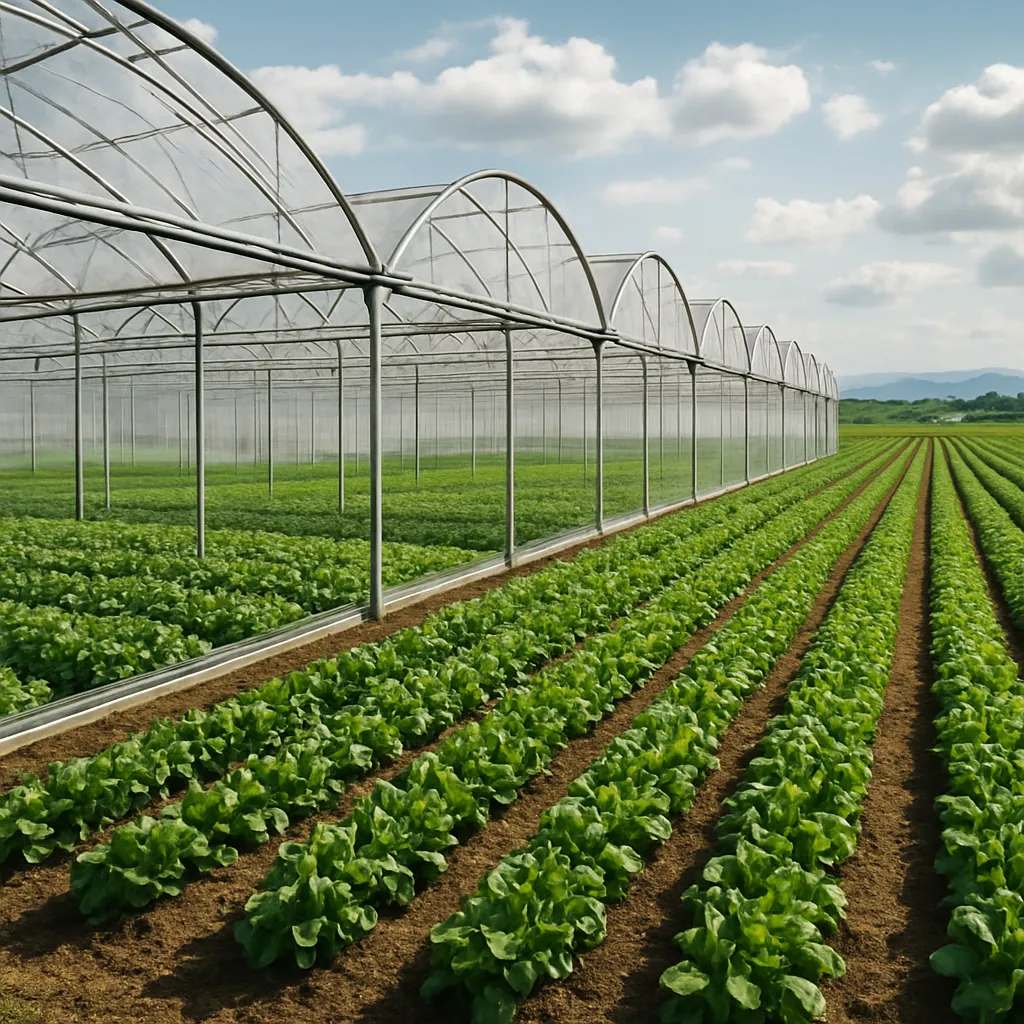
Exploring the transition from confined operations to open pastures, free-range livestock farming offers a compelling vision for the future of agriculture. By analyzing its multifaceted advantages and the obstacles it faces, stakeholders can better understand how to integrate sustainable practices into global food systems and enhance both ecological and economic outcomes.
Benefits of Free-Range Farming
Allowing animals to roam on expansive pastures can yield a multitude of positive effects that resonate across the entire supply chain. Prominent advantages include:
- Animal welfare: Free-range systems grant livestock the opportunity to express natural behaviors such as foraging, dust-bathing, and grazing. This reduction in stress often correlates with lower mortality rates and healthier herds.
- Product quality: Studies have shown that meat, eggs, and dairy produced under open conditions often exhibit enhanced flavor profiles and nutritional content, including higher levels of omega-3 fatty acids, vitamins, and minerals.
- Biodiversity: Well-managed grazing can stimulate plant growth and encourage a diversity of native grasses and forbs. This creates habitats for insects, birds, and other wildlife, reinforcing ecosystem services such as pollination.
- Soil health: The natural manure distribution by free-roaming animals acts as an organic fertilizer, enriching the soil with nitrogen, phosphorus, and potassium, while root systems of perennial plants prevent erosion.
- Environmental sustainability: When combined with rotational grazing practices, free-range farming can enhance carbon sequestration in soils and reduce reliance on synthetic fertilizers, contributing to climate change mitigation.
Challenges and Limitations
Despite its promising potential, free-range livestock farming must overcome a series of hurdles before it becomes a universally adopted model. Critical challenges include:
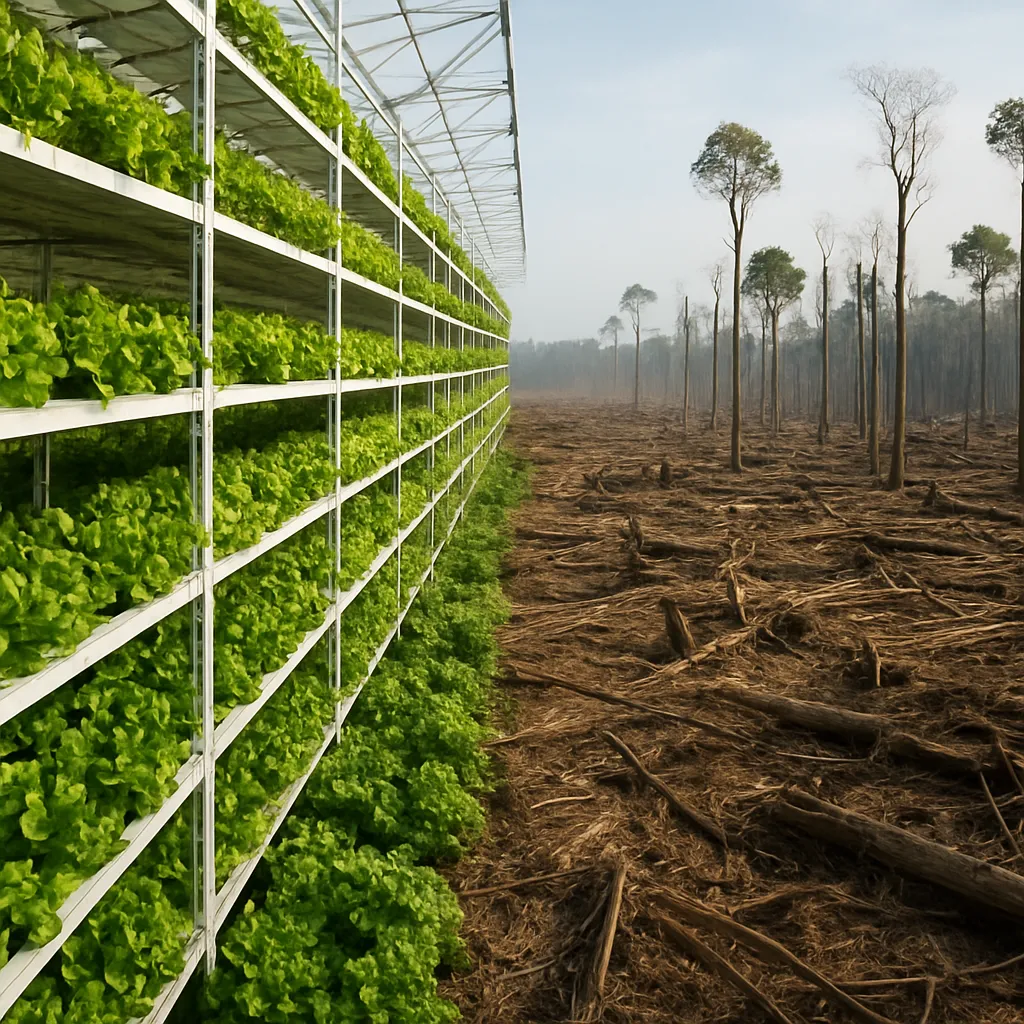
- Land availability: In densely populated regions, allocating sufficient acreage for open grazing may compete with crop production, urban development, and conservation zones.
- Predation and biosecurity: Outdoor animals are at greater risk from wild predators, disease transmission, and variable weather conditions. Effective fencing, vigilant monitoring, and vaccination programs are essential.
- Economic constraints: Establishing and maintaining free-range systems can involve higher labor costs, infrastructure investments, and lower stocking densities compared to intensive operations, affecting profitability.
- Regulatory complexity: Varying definitions of “free-range” across jurisdictions can lead to market confusion and potential mislabeling, undermining consumer trust and fair competition.
- Nutrient runoff: Without careful planning, manure from free-range herds can concentrate in certain areas, increasing the risk of water pollution in nearby rivers and groundwater.
Innovations and Future Directions
As demand for ethically produced animal products continues to rise, researchers and farmers alike are exploring novel strategies to enhance the viability of free-range systems.
Rotational and Mob Grazing
- By moving herds frequently between paddocks, pasture recovery time improves, preventing overgrazing and encouraging diverse plant regrowth.
- This approach bolsters carbon storage in soils and minimizes erosion, fostering long-term resilience against droughts and heavy rainfall.
Precision Agriculture Technologies
- GPS-enabled collars and drones provide real-time tracking of animal movements, health indicators, and pasture conditions, enabling targeted interventions and resource optimization.
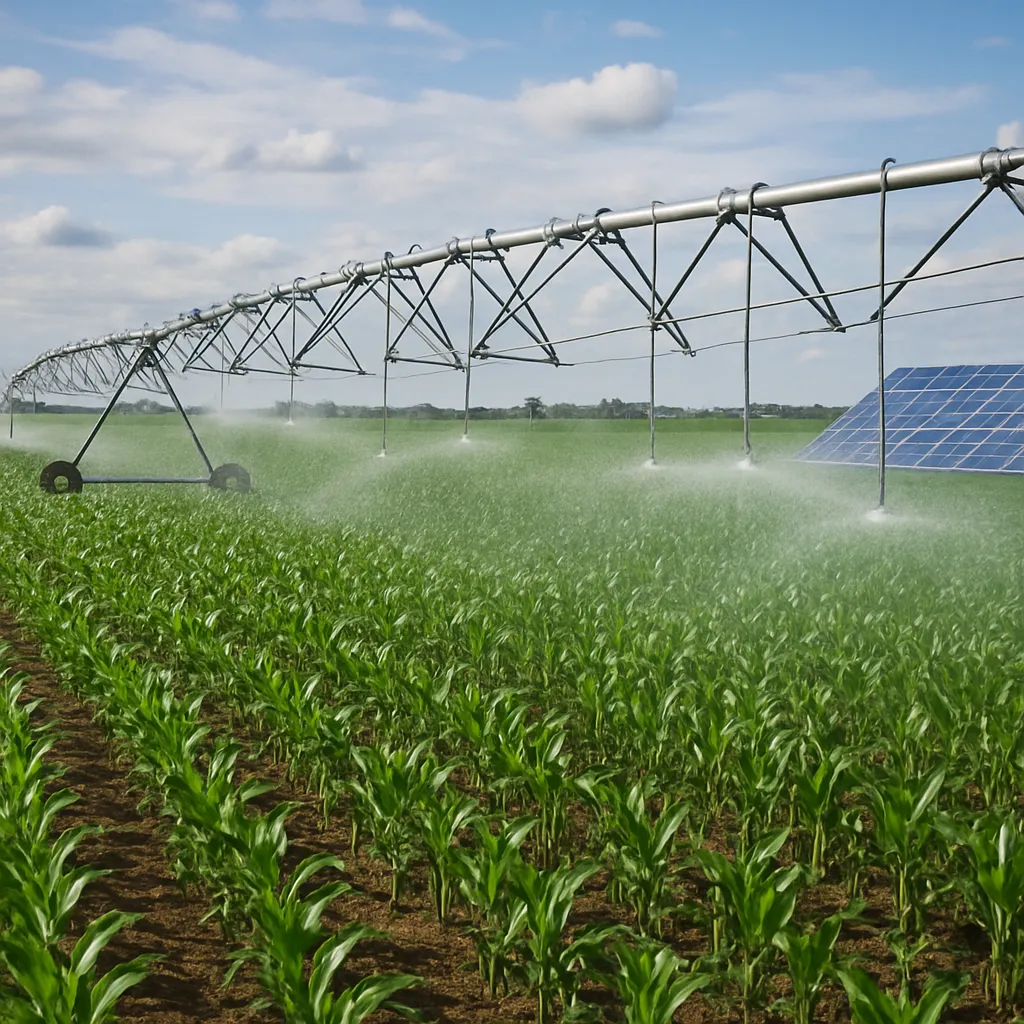
- Soil moisture sensors and remote imaging systems help farmers manage irrigation and grazing schedules, reducing wastage and enhancing efficiency.
Agroecological Integration
- Combining livestock with agroforestry or silvopasture models can yield multiple products—meat, fruits, timber—while improving microclimates and ecosystem services.
- Multi-species grazing, involving sheep, cattle, and poultry in rotation, helps control parasites and weeds naturally, decreasing the need for chemical inputs.
Policy and Market Incentives
- Governments and NGOs are exploring payment schemes for ecosystem services, rewarding farmers for practices that enhance sustainability and carbon sequestration.
- Certification programs and transparent labeling protocols strengthen consumer confidence in free-range claims, potentially commanding premium prices in global markets.
Key Takeaways for Global Farms
Optimizing free-range livestock farming requires a holistic synthesis of environmental stewardship, economic viability, and social responsibility. Through adaptive management, technological innovation, and supportive policies, this model can play a pivotal role in shaping more ethical and productive food systems worldwide.