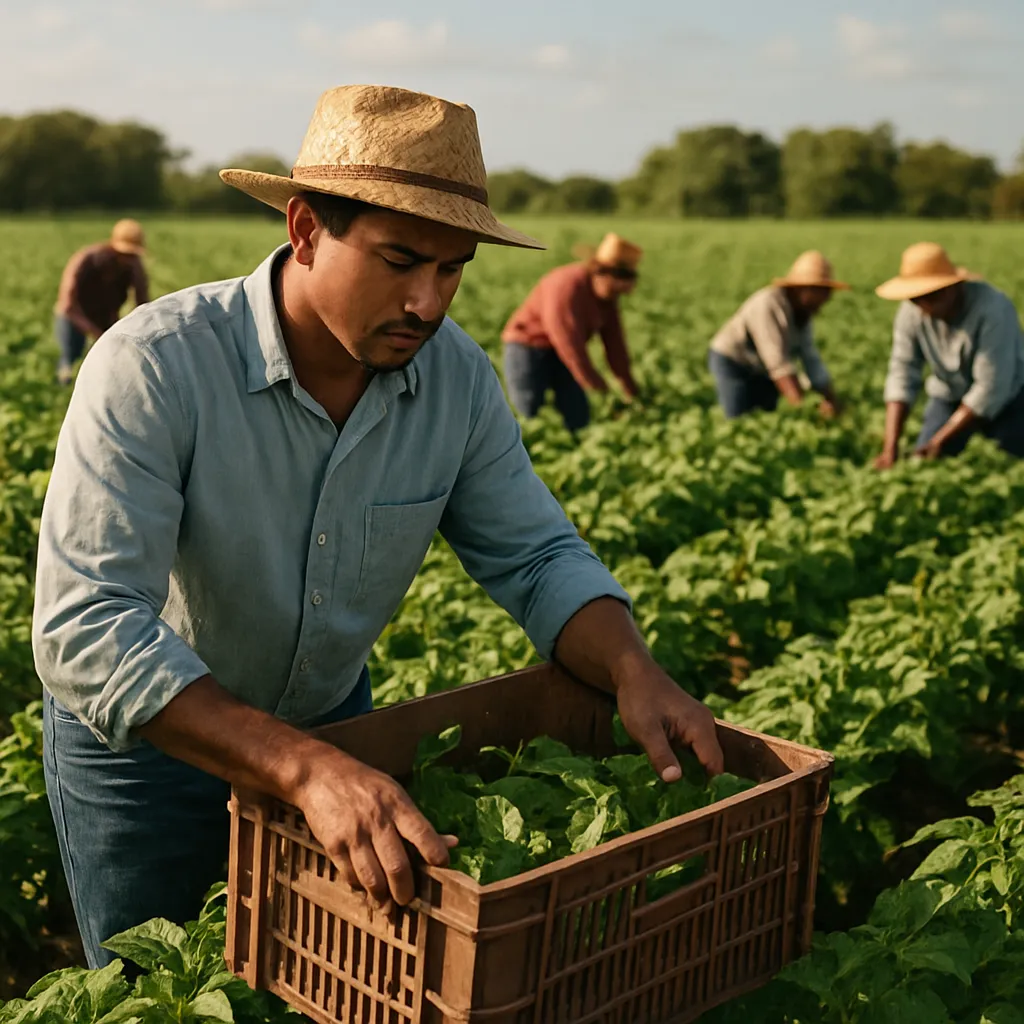
The Role of Farming Cooperatives in Supporting Sustainable Agriculture examines how collaborative efforts among producers transform global agricultural systems. Through an analysis of historical context, modern strategies, and future potentials, this article explores the multifaceted ways in which organized groups of farmers drive environmental stewardship, economic growth, and social equity. By fostering sustainability and enhancing market access, these cooperatives reinforce rural communities and promote long-term resource management.
Objectives and Evolution of Farming Cooperatives
Origins and Foundational Principles
Farming cooperatives emerged in the 19th century as grassroots responses to increasing market pressures and the challenges of individual production. Early pioneers recognized that cooperation among smallholders could secure better prices, control distribution, and share essential infrastructure. By pooling resources to purchase seeds, machinery, and storage facilities, members gained bargaining power against larger commercial entities.
Core Values and Mission
- Empowerment: Enabling farmers to participate in decision-making structures and governance.
- Resilience: Building collective capacity to withstand climate shocks, price fluctuations, and policy shifts.
- Livelihood: Ensuring stable incomes and fair profit-sharing for all participants.
- Community focus: Strengthening social bonds through shared work, training programs, and cultural preservation.
As cooperatives matured, they expanded beyond simple input buying groups into full-service organizations offering marketing, credit facilities, training, and technical assistance. This evolution reflects an ongoing commitment to innovation in business models, technology adoption, and value-added processing.
Key Strategies for Sustainable Development
Agroecological Practices and Resource Management
Integrating principles of biodiversity and soil health, cooperatives often spearhead initiatives that balance production with conservation. Techniques may include:
- Crop rotation and intercropping to improve nutrient cycling.
- Integrated pest management (IPM) reducing reliance on synthetic chemicals.
- Organic composting and green manures to enhance soil structure.
- Water harvesting and drip irrigation systems for efficient usage.
By centralizing training and coordinating field trials, cooperatives accelerate the diffusion of best practices. Peer-to-peer networks within the group facilitate rapid learning and continuous improvement, helping members adapt to changing climatic conditions and evolving market demands.
Value Chain Integration and Processing
Extending beyond primary production, many cooperatives establish collectively owned processing facilities, packaging lines, and distribution channels. This vertical integration enhances efficiency and allows producers to capture a greater share of final product value. Examples include:
- Community-operated dairy processing plants producing cheese, yogurt, and butter.
- Oil pressing units for olives, coconut, or sunflower, enabling local branding.
- Cold storage warehouses preserving fruits and vegetables for off-season markets.
These ventures not only improve income streams but also reduce post-harvest losses, a critical factor in both economic viability and environmental footprint reduction.
Financial Services and Risk Mitigation
Access to credit and insurance remains a significant barrier for many small-scale farmers. Cooperatives often address this by:
- Establishing revolving loan funds allowing members to invest in equipment or inputs.
- Offering group-based insurance schemes covering weather-related events and crop failures.
- Negotiating lower interest rates through collective collateral pooling.
These financial mechanisms contribute to the resilience of farming households, helping them withstand economic downturns and climate variability without resorting to unsustainable coping strategies.
Global Impact and Future Prospects
Success Stories Across Continents
From East Africa’s coffee cooperatives to Europe’s dairy collectives and Latin America’s grain alliances, success stories illustrate the transformative potential of organized producer groups:
- In Ethiopia, cooperative unions handle over 60% of coffee exports, ensuring premiums for quality beans.
- In France, dairy cooperatives dominate cheese production, upholding traditional methods while meeting strict quality standards.
- In Brazil, soy growers’ associations collaborate on sustainability certifications, mitigating deforestation pressures.
These examples underscore how collective action amplifies both economic benefits and environmental stewardship.
Emerging Trends and Technological Integration
Advances in digital agriculture present new opportunities for cooperatives to optimize operations and expand reach:
- Mobile platforms for real-time market prices, weather alerts, and agronomic advice.
- Blockchain-based traceability systems assuring consumers of product origin and eco-certifications.
- Remote sensing and drones for precision monitoring of crop health and resource utilization.
By adopting these tools, cooperatives strengthen governance transparency and foster trust across supply chains, further enhancing market access and consumer confidence.
Challenges and Pathways Forward
Despite impressive gains, farming cooperatives face persistent obstacles:
- Governance issues such as leadership turnover and equitable representation.
- Capital constraints limiting expansion of processing infrastructure.
- External competition from industrial agribusinesses with greater economies of scale.
Addressing these challenges requires a concerted effort from policymakers, development agencies, and the cooperatives themselves. Strategies include tailored capacity-building programs, supportive regulatory frameworks, and partnerships with research institutions. Strengthening institutional networks can also facilitate cross-border collaboration and knowledge exchange.
Vision for a Collaborative Agricultural Future
Reimagining Rural Economies
By placing farmers at the heart of decision-making, cooperatives offer a pathway to more equitable and sustainable food systems. Their emphasis on empowerment and community-driven solutions aligns with global agendas such as the United Nations Sustainable Development Goals. As the world grapples with increasing population demands and environmental constraints, the cooperative model stands out for its potential to harmonize productivity with planetary health.
Building on Collective Strength
The next decade will likely see an expansion of cooperative networks engaging in regenerative agriculture, carbon trading initiatives, and climate-smart financing. Through continued investment in human capital, technology adoption, and diversified enterprise models, farming cooperatives will remain pivotal in shaping resilient and inclusive agricultural landscapes.