The agricultural sector stands as a cornerstone of the global economy, with farm workers playing a pivotal role in sustaining food systems, driving rural development, and shaping trade patterns. Their contributions encompass labor-intensive tasks, seasonal migrations, and adaptation to evolving technologies. This article explores the multifaceted world of farm labor, examining labor dynamics, economic implications, social challenges, and the trajectory of innovation across diverse regions.
Labor Dynamics on World Farms
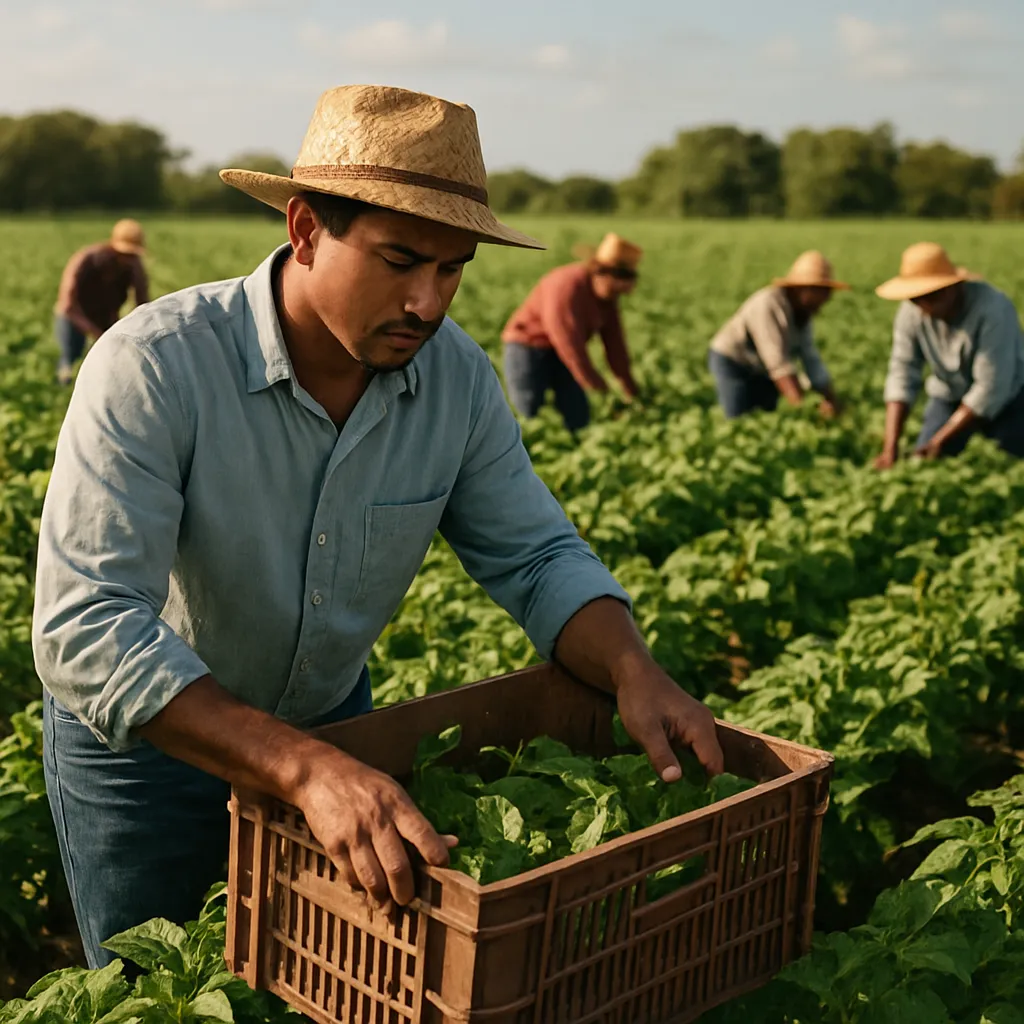
Farm workers often embody the lifeblood of rural communities, executing tasks ranging from sowing seeds to harvesting crops under varying climatic conditions. In many regions, especially in low- and middle-income countries, agriculture remains highly labor-intensive due to limited access to mechanization and capital. Seasonal migrations, commonly observed in Latin America, Africa, and parts of Asia, foster a nomadic workforce that follows crop cycles across borders. These migrants confront fluctuating wages, precarious housing, and sporadic access to healthcare, underscoring the need for robust social protection schemes.
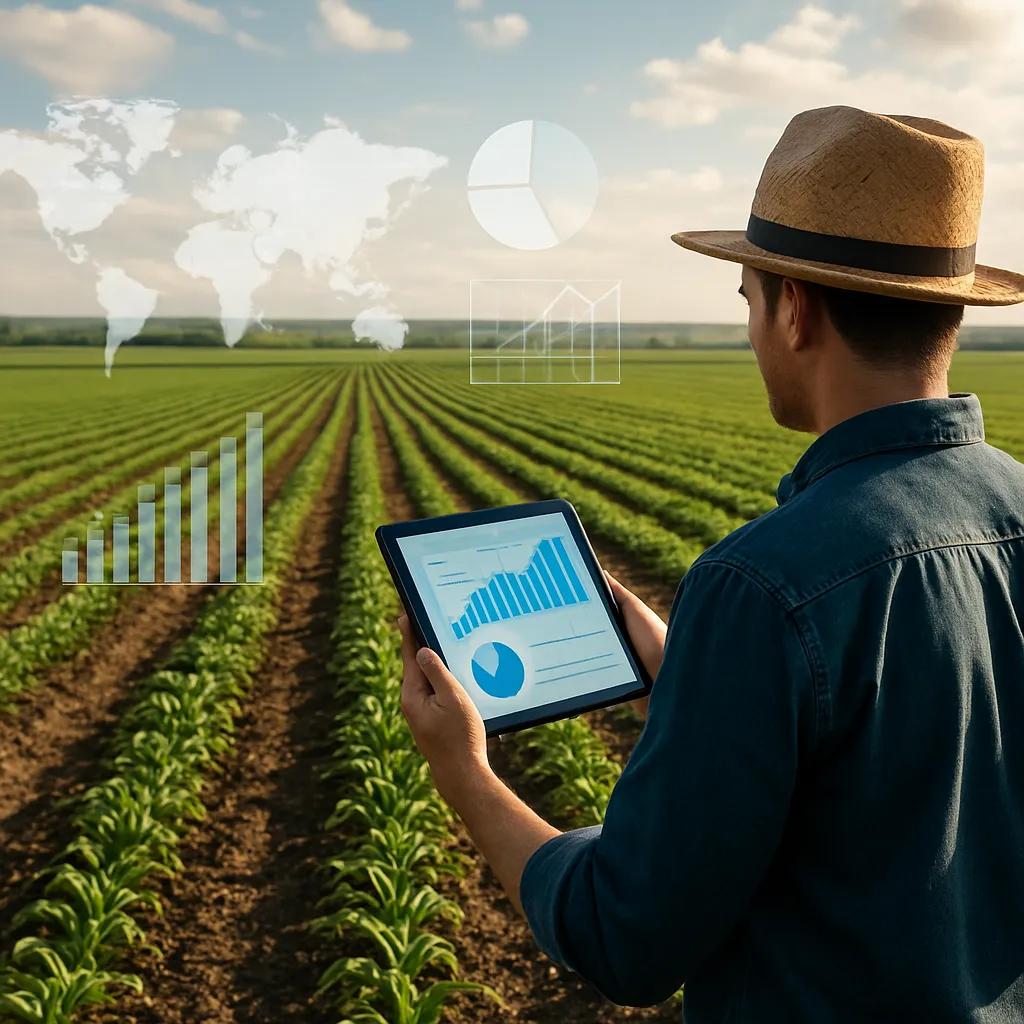
By contrast, high-income countries have seen a steady rise in digitization of farm operations, introducing tools such as precision sensors, drones, and data analytics. These innovations promise gains in productivity and resource efficiency, yet they also raise questions about labor displacement and skill mismatches. As farms adopt smart irrigation and automated harvesting, the demand for traditional field labor may decline, reshaping rural labor markets and precipitating new forms of inequality. Bridging this divide demands targeted training programs and inclusive policies that harness technology for the benefit of both employers and employees.
Seasonal Work and Migration Patterns
- Central American laborers traveling to North America for fruit and vegetable harvests.
- North African workers in Southern European olive groves and vineyards.
- South Asian migrants contributing to Gulf States’ date farming and dairy sectors.
Economic Impact and Challenges
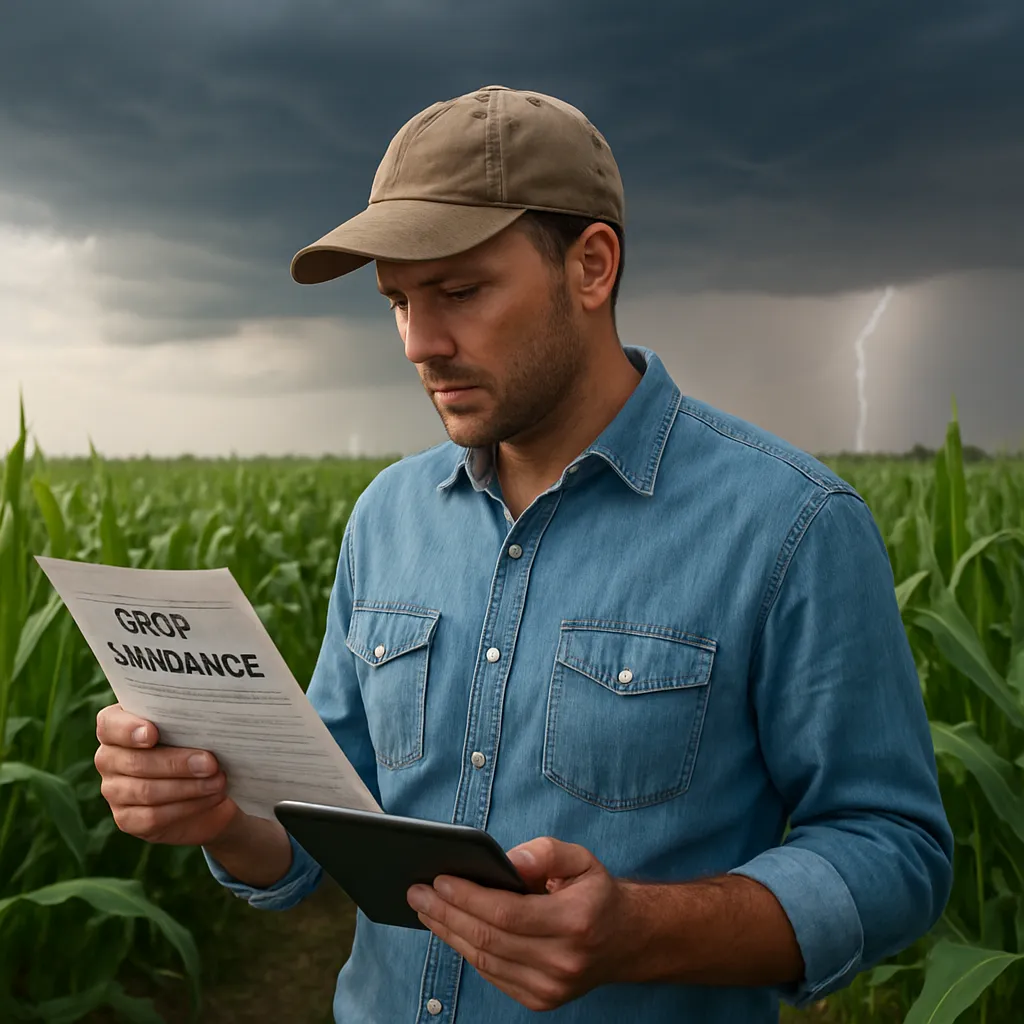
The monetary contribution of farm workers extends beyond direct output: they support allied industries such as transportation, food processing, and retail. In regions where agriculture accounts for a significant portion of GDP, labor shortages can disrupt supply chains and inflate consumer prices. The COVID-19 pandemic, for example, exposed vulnerabilities as travel restrictions prevented migrant harvesters from reaching fields, leading to unpicked crops and financial strain on smallholders.
Farm labor markets often operate at the intersection of formal and informal employment. Informal workers, lacking contracts or legal protections, constitute a sizable share of the workforce in many countries. They face irregular pay, limited bargaining power, and exposure to unsafe conditions, including excessive pesticide exposure and heat stress. Governments and international bodies have advocated for minimum wage regulations and occupational safety standards, yet enforcement remains uneven. Strengthening policies and enhancing inspection regimes are essential steps toward ensuring decent work in agriculture.
Trade, Food Security, and Development
- Export-oriented farms rely on stable labor supplies to meet global demand for commodities like coffee, cocoa, and cut flowers.
- Smallholder producers depend on affordable labor to compete with larger agribusinesses, impacting rural livelihoods.
- Food security hinges on timely planting and harvesting; labor disruptions can provoke local shortages and price spikes.
Social Dimensions and Worker Well-being
Many farm workers endure challenging living conditions, from overcrowded dormitories to remote camps with limited services. Access to education for their children is often inadequate, perpetuating cycles of poverty. Gender dynamics further complicate the picture: women constitute a large segment of the agricultural workforce, yet they frequently receive lower pay, have less access to land rights, and perform unpaid tasks such as sorting and packing.
Addressing these inequities demands a holistic approach that integrates labor rights with community development. Cooperatives and farmer associations can empower workers to negotiate better terms, access microcredit, and invest in sustainable practices. Additionally, corporate social responsibility initiatives by major retailers and food brands have begun to trace supply chains, incentivizing fair labor standards through certification schemes. While such efforts represent progress, effective change requires collaboration among governments, civil society, and the private sector to tackle systemic inequality and discrimination.
Health, Safety, and Education
- Exposure to agrochemicals and extreme weather hazards calls for improved protective equipment and training.
- Mobile health clinics and telemedicine can bridge gaps in rural healthcare access.
- Literacy and vocational programs equip farm workers with skills to diversify income sources.
Technological Innovations and the Future of Farm Labor
Emerging technologies promise to transform agricultural labor, offering tools for sustainable intensification and resource conservation. Robotic harvesters, for instance, can reduce reliance on seasonal crews, particularly in orchards and vineyards. Artificial intelligence algorithms optimize planting schedules and pest management, boosting yields while minimizing chemical inputs. However, the leap from pilot projects to widespread adoption hinges on affordability and adaptability to local contexts.
Digital platforms that connect farmers with laborers in real time are gaining traction in various regions. These apps streamline recruitment, payroll, and compliance, reducing transaction costs and improving transparency. Furthermore, blockchain-based supply chain tracking ensures traceability, enabling consumers to make informed choices and rewarding producers who adhere to ethical labor practices. As agriculture confronts the twin pressures of climate change and population growth, resilient labor models will be crucial for safeguarding food systems.
Sustainable Practices and Ecosystem Preservation
- Agroecology emphasizes biodiversity, soil health, and community involvement, creating new roles for skilled labor.
- Renewable energy installations on farms, such as solar irrigation, can generate green jobs.
- Climate-smart agriculture training programs prepare workers to implement resilience measures against droughts and floods.
Policy Pathways and Global Collaboration
Effective governance frameworks must balance the interests of farm owners, laborers, and consumers. International labor standards set by agencies like the International Labour Organization provide a blueprint, but national implementation varies widely. Trade agreements increasingly include labor provisions, linking market access to compliance with fair work conditions. At the same time, local governments can incentivize mechanization grants or tax breaks to modernize farms without displacing workers.
Multi-stakeholder partnerships, involving NGOs, research institutions, and agribusinesses, are driving pilot initiatives in worker training, digital inclusion, and renewable energy integration. These collaborations aim to develop scalable models that enhance productivity while upholding human rights. Ultimately, the global agricultural economy depends on resilient, skilled, and fairly compensated farm workers to nourish a growing population and preserve the planet’s precious ecosystems.