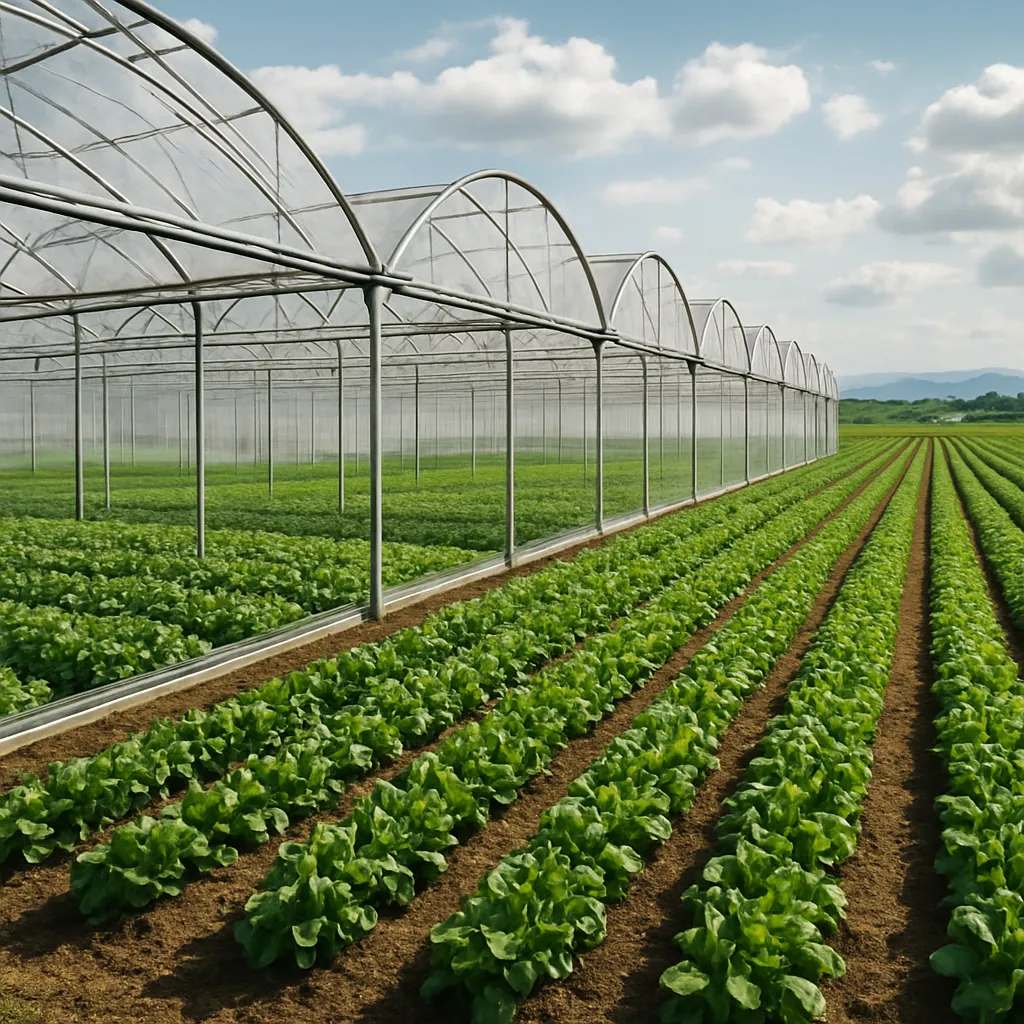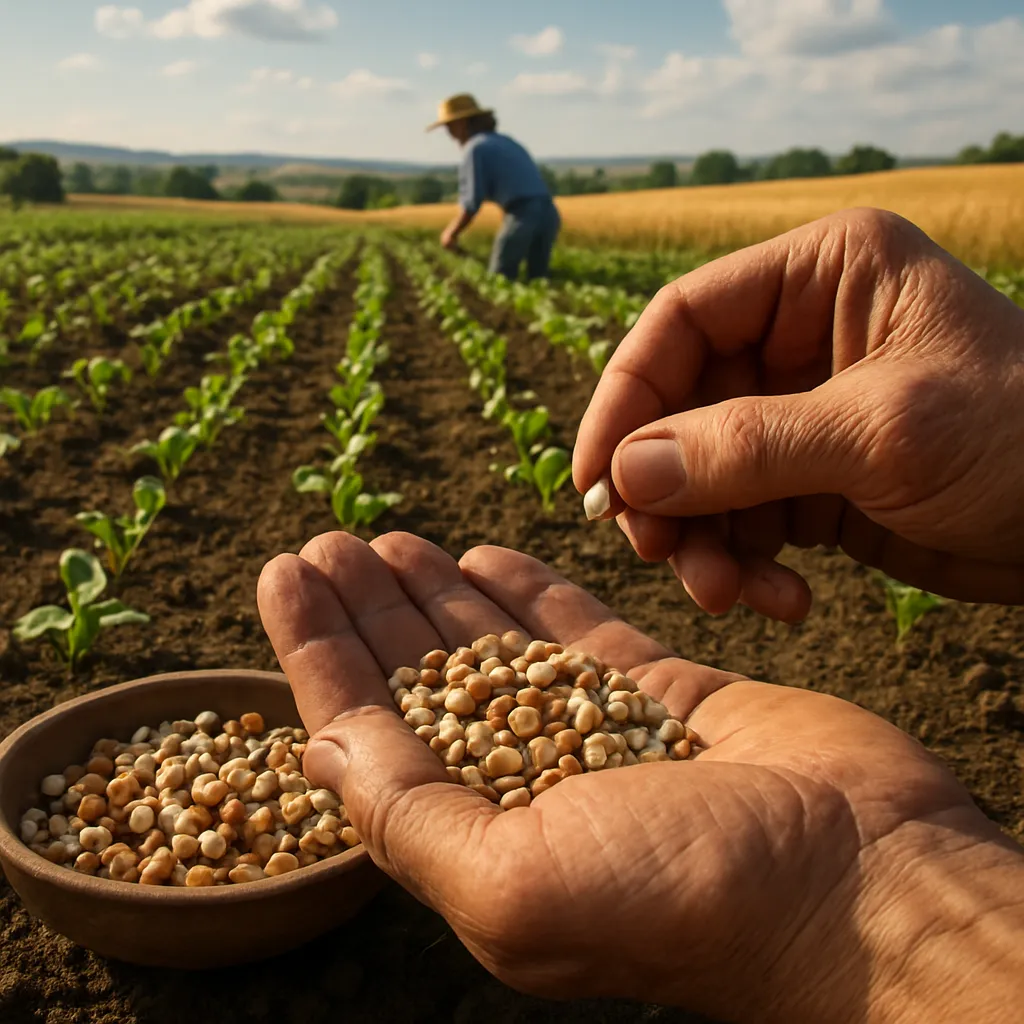
Heirloom seeds represent centuries of agricultural heritage passed down through generations, embodying a living archive of genetic variation. Farmers and gardeners around the globe cultivate these varieties not only for their distinctive flavors and appearances but also for their vital role in promoting biodiversity and long-term food security. As global farming systems face mounting challenges—from climate change to intensive monoculture—preserving heirloom seeds becomes a strategic cornerstone for ensuring resilient, nutritious, and culturally rich food supplies.
Unique Genetic Diversity and Food Security
Heirloom seeds thrive on the principle of natural selection and farmer-led adaptation. Unlike commercial hybrids, heirloom varieties are open-pollinated, meaning they can reproduce true to type when grown under similar conditions each season. This process fosters a vast genetic pool that can adapt to diverse environmental stresses, pests, and diseases. By maintaining a broad array of seed varieties, farming communities can harness multiple layers of defense against crop failure.
- Increased resilience: Heirloom seeds often exhibit robust resistance to local pests and diseases, reducing dependency on chemical inputs.
- Climate adaptability: Varieties selected over decades or centuries in a particular locale can tolerate droughts, flooding, or temperature swings.
- Food security buffer: A diverse seed bank mitigates the risk of single-point failures that plague monocultures.
Global initiatives emphasize the importance of integrating heirloom varieties into mainstream agriculture as a mitigation strategy against the vulnerabilities posed by industrial farming models. These seeds form a living defense network, safeguarding against unforeseen agricultural crises.
Cultural Heritage and Community Empowerment
Cultivating heirloom seeds is not solely a matter of agrobiology—it is a profound exercise in cultural preservation. Many traditional seed varieties are inextricably linked to the customs, cuisines, and rituals of indigenous and rural communities. When farmers save and share these seeds, they conserve ancestral wisdom, reinforcing community identity and local autonomy.
- Local knowledge transmission: Elders teach younger generations the art of seed selection, storage, and planting through hands-on experience.
- Community seed exchanges: Regular gatherings foster social cohesion and mutual support, ensuring that rare varieties remain in circulation.
- Empowerment of smallholders: Access to heirloom seeds reduces dependence on patented, commercial seed suppliers, promoting self-reliance.
By honoring traditional practices and recognizing seed keepers as custodians of irreplaceable genetic resources, societies build resilient farming networks rooted in shared heritage and solidarity.
Environmental Impact and Agroecological Practices
Integrating heirloom seeds into agroecological farming systems enhances ecosystem services and environmental sustainability. These varieties often require fewer synthetic inputs due to their innate capacity to thrive under local conditions. Cultivating diverse crops in rotation or polyculture settings fosters healthier soils, supports beneficial insects, and curbs erosion.
- Ecosystem enhancement: Diverse plantings attract pollinators and predatory insects that control pests naturally.
- Soil health: Deep-rooted heirloom legumes and grains contribute to nitrogen fixation and organic matter buildup.
- Water management: Varieties adapted to local rainfall patterns minimize irrigation needs.
These practices underscore the synergy between heirloom seed preservation and the principles of regenerative agriculture. By reducing reliance on external inputs and encouraging natural processes, farmers foster sustainable landscapes that endure.
Challenges and Strategies for Preservation
Despite their value, heirloom seeds face numerous threats. Industrial agriculture’s focus on uniform, high-yield hybrids has marginalized many traditional varieties. Climate change adds pressure by shifting growing conditions faster than some seeds can adapt. Moreover, limited awareness and regulatory barriers impede the free exchange of seeds across regions and borders.
Key Obstacles
- Commercial monopolies: Patented seeds and corporate consolidation restrict farmer sovereignty and access to heirloom genetics.
- Loss of indigenous knowledge: Urban migration and aging farming populations erode the custodial networks that nurture seed diversity.
- Climate volatility: Rapid environmental shifts challenge the survival of varieties tied to historical growing zones.
Effective Preservation Strategies
- Community seed banks: Local repositories where farmers can deposit, exchange, and access heirloom varieties year after year.
- Participatory breeding programs: Collaborative efforts that combine scientific research with farmer expertise to select and improve varieties under evolving conditions.
- Policy support: Advocacy for legal frameworks that protect seed sovereignty and facilitate cross-border exchanges for humanitarian relief.
Through a blend of grassroots action and supportive policies, it is possible to reverse the decline of heirloom seeds and embed their preservation within mainstream agricultural agendas.
Global Initiatives and Future Prospects
Various organizations and networks champion the cause of heirloom seed conservation on a global scale. The Svalbard Global Seed Vault stands as a symbolic insurance policy, safeguarding duplicates of critical seed collections from around the world. Meanwhile, grassroots movements like Slow Food’s Ark of Taste catalog endangered foods, promoting their cultivation and consumption.
- Conservation partnerships: Collaborations between universities, NGOs, and farming cooperatives accelerate research on heirloom genetics and climate resilience.
- Seed libraries: Urban and rural libraries lend seeds much like books, encouraging home gardeners and new farmers to experiment with heirloom varieties.
- Digital platforms: Online databases and seed-tracking apps facilitate knowledge exchange, enabling users to share performance data and adaptation strategies.
The path forward involves integrating heirloom seeds into broader food systems, from small-scale gardens to commercial production. By valuing the intrinsic links between culture, ecology, and nutrition, stakeholders can foster innovative frameworks that elevate heirloom conservation as a pillar of sustainable agriculture. Empowering farmers with diverse seed options and enhancing consumer awareness about the importance of variety will drive demand for produce that celebrates both flavor and sustainability.
Strengthening Collaboration for Seed Sovereignty
To fully realize the potential of heirloom seeds, cross-sector collaboration is essential. Governments, research institutes, civil society, and private enterprises must align on principles that prioritize ecological balance, equitable access, and knowledge sharing. Strategic investments in community-driven seed systems, capacity-building workshops, and educational campaigns will reinforce the networks that uphold seed diversity.
- Adaptation financing: Grants and microloans can support smallholder trials of heirloom varieties in challenging climates.
- Curriculum integration: Agricultural schools should incorporate heirloom-focused modules to train the next generation of agroecologists and farmers.
- Market development: Certifications and branding initiatives can create premium markets for heirloom-based products, incentivizing farmers to invest in traditional varieties.
Ultimately, preserving heirloom seeds is more than a technical exercise—it is a collective responsibility to nurture the foundations of resilient, diverse, and just food systems worldwide.