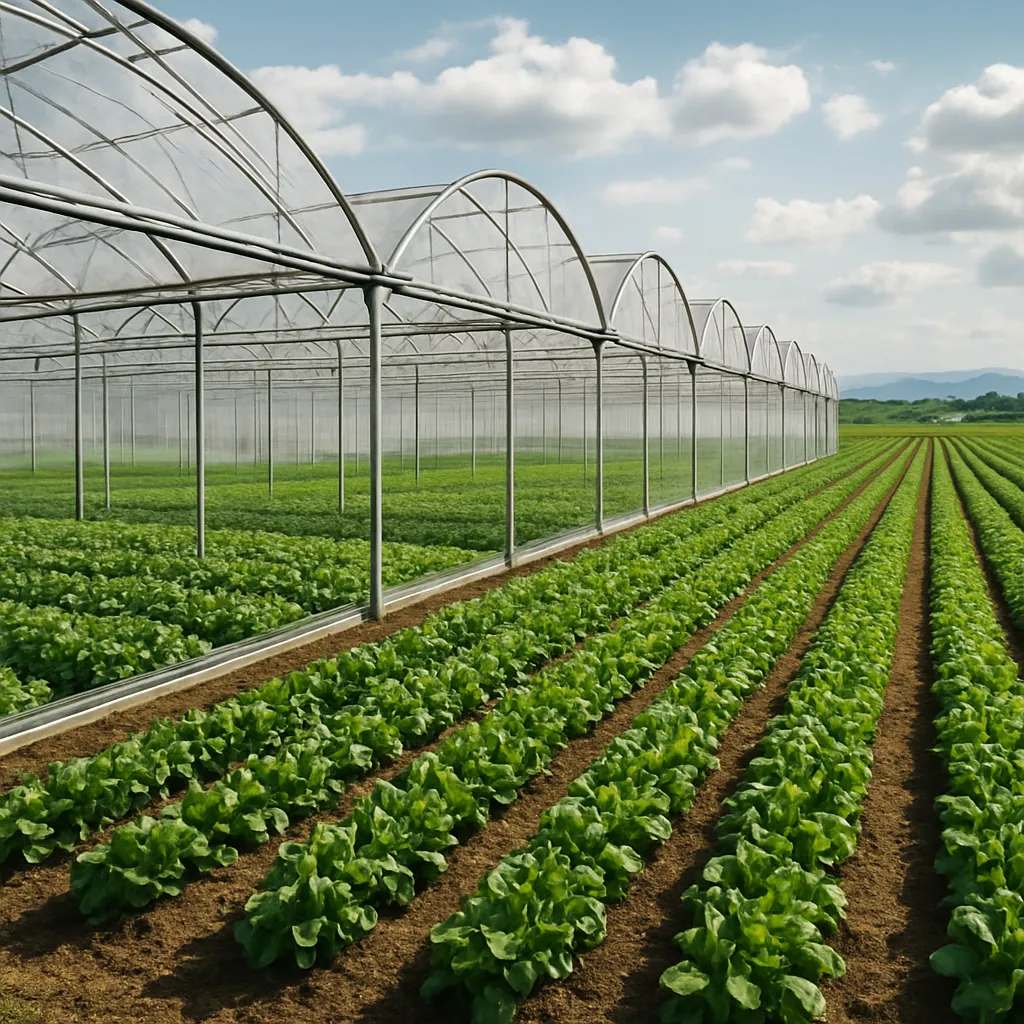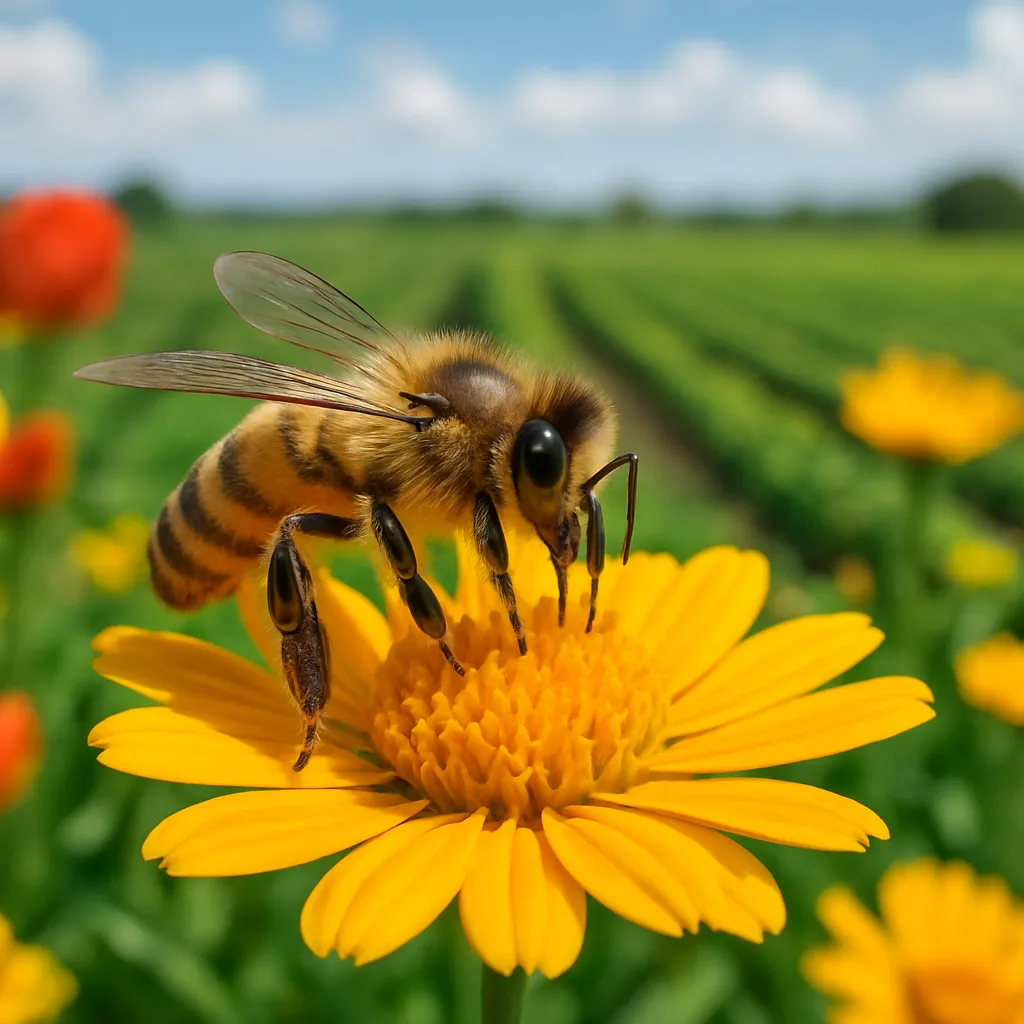
Agricultural landscapes across the globe rely on countless interactions between plants, animals, and human activity. Among these, the relationship between crops and pollinators emerges as a cornerstone of food production and ecosystem health. Protecting pollinator populations is not merely an environmental concern but a critical factor in ensuring global food security, economic prosperity, and the resilience of natural systems.
Global Decline of Pollinators and Agricultural Impact
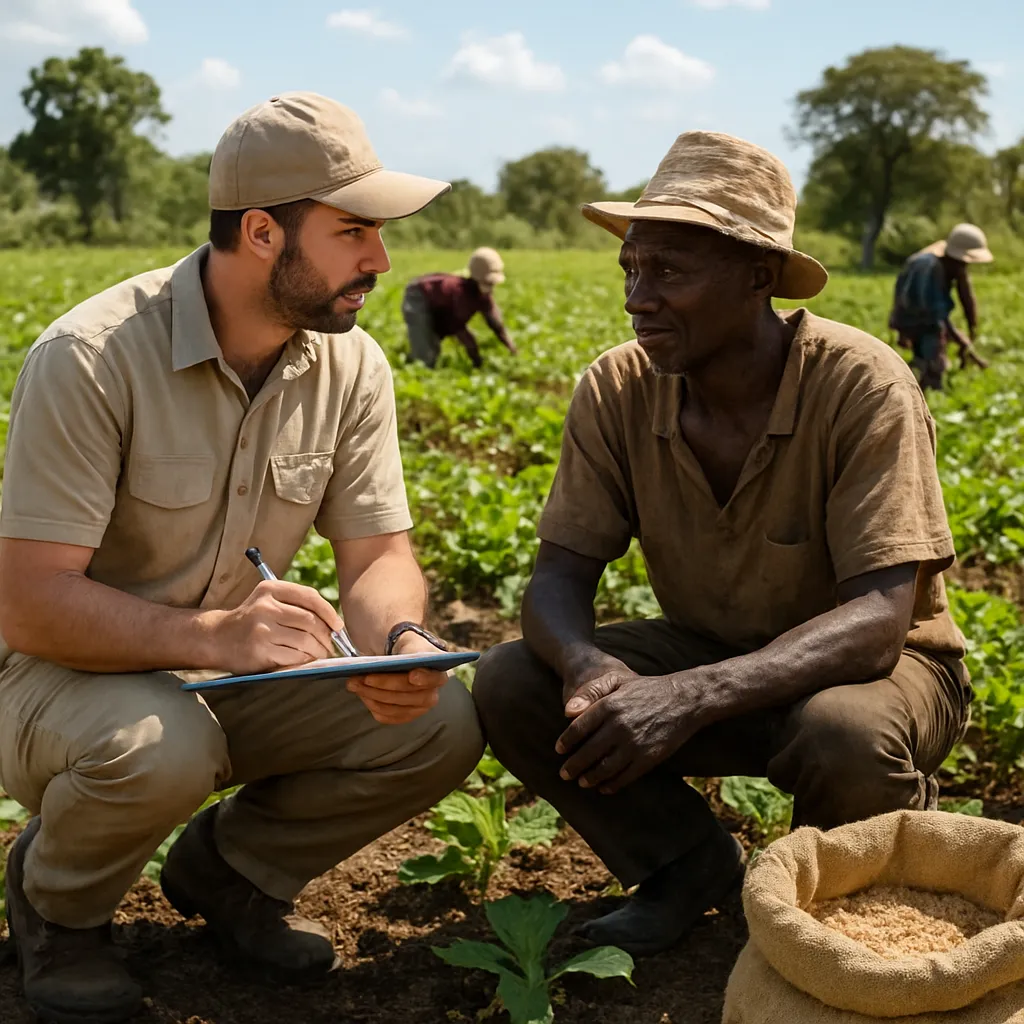
Over recent decades, scientists have documented alarming decreases in wild bee populations, butterfly species, and other vital invertebrates. This decline directly undermines the sustainability of farming practices because more than three-quarters of the world’s leading crops depend at least in part on animal pollination. When pollinator numbers drop, yields of fruits, nuts, and vegetables can fall by 20 to 40 percent, leading to higher prices and reduced nutritional variety. Small-holder farms in developing countries are especially vulnerable, as they often lack the resources to purchase alternative pollination services or adapt cropping systems rapidly.
Ecological and Economic Roles of Pollinators
Healthy pollinator communities contribute far beyond mere crop fertilization. Native bees, hoverflies, moths, and other insects facilitate cross-pollination, enhancing genetic diversity in plant populations. This genetic mixing improves plant health, disease resistance, and adaptive capacity to environmental stressors. In turn, these traits boost overall biodiversity within agroecosystems and surrounding landscapes.
Key Benefits of Pollinator Activity
- Increased crop yields and quality
- Enhanced nutritional value of fruits and vegetables
- Support for wild plant reproduction, sustaining wildlife habitats
- Boosted resilience against pests and diseases
- Economic gains for farm communities and export markets
Globally, pollination services are estimated to be worth hundreds of billions of dollars annually. The loss of these services could destabilize rural economies, drive up food insecurity, and deepen inequities between nations.
Threats to Pollinator Populations
Several interlinked factors contribute to the declining trends in pollinator abundance and diversity. Addressing these threats requires understanding their complexities and cumulative impacts.
- Pesticides: Widespread use of insecticides, herbicides, and fungicides can directly kill non-target insects or impair their navigation, reproduction, and immunity.
- Habitat loss: Conversion of meadows, wildflower strips, and hedgerows into industrial monocultures eliminates nesting sites and varied floral resources.
- Monocultures: Large-scale planting of single crops reduces the seasonal availability of nectar and pollen, forcing pollinators to travel farther or starve during off-flowering periods.
- Climate change: Altered temperature and precipitation patterns can disturb flowering times, desynchronize plant–pollinator interactions, and shift species ranges.
- Pathogens and parasites: Emerging diseases, such as the varroa mite in honeybee colonies, exacerbate stress on pollinator health.
Strategies for Pollinator Protection
Concerted efforts at local, national, and international levels can reverse pollinator decline and bolster agricultural sustainability. Integrating multiple approaches maximizes benefits for both farmers and ecosystems.
1. Habitat Restoration and Conservation
- Establish wildflower corridors alongside crop fields to provide continuous forage.
- Preserve natural grasslands, wetlands, and forest fragments that serve as nesting and overwintering sites.
- Implement rotational grazing practices to maintain floral diversity in pasturelands.
By prioritizing habitat restoration, agricultural landscapes become mosaics where pollinators can thrive year-round, enhancing farm resilience to environmental fluctuations.
2. Integrated Pest Management (IPM)
- Adopt biological controls, such as predatory insects and microbial agents, to reduce chemical reliance.
- Use targeted application of biopesticides and less harmful compounds when intervention is necessary.
- Monitor pest thresholds carefully to avoid unnecessary spraying.
Reducing chemical loads safeguards non-target species and supports robust pollinator populations, reinforcing natural ecosystem services.
3. Diversified Cropping Systems
- Rotate different crop species to break pest cycles and improve soil quality.
- Intercrop legumes, oilseeds, and fruiting plants to extend flowering periods and resource availability.
- Incorporate hedgerows, cover crops, and agroforestry elements to provide structural diversity.
Diversification lessens dependence on single commodities and mitigates risks associated with monocultures. It also enhances pollinator habitat within working farms.
4. Policy Measures and Incentives
- Develop subsidies and payment schemes rewarding conservation-oriented practices.
- Enforce restrictions on the most harmful agrochemicals and encourage adoption of pollinator-friendly alternatives.
- Support research into pollinator health, habitat requirements, and breeding programs for resilient species.
Effective policy frameworks align farmer incentives with environmental goals, creating synergies that sustain both agricultural productivity and biodiversity.
Engaging Stakeholders for Lasting Change
Achieving meaningful pollinator protection demands collaboration among farmers, researchers, government agencies, NGOs, and consumers. Educational campaigns can raise awareness of the vital role pollinators play in daily diets, motivating voluntary adoption of best practices. Citizen science initiatives empower communities to monitor local bee populations, contributing valuable data for adaptive management.
Meanwhile, opportunities exist to link regional supply chains with pollinator-friendly certification schemes. Retailers and food processors can highlight sustainably produced goods, creating market incentives for growers who invest in pollinator health.
The Path Forward
Ensuring the future of global agriculture hinges on recognizing pollinators as indispensable allies rather than expendable resources. By combining habitat enhancement, chemical stewardship, diversified farming, and supportive policies, societies can secure stronger food systems, healthier ecosystems, and more equitable economies. As the world confronts increasing pressures from population growth and environmental change, protecting pollinators stands out as a high-impact strategy to cultivate a resilient and productive planet.