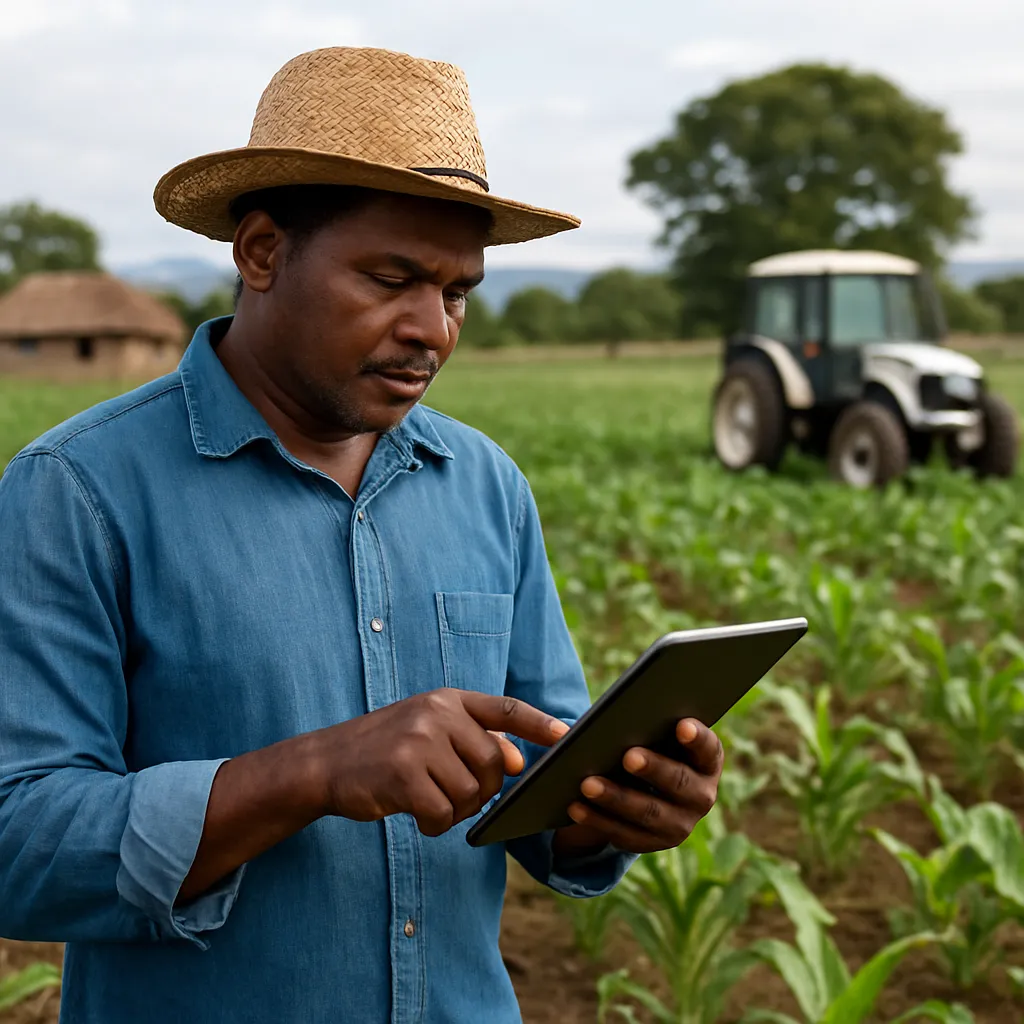
Small-scale farms in developing countries are at a critical juncture as modern technologies rapidly transform agricultural practices. These enterprises, often characterized by limited land holdings and scarce resources, can unlock new levels of productivity and resilience through targeted interventions. By adopting digital tools, precision equipment and tailored extension services, farmers are gradually shifting from traditional methods to more efficient, sustainable models that better withstand climatic and economic pressures.
Harnessing Digital Tools to Enhance Productivity
One of the most profound changes on small-scale farms is the integration of technology into everyday decision-making. Affordable smartphones and low-bandwidth connectivity have opened doors to a range of apps and platforms designed to boost yields, optimize inputs and monitor crop health. These innovations empower farmers to make informed, data-driven choices rather than relying solely on experience or intuition.
Mobile Applications for Farm Management
Farmers now use mobile applications to:
- Track planting and harvesting schedules
- Record input usage such as seeds, fertilizers and pesticides
- Receive weather forecasts and pest alerts
- Access market prices and trading platforms
Such tools drastically reduce losses, enable better resource allocation and foster a culture of continuous learning. By uploading field data in real time, smallholders can compare performance year over year and adjust practices accordingly.
Remote Sensing and Data Analytics
Satellite imagery, drones and affordable sensors deliver high-resolution insights into soil moisture, nutrient levels and crop stress. Remote sensing technology allows farmers to:
- Identify pest infestations at early stages
- Monitor irrigation efficiency
- Map field variability for targeted input application
Through on-demand reports and visual maps, producers can adopt precision agriculture techniques, reducing waste and improving yields. Third-party service providers often bundle data analysis with advice, bridging the gap between raw information and practical recommendations.
Transforming Irrigation and Mechanization Practices
Water scarcity and labor shortages are persistent challenges in many rural areas. New machinery and smart water control systems are reshaping the way small-scale farms manage these critical resources. By scaling down mechanization to affordable, modular units, farmers can mechanize repetitive tasks without the overhead of large tractors or expensive equipment.
Smart Irrigation Systems
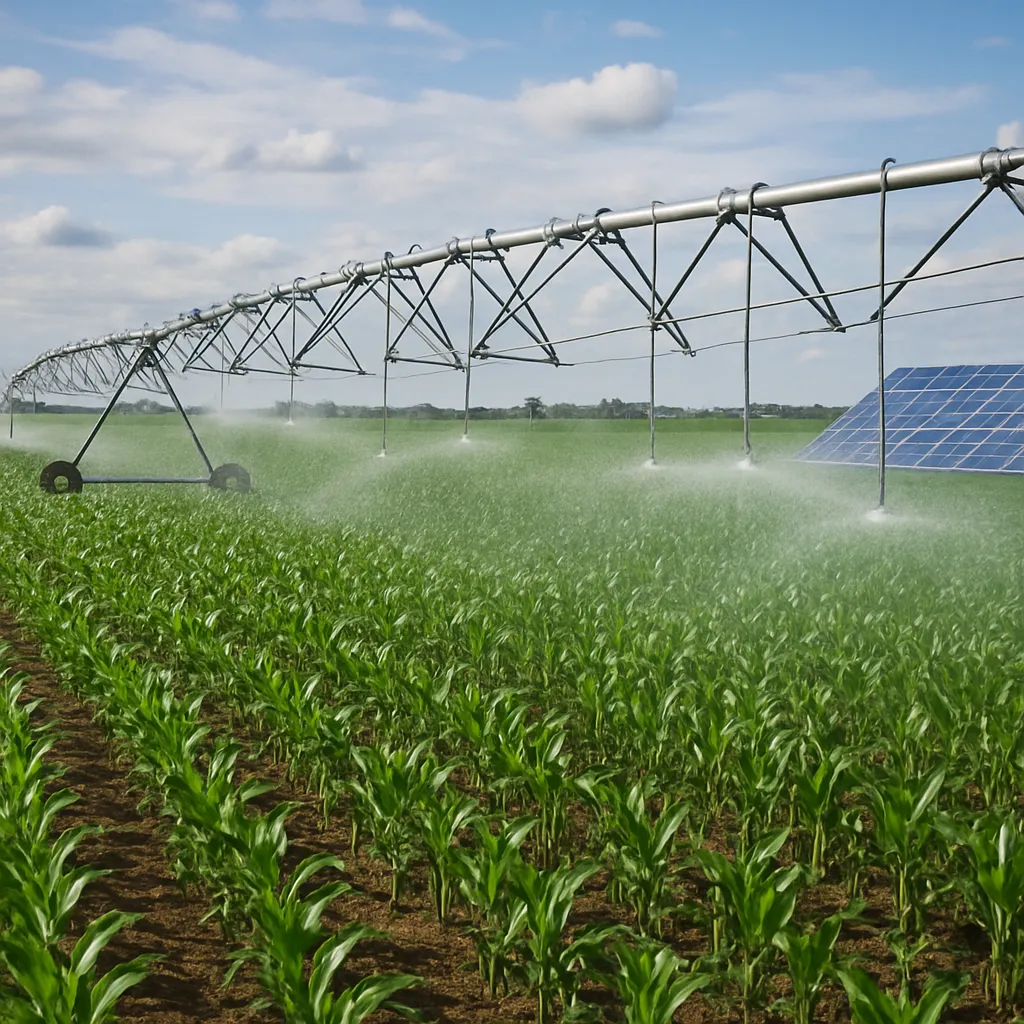
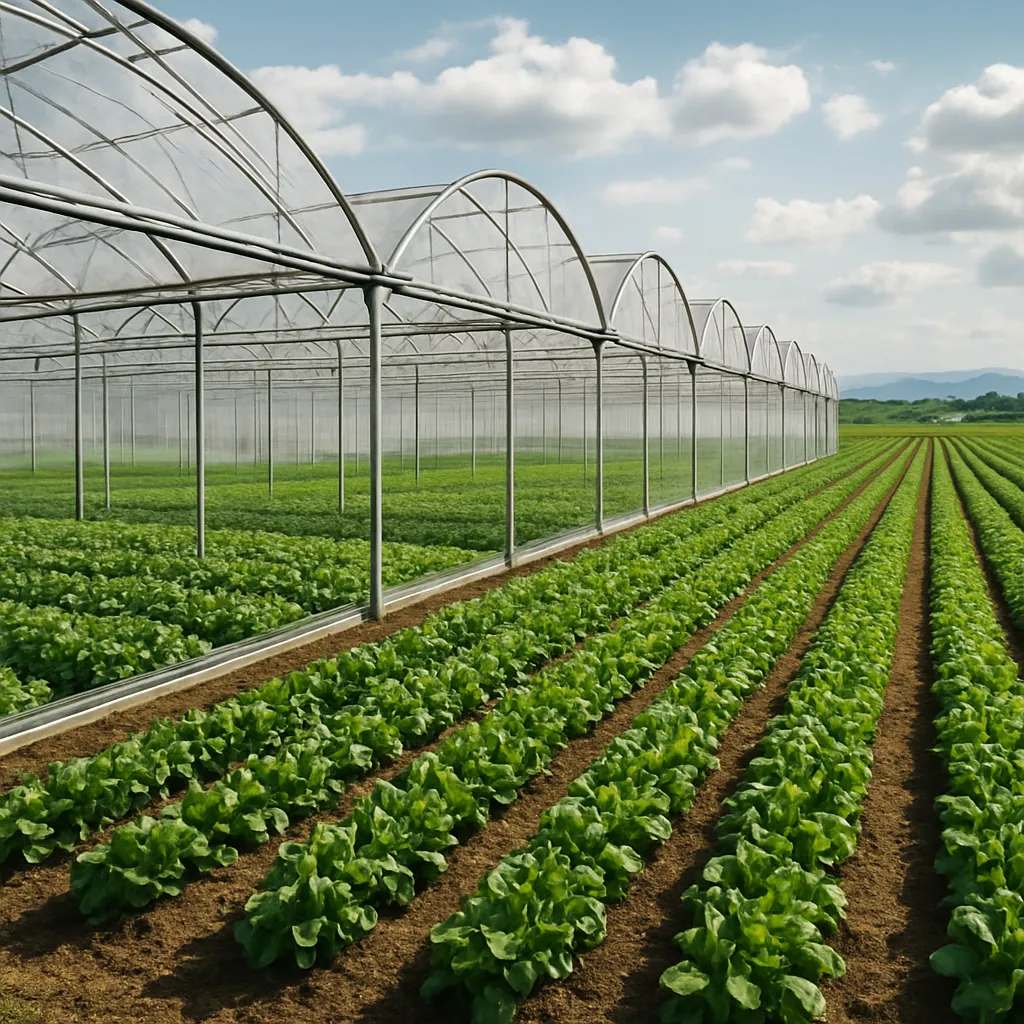
Traditional flood or furrow irrigation often leads to significant water loss. In contrast, drip and sprinkler systems equipped with soil moisture sensors optimize water application. Key benefits include:
- Reduced evaporation and runoff
- Improved uniformity of water distribution
- Lower operational costs through automated scheduling
In drought-prone regions, these systems can improve water-use efficiency by up to 60%, ensuring crops receive the right amount at the right time.
Affordable Mechanization Solutions
Community-based machinery rental centers and cooperative ownership models allow farmers to access mechanization without bearing full capital costs. Examples of scalable equipment:
- Two-wheel tractors with various attachments
- Small-scale threshers and shellers
- Portable milling and processing units
By sharing resources, smallholders minimize idle time on machines and strengthen social cohesion through cooperative governance.
Bridging Knowledge Gaps Through Capacity Building
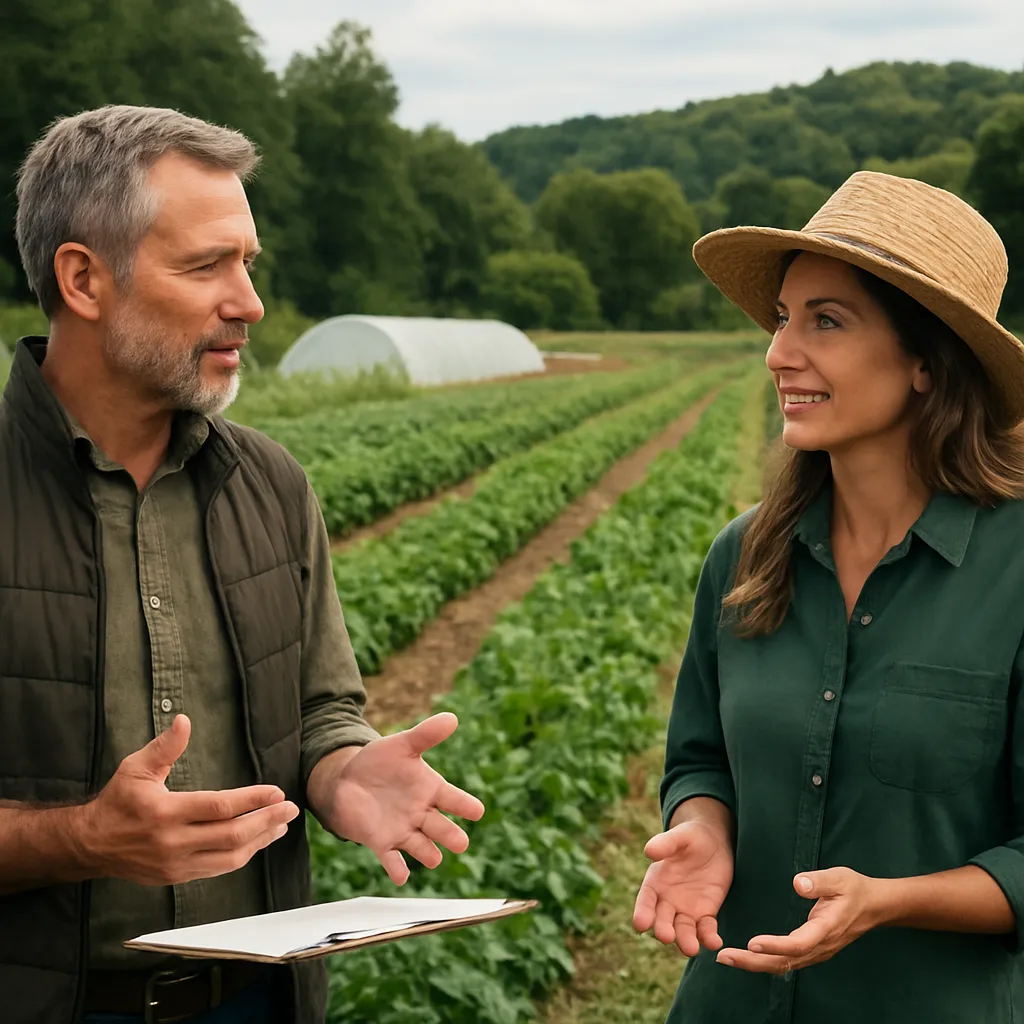
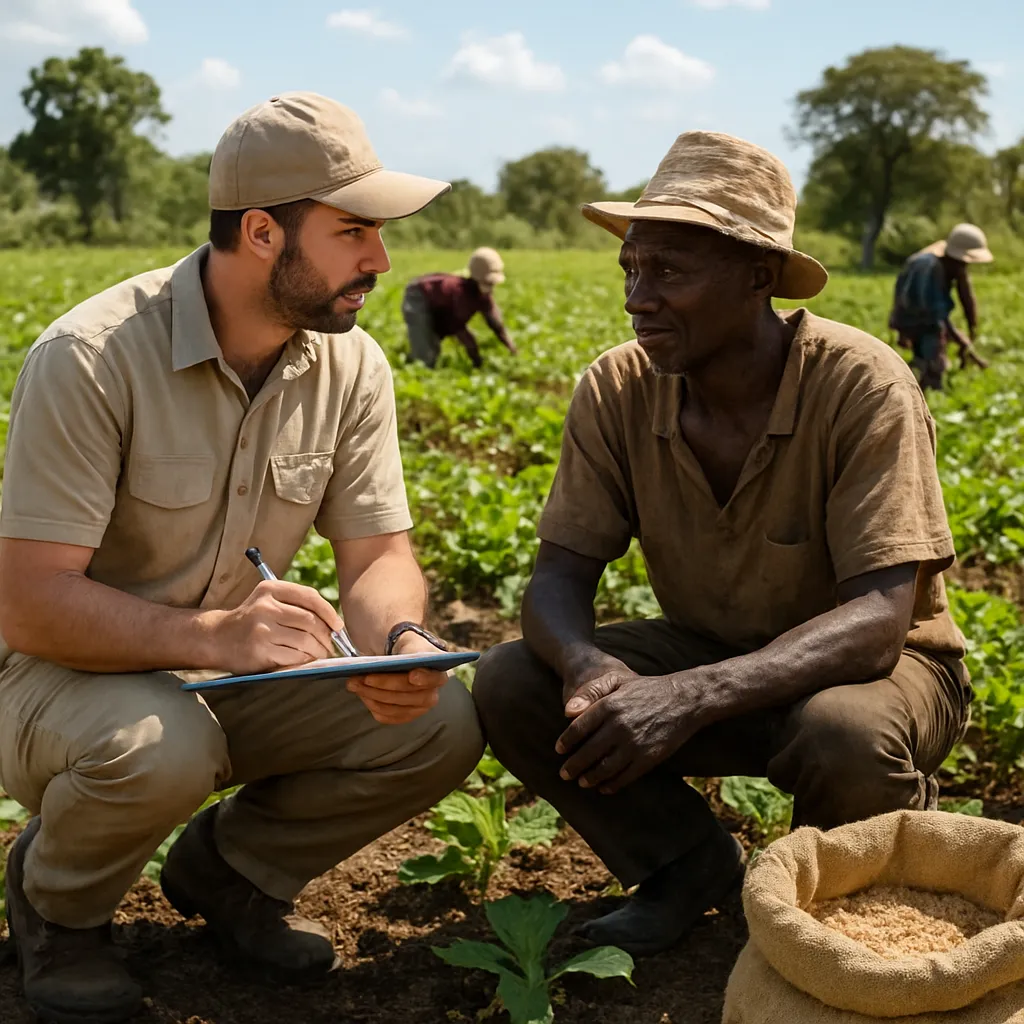
Technology alone cannot guarantee success without adequate training and support. Extension services, farmer field schools and online learning platforms play a vital role in translating innovations into practice. Continuous capacity building helps communities adopt and adapt solutions to local contexts, accounting for soil types, climate variability and socio-economic conditions.
Interactive Learning and Demonstration Plots
Hands-on demonstration plots showcase the practical benefits of new methods in real farm settings. Participants can observe:
- Comparative yields between conventional and improved techniques
- Impact of organic versus synthetic inputs
- Use of natural pest control versus chemical alternatives
Seeing is believing: when farmers witness measurable gains, they are more likely to invest time and resources in further trials.
Digital Extension and Peer Networks
Social media groups, WhatsApp networks and dedicated agricultural forums facilitate peer-to-peer learning. Members share:
- Successful practices and troubleshooting tips
- Local price updates and buyer contacts
- Weather and pest outbreak warnings
Such virtual communities can reach dozens or hundreds of farmers instantly, bypassing infrastructure limitations and extending the reach of formal advisory systems.
Economic and Social Impact of Technological Adoption
When small-scale farmers embrace innovation, ripple effects emerge across rural economies. Improved productivity often translates into higher incomes, enabling households to invest in education, health and improved housing. By integrating innovation into value chains, communities strengthen their bargaining power and reduce dependence on middlemen.
Market Access and Financial Inclusion
Digital marketplaces link producers directly with buyers, ensuring transparent pricing and reducing transaction costs. Mobile banking and digital credit platforms allow farmers to:
- Access microloans for input purchases
- Save earnings securely with minimal fees
- Obtain crop insurance to mitigate risks
Such financial tools contribute to greater resilience against market fluctuations and weather shocks, reinforcing long-term stability.
Gender and Youth Empowerment
Targeted programs encourage women and young farmers to adopt technological solutions. By providing tailored training, equipment and access to networks, these initiatives:
- Promote inclusive participation in decision-making
- Foster entrepreneurial ventures around agri-tech services
- Strengthen community leadership roles
Empowered women and youth often introduce fresh perspectives, driving further growth and diversification in the agricultural sector.
Ultimately, the synergy of connectivity, capacity building and tailored tools is reshaping small-scale agriculture in developing regions. As local farmers gain confidence in digital innovation and practical solutions, they chart a path toward enhanced productivity, improved livelihoods and more sustainable futures.