The intersection of international commerce and local agriculture creates both opportunities and challenges for farming communities around the world. As trade routes expand and markets intertwine, smallholders and rural collectives must navigate shifting demands, price fluctuations, and competitive pressures. This article delves into how global trade reshapes local food systems, exploring economic, technological, societal, and environmental dimensions that influence the future of agriculture.
Global Market Dynamics and Price Pressures
Global trade has unlocked vast new avenues for producers, linking remote regions to urban consumers thousands of miles away. Yet, these connections often translate into volatile market signals and unpredictable price swings. Small-scale farmers may struggle to secure stable incomes when global supply exceeds demand or when large agribusinesses undercut local producers with economies of scale. While some regions benefit from export-driven booms—thanks to favorable weather, crop specialization, or targeted subsidies—others experience busts when international tariffs, foreign exchange rate shifts, or trade disputes suddenly diminish their access to key buyers.
Challenges in this arena include:
- Dependence on a narrow set of export crops, risking monoculture and lowered biodiversity.
- Lack of storage and processing infrastructure, intensifying losses during market gluts.
- Pressure to meet stringent quality and safety standards imposed by importing nations.
- Competition from large-scale producers leveraging advanced technology to achieve higher yield per hectare.
Despite these obstacles, some farming communities have harnessed global networks to brand their products as premium goods. The notion of food sovereignty has gained traction, where collectives emphasize traditional practices, organic certification, or geographical indications to command higher prices abroad and retain control over their production methods.
Technological Advances and Knowledge Transfer
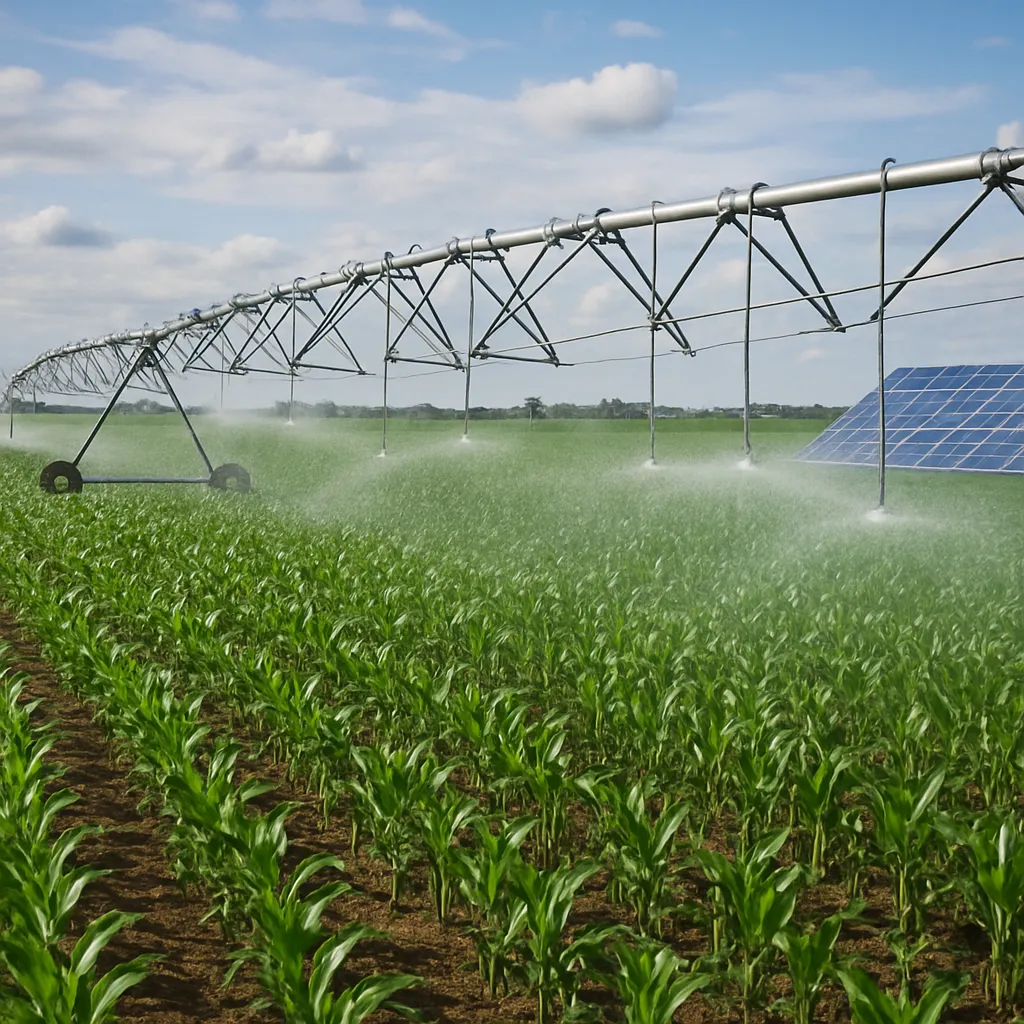
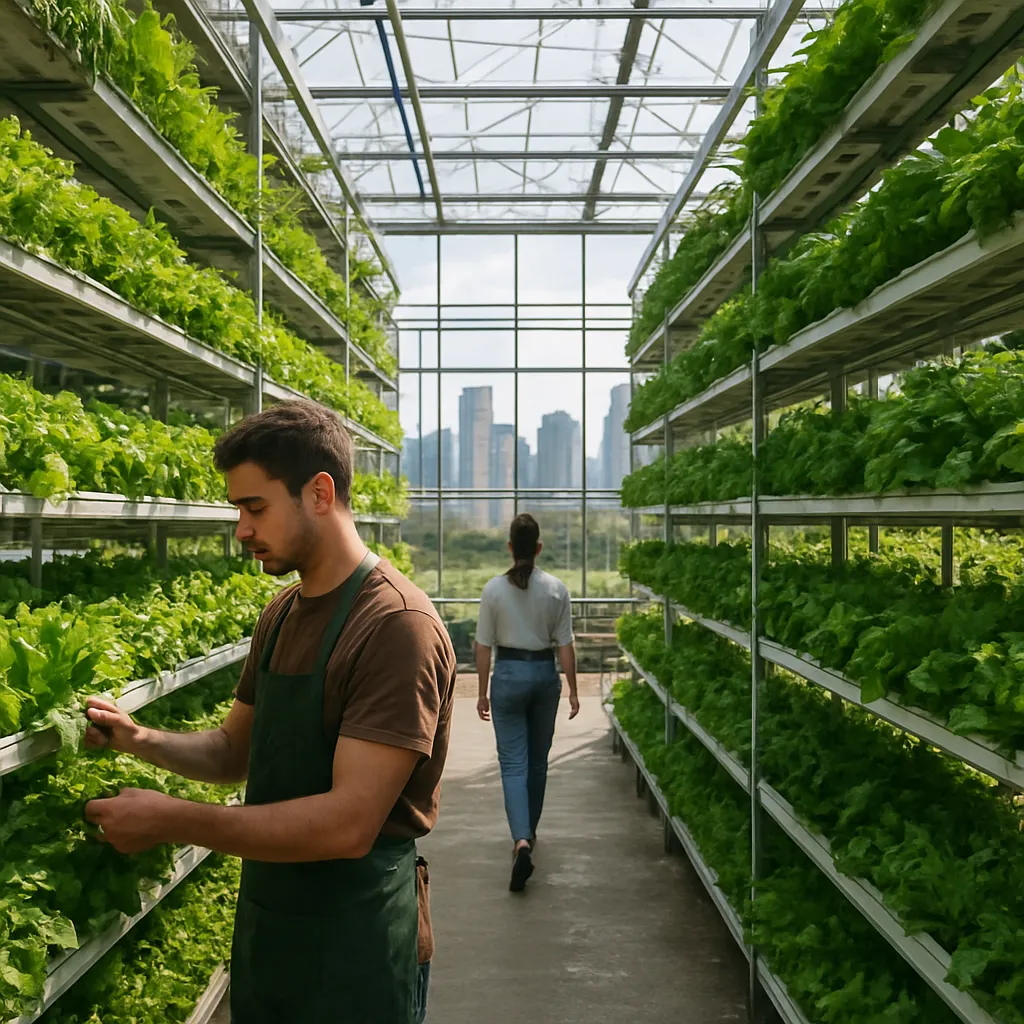
One of the most transformative effects of interconnected markets is the speed at which innovation travels. Drones, precision sensors, and data analytics platforms once reserved for industrial farms are increasingly accessible to smallholders through cooperative models and public–private partnerships. By adopting GPS-guided planting, remote moisture monitoring, and automated irrigation, rural producers optimize water usage, reduce labor costs, and boost overall efficiency.
Technology also facilitates access to real-time weather forecasts and market price indices via mobile apps, empowering farmers to make informed decisions about planting cycles and selling strategies. Digital platforms enable peer-to-peer exchanges of best practices, fostering a continuous flow of agroecological knowledge across borders. Nevertheless, the digital divide remains a barrier in regions lacking reliable internet connectivity or digital literacy programs. In response, non-governmental organizations and local governments offer training workshops, helping rural entrepreneurs master e-commerce, mobile payment systems, and data-driven farm management.
Cultural Shifts and Community Resilience
As trade routes expand, cultural landscapes in farming areas evolve. Young people—once deterred by agricultural labor—find incentives to return to their ancestral lands when they witness success stories of export cooperatives or fair-trade ventures. These initiatives often weave local customs and craftsmanship into value-added products, such as hand-embroidered coffee bags or heritage grains packaged with storytelling labels. By celebrating communities and their histories, such enterprises foster pride, social cohesion, and economic vitality.
At the same time, there is a tension between modernization and the preservation of generational knowledge. Practices like crop rotation, intercropping, and organic fertilization have sustained soils for centuries, yet may be dismissed by some in favor of high-yield hybrid seeds and chemical inputs. Finding a balance requires adaptive governance structures—local councils, growers’ unions, and cooperatives—that reconcile traditional techniques with innovative methods.
Resilience emerges when farmers diversify income streams: agro-tourism welcomes visitors to experience rural life, while small-scale processing facilities transform raw produce into jams, cheeses, or artisanal spirits. Such ventures reduce reliance on single commodity prices and strengthen communal bonds as families work collectively to host workshops, festivals, or culinary events.
Environmental Considerations in a Globalized Economy
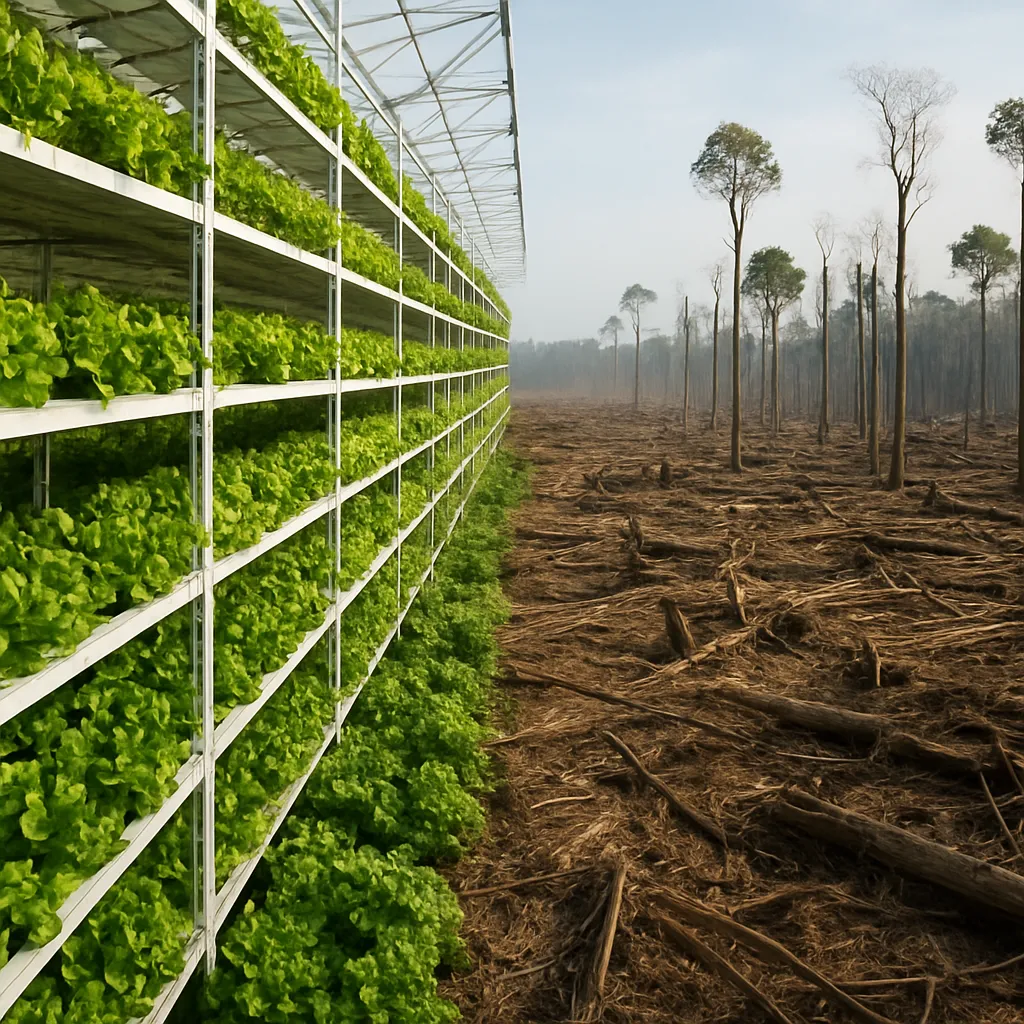
Global trade’s environmental footprint is substantial. Transporting perishable goods across continents entails significant carbon emissions, while the push for exportable volume can lead to deforestation, over-extraction of water resources, and soil depletion. To mitigate these impacts, many stakeholders promote sustainability through certification schemes—Rainforest Alliance, Fair Trade, or organic labels—that demand responsible land management and social equity.
Regenerative Practices and Biodiversity
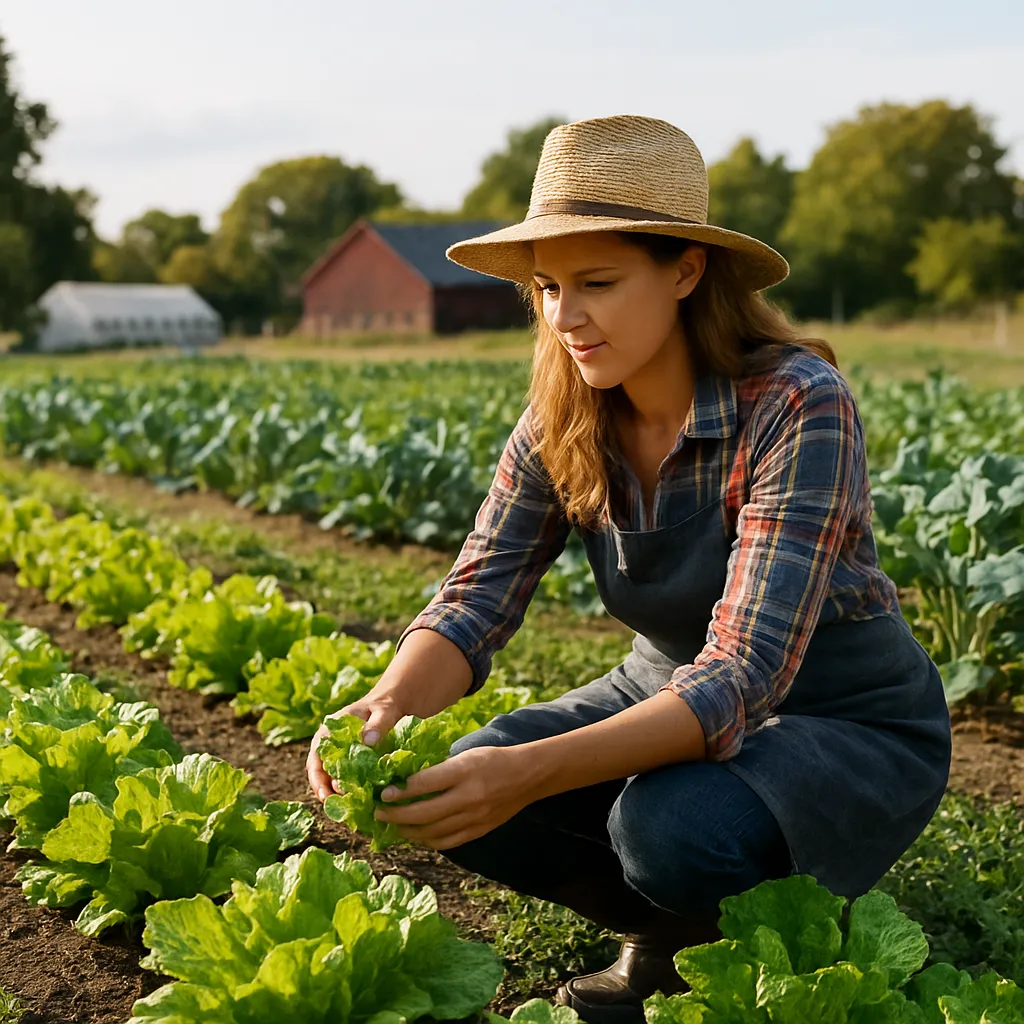
Regenerative agriculture, emphasizing soil health and ecological balance, has gained ground as a countermeasure to intensive monoculture. Farmers adopt cover cropping, minimal tillage, and diversified planting to enhance yield quality rather than sheer quantity. Investments in on-farm research and extension services help local producers monitor soil carbon levels and water retention, proving that environmental stewardship and profitability can coexist.
International aid programs and ethical investors increasingly channel funds toward projects that:
- Restore degraded lands through reforestation and wetland conservation.
- Support indigenous seeds and animal breeds, preserving genetic diversity.
- Implement carbon credit mechanisms, rewarding farmers for sequestration efforts.
- Foster agroforestry, integrating trees with crops and livestock to buffer climate extremes.
These initiatives illustrate how global frameworks can reinforce local action, aligning export strategies with long-term ecological viability. By balancing immediate economic gains with the health of ecosystems, farming communities become stewards of both food production and environmental heritage.