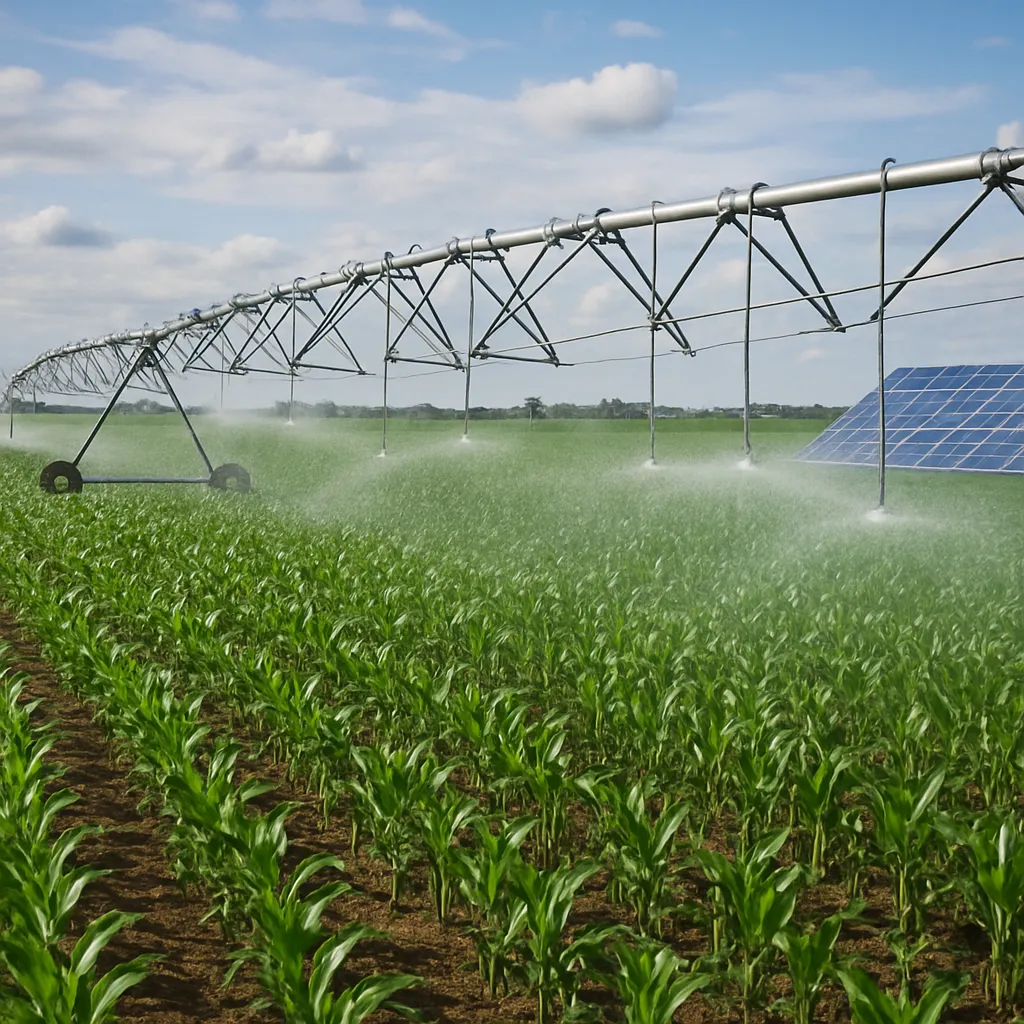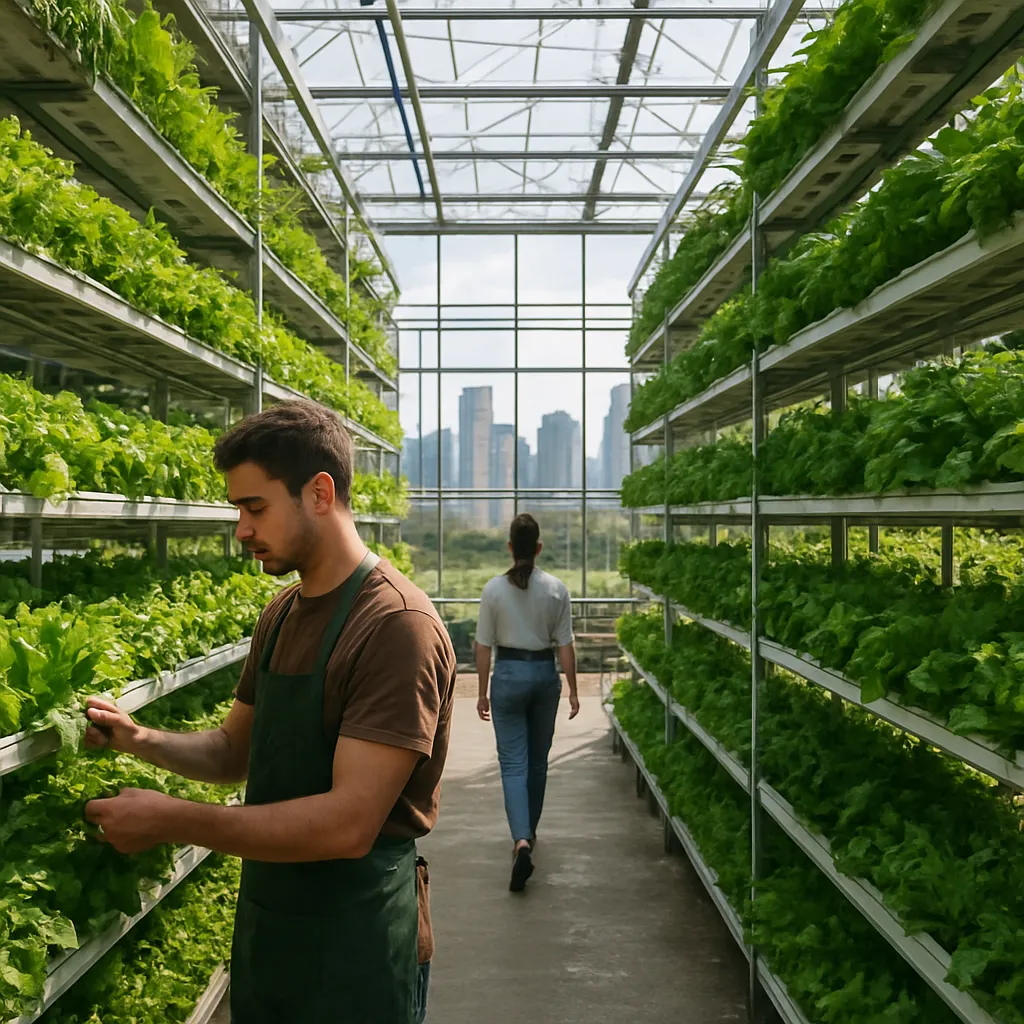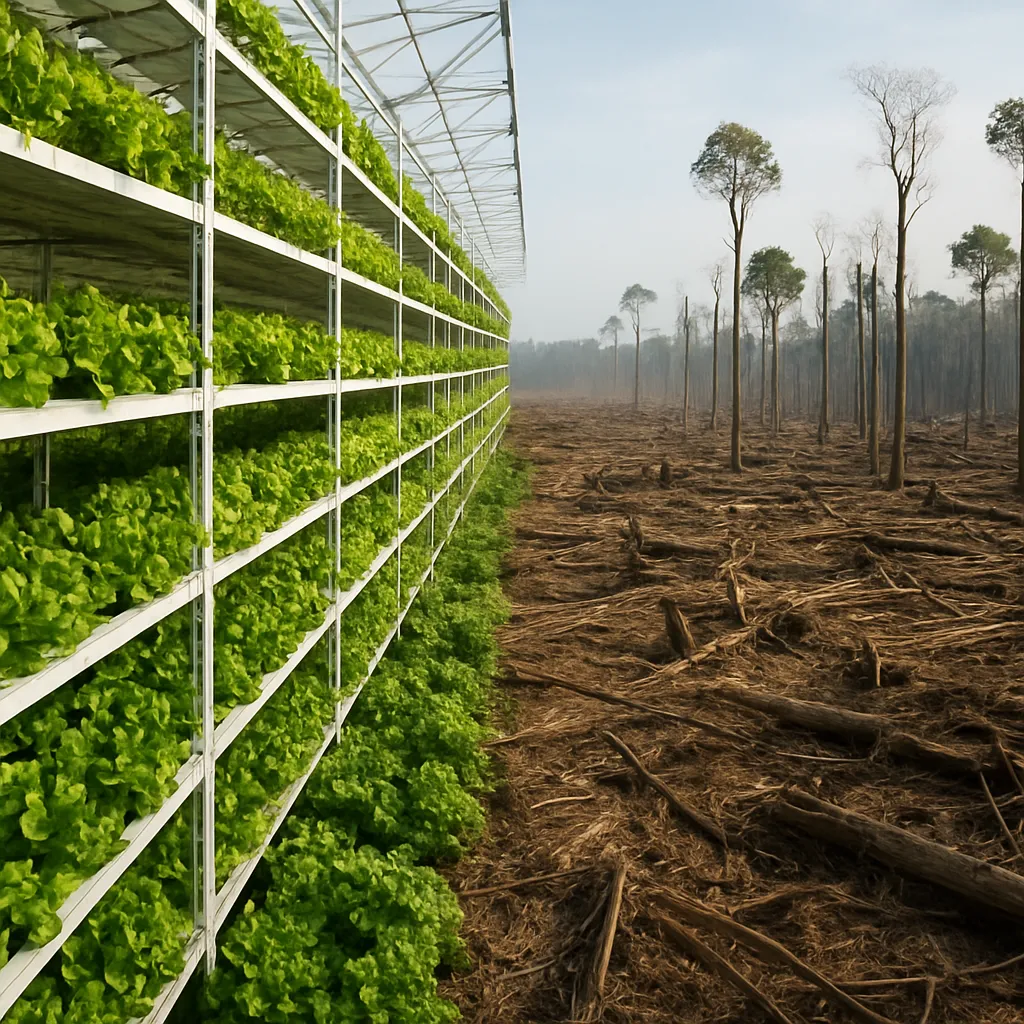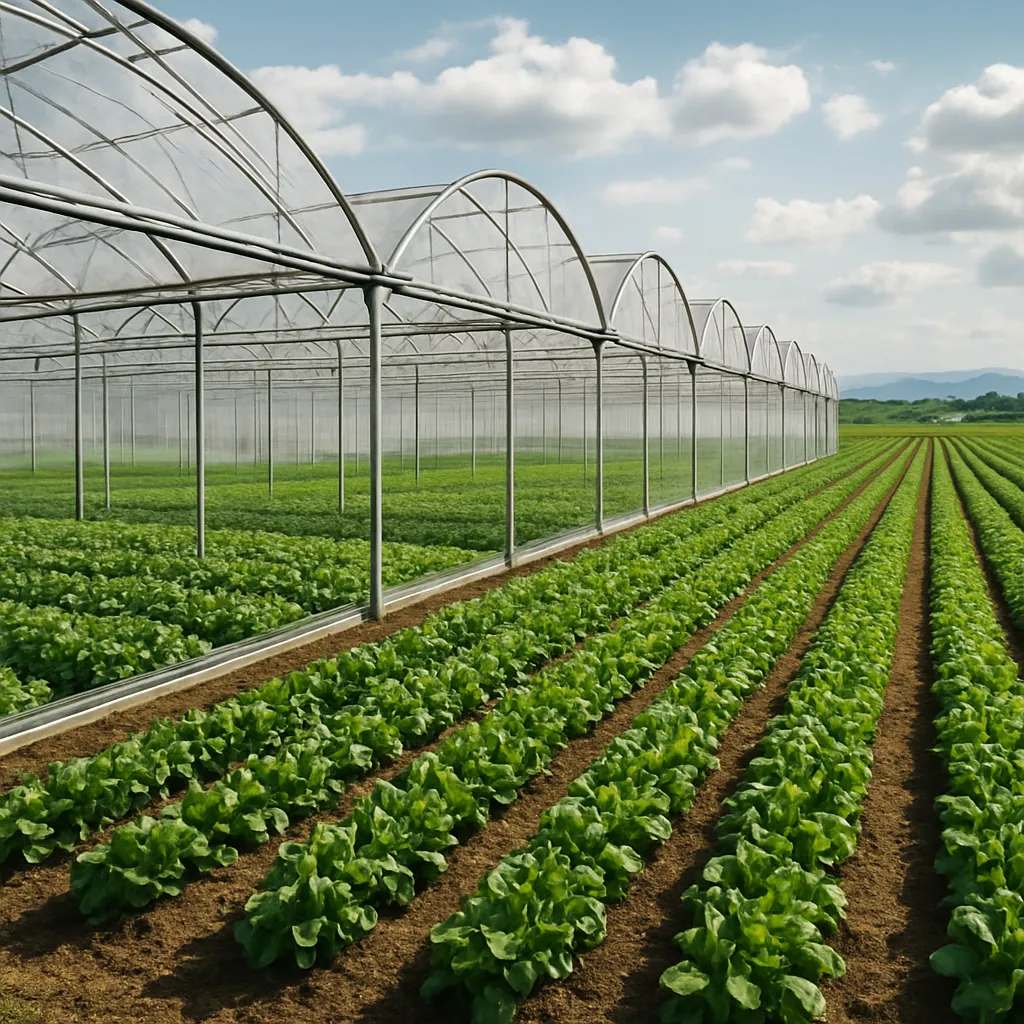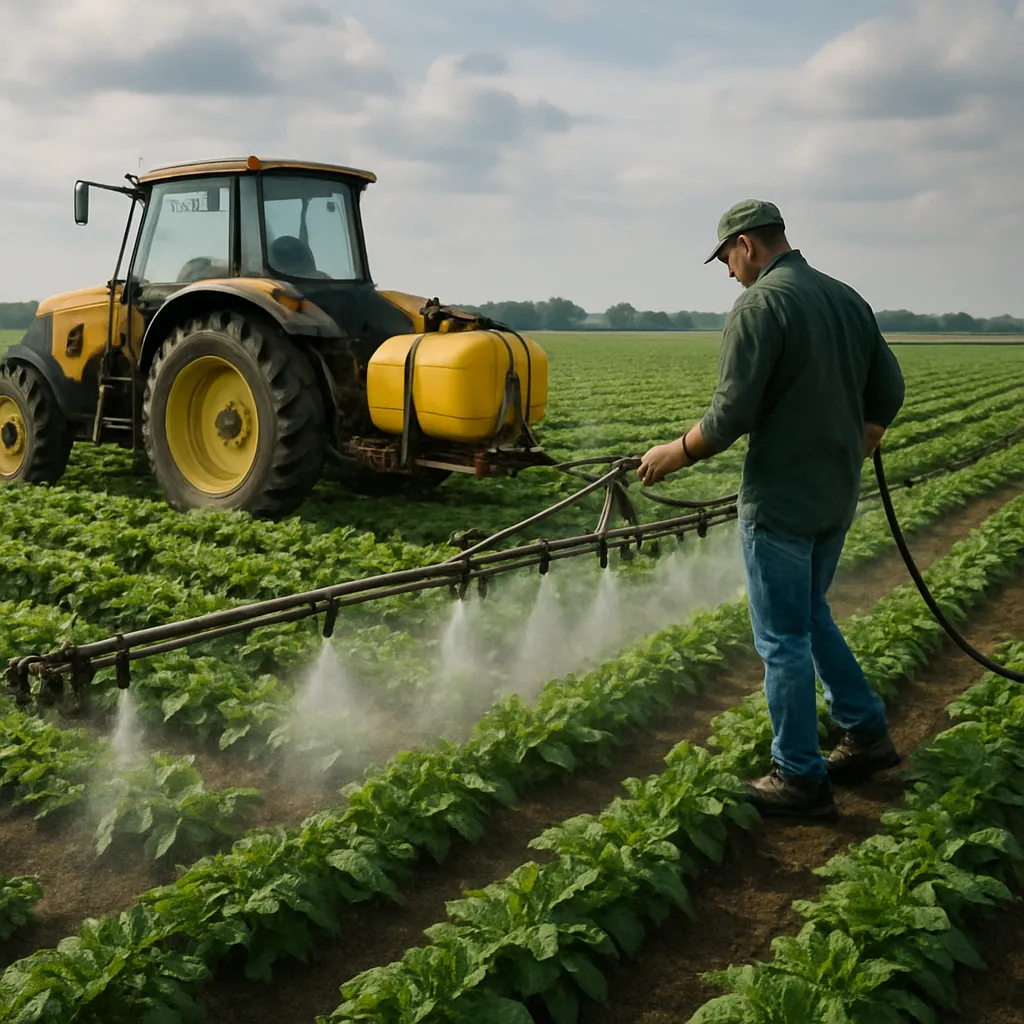
The integration of advanced chemical solutions has transformed farming from traditional manual methods to precision-driven operations. Agrochemicals now serve as vital tools that shape the productivity, health, and resilience of crops across the globe. From smallholder plots in sub-Saharan Africa to vast industrial estates in North America, these compounds play a defining role in meeting rising food demands while addressing environmental challenges.
Evolution of Agrochemical Use
The journey of agrochemicals began with early inorganic substances, advancing through synthetic discoveries in the 20th century to today’s targeted formulations. Initially, farmers experimented with simple compounds like nitrates and phosphates, unaware of the long-term soil depletion these could cause. Over decades, research institutions and private enterprises propelled the sector toward balanced blends that support soil health and enhance crop vigor.
Historical Milestones
- 1900s: Introduction of basic nitrogen fertilizers.
- 1940s: Development of organochlorine pesticides (e.g., DDT).
- 1960s–1980s: Rise of selective herbicides and systemic insecticides.
- 2000s: Emergence of biodegradable and microbial-based alternatives.
These breakthroughs laid the groundwork for modern farming strategies, encouraging practices that prioritize sustainability without sacrificing yield security. Regulatory agencies worldwide began to impose limits, ensuring that harmful residues remain within safe thresholds.
Enhancing Crop Productivity
In an era of growing population and shifting dietary patterns, maximizing output per hectare is paramount. Agrochemicals contribute significantly to this goal by improving nutrient availability, protecting against pests, and optimizing plant development. They bolster efficiency in resource use, allowing farmers to achieve higher returns on water, labor, and land investments.
Fertilizers and Nutrient Management
Modern fertilizers are formulated for controlled release, matching the precise growth stages of plants. Innovations in nutrient management include:
- Slow-release nitrogen compounds that reduce leaching.
- Micronutrient chelates for addressing trace element deficiencies.
- Combined N-P-K blends tuned to specific soil tests.
Pest and Disease Control
The expansion of global trade and changing climates has introduced new threats to crops. Farmers employ a spectrum of chemical agents—from contact insecticides to systemic fungicides—to mitigate these pressures. Advanced delivery systems, such as seed treatments and foliar sprays, target pests with minimal off-target exposure, thereby preserving biodiversity in adjacent habitats.
Environmental and Health Considerations
Despite the clear benefits, agrochemicals pose potential risks if misused or overapplied. Striking a balance between productivity and ecological integrity remains a core challenge. The industry continues to evolve towards formulations with lower toxicity and enhanced biodegradability, alongside robust safety guidelines.
Managing Residues and Runoff
Leaching of nitrates into groundwater and surface runoff carrying pesticide traces can affect aquatic ecosystems and human water supplies. To combat these issues, farmers adopt buffer zones, precision applicators, and real-time monitoring systems. These measures aim to curtail chemical drift and preserve water quality.
Resistance and Integrated Strategies
Prolonged use of a single mode of action can lead to pesticide resistance among pest populations. To counteract this, agronomists recommend rotating chemistries and integrating non-chemical tactics under the umbrella of integrated pest management. Practices include:
- Crop rotation to disrupt pest life cycles.
- Biological controls such as predatory insects.
- Mechanical weeding and mulching.
Regulatory and Economic Drivers
Government policies and market forces shape agrochemical research, approval, and distribution. While stringent regulatory frameworks ensure product safety, they also raise costs and extend development timelines. Conversely, economic incentives and global trade agreements spur innovation and wider adoption of cutting-edge solutions.
Global Harmonization
Efforts by international bodies, such as Codex Alimentarius, foster harmonized residue standards. This alignment reduces trade barriers and streamlines the approval of new chemistries across multiple jurisdictions. Harmonization offers farmers access to a broader portfolio of tools, enhancing competitiveness on the world stage.
Market Accessibility
Smallholder farmers often face constraints in accessing quality agrochemicals due to limited distribution networks and high price points. Initiatives by NGOs and public–private partnerships work to subsidize costs, provide training, and ensure safe handling. Capacity-building programs emphasize proper dosage, storage, and disposal to minimize human health risks.
Innovations and Future Directions
Cutting-edge research in biotechnology and digital agriculture is poised to revolutionize how agrochemicals are discovered, formulated, and applied. Drone-based spraying, AI-driven soil monitoring, and nano-encapsulation of active ingredients promise sharper targeting and reduced environmental footprint.
Precision Delivery Systems
Smart machinery equipped with multispectral sensors can identify nutrient deficiencies or pest hotspots in real time. Variable-rate applicators adjust chemical doses on-the-fly, preventing overapplication and cutting input costs. These technologies support the transition to climate-smart agriculture.
Next-Generation Formulations
Researchers are exploring plant-derived biopesticides and microbial consortia that can outcompete pathogens. Nano-formulations deliver active compounds directly into plant tissues, enhancing uptake and reducing overall volume. Such advances align with the global push toward greener, more resilient food systems.
Global collaboration between industry, academia, and farmers will be instrumental in shaping the next era of crop protection and fertilization. By embracing innovation while upholding rigorous safety and environmental standards, the agrochemical sector can sustain both agricultural productivity and planetary health.