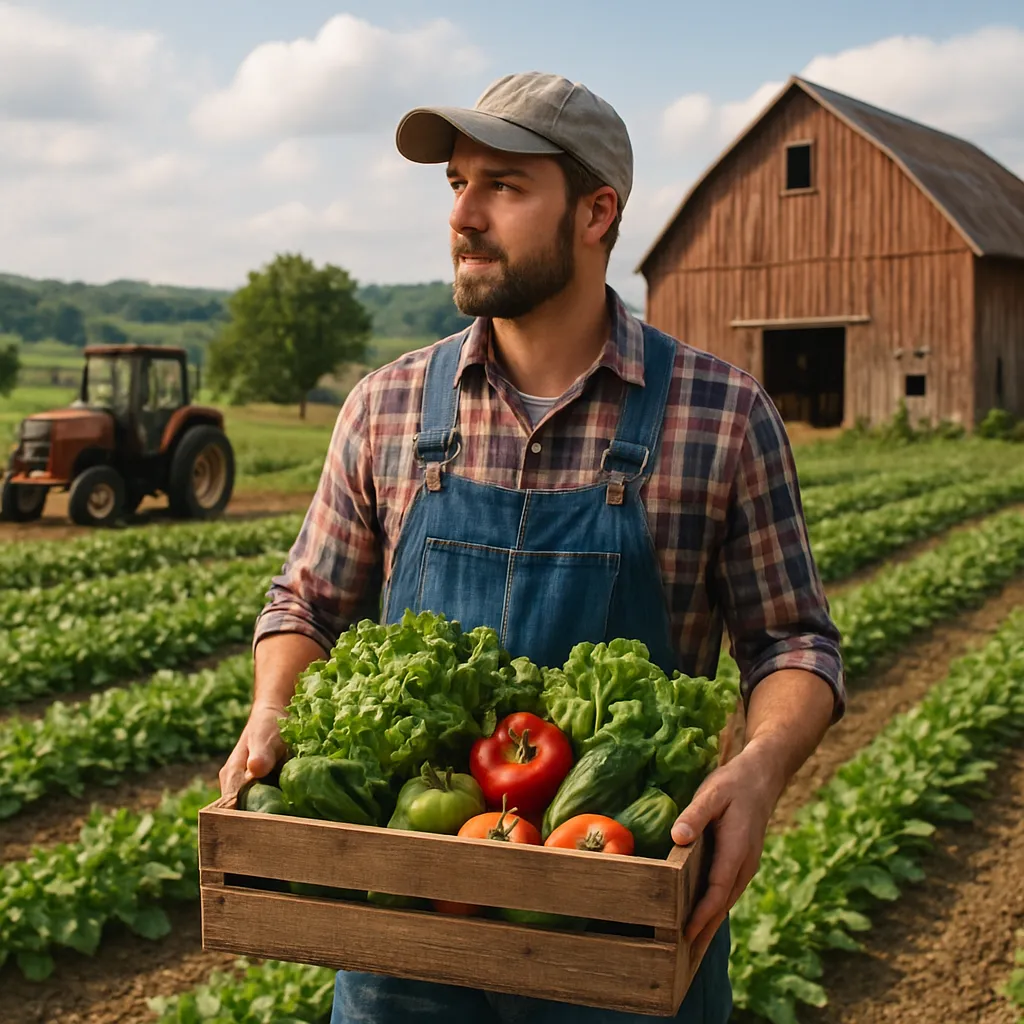
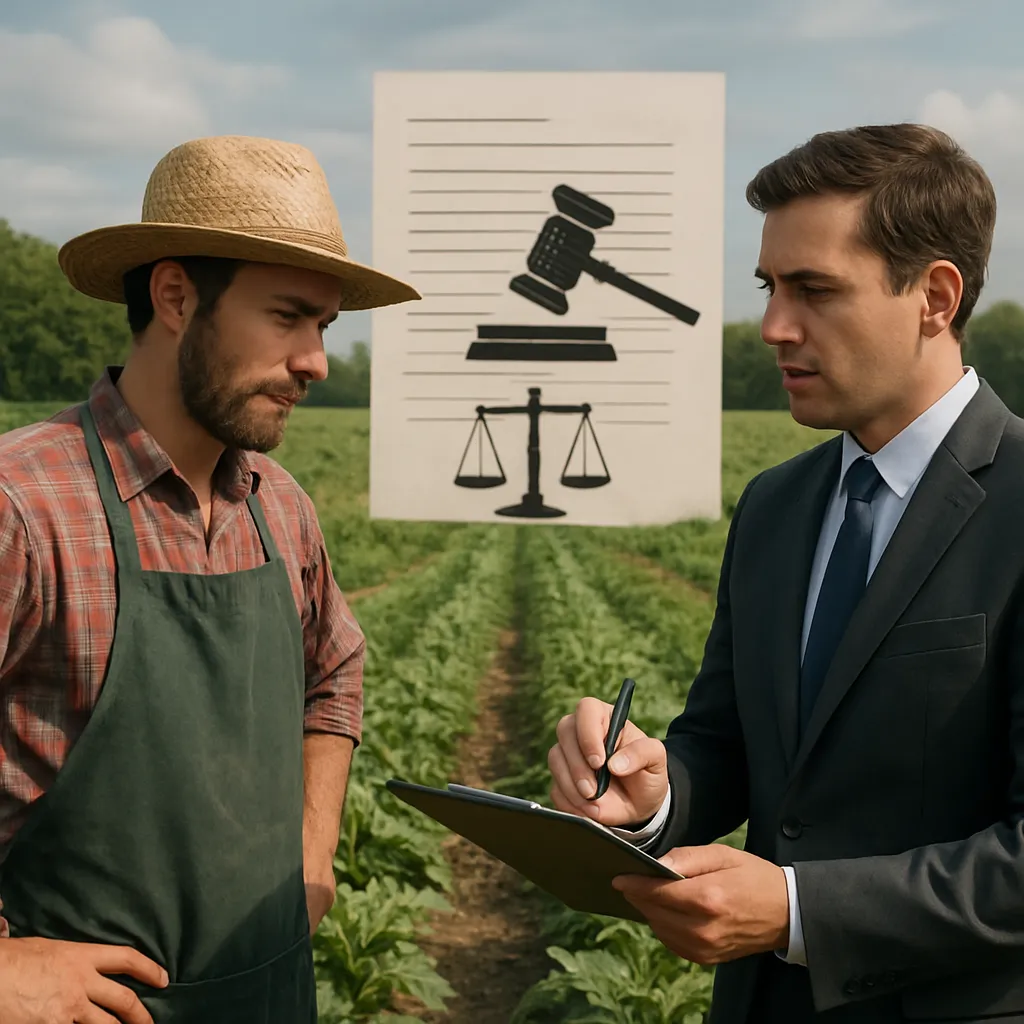
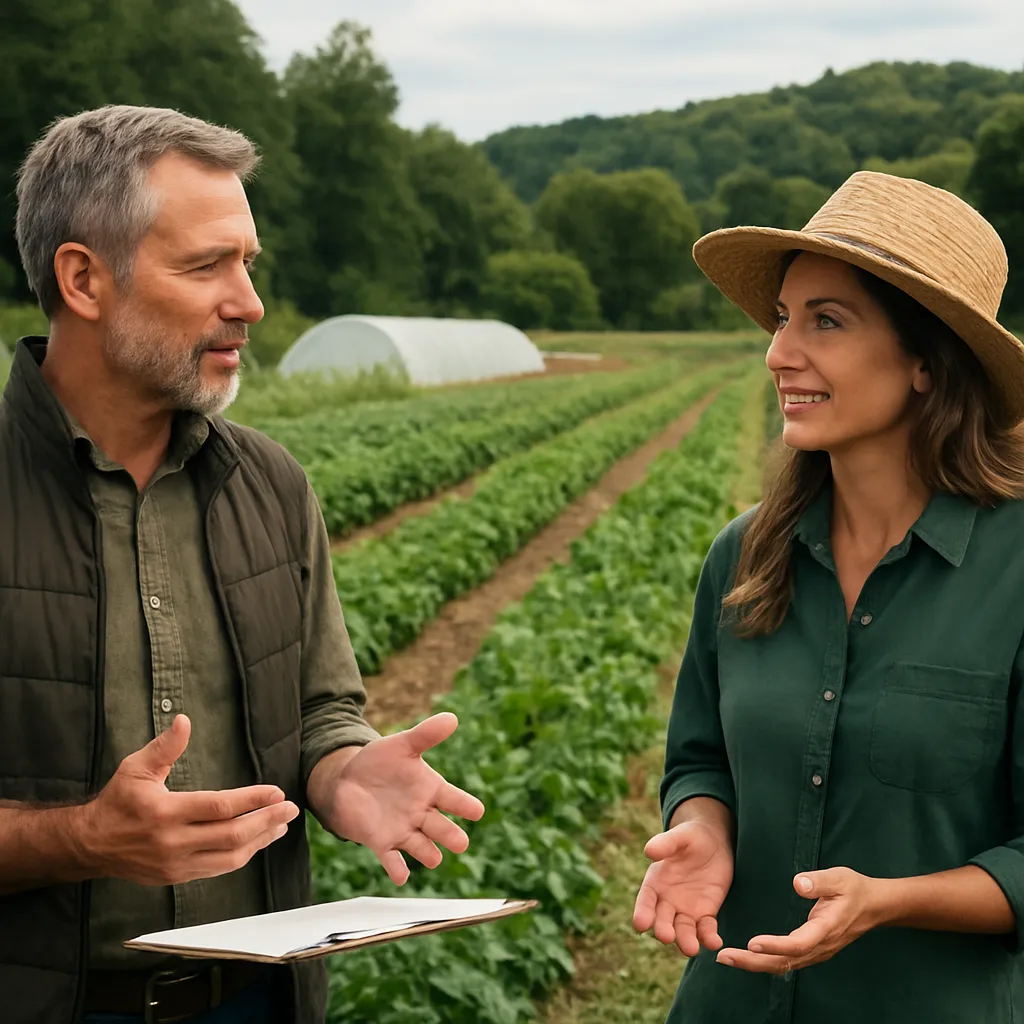
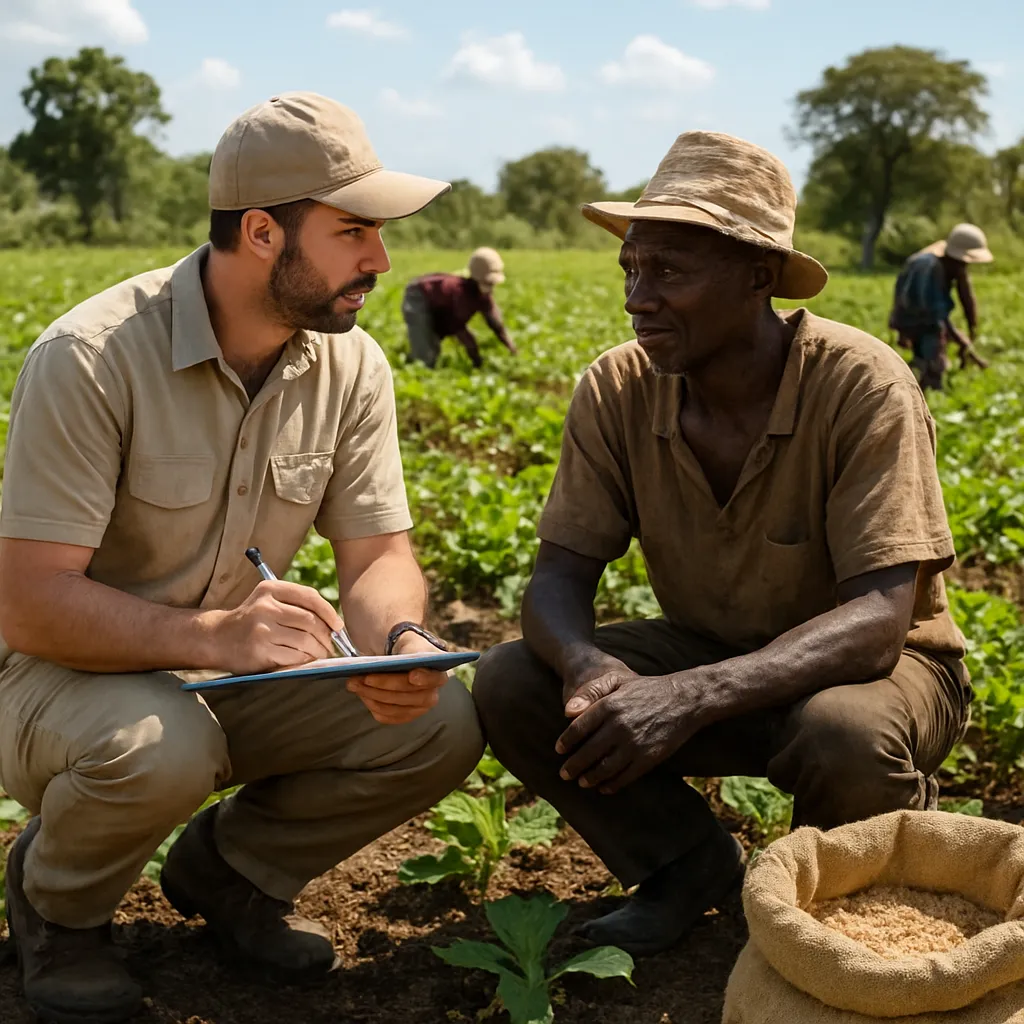
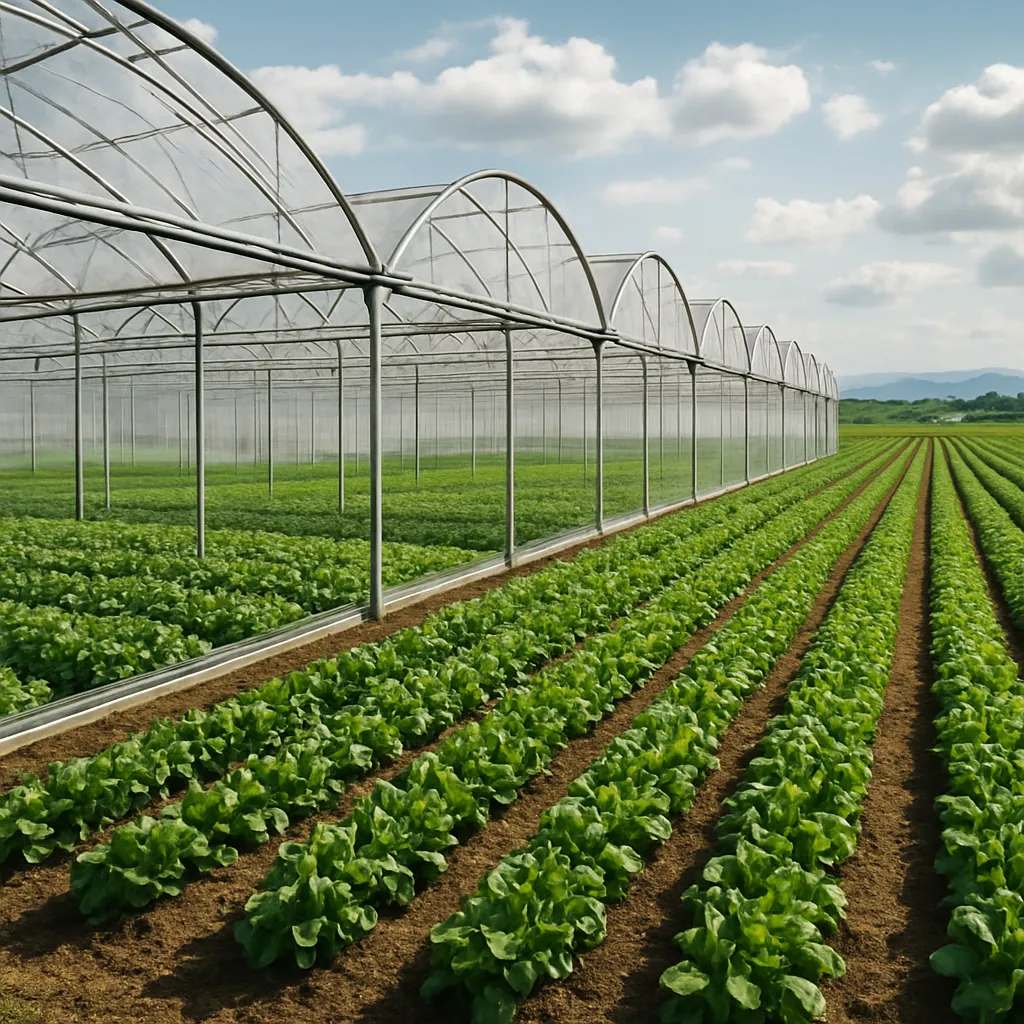
The agricultural landscape is undergoing a remarkable transformation as a new generation of farmers embraces cutting-edge training and educational programs. These initiatives are designed to empower aspiring growers with the knowledge and practical experience needed to tackle complex challenges—from climate change to market volatility. By integrating hands-on learning, digital resources, and collaborative platforms, institutions and organizations around the globe are shaping the future of agriculture, fostering a resilient workforce capable of leading sustainable food production systems.
Innovative Curriculum and Skills Development
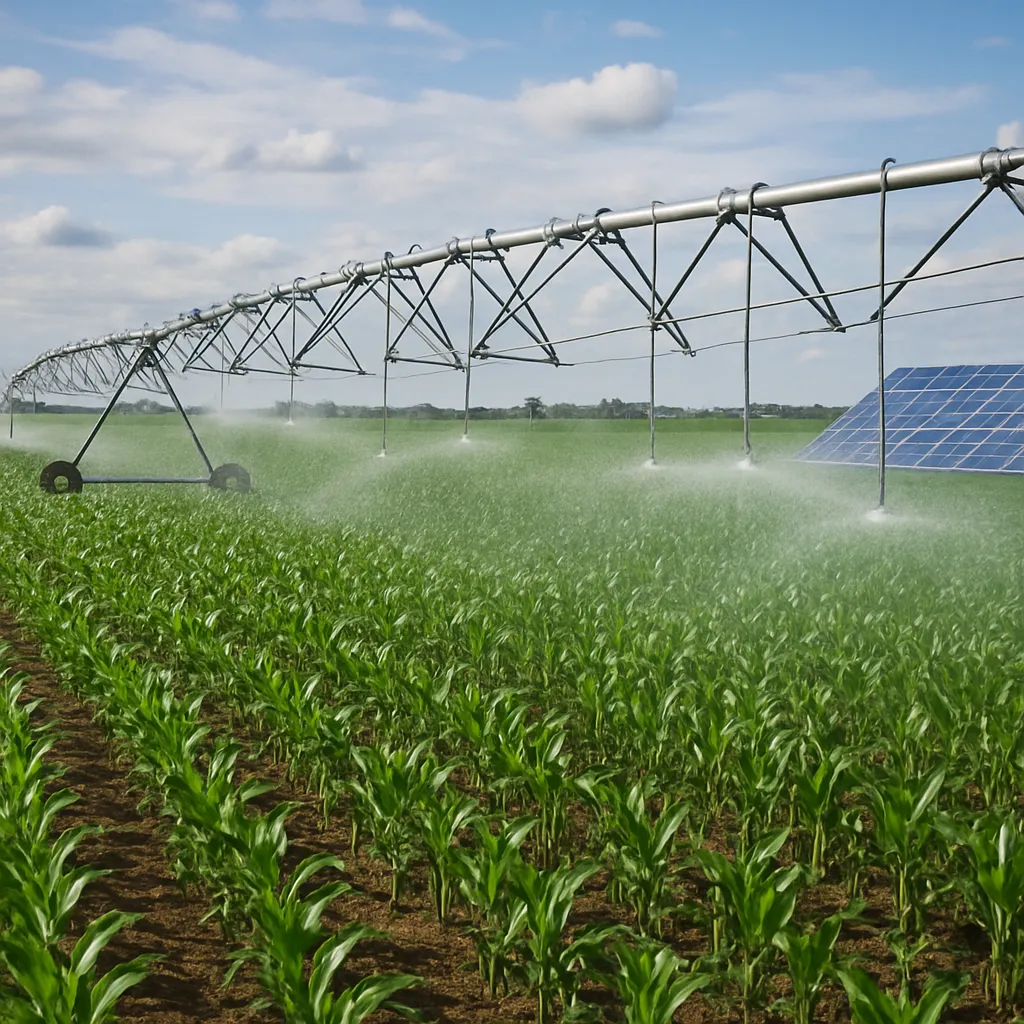
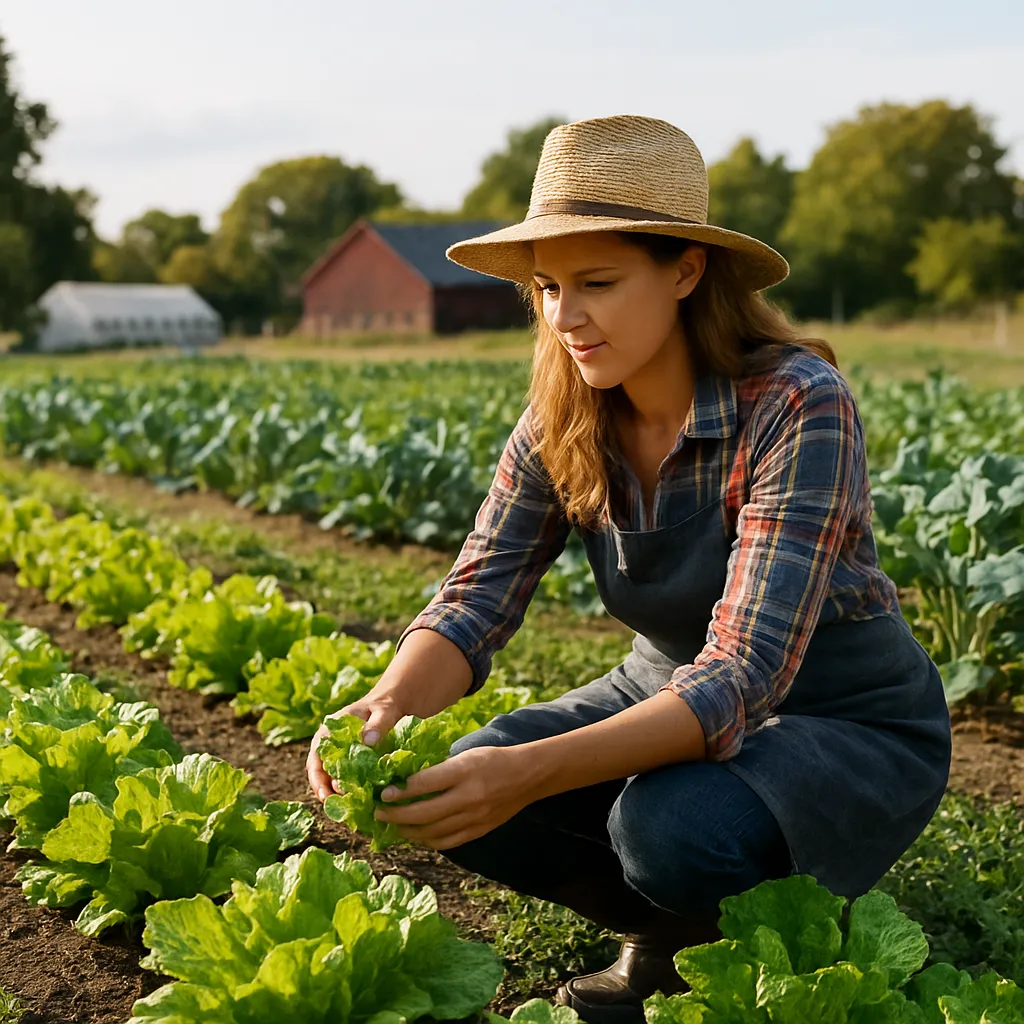
A cornerstone of modern farming education is the shift away from traditional, rote instruction toward dynamic, competency-based curricula. Courses now blend classical agronomy with modules on technology management, rural entrepreneurship, and climate adaptation strategies. Students engage in field labs where they test soil health, design crop rotations, and develop precision irrigation schemes. This integrated approach ensures budding farmers graduate with both theoretical insights and practical know-how.
Key elements of these programs include:
- Agroecology and regenerative practices that promote biodiversity and soil fertility.
- Business planning and financial literacy modules enhancing entrepreneurship skills.
- Climate-smart agriculture techniques for drought resilience and carbon sequestration.
- Crop protection and integrated pest management to reduce chemical reliance.
By emphasizing skills like critical thinking and adaptive problem-solving, educators are nurturing versatile professionals ready to innovate on family farms, cooperatives, and agribusiness enterprises alike.
Technology Integration in Modern Farming Education
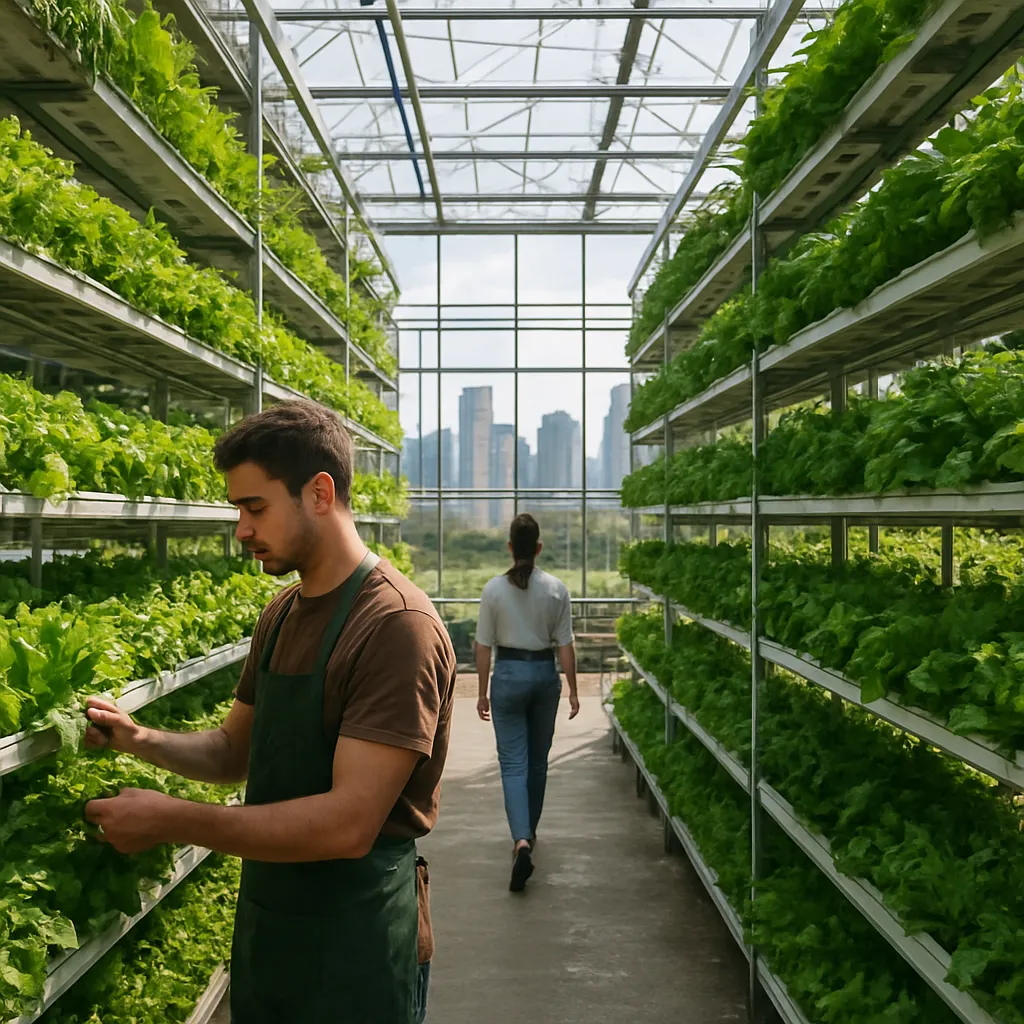
Digital tools have revolutionized how trainees access information and practice new techniques. Virtual reality (VR) systems allow learners to simulate tractor operations, plan irrigation networks, or troubleshoot greenhouse environments in a risk-free setting. Likewise, e-learning platforms host webinars on drone mapping and remote-sensing analysis, enabling participants in remote regions to tap into expert instruction without relocating.
Examples of tech-driven training components:
- Interactive apps for real-time pest and disease diagnostics.
- Data analytics workshops that teach interpretation of yield maps and weather forecasts.
- Online mentorship schemes linking students with veteran agronomists and farm managers.
The fusion of hands-on labs and online resources accelerates knowledge transfer and fosters a community of learners who share best practices across continents. Embracing innovation in education not only enhances efficiency but also cultivates a mindset that continuously seeks upgrades and refinements in farming operations.
Global Partnerships and Community Engagement
Addressing the complex demands of global food security requires cooperation across sectors and borders. Universities collaborate with international NGOs, agricultural extension services, and private-sector sponsors to co-create training modules that reflect diverse regional needs. Farmer-to-farmer exchange programs promote cultural insight and local adaptation of proven methods, while public–private partnerships support scholarship funds, equipment donations, and demonstration farms.
Several collaborative models include:
- Regional learning hubs where participants from multiple countries gather for intensive workshops.
- Volunteer-driven brigades that assist smallholders with implementation of newly acquired skills.
- Microfinance networks offering seed capital to graduates launching their own ventures.
These alliances strengthen rural community bonds, boost income diversification, and ensure knowledge is not siloed but shared widely, creating ripple effects of progress in even the most isolated areas.
Sustainability and Environmental Stewardship
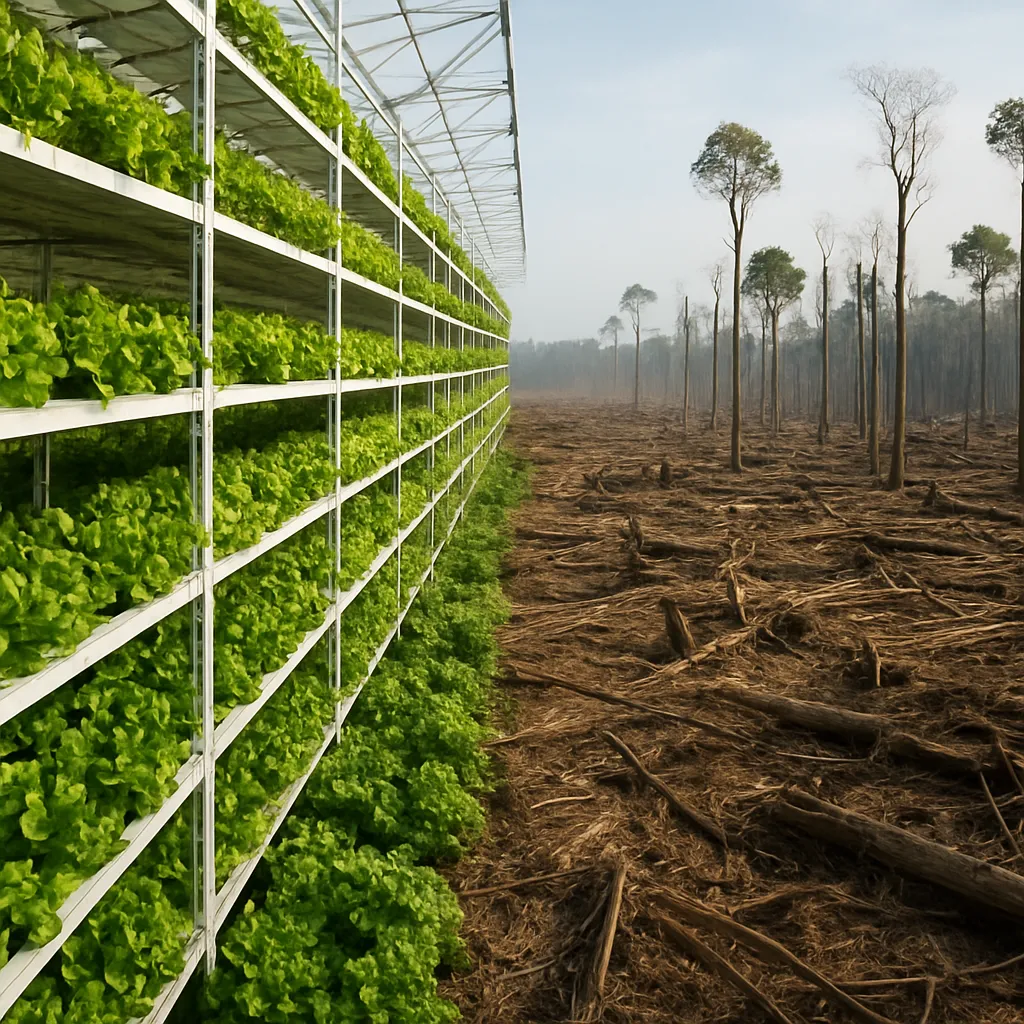
Environmental sustainability has become a guiding principle in contemporary farm training. Educators emphasize systems thinking, recognizing that healthy ecosystems underpin long-term food production. Students learn to design agroforestry systems that sequester carbon, build habitat for pollinators, and buffer fields against erosion. Workshops on water management explore rainwater harvesting, drip irrigation, and watershed restoration techniques.
Embedding sustainable practices includes teaching methods for:
- Composting and organic soil amendments to reduce chemical fertilizers.
- Rotational grazing plans that maintain pasture health and livestock welfare.
- Renewable energy integration, such as solar-powered pumps and biodigesters.
By cultivating a deep appreciation for ecological balance, training programs instill a sense of stewardship that fosters long-term resilience in both the land and the farmers who depend upon it. This focus on sustainability ensures that future generations inherit farmland capable of thriving under changing climatic conditions.
Future Prospects and Continuous Learning
The journey of a modern farmer extends beyond graduation. Lifelong learning platforms offer refresher courses on emerging pests, market trends, and novel crop varieties. Agriculture incubators facilitate pilot projects, helping alumni test prototypes for machinery adaptations or value-added products. Moreover, digital forums and social media groups enable real-time peer support and rapid dissemination of breakthroughs.
Looking ahead, the integration of artificial intelligence in crop monitoring, blockchain for transparent supply chains, and gene-editing techniques for stress-tolerant varieties will redefine skill requirements. Education providers are therefore evolving, adopting agile methodologies to update course content in lockstep with scientific advancements. In this way, farming professionals remain at the forefront of progress, fully equipped to navigate complexities and seize new opportunities.
Through a combination of targeted curricula, technological immersion, strategic partnerships, and unwavering commitment to environmental care, education and training programs around the world are laying the foundation for a robust, innovative, and inclusive agricultural future.