The efficient use of water is becoming a critical challenge for world farms facing the pressures of growing populations, diminishing freshwater resources, and the impacts of climate change adaptation. Across continents, agricultural stakeholders are exploring advanced water conservation technologies to secure food production, reduce waste, and boost resource efficiency. From drip irrigation systems in arid zones to smart sensors guiding irrigation scheduling, these innovations are reshaping modern farming practices. This article examines key approaches and their implications for global agriculture.
Adoption of Precision Irrigation and Automation
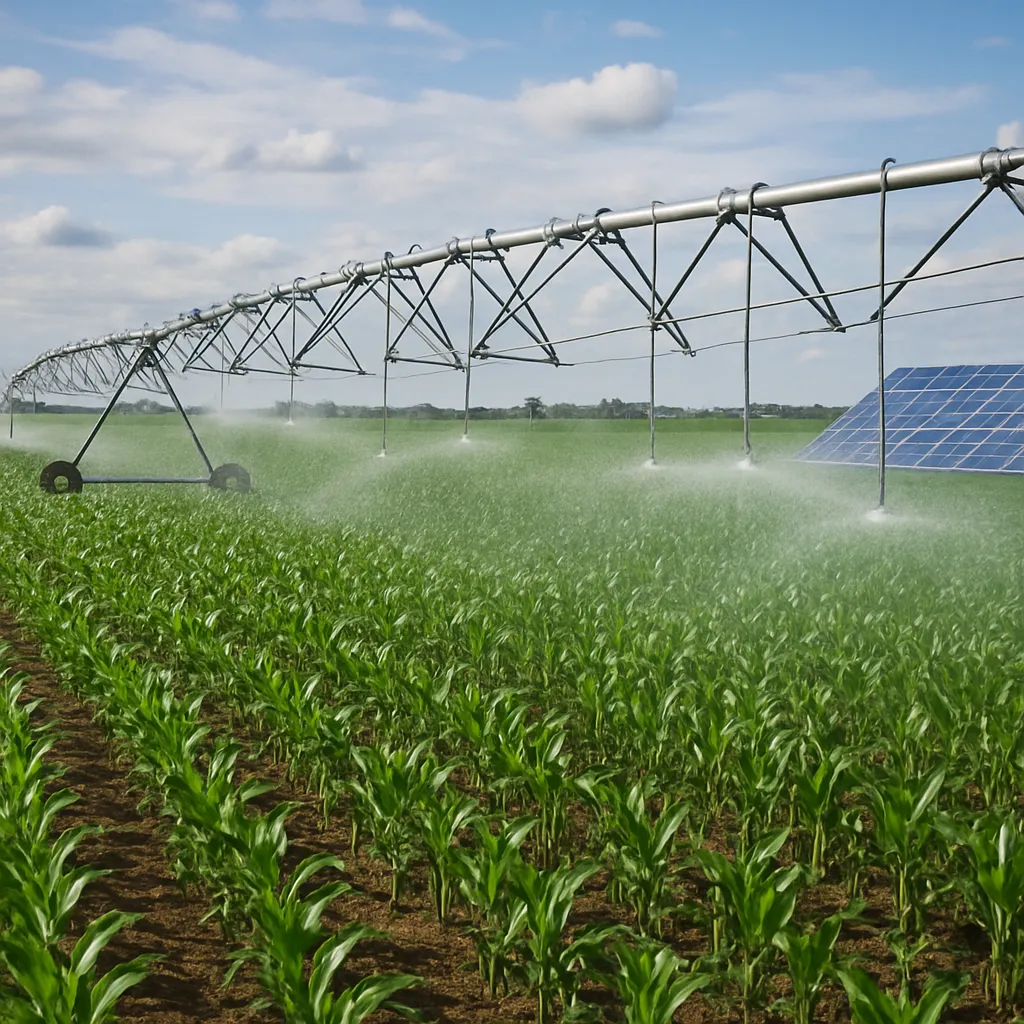
Precision irrigation has revolutionized the way water is delivered to crops, offering targeted application and reducing losses from evaporation and run-off. By leveraging data-driven tools and automated controls, farmers can optimize water distribution according to plant needs, soil moisture, and weather forecasts.
Drip Irrigation Systems
Drip irrigation remains one of the most widely adopted technologies worldwide. Its main advantages include:
- Minimal evaporation: Water is delivered directly to the root zone via emitters, enhancing resource efficiency.
- Uniform distribution: Tailored flow rates ensure each plant receives the right amount of water.
- Scalability: Suitable for both smallholder operations and large-scale commercial farms.
In countries like Israel and Spain, farmers report yield increases of up to 30% and water savings exceeding 50% compared to conventional flood irrigation.
Soil Moisture Sensors and IoT Integration
Internet of Things (IoT) devices and remote sensing platforms provide real-time insights into soil moisture levels and plant stress signals. Key components include:
- Capacitance or tensiometer probes placed at various depths.
- Wireless transmitters sending data to cloud-based dashboards.
- AI-driven analytics recommending precise irrigation schedules.
By coupling sensor networks with automated valves and pumps, farms can reduce overall water consumption by up to 40%, while safeguarding crop health and enhancing drought resilience.
Innovations in Rainwater Harvesting and Recycling
Beyond direct irrigation technologies, sustainable farms are investing in decentralized water sources through rainwater harvesting and on-site treatment systems. Such strategies help diversify water supplies and contribute to overall sustainable farming models.
Rainwater Capture Infrastructure
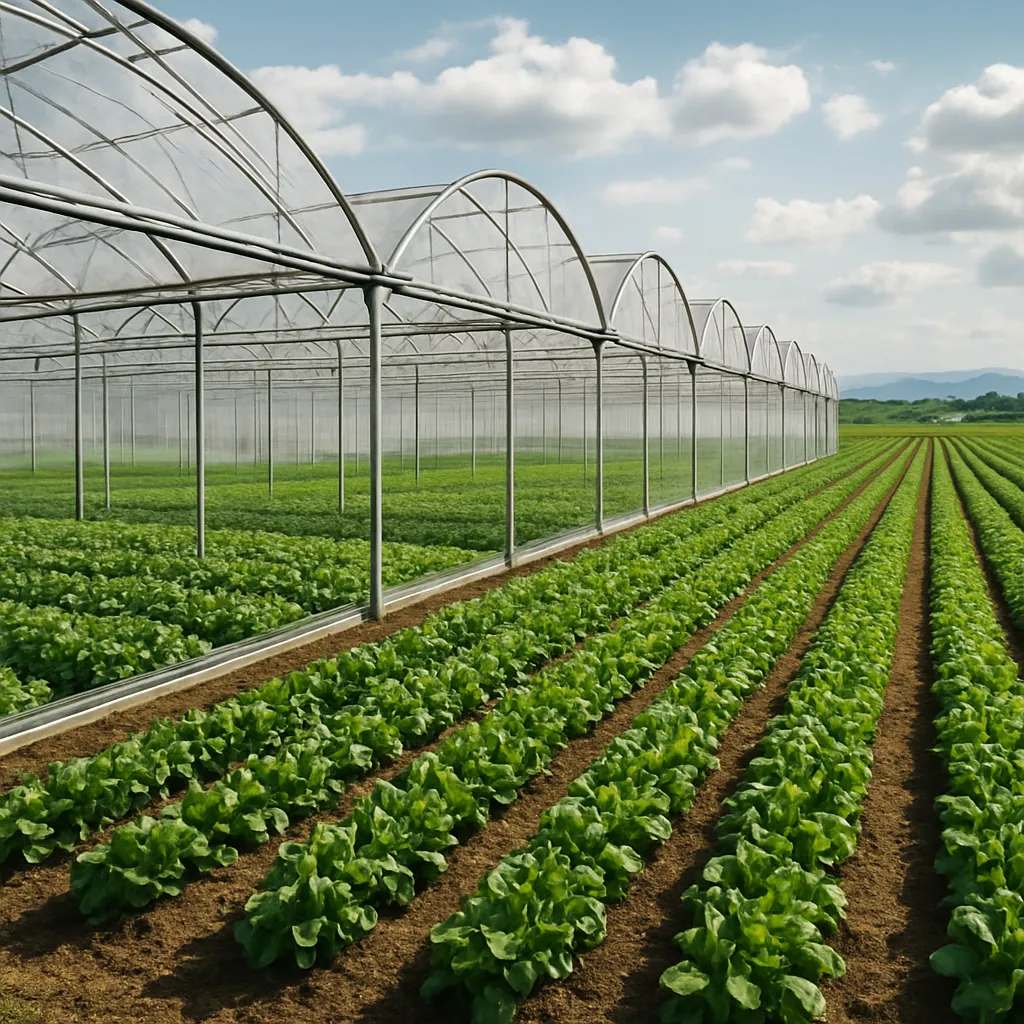
Rooftops, greenhouses, and specially designed catchment surfaces can channel rainfall into storage tanks or ponds. Benefits include:
- Reduced reliance on groundwater and municipal supplies.
- Mitigation of soil erosion by slowing surface runoff.
- Cost-effective implementation using locally available materials.
In parts of India and sub-Saharan Africa, community-led storage schemes enable smallholders to maintain crops through extended dry spells, thereby improving crop yield stability.
Greywater and Effluent Reuse
Modern treatment units allow the recycling of agricultural runoff, wash-water, and even treated municipal effluent. Important features include:
- Multi-stage filtration: Sedimentation, membrane filtration, and UV disinfection.
- Nutrient recovery modules: Capturing nitrogen and phosphorus for fertigation.
- Monitoring systems: Ensuring compliance with health and environmental standards.
By turning waste streams into productive resources, farms can lower freshwater withdrawals by 20–60% and reduce the environmental footprint of intensive operations.
Agroecological Practices and Soil Health Enhancement
Water conservation is intrinsically linked to healthy soils and resilient agroecosystems. Integrating agroecological principles with modern technology fosters long-term sustainability.
Cover Cropping and Mulching
Cover crops and organic mulches play a pivotal role in regulating soil temperature, reducing evaporation, and improving infiltration. They offer:
- Enhanced soil structure and porosity.
- Weed suppression, reducing competition for water.
- Increased carbon sequestration, promoting agroecology and biodiversity.
Research from Latin America demonstrates that maize fields with leguminous cover crops can reduce irrigation needs by up to 25% while improving nutrient cycling.
Conservation Tillage and Terracing
Minimal soil disturbance and landscape engineering help retain moisture and prevent erosion:
- No-till systems protect soil aggregates and organic matter.
- Contour farming and terracing slow water flow on sloped terrain.
- Micro-basins and keyline designs capture runoff for slow release to crops.
These methods are instrumental in regions prone to heavy rains followed by droughts, ensuring steady water availability across seasons.
Policy Frameworks, Education, and Global Collaboration
Technological advances require supportive policies, farmer training, and international partnerships to achieve widespread adoption and maximize impact.
Incentives and Subsidies
Governments and development agencies can accelerate uptake by offering:
- Financial grants for purchasing irrigation equipment.
- Tax rebates on water-saving devices and sensor platforms.
- Low-interest loans for infrastructure investments.
Examples from Australia’s National Water Savings Initiative illustrate how public funding can catalyze large-scale transitions to sustainable farming practices.
Capacity Building and Farmer Field Schools
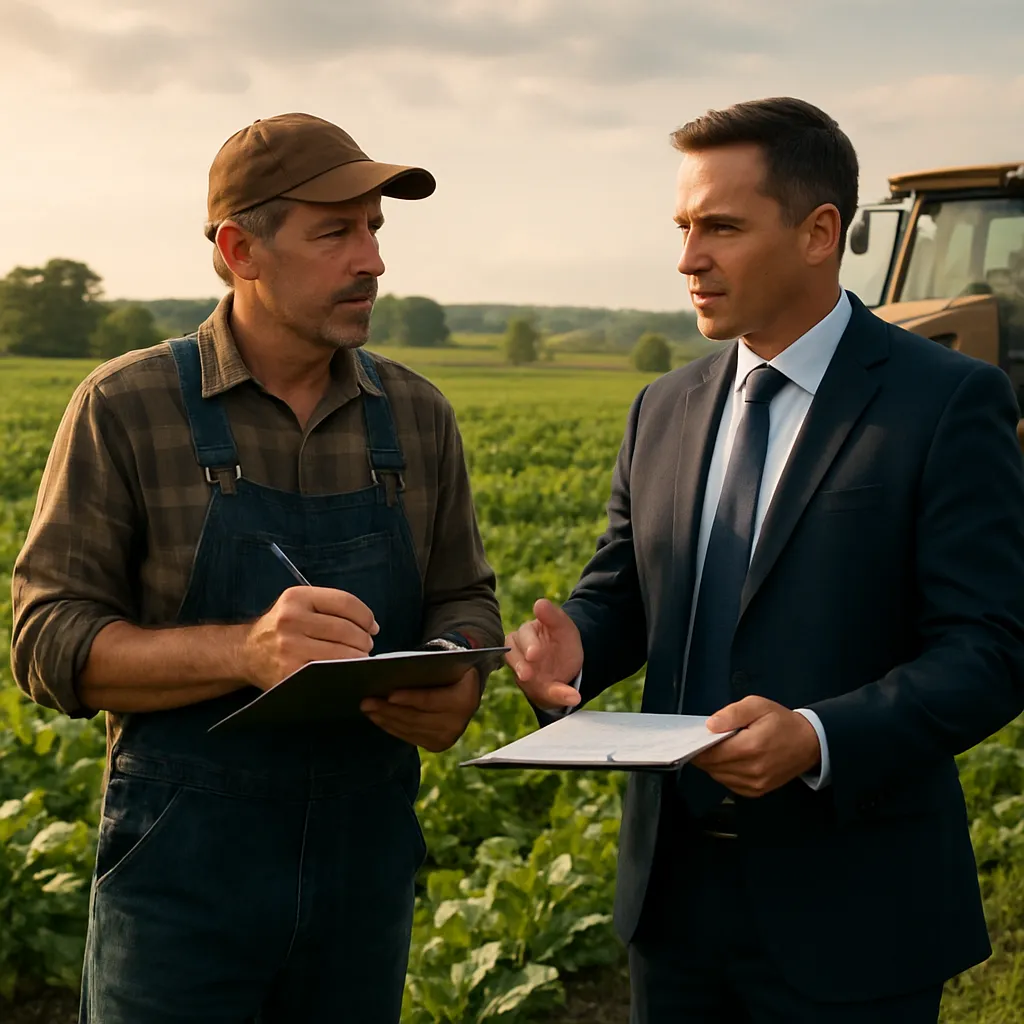
Training programs and peer-to-peer learning networks empower producers to:
- Interpret sensor data and adjust irrigation schedules.
- Design and maintain rainwater harvesting systems.
- Implement watershed management techniques at the community level.
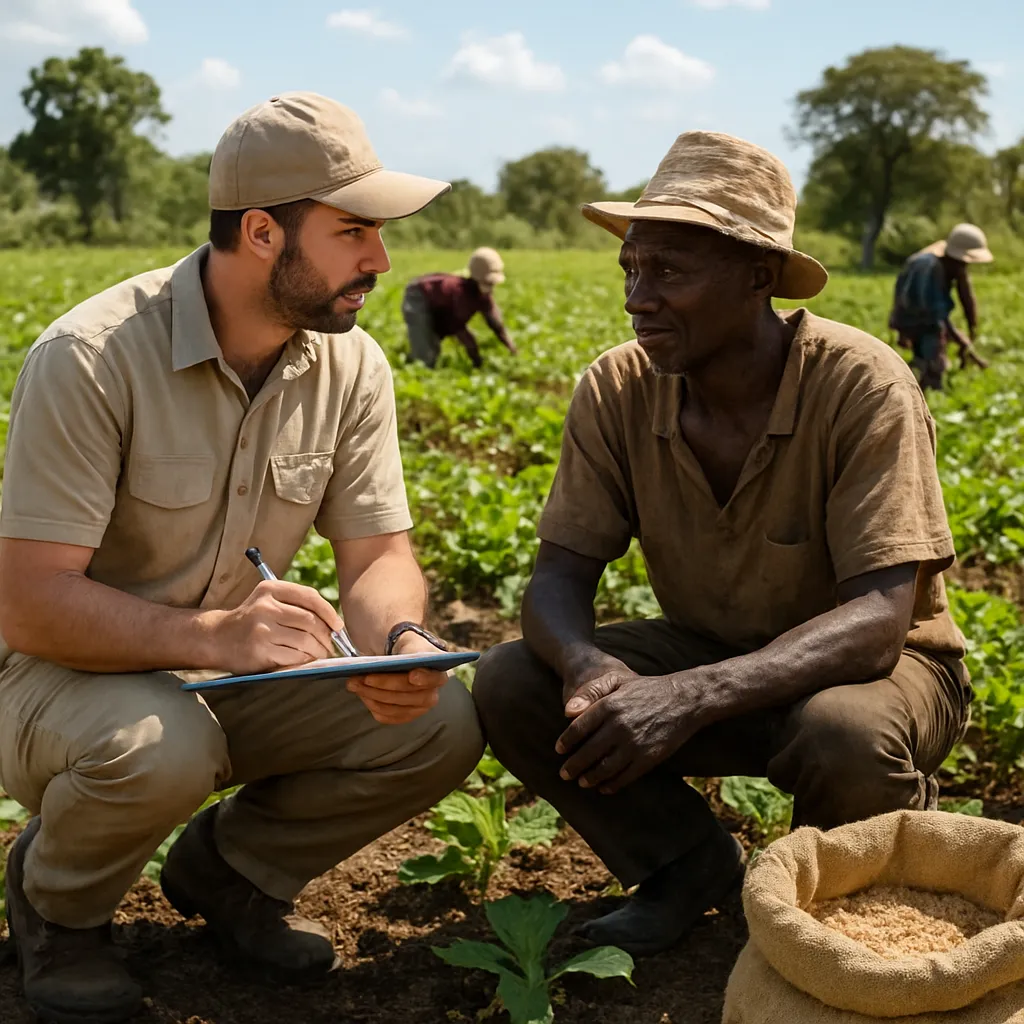
In East Africa, farmer field schools integrating both traditional knowledge and modern tools have boosted water productivity by 35% over five years.
International Research Consortia
Collaborative platforms such as the CGIAR Water Initiative unite scientists, policy makers, and agribusinesses to:
- Develop drought-tolerant crop varieties.
- Refine remote sensing algorithms for regional water stress mapping.
- Share open-access data on water budgets and climate scenarios.
These efforts enhance global resilience by disseminating best practices across diverse agro-climatic zones.