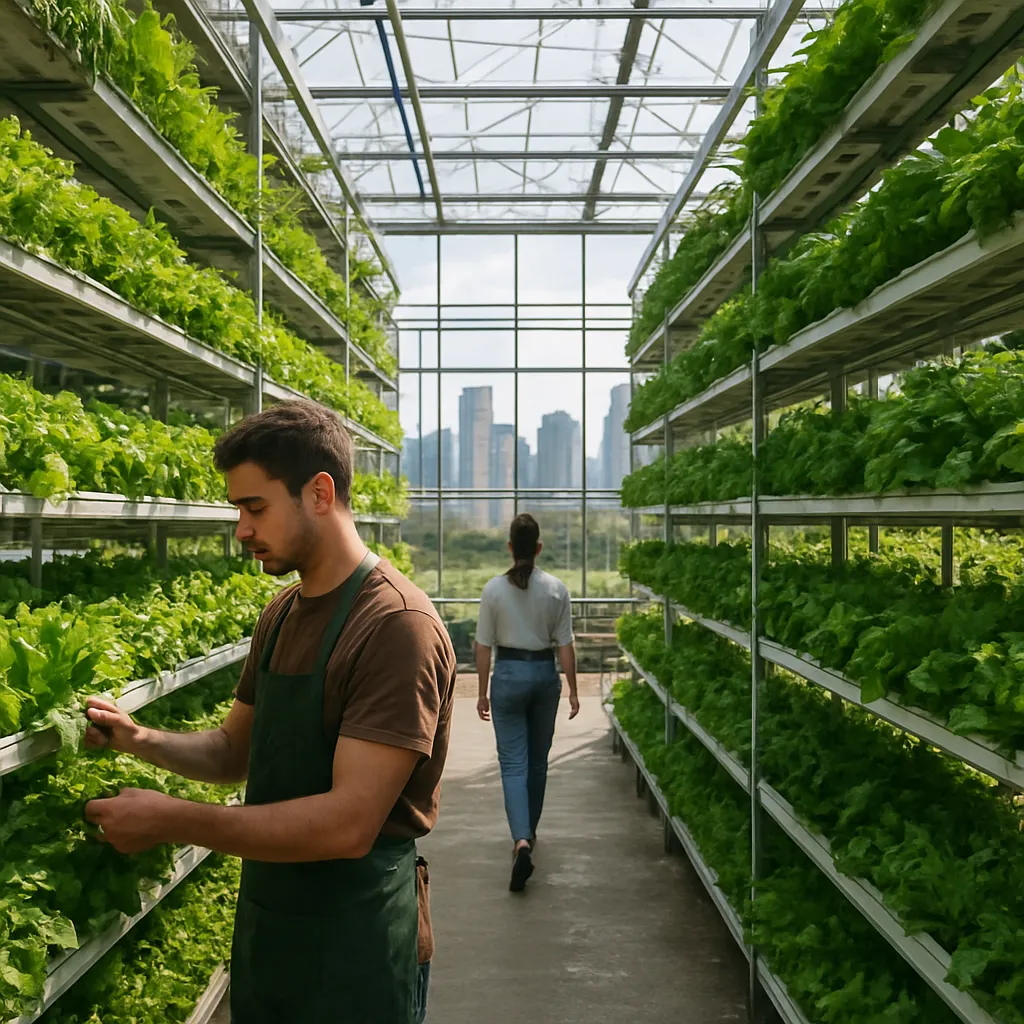
Vertical farming has emerged as a transformative approach to address the growing challenges of feeding densely populated cities while minimizing environmental impact. By stacking layers of crops in controlled indoor environments, this method redefines the concept of agriculture. Combining advanced technologies with sustainable practices, vertical farms promise to revolutionize how we grow and distribute food in urban centers worldwide.
Emergence of Vertical Farming
The idea of cultivating crops in vertically stacked layers can be traced back to early proposals for urban agriculture, but only recent technological advancements have made large-scale implementation viable. As cities expand and arable land shrinks, innovators looked for ways to grow food without relying on traditional soil-based methods. This led to the birth of indoor farms that leverage climate control and artificial lighting to produce fresh produce year-round.
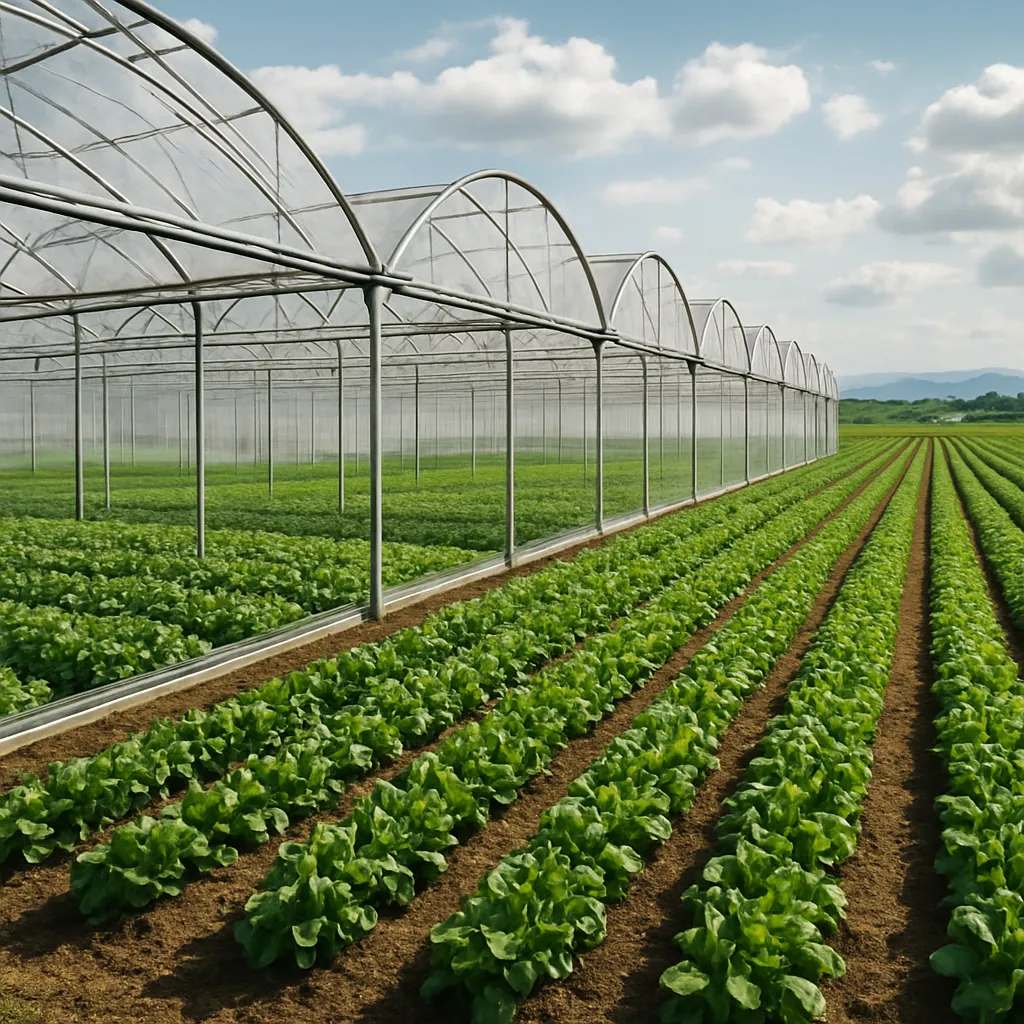
One of the earliest commercial ventures appeared in Japan in the 1990s, where limited land and high population density drove the development of multi-level glasshouses. Soon after, similar concepts spread to North America and Europe. These pioneering facilities proved that crops like lettuce, herbs, and strawberries could thrive under carefully monitored conditions, foreshadowing the rapid growth of the vertical farming sector.
The rise of this industry also coincided with increasing consumer demand for locally sourced food. Vertical farms often locate within or near city centers, reducing transportation distances and associated carbon emissions. As a result, fresh produce moves from farm to table in a matter of hours rather than days, enhancing taste and nutritional value.
In parallel, investors recognized the potential of vertical farming startups, injecting capital into research and infrastructure. This influx spurred rapid improvements in greenhouse design, water management systems, and energy-efficient lighting. Today, dozens of companies operate across the globe, each experimenting with different crops and techniques to optimize productivity.
The emergence of vertical farming marks a pivotal shift in agricultural paradigms, demonstrating how innovation can align with the goal of sustainable food production.
Technological Innovations
At the heart of modern vertical farms lie a suite of cutting-edge technologies designed to maximize yield while minimizing resource use. Controlled-environment agriculture relies on precise management of temperature, humidity, light, and nutrient delivery, ensuring crops grow under ideal conditions.
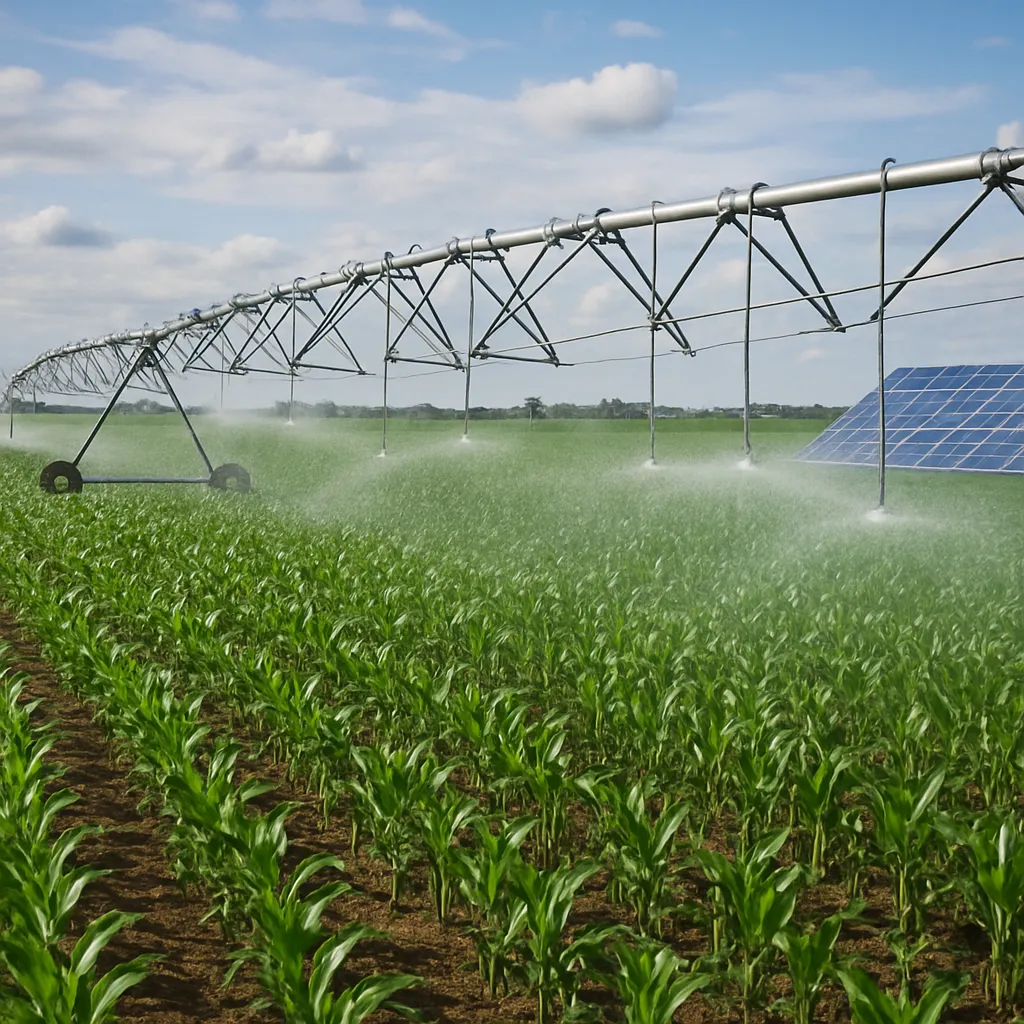
One fundamental technique is hydroponics, where plants receive nutrients directly from water solutions without soil. Hydroponic systems come in various configurations—such as nutrient film technique (NFT), deep water culture, and ebb-and-flow—each tailored to specific plant needs. By recirculating water, hydroponics dramatically reduces consumption compared to field-based agriculture.
Another cutting-edge method is aeroponics, which suspends plant roots in air and mist them with nutrient-rich droplets. This approach offers even greater water savings and faster growth, making it an attractive option for high-value crops. Meanwhile, aquaponics integrates fish farming with plant cultivation: fish waste provides natural fertilizer, creating a closed-loop system that enhances sustainability.
Lighting also plays a critical role. Traditional farms rely on sunlight, but vertical operations use LED fixtures tuned to specific wavelengths that promote photosynthesis. These lights consume less power than older systems and can be programmed to simulate day-night cycles, accelerating plant development and improving crop quality.
To coordinate all elements, farmers deploy IoT sensors and AI algorithms. Sensors monitor pH levels, nutrient concentration, and environmental data in real time. AI-driven analytics adjust conditions automatically, ensuring plants receive optimal care without human intervention. This integration of robotics and machine learning exemplifies the ongoing innovation in the sector.
Benefits for Urban Food Security
By bringing food production closer to consumers, vertical farming enhances city resilience and addresses numerous challenges related to food supply. Urban populations, often dependent on complex logistics and vulnerable to supply chain disruptions, can benefit from local, consistent yields throughout the year.
- Reduced Transportation Emissions: Shorter supply chains mean lower CO2 output from freight and delivery vehicles.
- Year-Round Production: Controlled climates eliminate the constraints of seasonal changes, enabling continuous harvests.
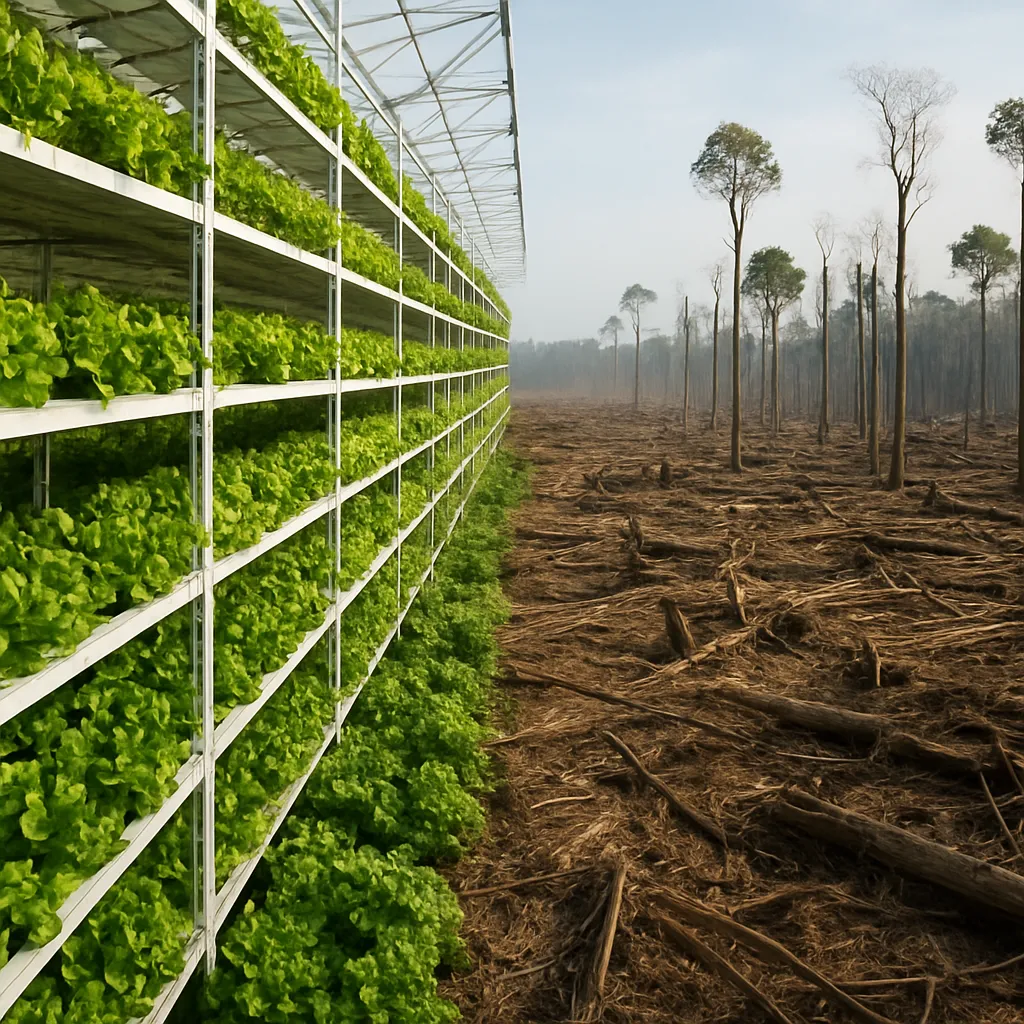
- Land Use Efficiency: Vertical farms require far less square footage than conventional fields, freeing up land for other uses or conservation.
- Water Conservation: Closed-loop irrigation systems cut water usage by up to 90%, vital in regions facing scarcity.
- Food Safety: Indoor cultivation reduces exposure to pests, pathogens, and pollutants, lowering the need for pesticides.
These advantages contribute to greater resource-efficient agriculture, empowering municipalities to integrate farm modules into rooftops, parking structures, and even repurposed industrial buildings. Innovative city planners now consider vertical farms as integral components of sustainable urban development strategies.
Moreover, vertical farming can support nutrition security by enabling the cultivation of nutrient-rich leafy greens and microgreens close to underserved communities. Mobile or modular units can be deployed in food deserts, ensuring fresh produce reaches populations with limited access to supermarkets.
With urbanization trends showing no sign of slowing, embedding agricultural production within cityscapes offers a promising solution to the dual pressures of growing demand and environmental conservation.
Challenges and Future Prospects
Despite its promise, vertical farming faces several hurdles on the path to widespread adoption. The most significant barrier remains high initial investment costs. Building climate-controlled facilities, installing LED lighting, and purchasing advanced water recirculation systems requires substantial capital.
Energy consumption is another concern. Although LEDs and efficient HVAC systems have improved over time, power requirements for lighting and temperature control still represent a major operational expense. Integrating renewable energy sources—such as solar panels or wind turbines—can mitigate this impact, but it further increases upfront costs.
Scaling operations to compete with traditional agriculture poses logistical challenges. While leafy greens, herbs, and specialty crops flourish in vertical setups, staple grains like wheat and rice remain less practical due to space and resource constraints. Diversifying crop portfolios and developing specialized growing techniques may expand the range of viable products.
On the policy front, regulators must adapt zoning laws and building codes to accommodate indoor farms. Incentives, grants, and tax credits can stimulate investment, but consistent frameworks across municipalities are lacking. Collaboration between city officials, developers, and agricultural experts is essential to streamline approval processes.
Looking ahead, ongoing research into advanced materials, such as transparent solar panels and bio-based substrates, may further reduce environmental footprints. Breakthroughs in genetic optimization could yield plants tailored for vertical systems, enhancing flavor and hardiness. As costs decline and technologies mature, the vision of fully integrated urban food grids becomes increasingly attainable.
Ultimately, the evolution of vertical farming will depend on the combined efforts of engineers, farmers, policymakers, and consumers. With continued innovation and strategic support, indoor agriculture could redefine how cities nourish themselves, ensuring resilient and sustainable food systems for future generations.