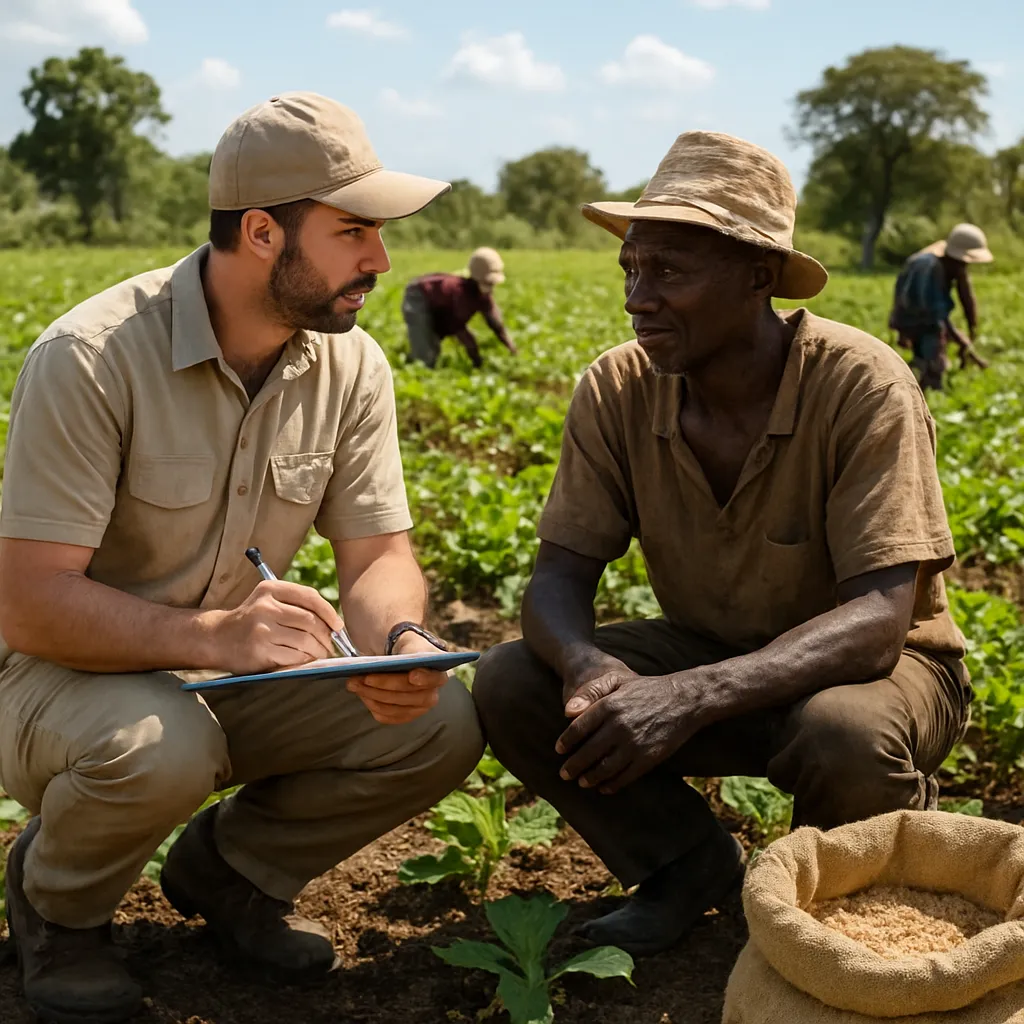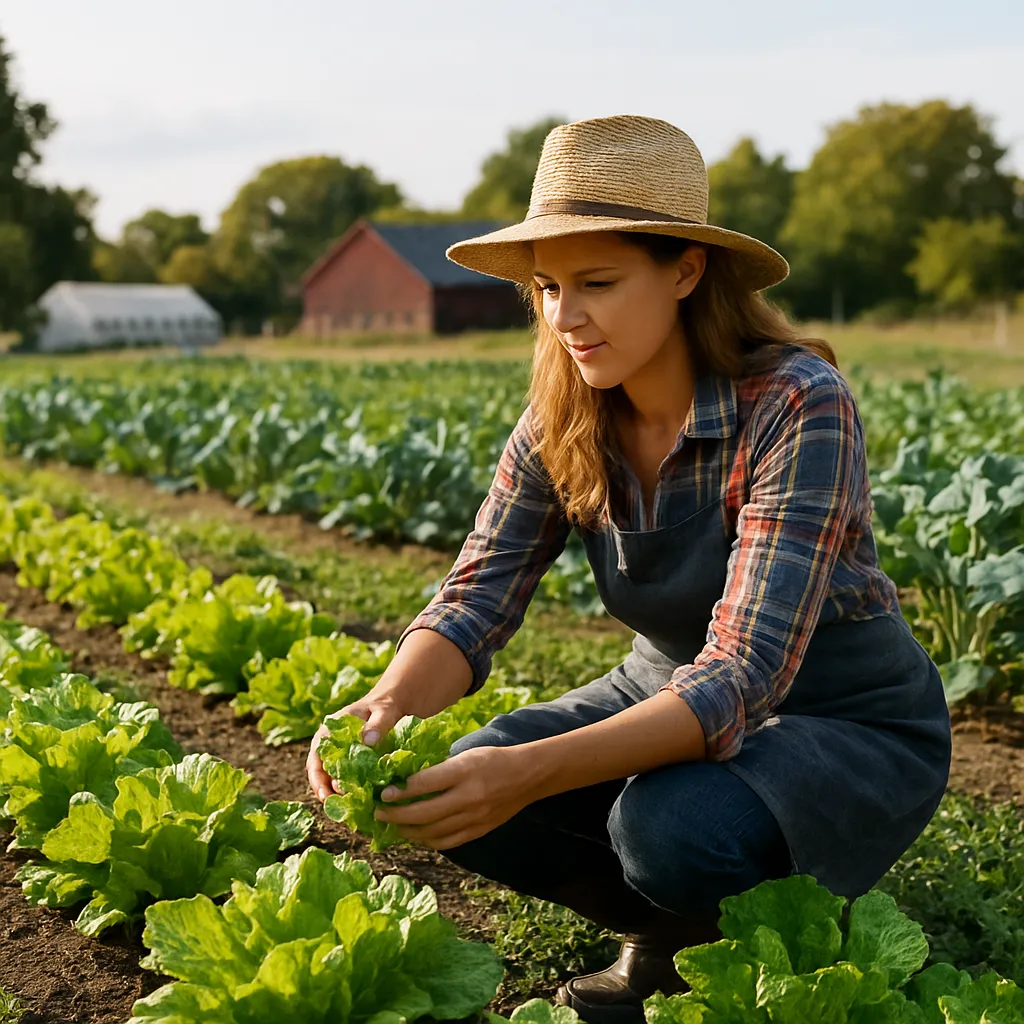
Small farms play an indispensable role in reinforcing local food systems by nurturing strong connections between producers and consumers. Their contributions extend beyond mere food production to encompass environmental stewardship, economic resilience, and the preservation of cultural traditions. This article unpacks the multifaceted impact of small-scale agriculture and explores how strategic policies and community involvement can further empower these vital enterprises.
Benefits of Small Farms
Environmental Advantages
Small farms often employ diversified cropping systems, crop rotations, and integrated pest management that promote biodiversity and reduce reliance on chemical inputs. By maintaining hedgerows and natural habitats, they support pollinators and wildlife. Such practices enhance soil health, leading to better water retention and reduced erosion. Farmers who adopt agroecological methods can:
- Enhance soil fertility through composting and cover crops
- Lower greenhouse gas emissions via minimal tillage
- Protect local watersheds by minimizing runoff
Nutritional Quality and Food Safety
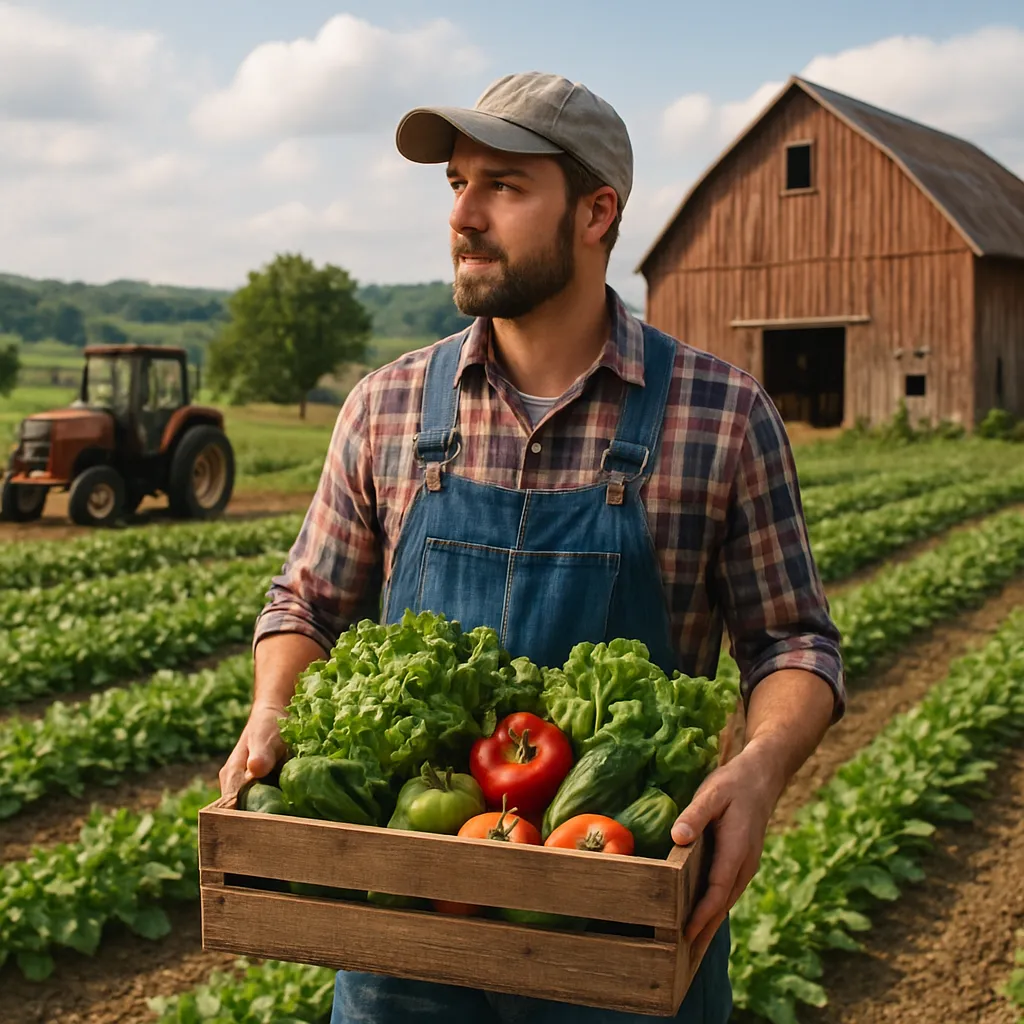
Produce from small farms typically travels shorter distances, arriving fresher and retaining higher levels of nutrients. Consumers benefit from reduced spoilage and improved taste profiles. Small-scale livestock operations often offer pasture-raised meats and dairy products free from routine antibiotics or growth hormones, ensuring a safer and more nutritious food supply. Additionally, transparent farm-to-table channels enhance accountability, allowing buyers to trace their food’s origin.
Fostering Community Engagement
Direct Marketing and Consumer Trust
Farmers’ markets, community-supported agriculture (CSA) programs, and on-farm stands create direct links between growers and shoppers. These outlets:
- Strengthen local economies by keeping revenue within the community
- Encourage customers to learn about seasonal cycles and production methods
- Build trust through face-to-face interactions
Such engagement often leads consumers to value the story behind each product, reinforcing loyalty and fostering repeat business.
Educational Outreach and Skills Transfer
Many small farms host workshops, tours, and school visits to educate the public about agricultural processes. These initiatives broaden awareness of sustainable practices and inspire a new generation of farmers. Through hands-on experiences, participants develop practical skills in gardening, composting, and artisanal food preparation. This knowledge sharing contributes to community empowerment and long-term resilience.
Economic Contributions and Challenges
Strengthening Local Economies
By sourcing inputs and labor locally, small farms generate a multiplier effect that bolsters rural economies. Income from farm sales circulates through nearby businesses, such as feed suppliers, equipment repair shops, and local restaurants. Farm labor often provides seasonal employment opportunities, imparting valuable skills to workers. As demand for artisanal and regionally distinctive products rises, small farms can tap into niche markets, enhancing their profitability.
Financial Barriers and Risk Management
Despite their value, small-scale producers face financial hurdles, including limited access to credit, high land costs, and vulnerability to market fluctuations. The irregular nature of farm income complicates cash flow management, while extreme weather events pose risks to yields and infrastructure. To mitigate these challenges:
- Producers may diversify revenue streams with agritourism or value-added goods
- Insurance programs and cooperative purchasing agreements lower operational risks
- Peer-to-peer lending platforms and microfinance institutions provide alternative capital
Such strategies enhance the sector’s resilience and enable farms to withstand economic shocks.
Policy and Support Systems
Government Initiatives and Incentives
Effective policies can level the playing field for small farms by offering grants, low-interest loans, and technical assistance. Incentive programs fororganic certification, water conservation, and renewable energy installations reduce operational costs and promote sustainable practices. Zoning regulations that protect agricultural land from urban sprawl ensure long-term viability. By aligning funding with environmental and social goals, policymakers can foster a more sustainable food network.
Cooperative Models and Collective Action
Producer cooperatives enable small farms to pool resources, negotiate better prices for inputs, and access broader markets. Shared infrastructure—such as processing facilities, cold storage, and distribution hubs—reduces individual capital burdens while maintaining independence. Cooperative marketing initiatives promote regional brands that highlight local heritage and artisanal quality. This collaborative approach amplifies each farm’s voice in policy discussions and helps secure equitable terms in commercial contracts.
Connecting Heritage and Innovation
Preserving Traditional Varieties
Small farms often serve as custodians of heirloom seeds and heritage livestock breeds. By maintaining genetic diversity, they safeguard traits that could prove essential under changing climate conditions. Seed-saving networks and heritage animal registries foster the exchange of genetic material, supporting adaptive capacity. Such stewardship contributes to global food security and cultural richness.
Integrating Technology for Efficiency
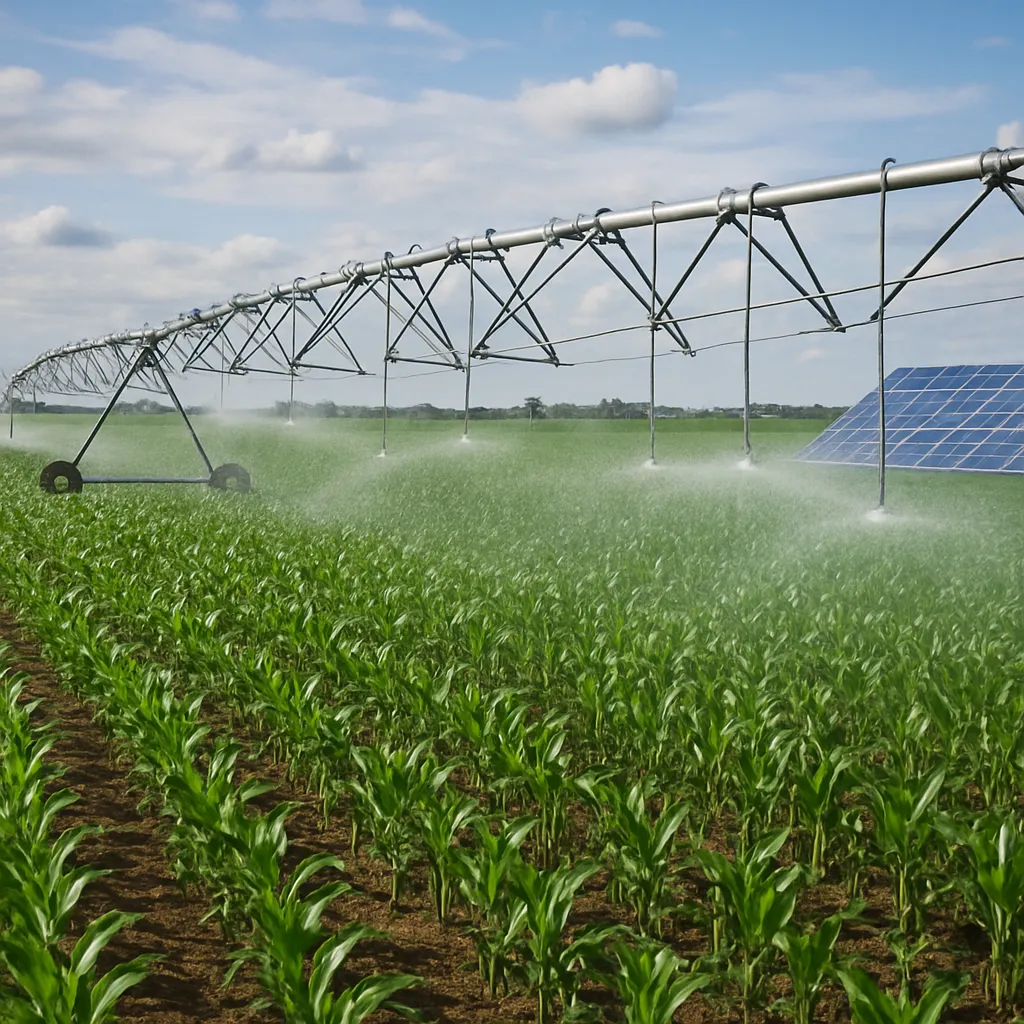
Innovations such as precision agriculture tools, mobile farm management apps, and renewable energy systems are increasingly accessible to small-scale operators. By integrating data-driven decision-making, farmers optimize input use, reduce waste, and improve yield forecasts. These cutting-edge solutions complement time-honored practices, creating a balanced approach that advances both productivity and sustainability.
Scaling Impact Through Collaboration
Public–Private Partnerships
Collaborative networks linking government agencies, non-profit organizations, academic institutions, and private enterprises amplify the reach of small farms. Research partnerships can refine sustainable techniques, while marketing alliances elevate the visibility of regional products. By aligning objectives and sharing expertise, stakeholders drive innovation and ensure that support systems evolve alongside emerging challenges.
Consumer Advocacy and Ethical Purchasing
As awareness of food origins grows, consumers increasingly seek out products that align with their values. Ethical purchasing decisions reinforce fair labor standards, humane animal care, and environmentally responsible methods. Grassroots movements and social media campaigns spotlight the achievements of small farms, inspiring wider community investment. This collective support underpins a more equitable and transparent food ecosystem.
Future Directions for Local Food Systems
Expanding the role of small farms in local food networks demands a holistic approach that integrates environmental, social, and economic considerations. By championing policies that recognize their unique strengths and address structural obstacles, communities can harness the full potential of small-scale agriculture. Fostering innovation while preserving traditional knowledge will ensure that local food systems remain robust, adaptive, and deeply connected to the people they serve.