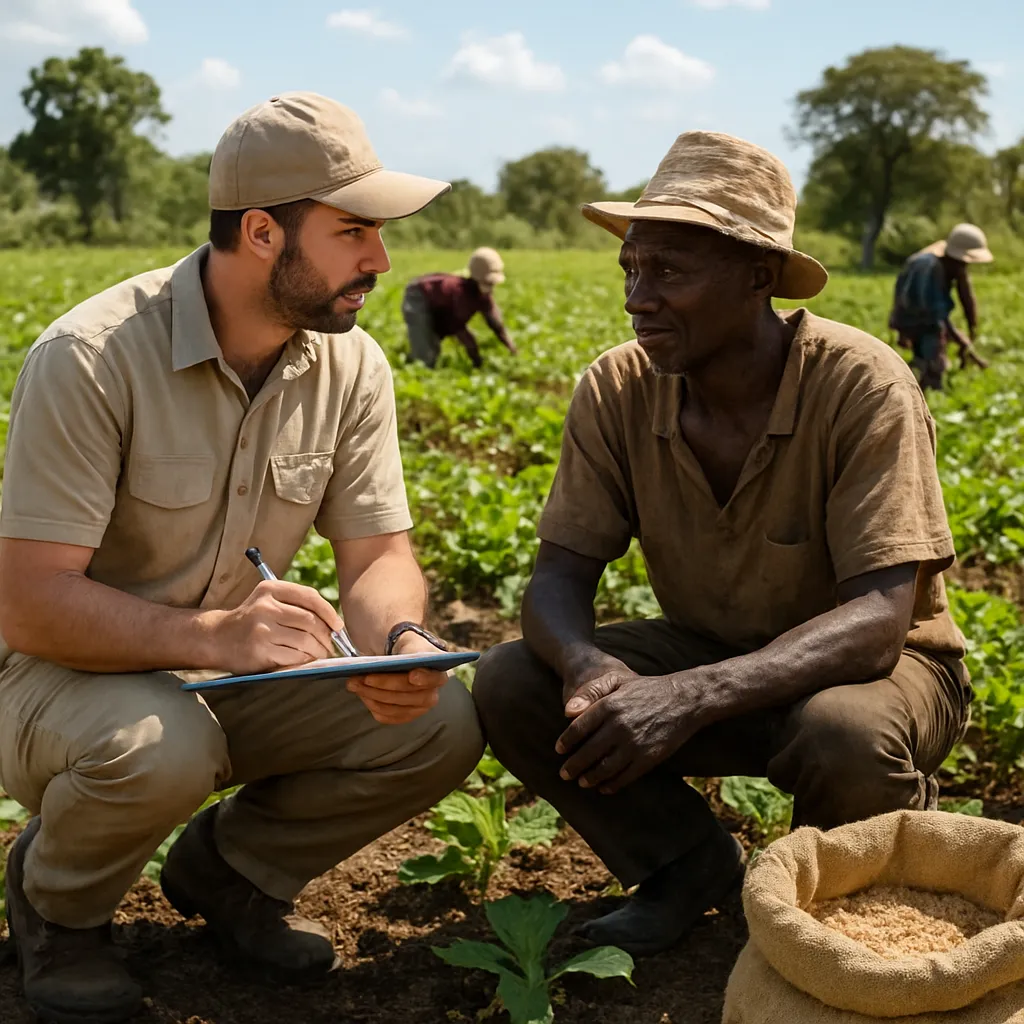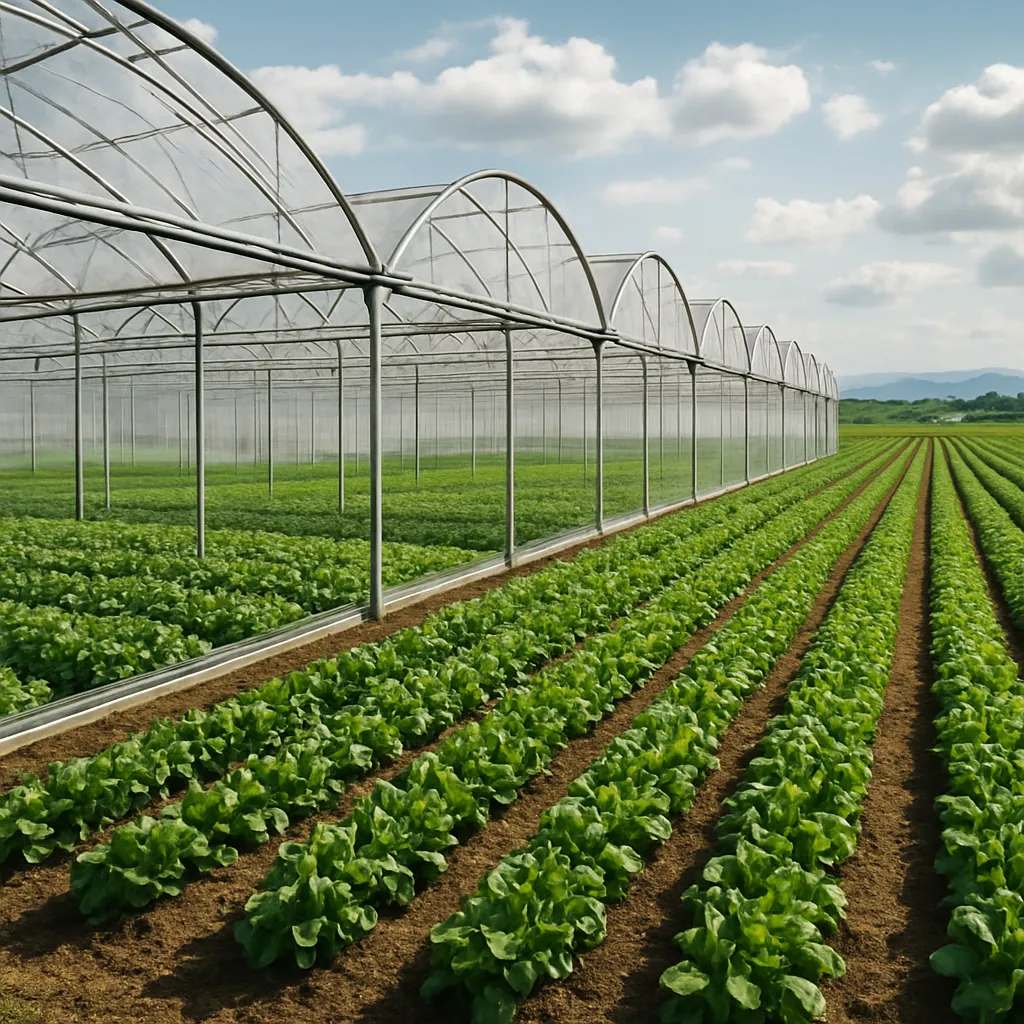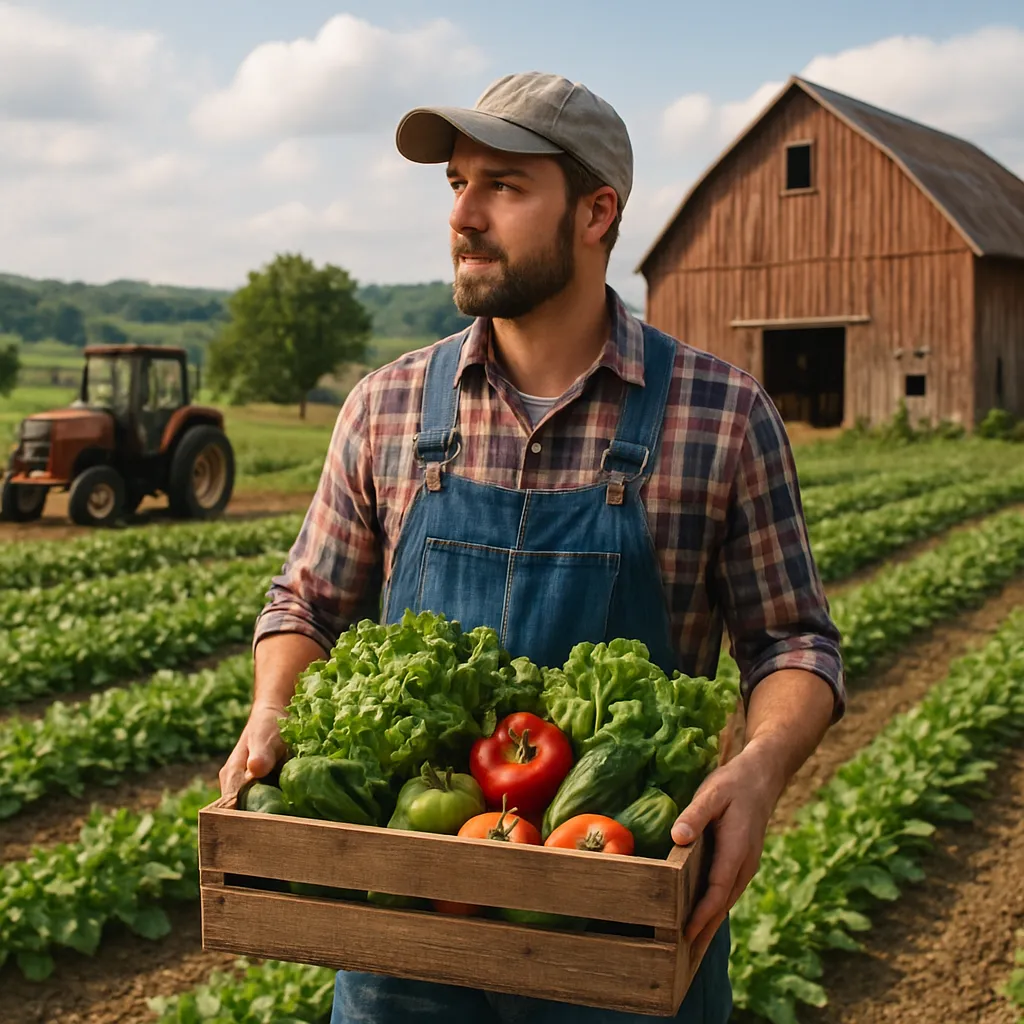
The profound impact of small-scale agricultural enterprises extends far beyond the boundaries of individual plots. In many regions, these modest operations galvanize local markets, contributing directly to rural prosperity and fostering a sense of shared purpose. By harnessing traditional techniques alongside modern approaches, small producers bolster livelihoods and strengthen food security for millions around the globe.
Recognizing the central role of these farms demands a closer look at how they function as engines of innovation, sustainability, and social cohesion. Exploring their potential unveils strategies for amplifying benefits, mitigating risks, and forging partnerships that uplift entire communities.
Small Farms as Pillars of Rural Economies
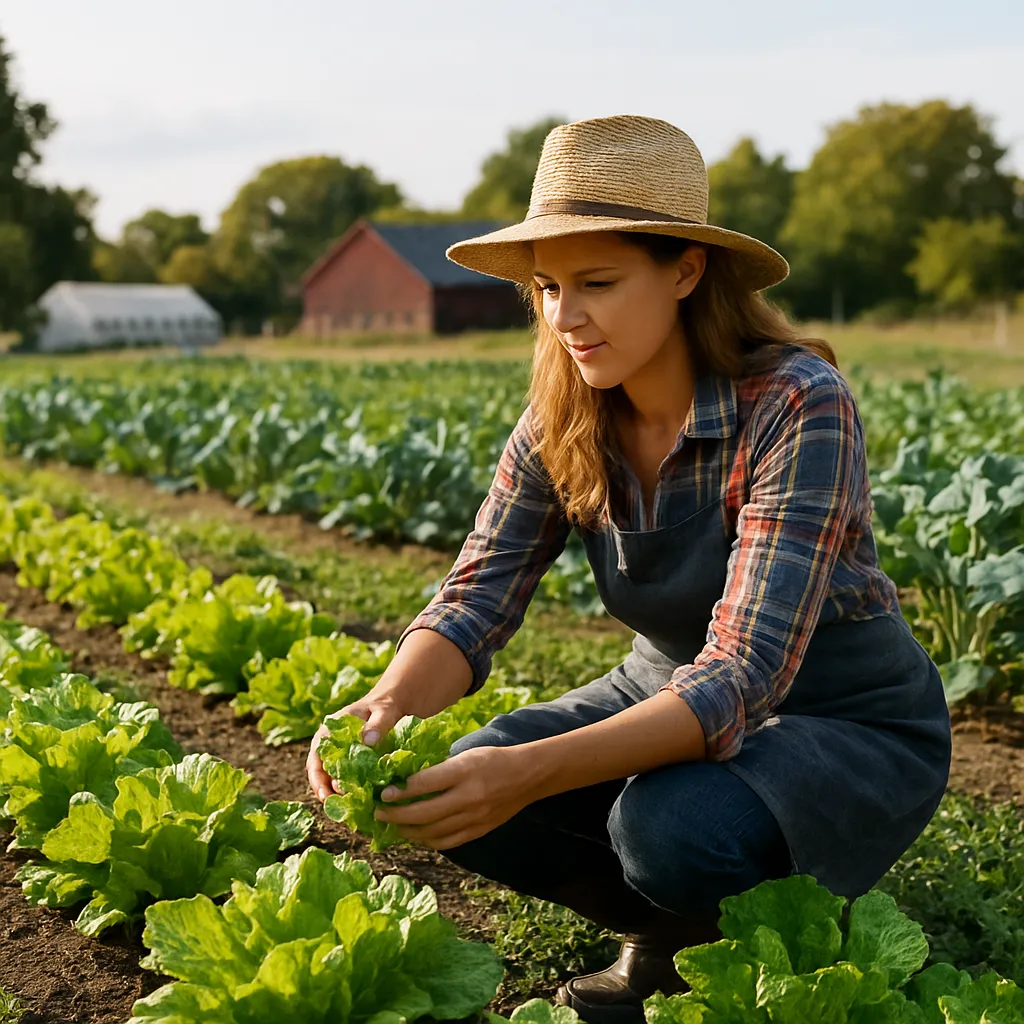
Across continents, family-owned plots and community gardens collectively shape the backbone of rural development. They often operate on narrow margins yet demonstrate remarkable agility in responding to shifting demands. By selling produce at local markets, farmers retain a higher share of revenue compared with large-scale supply chains, directly reinvesting earnings within their communities. This dynamic fosters a cycle of economic empowerment: earnings fund new tools, improved seeds, and community events that further stimulate trade.
Moreover, these operations frequently champion agroecological methods, preserving soil health and protecting watershed areas. The interplay between farming practices and environmental stewardship heightens biodiversity and fortifies the resilience of entire landscapes. Smaller plots permit diversified cropping patterns, which can disrupt pest cycles, reduce dependency on chemical inputs, and buffer against climatic fluctuations.
Facing the Challenges: Market Access and Climate Risks
Despite their promise, smallholders confront persistent obstacles. Limited access to formal credit often constrains investments in irrigation, storage, or processing facilities. Infrastructure gaps—from unpaved roads to unreliable energy—impede efficient movement of goods, leading to post-harvest losses and price volatility. Bridging these divides calls for targeted interventions, such as microfinance schemes that align repayment schedules with harvest cycles and community-driven logistics solutions that leverage shared transport.
Climate change compounds these difficulties, presenting unpredictable rainfall patterns, rising temperatures, and extreme events. Many small farms operate without weather insurance or early warning systems, amplifying vulnerability to droughts or floods. To counter these risks, extension services and cooperative networks disseminate climate-smart techniques, from water-harvesting pits to drought-tolerant seed varieties, equipping farmers to adapt proactively.
Innovation and Sustainable Practices
Unlocking the full potential of small farms demands an infusion of innovation and strategic planning. By integrating time-tested knowledge with cutting-edge tools, these enterprises can enhance yields while safeguarding ecological integrity. Key practices include:
- Agroforestry systems that combine trees with crops, improving soil fertility and carbon sequestration
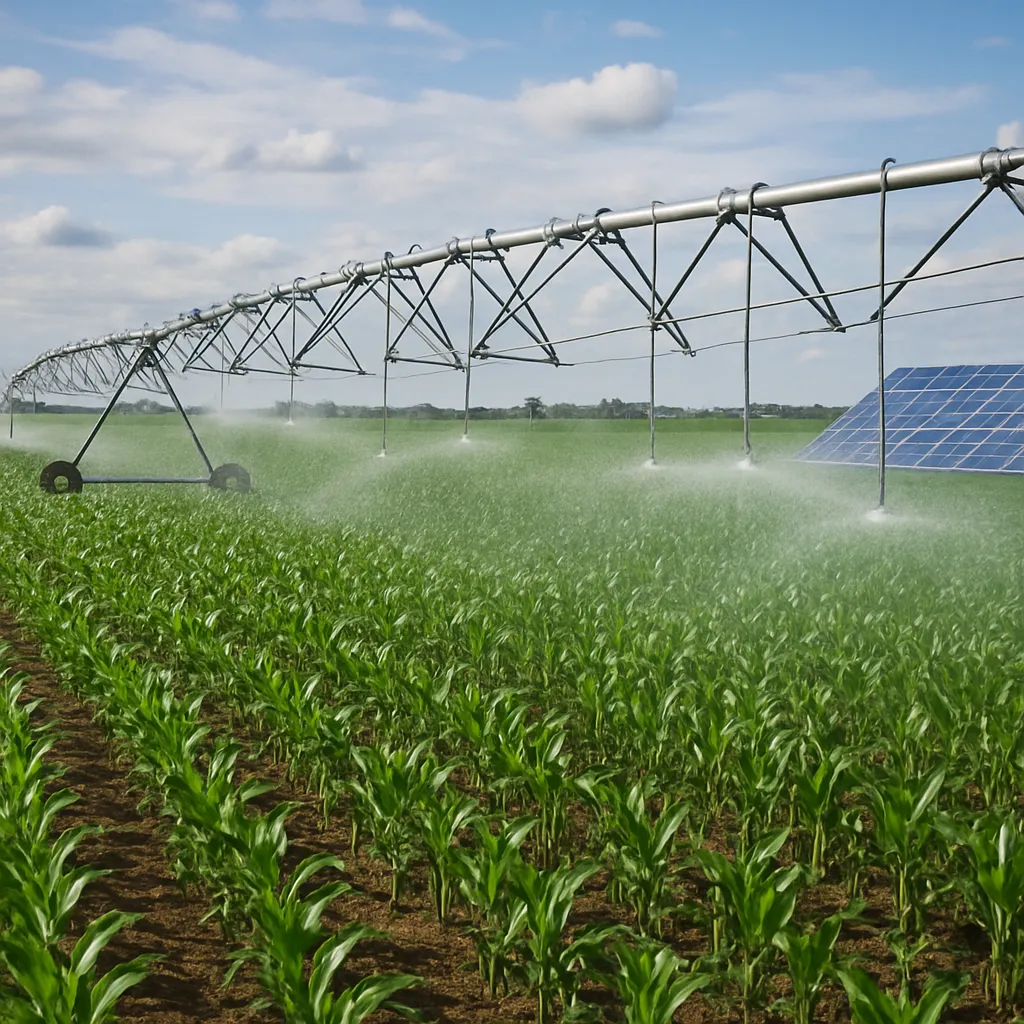
- Precision watering techniques, such as drip irrigation, reducing water waste and boosting productivity
- Community-based seed banks that preserve heirloom varieties and ensure genetic diversity
- Value-added processing—drying, canning, or fermenting—to extend shelf life and create new revenue streams
- Digital platforms connecting farmers to real-time market data, weather forecasts, and peer support
By adopting these approaches, smallholders not only improve farm efficiency but also elevate local employment, driving robust rural economies.
Collaborative Models for Growth
Cooperatives and Collective Action
Forming cooperatives empowers individual farmers to share resources and negotiate better terms with buyers. Collective marketing increases bargaining power, reduces transaction costs, and fosters knowledge exchange. Many groups have succeeded in securing organic or fair-trade certifications, commanding premium prices and reinforcing communal bonds. These benefits extend well beyond economics, nurturing cultural ties and bolstering social capital.
Public-Private Partnerships
Engagement between governments, NGOs, and private enterprises can catalyze investment in infrastructure, training, and research. Subsidized extension programs introduce resilient crop varieties, while market linkages open doors to urban centers and export corridors. Such collaborations often target women and youth, expanding opportunities for entrepreneurship and addressing demographic shifts in rural areas.
Global Collaborations and Policy Initiatives
International frameworks increasingly recognize the value of small-scale producers in achieving sustainable development goals. Policy reforms that secure land tenure rights and streamline regulatory processes reduce uncertainty and encourage long-term planning. When governments allocate budgetary support for rural roads, storage facilities, and agricultural education, the ripple effects enhance overall productivity and household incomes.
Donor agencies and multilateral institutions play a key role by funding research into climate-resilient crops and by convening stakeholders to share best practices. Exchange programs and study tours expose farmers to novel techniques, reinforcing a culture of continuous improvement and peer learning. By prioritizing inclusive growth, these initiatives underscore the necessity of supporting smallholders as cornerstones of equitable progress.
Local food systems anchored in small farm networks sharpen supply chain transparency, reconnecting consumers with the origins of their meals. This proximity fosters trust, encourages sustainable consumption, and reimagines the relationship between producers and urban markets.
Charting the Path Forward
Expanding the impact of small farms requires coordinated efforts across sectors. Investments in infrastructure, financial services, and digital connectivity equip producers to thrive. Equally vital are educational programs that merge indigenous wisdom with scientific advances, forging adaptive, sustainable models of agriculture. As smallholders flourish, their communities reap the rewards: greater economic sustainability, enhanced social cohesion, and improved quality of life.
Ultimately, embracing the potential of small farms signifies more than agricultural reform—it represents a commitment to empowering people, preserving ecosystems, and fostering resilient economies. By amplifying the strengths of these enterprises, policymakers, practitioners, and consumers can collectively cultivate a more equitable and prosperous rural landscape.