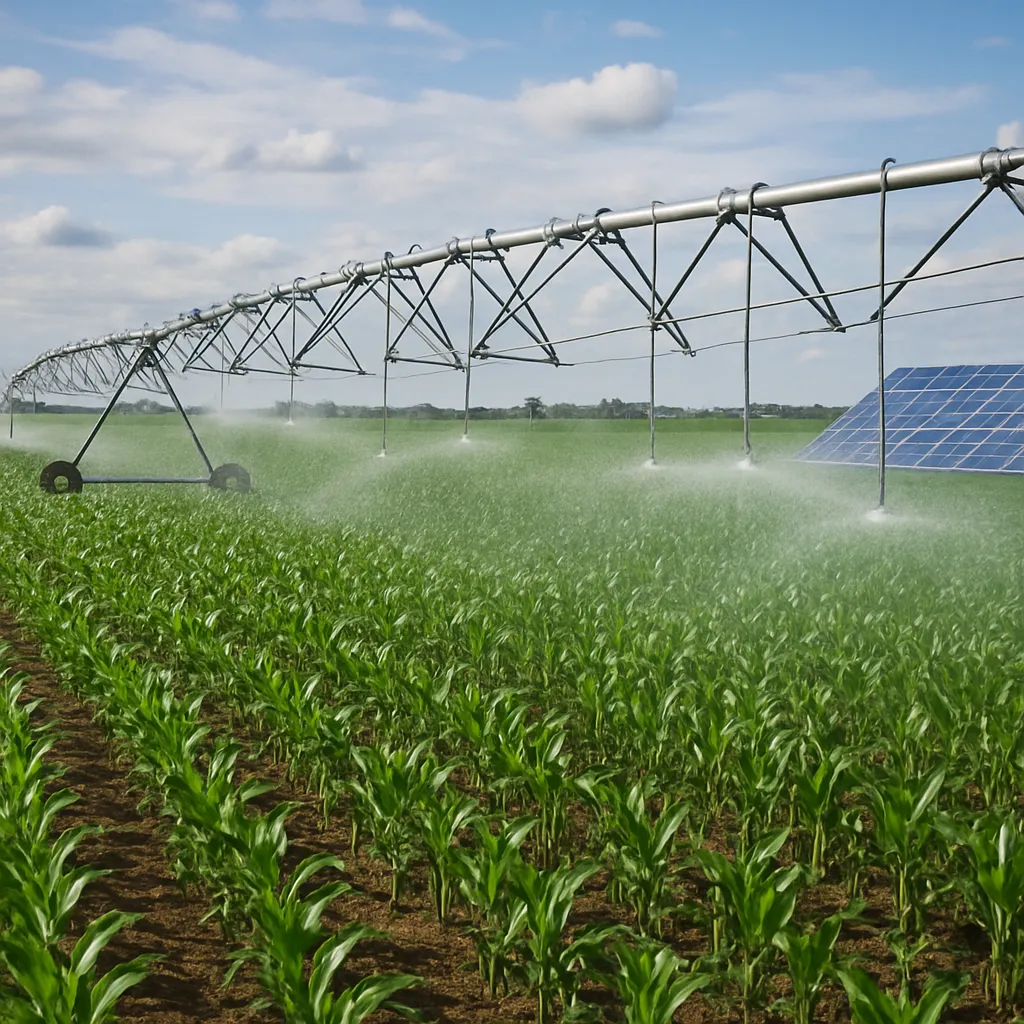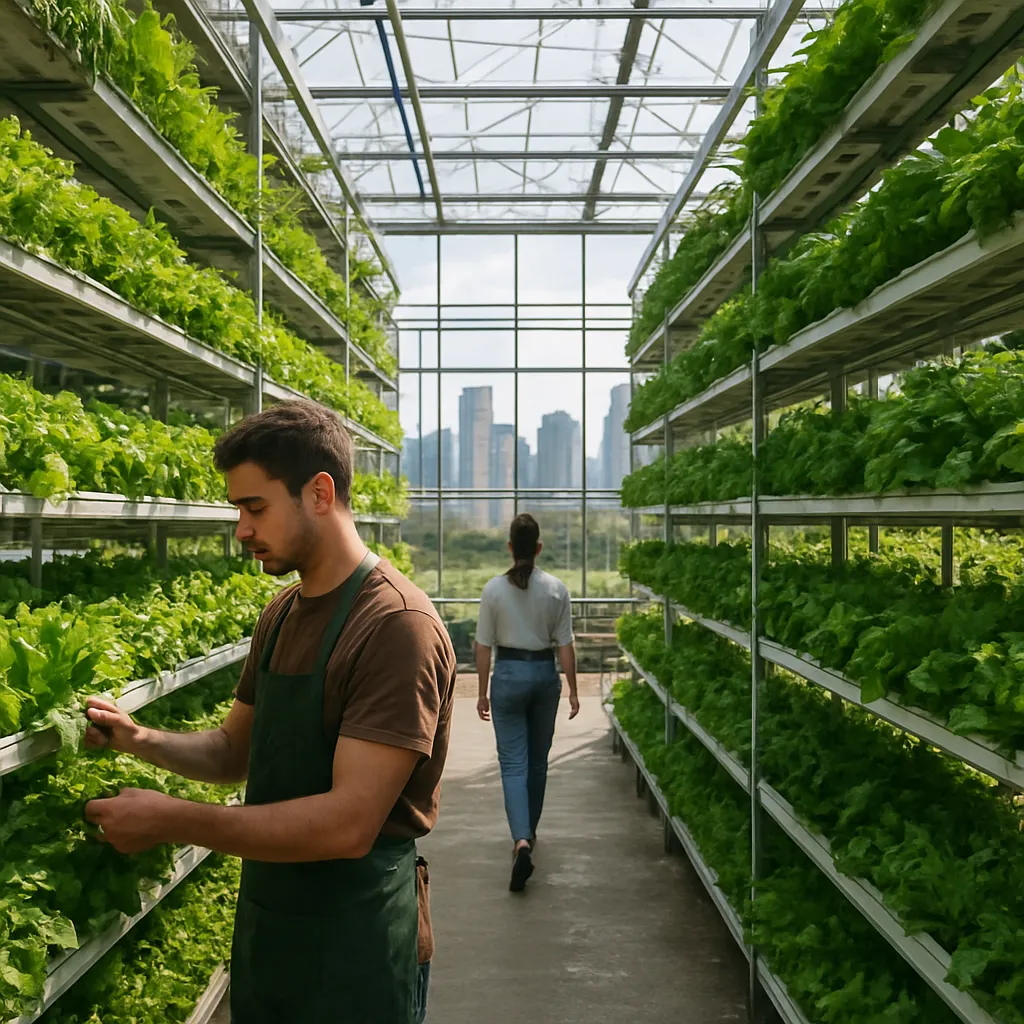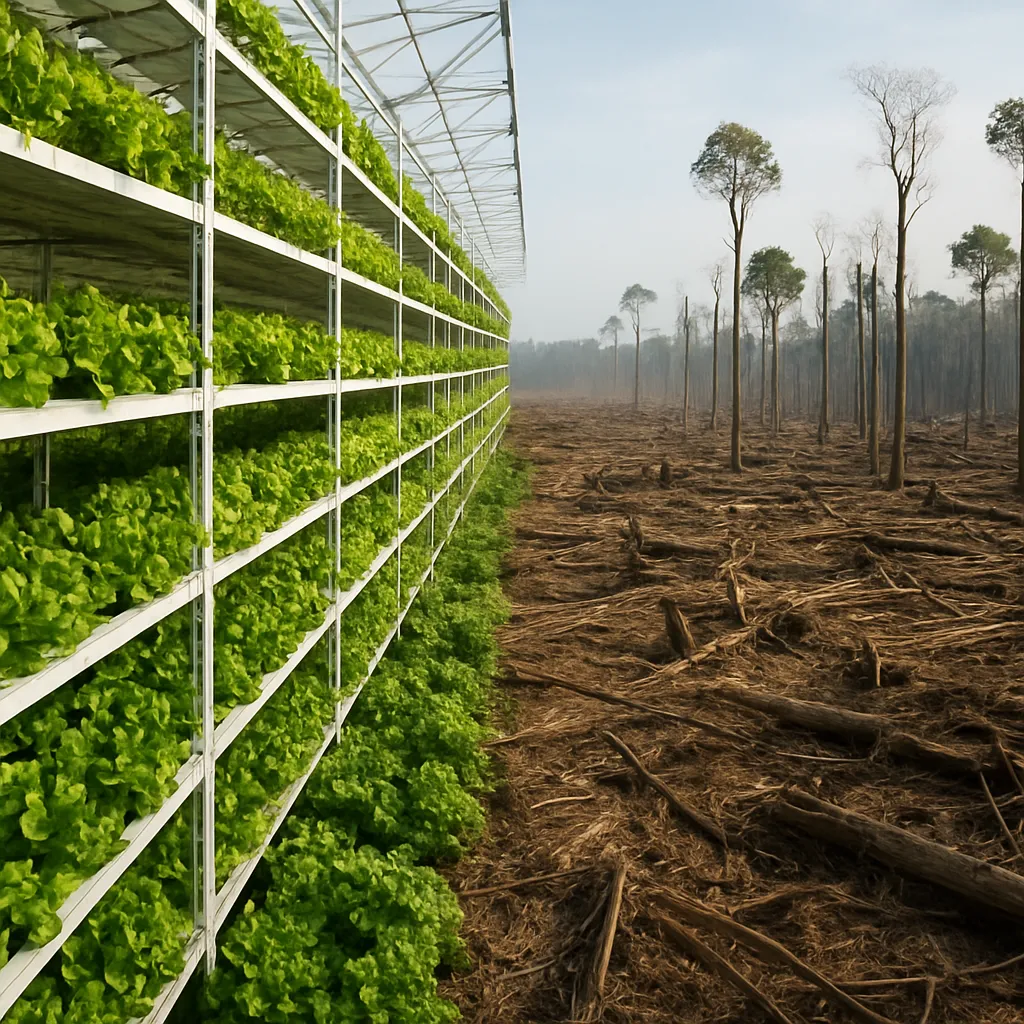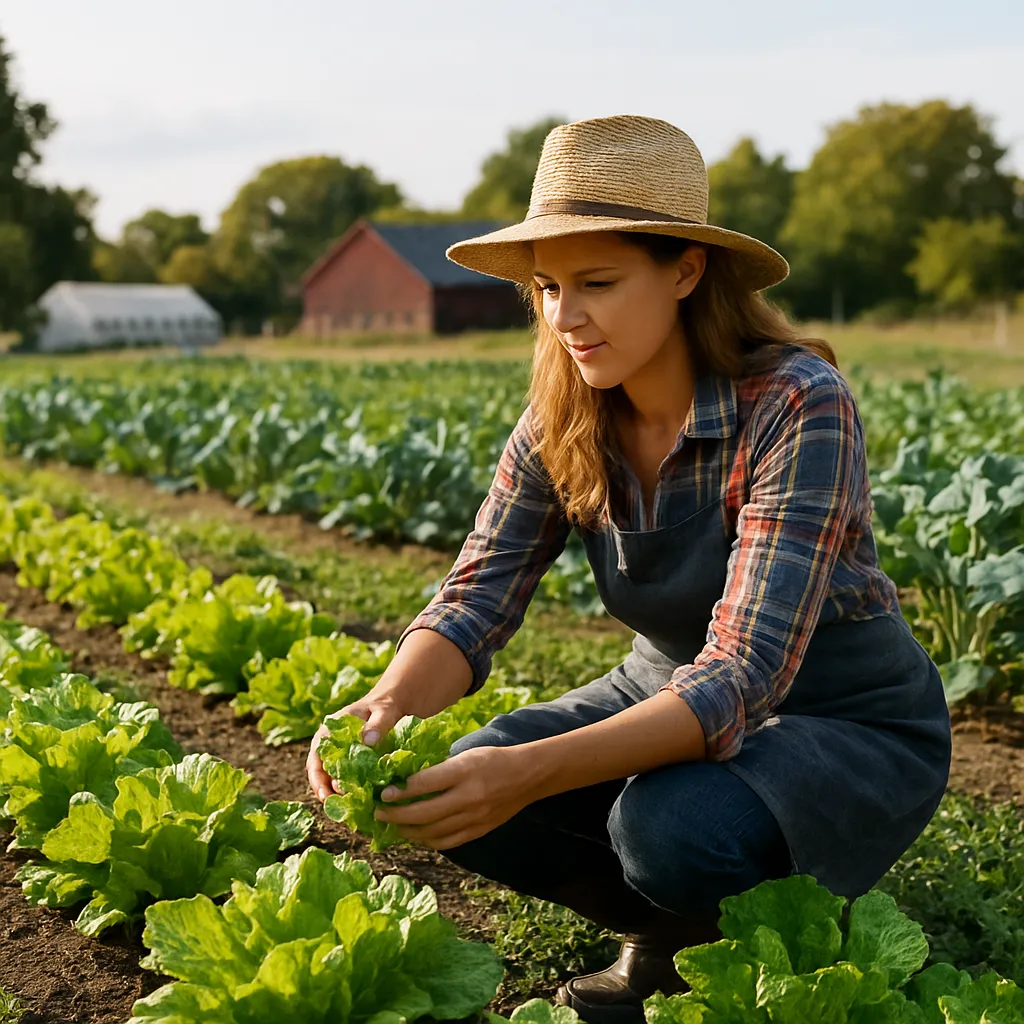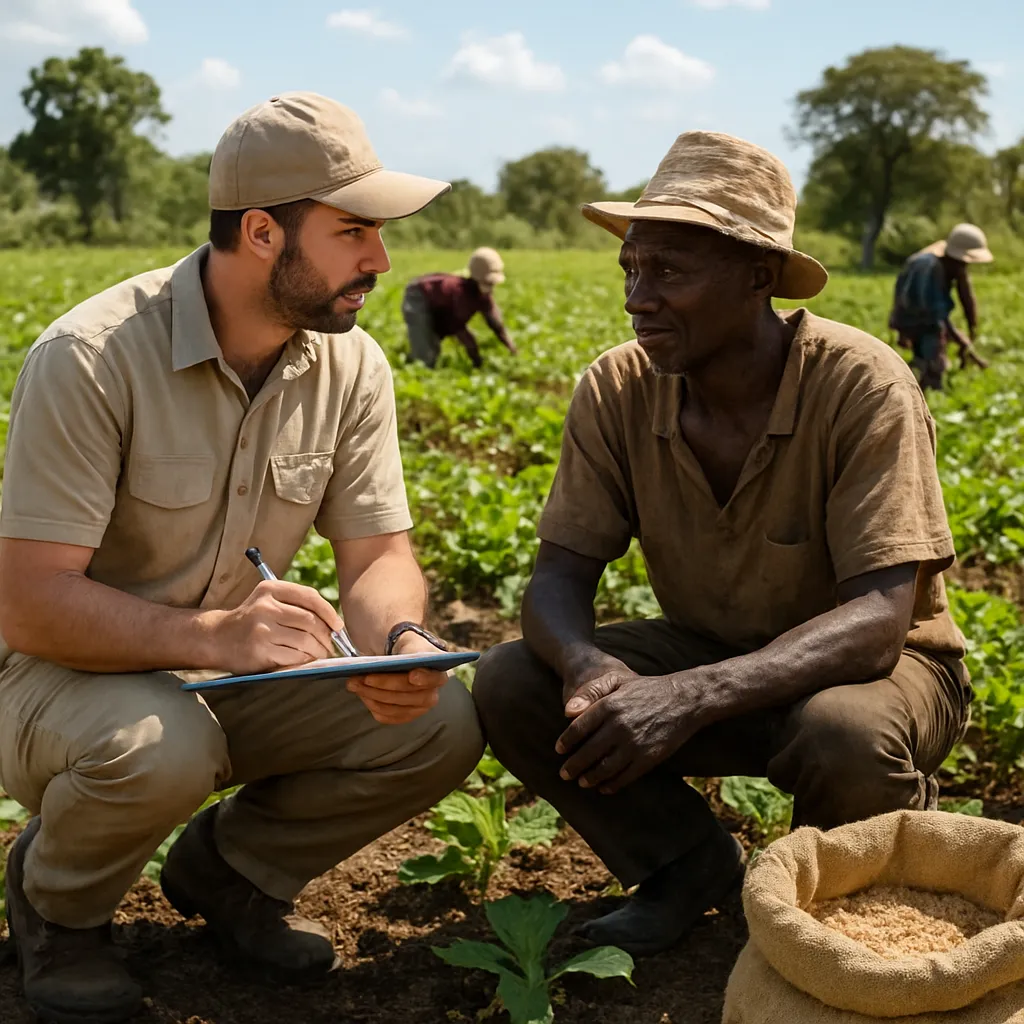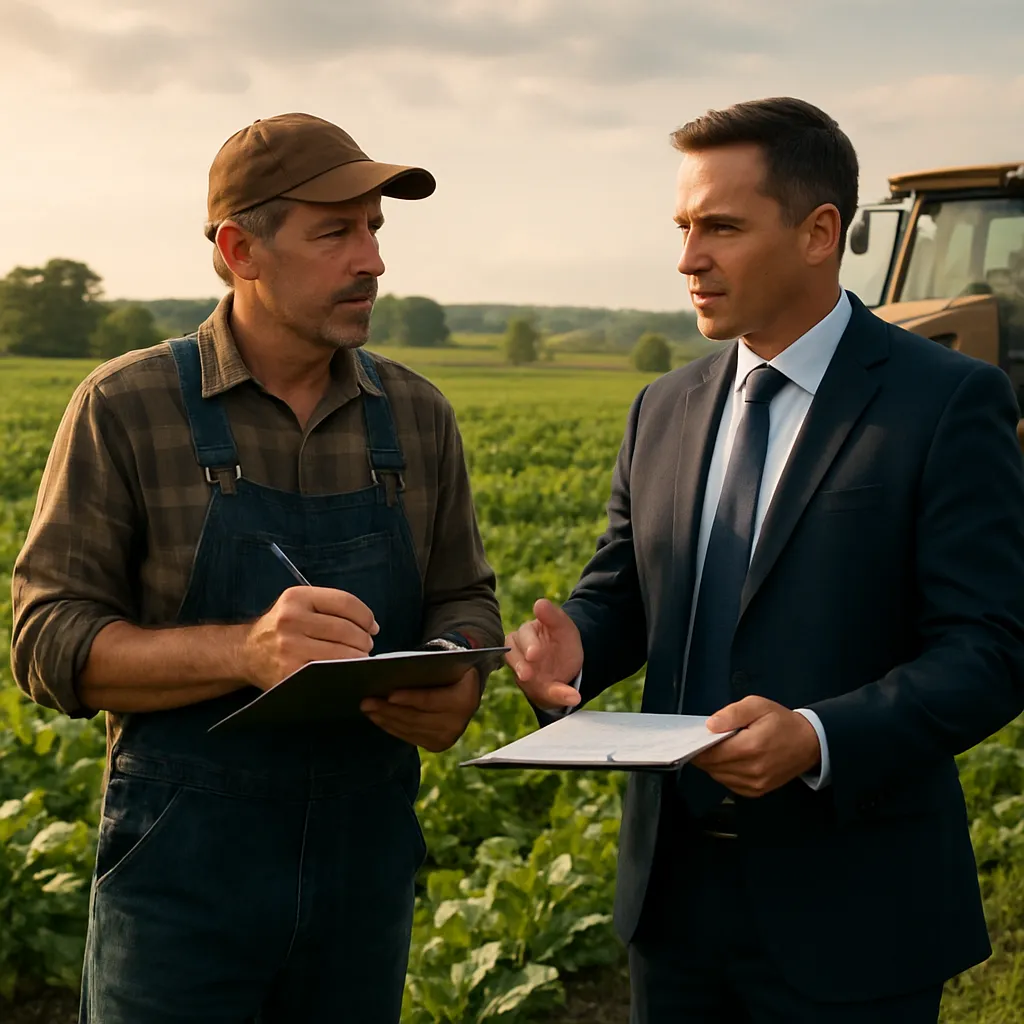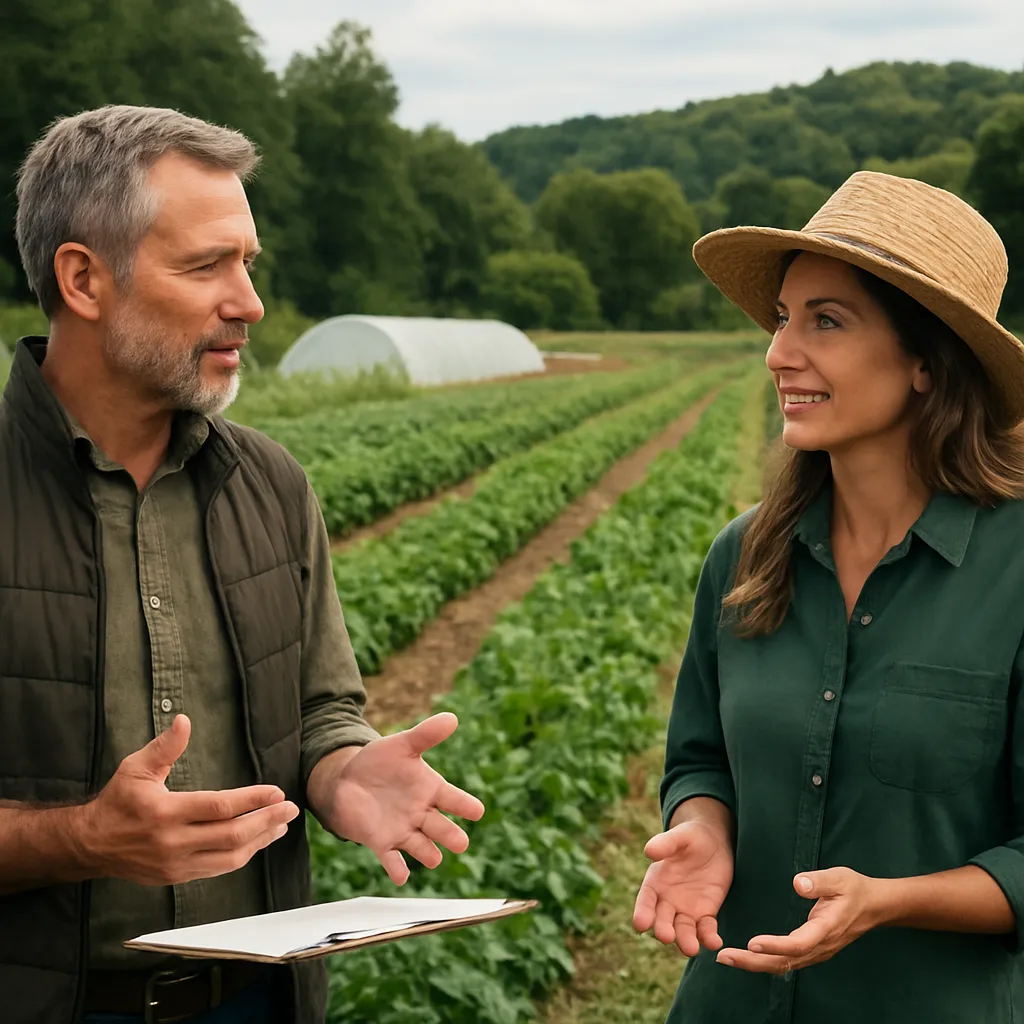
Local authorities play a critical role in shaping the future of food production by fostering sustainable practices within agricultural communities. In the context of world farms, local administrations often serve as intermediaries between national directives and grassroots needs. By aligning resources, policy frameworks, and community outreach efforts, these bodies can drive positive change that benefits both livelihoods and the environment.
Engaging Local Authorities in Sustainable Agriculture
Local governments possess a unique vantage point to understand the nuances of regional farming systems. Their responsibilities often include land-use planning, agricultural extension services, and environmental monitoring. Through targeted programs, these bodies can:
- Provide technical support and training to farmers on soil health, water conservation, and organic methods.
- Facilitate partnerships with research institutions to pilot innovation in crop varieties, irrigation technology, and integrated pest management.
- Offer platforms for stakeholder dialogue, ensuring that smallholders and large-scale producers alike have a voice in shaping local strategies.
When local councils integrate sustainability into zoning regulations and development plans, they safeguard critical areas such as wetlands and riparian buffers. By enforcing buffer zones around watercourses, authorities reduce runoff of agrochemicals, contributing to cleaner waterways and healthier ecosystems.
Implementing Incentives and Policies
To encourage uptake of eco-friendly methods, municipalities deploy various financial and regulatory instruments. These measures are designed to lower barriers and reward positive action:
- Funding schemes: Grants and low-interest loans for farmers adopting cover cropping, agroforestry, and renewable energy installations.
- Tax breaks and fee waivers for certified organic operations or for those achieving certain agriculture sustainability benchmarks.
- Regulatory relief: Streamlined permitting processes for farm-based biogas plants or composting facilities.
Such incentives must be carefully calibrated to ensure equity. In many regions, smallholder farms operate on thin profit margins and require tailored support. Local governments frequently collaborate with non-governmental organizations and development agencies to co-design packages that address context-specific hurdles like access to markets, inputs, or technical expertise.
Incentive Monitoring
Robust monitoring systems help ensure that incentives generate measurable outcomes. Local authorities can develop digital platforms or mobile applications to track adoption rates of sustainable practices, measure reductions in chemical usage, and calculate improvements in soil carbon content. Public dashboards build trust and highlight success stories, spurring peer learning among community members.
Collaborative Models and Community Participation
Effective governance of world farms demands strong community engagement. Local governments often establish:
- Farmer cooperatives or producer groups that pool resources, share knowledge, and negotiate better terms with buyers.
- Multi-stakeholder forums bringing together municipal officers, agribusinesses, civil society, and research centers.
- Laboratories or field stations where experimental plots demonstrate contour farming, drip irrigation, and integrated livestock-crop systems.
By nurturing inclusive spaces, authorities empower marginalized populations, including women and indigenous producers, to contribute to policy dialogues. This approach not only improves social equity but also taps into indigenous knowledge, which often aligns closely with the principles of ecological stewardship.
Innovation Hubs
In many regions, local administrations sponsor innovation hubs or incubators that provide start-ups and farmer-entrepreneurs with mentorship, workspace, and access to capital. These hubs accelerate the development of digital agriculture platforms, IoT-based monitoring solutions, and novel bioproducts like biofertilizers. By leveraging public–private partnerships, governments de-risk these ventures and amplify impact across broader networks of world farms.
Capacity Building and Knowledge Transfer
Training and education are cornerstones of any sustainable farming initiative. Local officials collaborate with extension agents to deliver workshops on topics such as regenerative agriculture, integrated pest management, and post-harvest handling. Key strategies include:
- Mobile clinics or “flying” extension teams that travel to remote villages, offering hands-on demonstrations.
- e-Learning modules accessible via smartphones, enabling real-time consultation and troubleshooting.
- Peer-to-peer learning networks where experienced farmers mentor newcomers, reinforcing best practices and fostering a sense of community.
Investing in human capital not only boosts productivity but also enhances resilience against climate shocks. Education programs often integrate climate-smart agriculture to prepare farmers for drought, flooding, or pest outbreaks, ensuring food security and stable incomes.
Addressing Challenges and Scaling Success
Despite considerable progress, local governments encounter several obstacles:
- Budget constraints that limit the scope and reach of incentive programs.
- Institutional inertia and fragmented mandates among departments dealing with environment, agriculture, and economic development.
- Resistance to change from traditional producers wary of new techniques or regulations.
To overcome these challenges, authorities should:
- Align regional and national priorities through clear frameworks that define roles and responsibilities.
- Leverage data-driven decision-making, employing GIS mapping and remote sensing to identify priority areas for intervention.
- Engage in continuous stakeholder consultations, incorporating feedback loops that adapt programs to evolving needs.
Replication of successful models requires careful documentation and knowledge-sharing across administrative boundaries. Local governments can convene regular conferences or study tours, showcasing exemplar farms that have achieved significant reductions in chemical inputs, increases in biodiversity, or improvements in livelihood indicators.
Future Directions and Recommendations
Looking ahead, the role of local governments will become even more pivotal as global demands on agriculture intensify and climate pressures mount. Key recommendations include:
- Integrating circular economy principles, such as waste-to-energy and nutrient recovery, into municipal planning.
- Strengthening public–private partnerships that mobilize private capital while ensuring public interest safeguards.
- Enhancing cross-border collaborations, especially in regions sharing watersheds or transnational ecosystems, to create coherent policies for sustainable agriculture on a broader scale.
By embracing innovative governance models and fostering inclusive participation, local authorities can elevate the performance of world farms, ensuring they remain productive, resilient, and in harmony with the natural environment. Such efforts are essential for feeding a growing population while preserving the health of our planet for future generations.