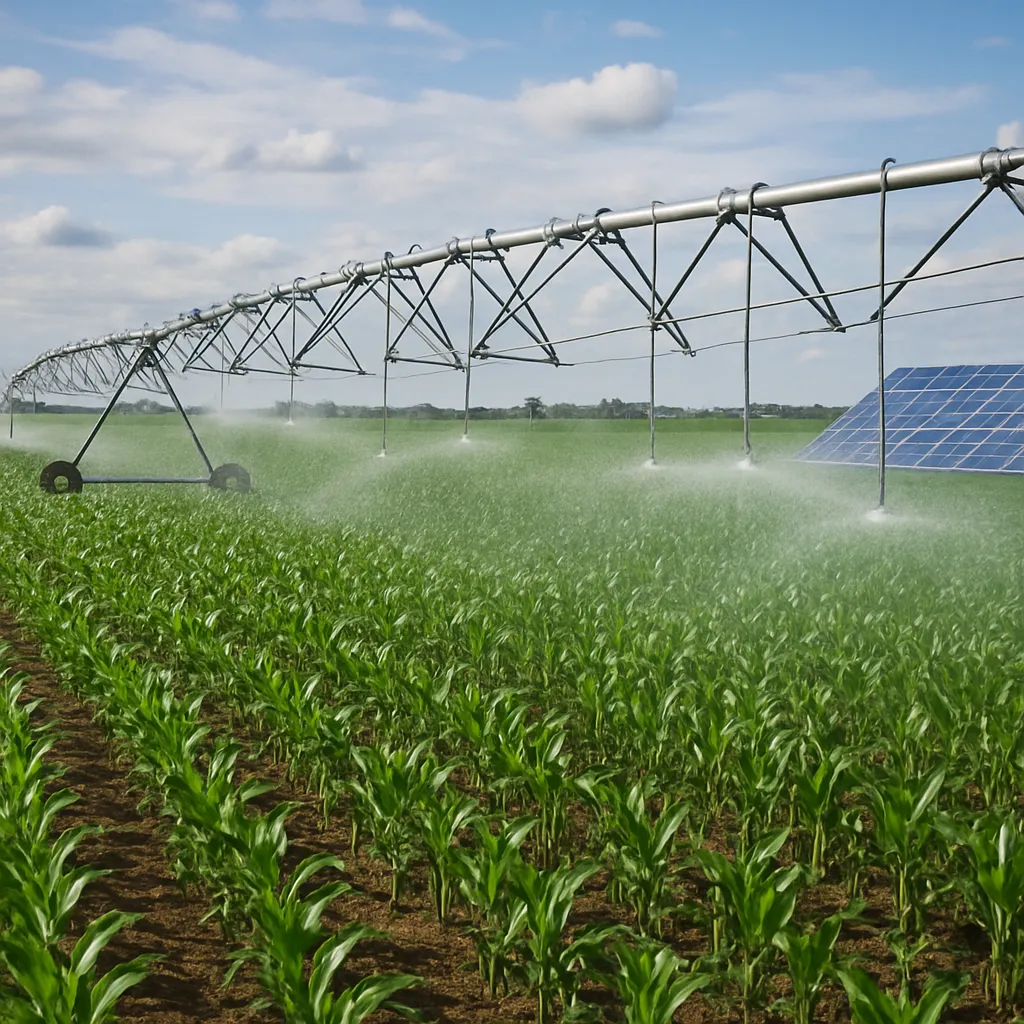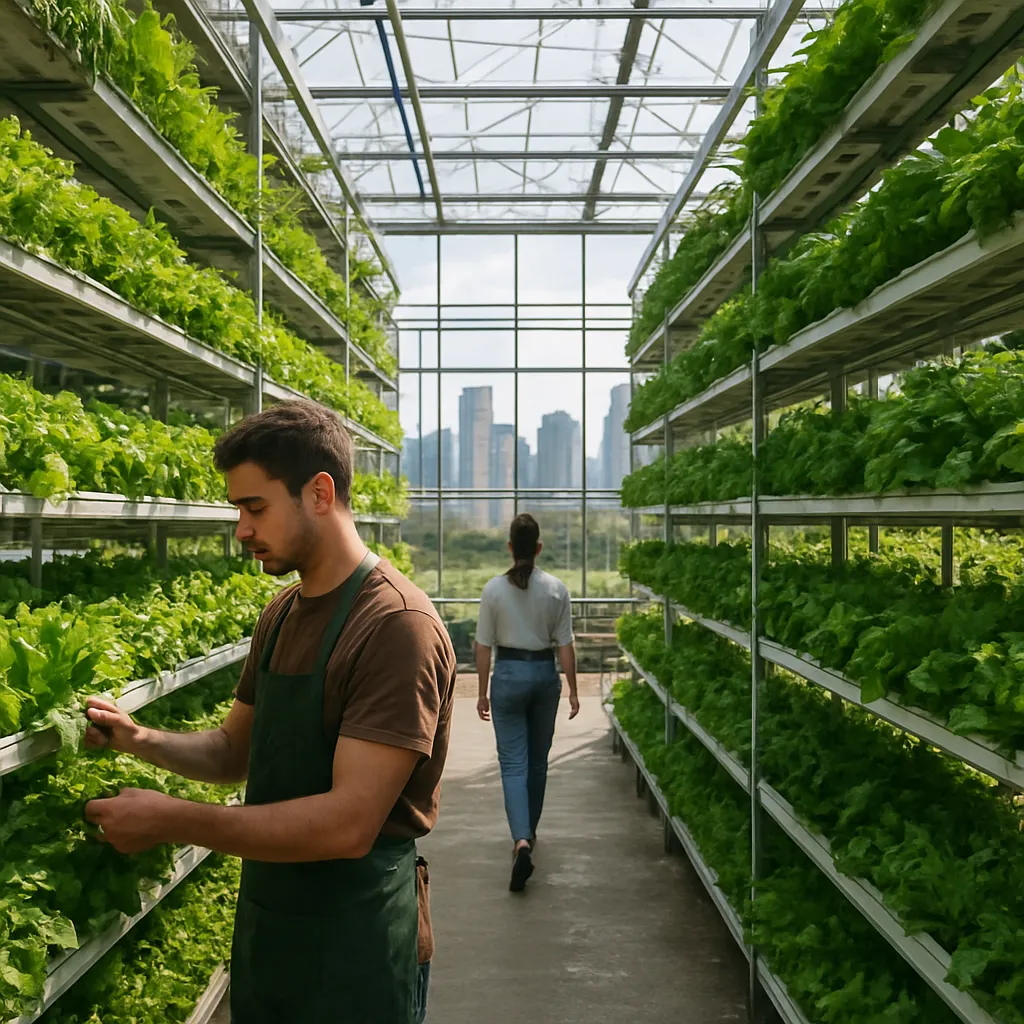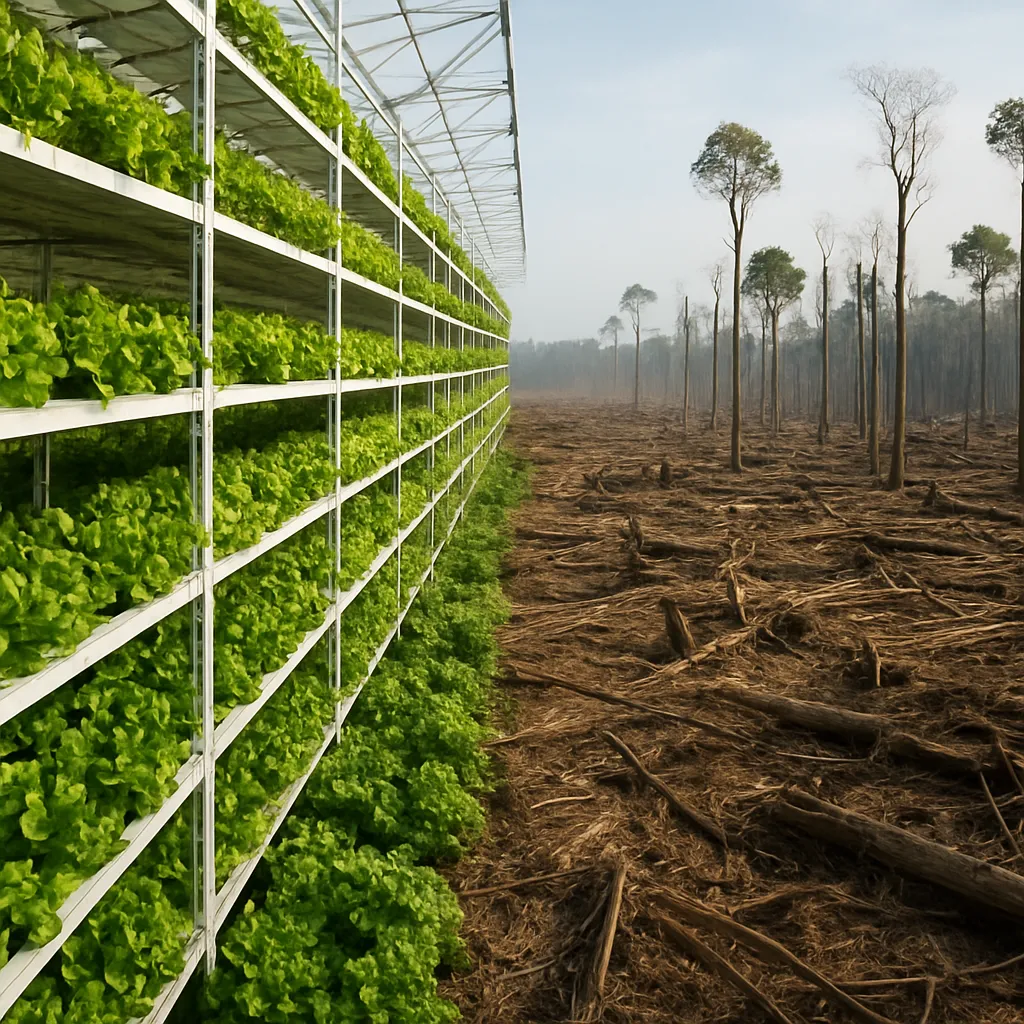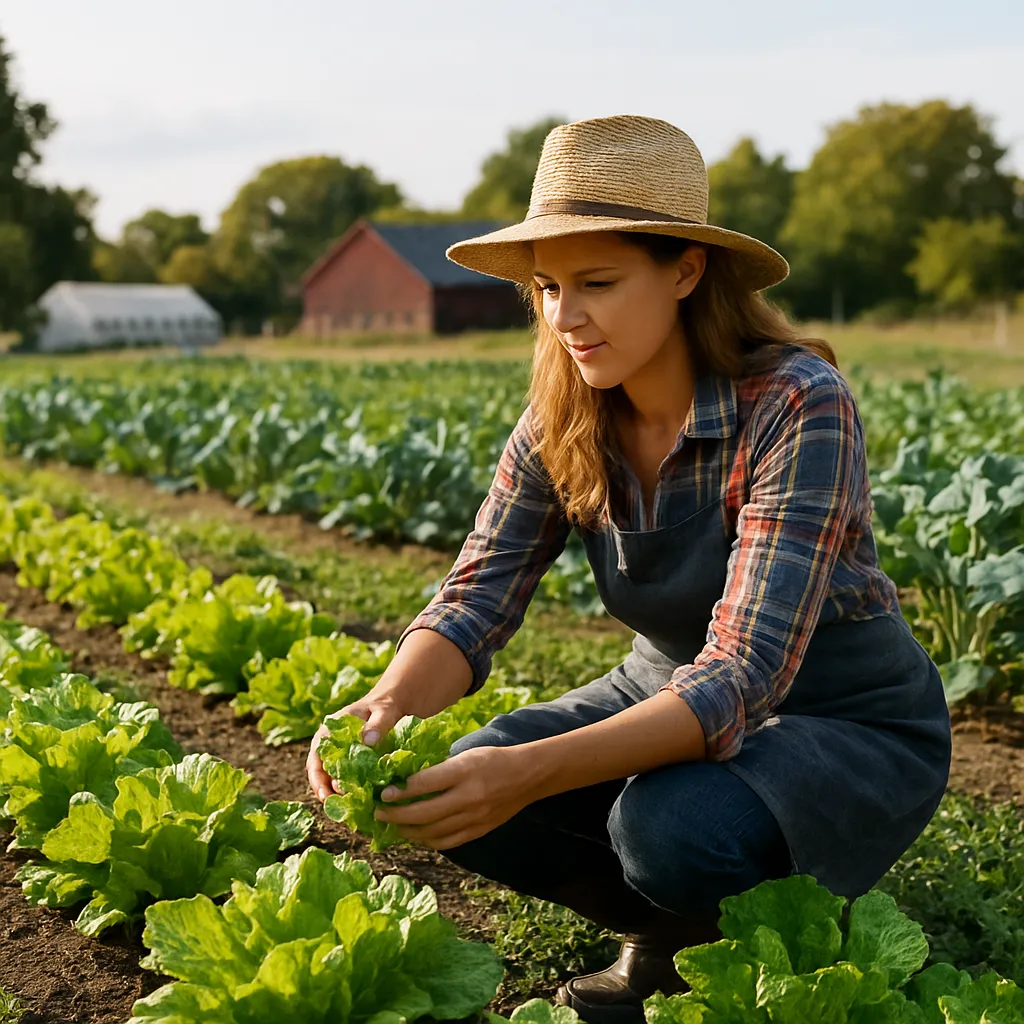
International support plays a pivotal role in shaping the future of agriculture across the globe. By channeling resources, expertise, and funding into developing regions, aid agencies and partner nations collaborate to promote sustainable farming practices that not only boost yields but also protect ecosystems. This assistance emphasizes local capacity building, technology transfer, and policy reforms aimed at fostering long-term food security. As the world grapples with climate change, population growth, and economic inequalities, targeted interventions help rural communities enhance their resilience, diversify income sources, and reduce environmental footprints. The following sections examine how international aid operates as a catalyst for agricultural transformation, the strategic approaches it employs, illustrative success stories, and the challenges that must be addressed for a more inclusive and robust rural economy.
International Aid as a Catalyst for Sustainable Farming
International aid organizations, multilateral development banks, and bilateral donors have shifted focus from short-term relief toward comprehensive agricultural development. Rather than merely distributing inputs like seed and fertilizer, modern assistance prioritizes ecosystem health and socio-economic stability. Through integrated programs, farmers gain access to financial services, training, and research that promote innovation in crop management and soil conservation. These programs often feature:
- Targeted grants for rural enterprises aiming to adopt productivity-enhancing technologies
- Collaborative research with local universities to breed climate-resilient crop varieties
- Market linkage facilitation so producers can negotiate fairer prices
By focusing on these dimensions, aid agencies nurture a fertile environment for biodiversity preservation, helping smallholders transition from extractive practices to regenerative approaches. The infusion of knowledge and capital also empowers farmers to withstand extreme weather events, price shocks, and pest outbreaks.
Strategic Approaches to Agriculture Support
Capacity Building and Training
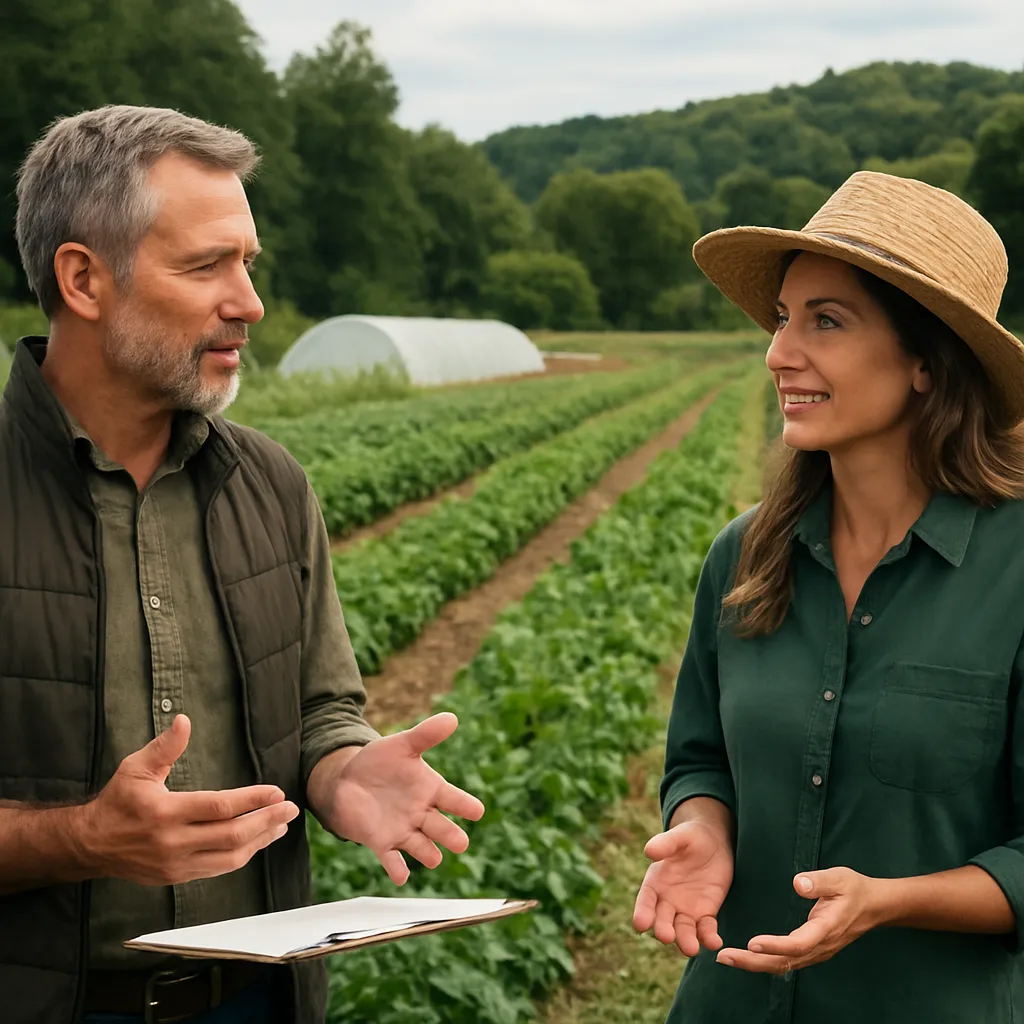
Effective programs begin with equipping local stakeholders—farmers, extension agents, and cooperatives—with the skills needed to implement advanced techniques. Workshops and field demonstrations cover topics like integrated pest management, water-efficient irrigation, and agroforestry. Support often extends beyond technical know-how:
- Leadership courses for community organizers and women’s groups
- Financial literacy sessions to improve budgeting and loan management
- Interactive e-learning modules that reach remote villages via mobile devices
Access to Credit and Insurance
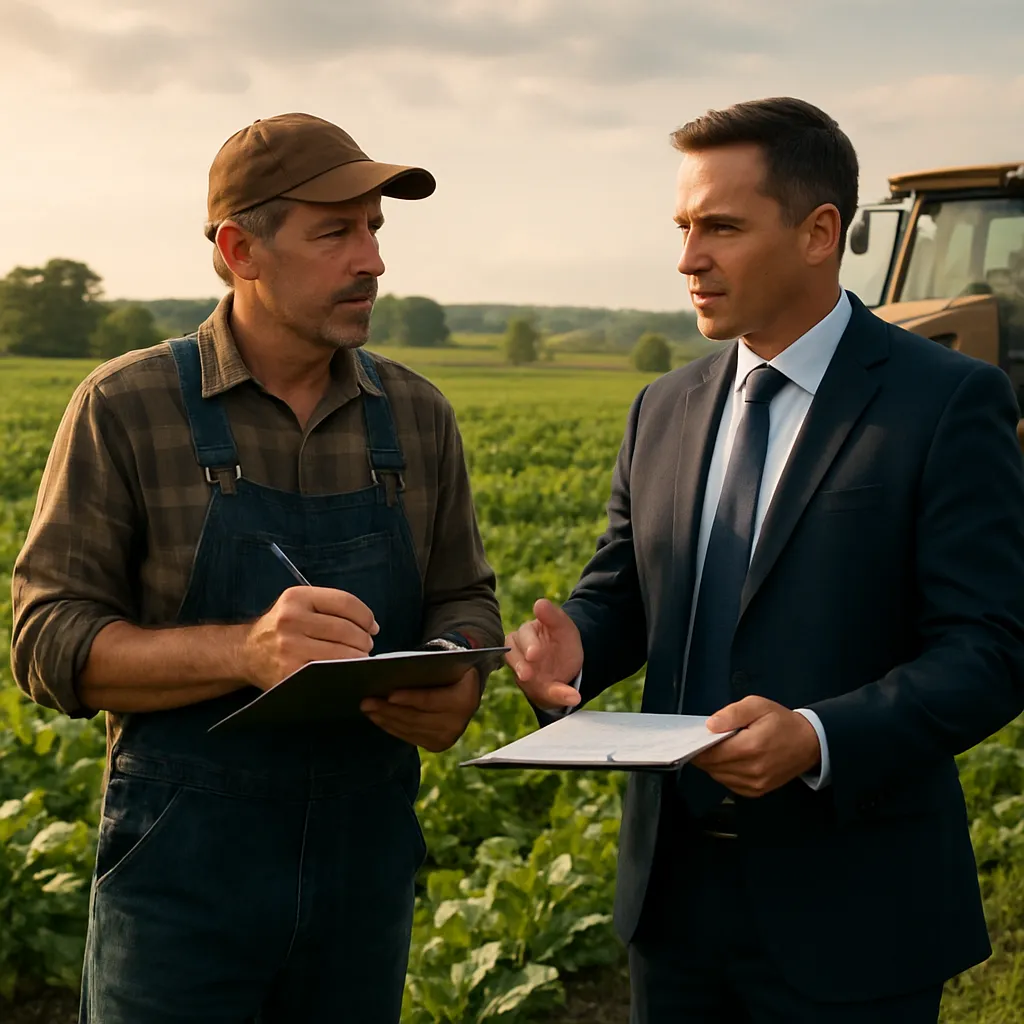
One of the greatest barriers to modernization is limited access to financial services. International aid entities collaborate with microfinance institutions and rural banks to design loan products tailored to smallholder cycles. By subsidizing interest rates or offering partial guarantees, donors reduce credit risks and encourage investment in new seeds, equipment, or storage facilities. Alongside credit, weather-indexed insurance schemes help mitigate income losses due to droughts or floods. These schemes rely on verifiable weather data to trigger automatic payouts, providing a safety net without cumbersome claims processes.
Value Chain Development
Moving beyond production, comprehensive aid programs enhance farmers’ positions within value chains. Activities include:
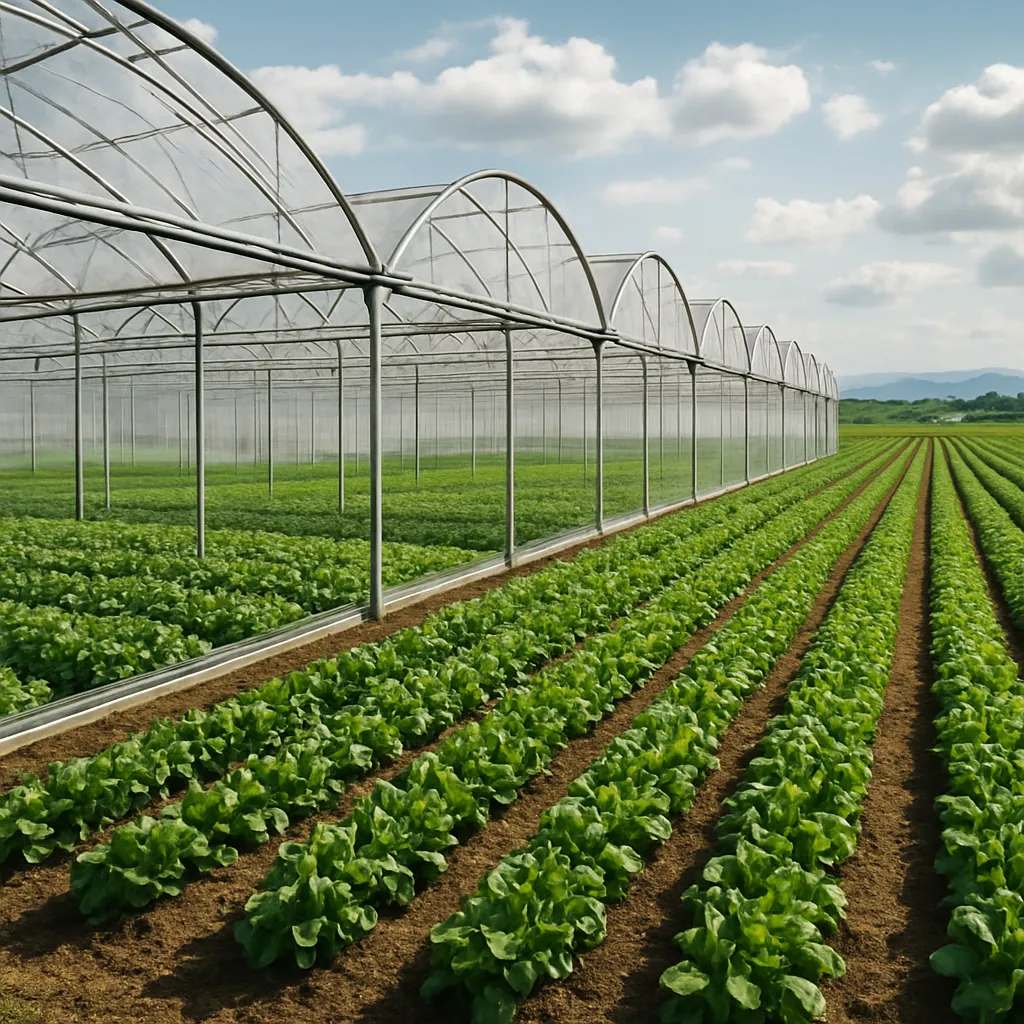
- Postharvest infrastructure grants for cold storage and processing units
- Quality control training to meet international export standards
- Facilitating partnership agreements between producer groups and commercial buyers
This approach fosters equitable trade relationships, ensures price transparency, and opens doors to lucrative markets.
Successful Models and Case Studies
Numerous initiatives illustrate the power of international collaboration in transforming rural landscapes. Below are three examples highlighting diverse contexts and outcomes.
Rice Intensification in Southeast Asia
A multilateral program introduced System of Rice Intensification (SRI) techniques in several ASEAN countries. By adjusting planting density, water management, and organic fertilization, participating farmers achieved yield increases of up to 50% while reducing water usage by 30%. Joint workshops led by Asian research institutes and global donors emphasized farmer-to-farmer exchanges, resulting in rapid adoption across thousands of hectares. Resilience against monsoon variability improved significantly, enabling harvests even after erratic rainfall.
Drought-Resistant Crops in Sub-Saharan Africa
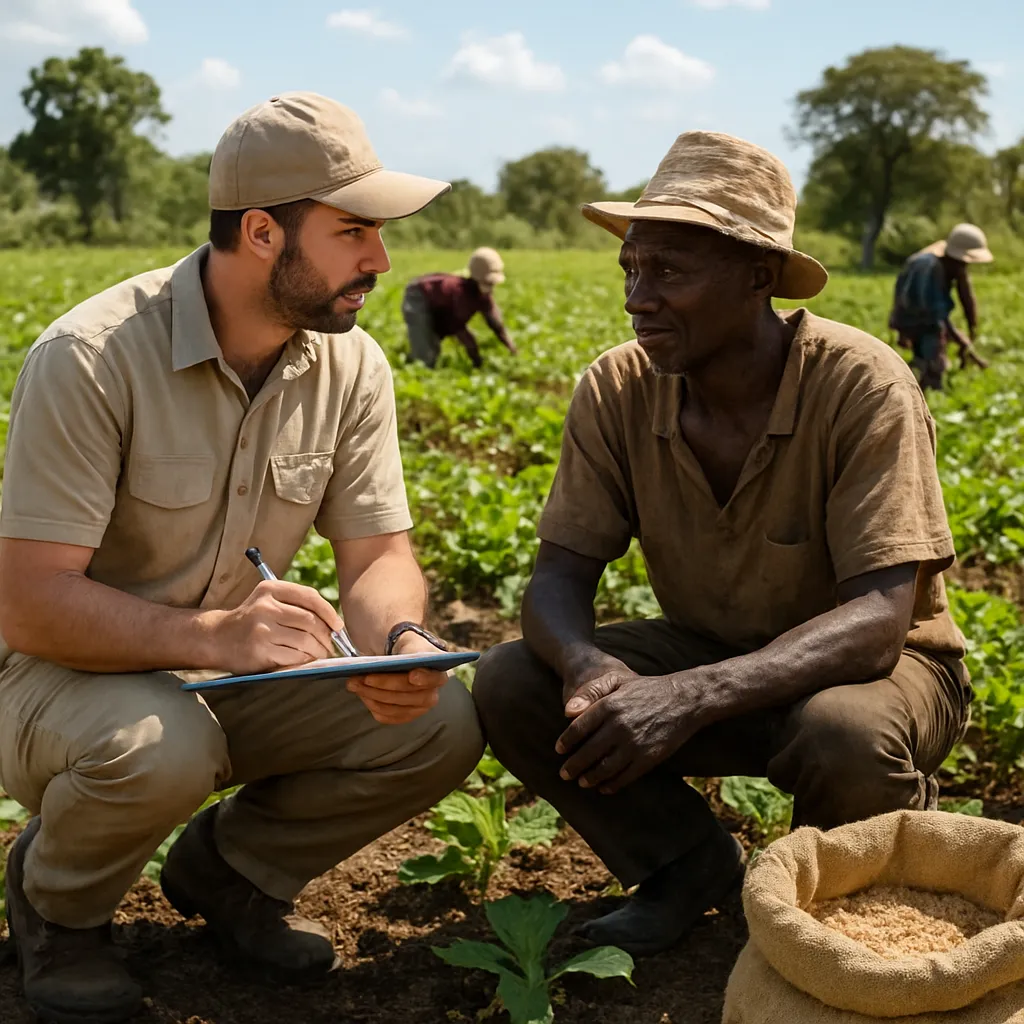
Climate adaptation grants funded by bilateral partners spurred development of sorghum and millet varieties capable of withstanding prolonged dry spells. Local agricultural universities collaborated with international seed companies to conduct participatory breeding trials. Small-scale producers reported up to 40% fewer crop failures and a doubling of off-season sales. Complementary training in conservation agriculture reduced soil erosion and enhanced carbon sequestration, aligning with broader environmental goals.
Integrated Livestock and Crop Systems in Latin America
A regional initiative combined veterinary services with pasture management training to promote mixed farming. Participating cooperatives adopted rotational grazing and legume intercropping, leading to a 20% rise in milk and meat output while restoring degraded pastures. Donor funding supported mobile veterinary clinics and community-operated feed mills, reinforcing rural livelihoods and improving nutrition for farming families.
Overcoming Barriers and Future Directions
Despite progress, several obstacles hinder the full potential of aid-driven agricultural transformation. Addressing these challenges requires coordinated policy adjustments, increased funding, and innovation in program design.
- Equity in Resource Distribution: Ensuring that marginalized groups, especially women and indigenous communities, receive fair access to inputs and training.
- Institutional Fragmentation: Harmonizing efforts across ministries of agriculture, environment, and finance to streamline aid delivery and monitoring.
- Long-Term Financing: Transitioning from short grant cycles to sustained funding models that support multi-year infrastructure projects.
- Data Gaps: Investing in rural data collection and digital platforms to track progress, tailor interventions, and scale successful pilots.
Looking ahead, emerging trends such as precision agriculture, satellite-based monitoring, and agroecological design hold promise. By integrating these innovations with participatory development models, aid agencies can strengthen local empowerment and self-reliance. Collaborative frameworks that unite governments, NGOs, private sector actors, and farmer organizations will be essential to harness synergies and drive systemic change. Ultimately, building farming systems that thrive in the face of climate uncertainty and market volatility depends on deep, sustained investment in rural communities’ adaptive adaptation strategies and creative solutions.