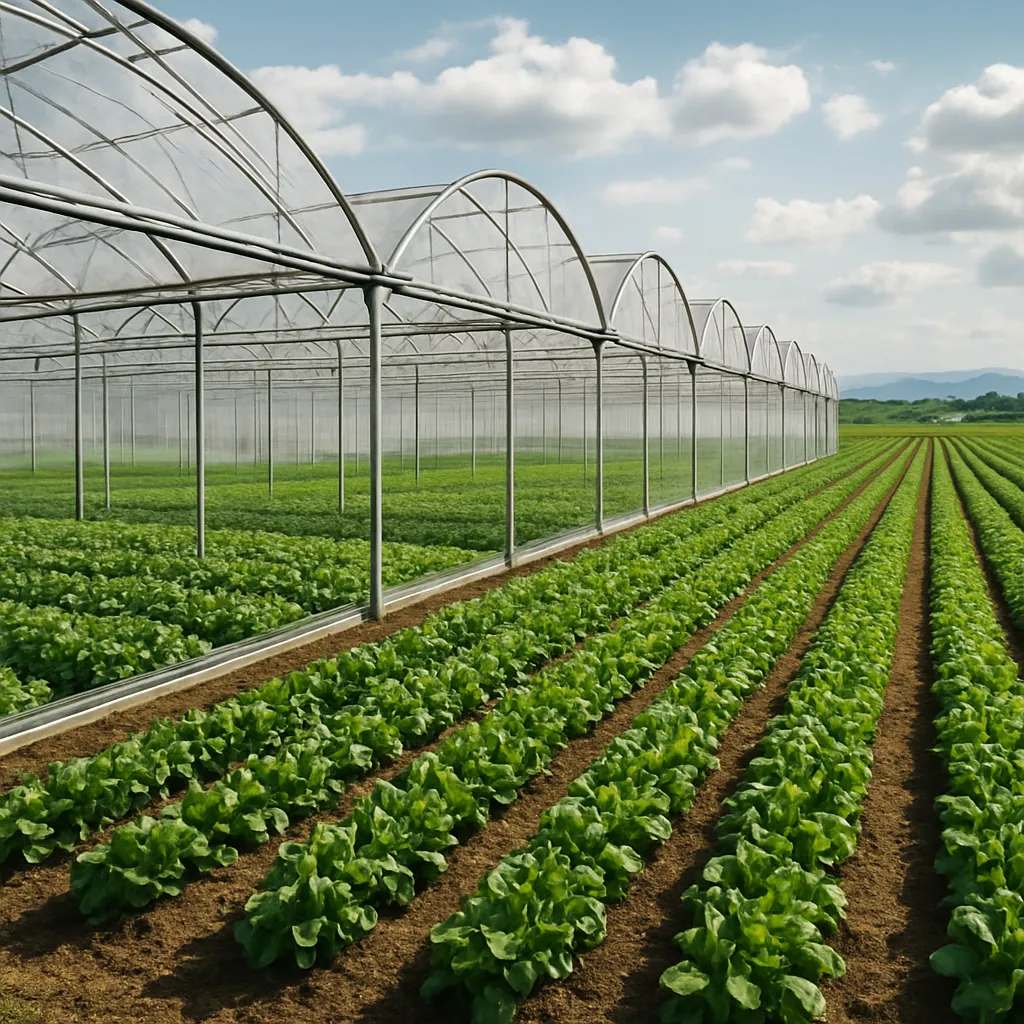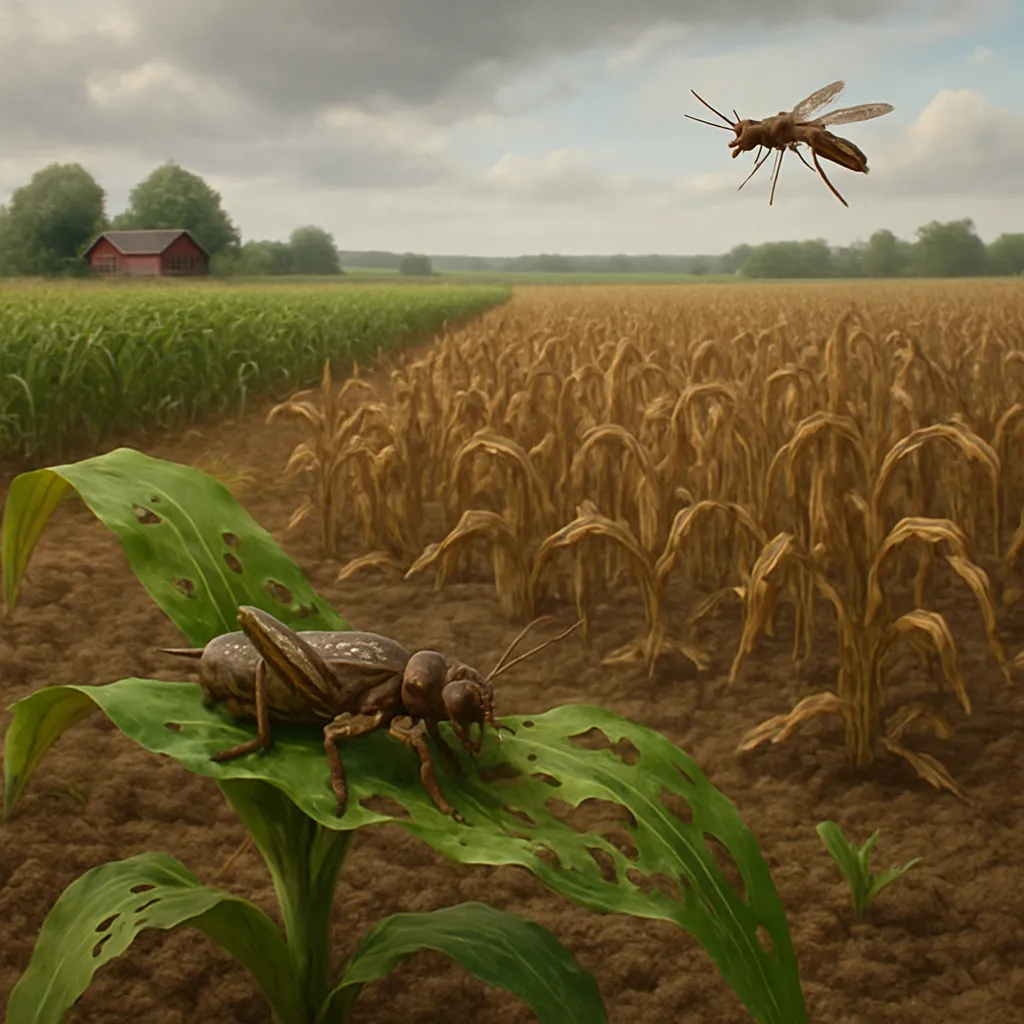
The Global Impact of Invasive Species on Farming and Agriculture examines how non-native organisms disrupt modern agroecosystems across continents. As global trade and travel accelerate, new threats from unwanted plants, animals, and microbes emerge with alarming frequency. Farmers and policymakers alike must grapple with the dual challenges of safeguarding crop productivity and preserving native habitats. This article delves into the ecological, economic, and strategic dimensions of biological invasions, highlighting critical lessons for strengthening agricultural resilience and ensuring food security.
Ecological Disruption and Biodiversity Loss
When an introduced organism establishes a foothold in a new territory, the delicate balance of local life can be shattered. Invasive weeds, insects, mollusks, nematodes, and pathogens often outcompete native species for resources, leading to cascading effects on soil health and pollination services. For example, the invasion of the emerald ash borer in North America has decimated millions of ash trees, reducing overall forest biodiversity and altering water cycles. Similarly, invasive aquatic plants such as water hyacinth clog waterways, degrade water quality, and obstruct irrigation channels vital for rice paddies and vegetable farms.
Complex interactions between invaders and local flora or fauna can generate novel threats. A non-native insect may carry a viral pathogen that native crops have no resistance against, causing widespread yield loss. Grassland ecosystems transformed by aggressive grasses can host fewer beneficial insects like bees and ladybugs, weakening natural pest control. As native species vanish, entire food webs unravel, amplifying the risk of additional invasions. Such feedback loops erode the capacity of agroecosystems to recover from environmental shocks.
Economic Consequences for Farmers
Financial losses from invasive species run into the billions annually. Farmers face direct expenses for chemical herbicides, insecticides, and fungicides used to suppress alien invaders. Mechanical removal, including hand weeding and specialized machinery, adds to labor costs. In many cases, the application of control measures can compromise crop quality or safety, reducing marketable yield and consumer confidence. Developing countries bear a disproportionate burden, as limited access to advanced technologies hinders rapid response efforts.
- Crop Damage: Invasive insects like the fall armyworm can defoliate maize fields overnight, requiring emergency replanting or crop insurance payouts.
- Livestock Risks: Parasites such as liver flukes transmitted by invasive snails threaten grazing animals, increasing veterinary bills and mortality rates.
- Trade Barriers: Exporting nations may face quarantine requirements and shipments rejected at borders if carriers of regulated pests are detected, harming national economy and farmers’ livelihoods.
- Restoration Costs: After eradication, fields and adjacent habitats often need soil amendments, reseeding with native grasses, and reestablishment of beneficial microflora.
Farmers must also contend with long-term land degradation. Invasive plants can alter soil chemistry, making it inhospitable for traditional crops. Soil-borne nematodes and root-knot pathogens reduce nutrient uptake and obstruct water movement, forcing growers to invest in expensive soil treatments or switch to lower-value crops.
Strategies for Prevention and Control
Successful mitigation relies on an integrated approach combining early detection, rapid response, and ongoing monitoring. Prevention remains the most cost-effective tactic—strengthening border inspections, enforcing quarantine regulations, and educating stakeholders about risk pathways. Technological advances such as DNA barcoding and drone surveillance help identify invasive species at an early stage, before they become entrenched.
Integrated Pest Management (IPM)
IPM systems emphasize a hierarchy of control measures. Cultural practices such as crop rotation, cover cropping, and intercropping can reduce pest habitat. Physical barriers—mulches, netting, and trap crops—deter or capture invaders without relying solely on chemicals. When pesticide use is necessary, targeted application minimizes environmental impact and slows the development of resistance.
Biological Control Agents
Introducing natural enemies that specifically attack invasive species offers a sustainable long-term solution. Parasitoid wasps, predatory beetles, and pathogenic fungi have controlled notorious pests in numerous regions. However, thorough risk assessments are vital to ensure that control agents do not themselves become invasive or harm non-target species.
Collaborative Frameworks
Farmers, researchers, government agencies, and international organizations must coordinate efforts. Data-sharing platforms allow rapid exchange of sightings and treatment outcomes, while funding partnerships support large-scale eradication campaigns. Citizen science initiatives also empower local communities to report new incursions, providing crucial ground-truth information.
Future Outlook and Policy Recommendations
In a rapidly changing climate, invasive species are expected to expand their ranges and adapt to new conditions. Policymakers must prioritize adaptive management strategies and invest in research on emerging threats. Key recommendations include:
- Enhancing surveillance networks through next-generation genomic tools and remote sensing.
- Allocating funds for contingency plans that enable rapid mobilization of resources during outbreak events.
- Promoting sustainable agricultural practices that bolster ecosystem services, such as integrated crop–livestock systems and agroforestry.
- Strengthening international agreements focused on biosecurity standards and invasive species reporting.
- Providing training programs for extension agents and farmers on recognizing early warning signs and implementing best management practices.
By embedding management of biological invasions into broader agricultural policies, governments can safeguard farm productivity, protect native ecosystems, and sustain rural livelihoods. A concerted global response—blending prevention, innovation, and community engagement—offers the best defense against the relentless spread of invasive species and secures the future of world farms.