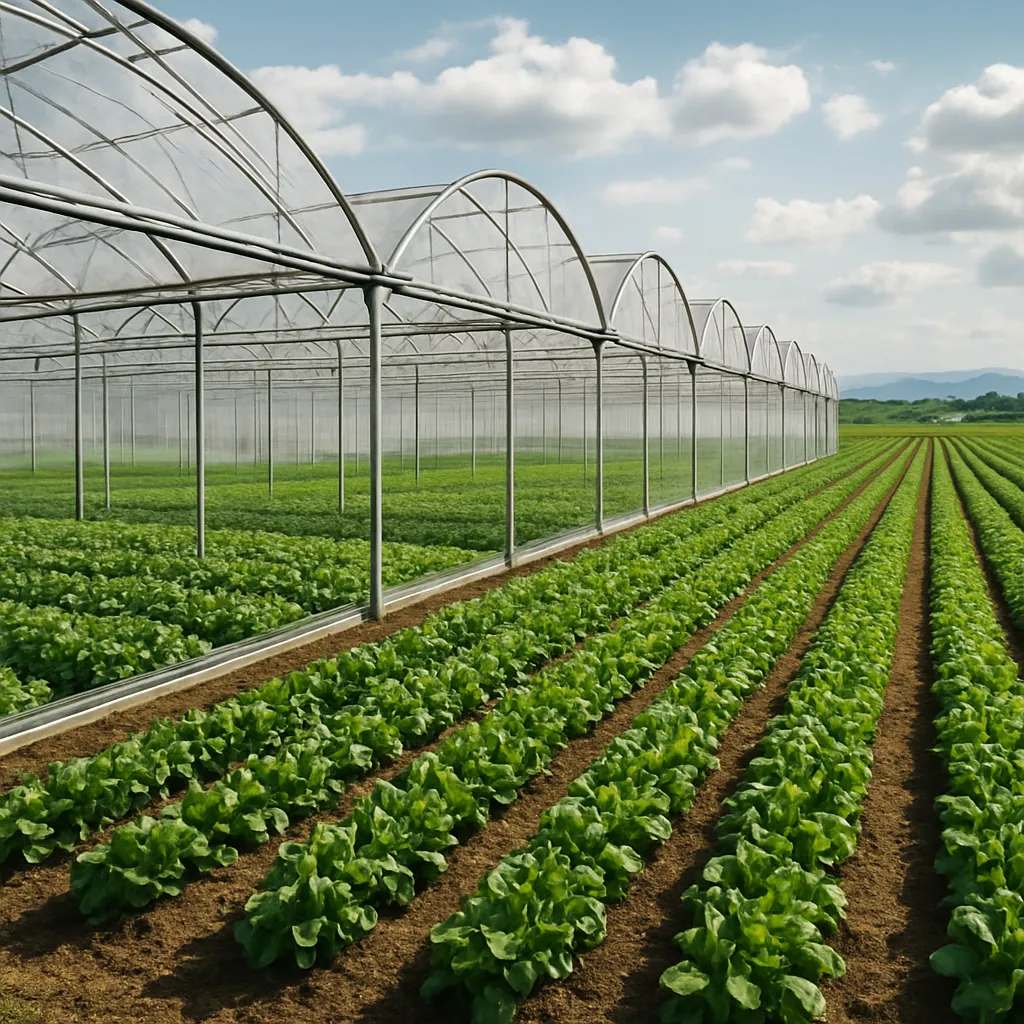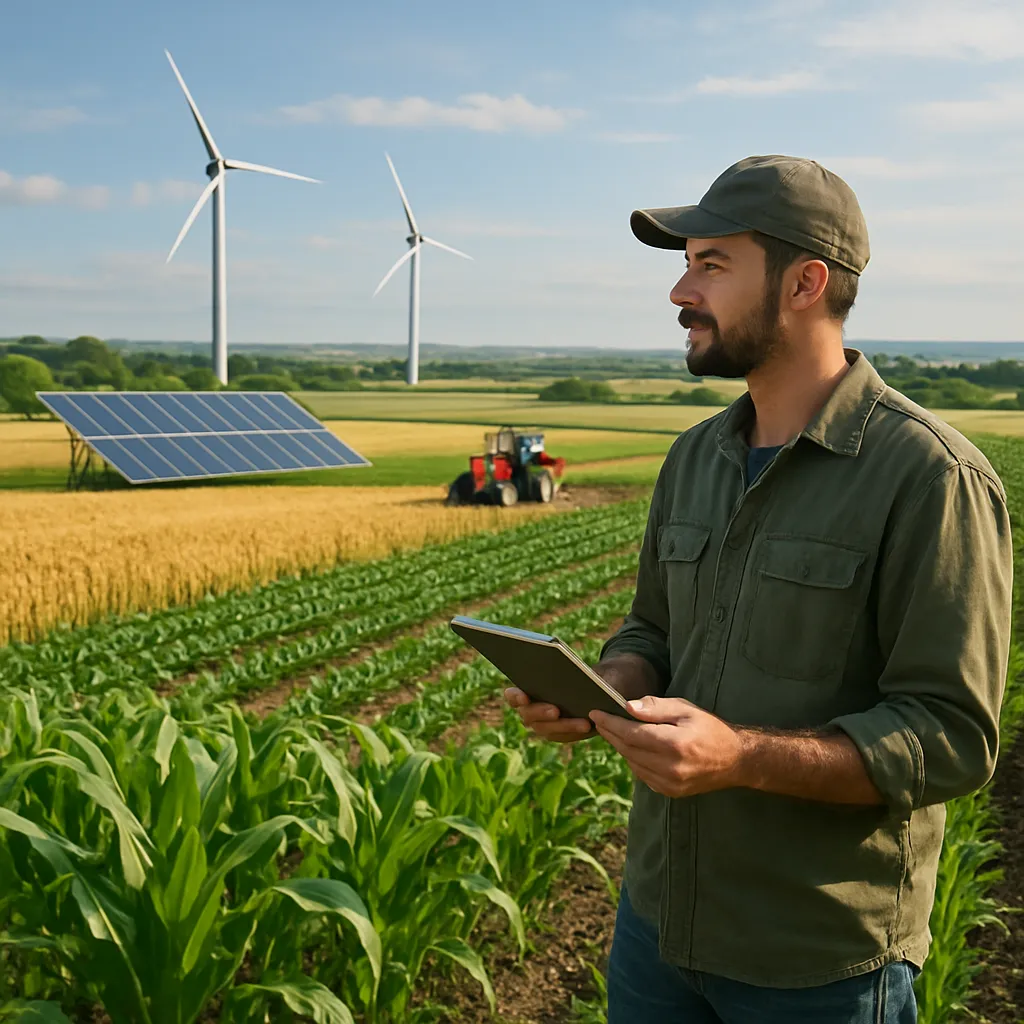
As the world’s population surges past eight billion, the quest to produce enough nutritious food while preserving fragile ecosystems grows more urgent. Sustainable farming offers a pathway to balance human needs with environmental stewardship. By examining challenges, exploring innovative practices, leveraging technology, and fostering international collaboration, agriculture has the potential to reshape our global food system and ensure equitable access to healthy harvests.
Global Challenges and the Need for Transformation
The modern food system is under mounting pressure from resource scarcity, extreme weather, and shifting diets. Traditional methods often rely on chemical inputs and monocultures, which compromise soil health and reduce biodiversity. Meanwhile, unpredictable rainfall patterns and rising temperatures driven by climate change threaten yields in many regions. Farmers must cultivate greater resilience against pests, water shortages, and market volatility to meet future demands.
Key obstacles include:
- Degradation of arable land due to erosion, salinization, and nutrient loss
- Excessive water consumption in irrigation-intensive systems
- Greenhouse gas emissions linked to synthetic fertilizers and livestock
- Socioeconomic barriers that limit smallholder access to inputs and knowledge
- Dependence on a narrow range of high-yielding crops at the expense of native varieties
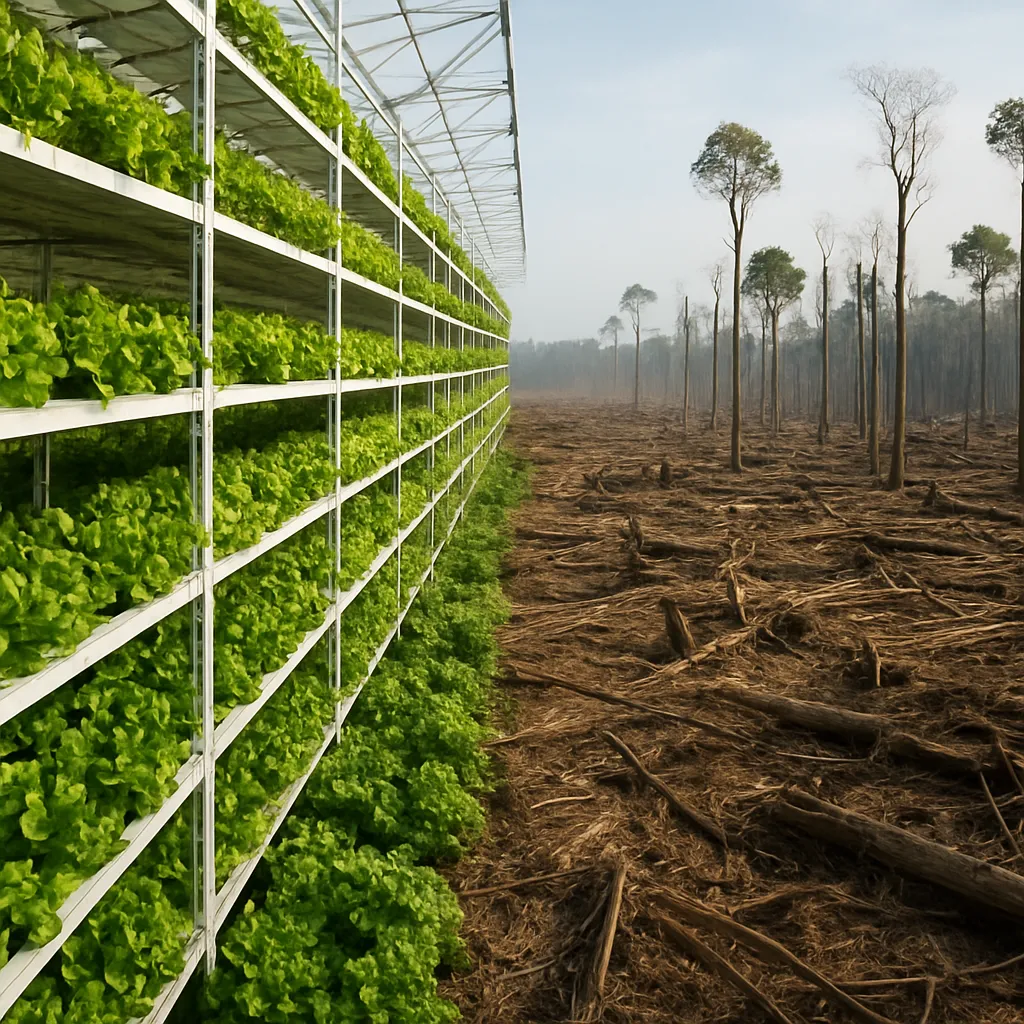
To overcome these hurdles, farming must evolve from merely maximizing yield to optimizing multiple ecosystem services. Emphasizing soil organic matter, water-use efficiency, and diversified cropping systems builds the foundation for long-term productivity. Such a holistic approach also enhances carbon sequestration and safeguards vital habitats.
Innovative Farming Practices Shaping the Future
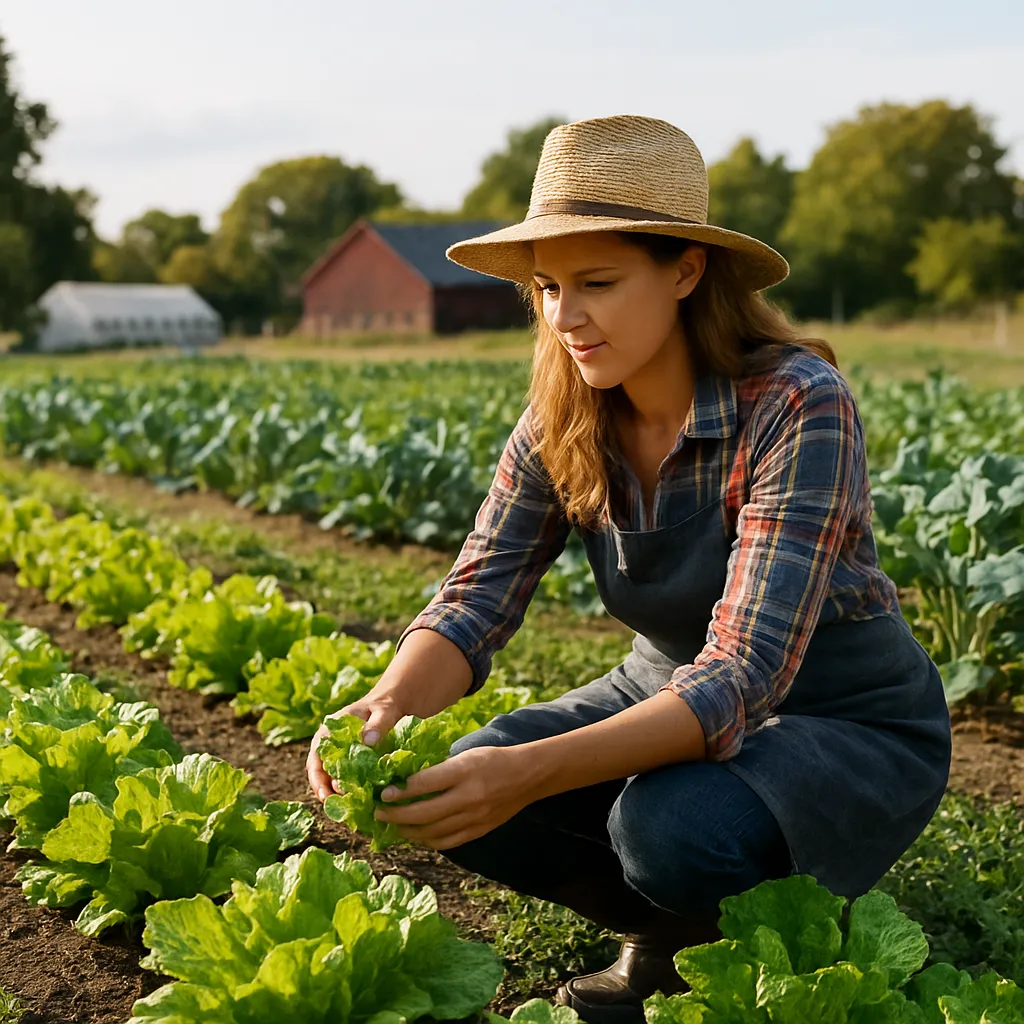
Emerging models of regenerative and agroecology-based agriculture challenge the status quo by integrating ecological principles into production. Techniques such as cover cropping, intercropping, and agroforestry rebuild soil structure, suppress weeds without herbicides, and create habitat for beneficial insects. By mimicking natural ecosystems, these practices reduce dependency on external inputs and foster biological innovation.
Important strategies include:
- Crop rotation sequences designed to break disease cycles and replenish soil nutrients
- Polycultures that blend cereals, legumes, and vegetables to share resources and limit pest outbreaks
- Managed grazing systems that support grassland rejuvenation and carbon uptake
- Composting and biofertilizer applications that close nutrient loops and lower synthetic fertilizer demand
Adopting these methods leads to higher ecosystem efficiency and often matches or exceeds conventional yields over time. More farmers are reporting stable production in the face of droughts or floods, underscoring the value of diversified landscapes. In regions historically vulnerable to food insecurity, community-led seed banks and participatory trials empower local producers to select resilient crop varieties.
Technology and Data in Smart Agriculture
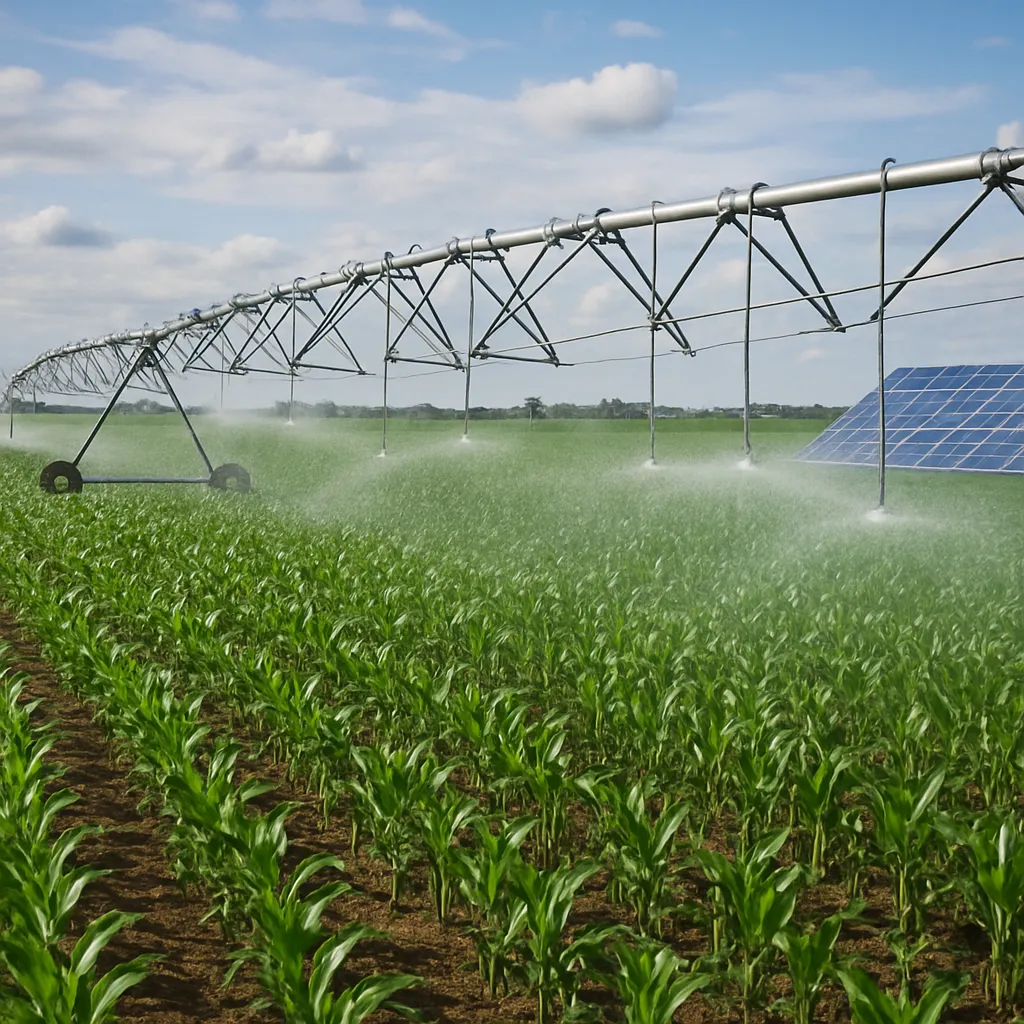
Digital tools are transforming decision-making on farms of all scales. Precision agriculture leverages satellites, drones, and sensors to monitor soil moisture, nutrient levels, and plant health in real time. Farmers can then apply water or fertilizers only where needed, reducing waste and environmental runoff. These advancements foster a shift from reactive to proactive management, optimizing inputs and minimizing damage.
Notable innovations include:
- Variable-rate application systems that adjust seeding or input delivery according to field heterogeneity
- Machine learning algorithms that predict pest pressures or disease outbreaks before visible symptoms arise
- Automated robots capable of weeding, harvesting, and pruning with precision accuracy
- Blockchain platforms ensuring traceability from farm to fork, building consumer trust in sustainably grown produce
Big data analytics also help policymakers and agribusinesses identify vulnerable hotspots and allocate resources strategically. By combining local knowledge with sophisticated models, regions can develop tailored plans to enhance sustainable production while safeguarding livelihoods. Connectivity challenges persist in remote areas, but growing investments in rural broadband promise to narrow the digital divide.
Policy, Collaboration, and Social Impact
Transforming agriculture at scale demands supportive policies that incentivize stewardship and penalize harmful practices. Governments, NGOs, and private enterprises must unite to finance research, provide training, and create markets for sustainably produced commodities. Public procurement policies, carbon credit schemes, and payments for ecosystem services can tip the economic balance in favor of responsible farming.
Global collaboration plays a central role in knowledge exchange. International networks facilitate farmer field schools, virtual workshops, and open-access data repositories. These platforms accelerate the diffusion of best practices, enabling communities from different climates to adapt innovations to their own contexts. Collaborative initiatives can also harmonize standards, ensuring smallholders can compete in international markets without sacrificing environmental goals.
Moreover, empowering women and youth in agriculture unlocks untapped potential. Inclusive extension services and equitable land tenure systems bolster rural economies and drive social resilience. When marginalized groups gain access to finance, training, and technology, they contribute novel ideas and solutions that benefit entire food systems.
By intertwining ecological principles, cutting-edge technology, and cross-sector partnerships, the agricultural sector is poised to meet the twin challenges of feeding a growing population and healing the planet. The road ahead requires unwavering commitment to innovation, equity, and the health of our shared environment.