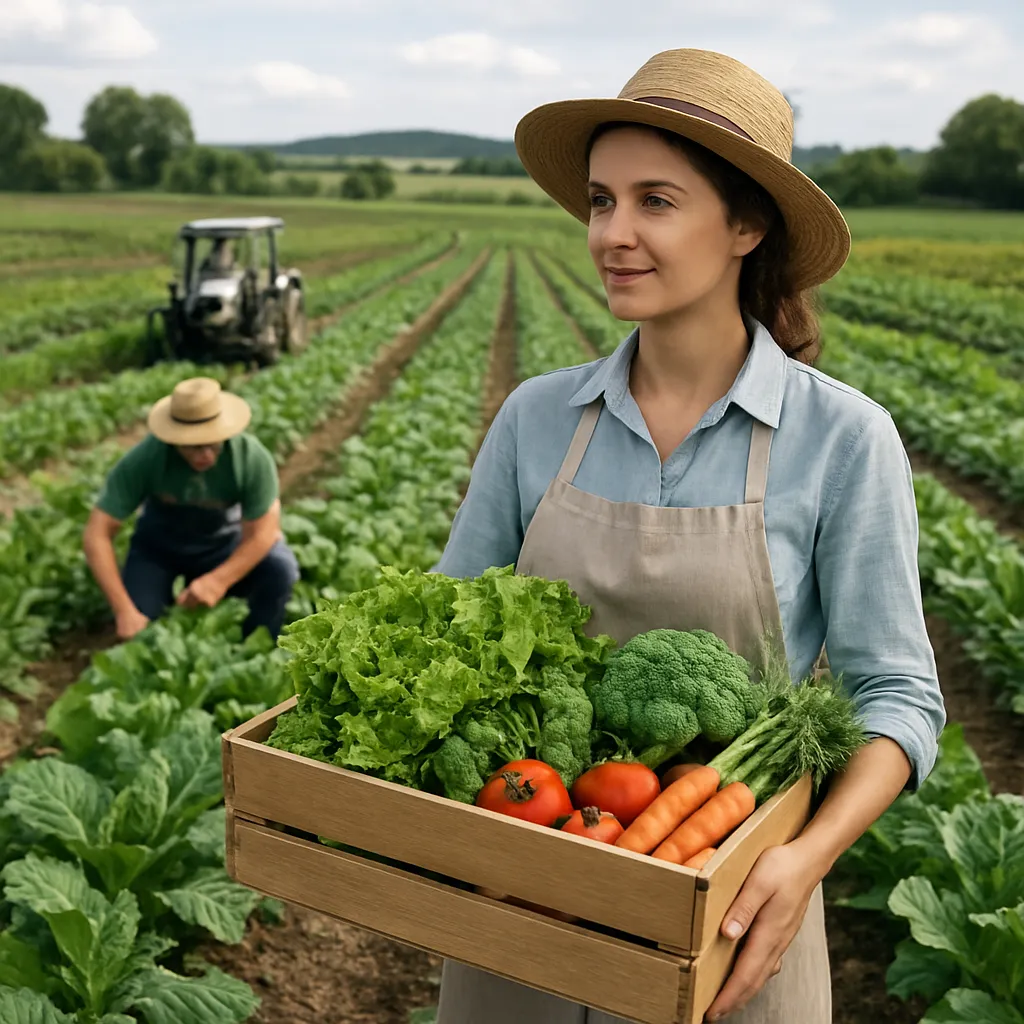
The agricultural landscape is undergoing a radical transformation as producers around the world embrace new paradigms of food production. With mounting pressure from environmental changes, shifting consumer preferences, and technological breakthroughs, farms everywhere are redefining what it means to cultivate the land. This exploration delves into key forces shaping tomorrow’s farming practices, highlighting trends, pioneering methods, and inspiring examples of how diverse communities are working together to feed a growing population responsibly.
Global Shifts in Organic Agriculture
Consumers and producers alike are recognizing the value of organic practices, driving unprecedented growth in certified farmland. From family-run plots in Europe to expansive estates in South America, this movement is fueled by a desire for transparency, healthful food, and environmental stewardship.
Market Growth and Demand
Over the past decade, sales of certified organic products have surged, often outpacing conventional agricultural growth. Key drivers include:
- Heightened awareness of pesticide residues and their effects on human health.
- Concerns over synthetic fertilizer runoff damaging waterways and marine life.
- Desire for foods produced with minimal processing and chemical inputs.
- Premium pricing that rewards farmers for sustainable stewardship.
Retailers and restaurateurs are responding by expanding their organic offerings, creating a positive feedback loop that spurs more growers to transition.
Regional Adoption Patterns
While North America and Western Europe remain leaders in per-capita organic consumption, emerging markets in Asia and Africa are experiencing rapid uptake. Smallholder farmers in East Africa, for instance, leverage traditional crop rotations and intercropping—practices that align with organic standards—to access new export opportunities. Similarly, governments in Southeast Asia are offering subsidies and technical support to help rice and vegetable growers meet certification requirements.
Technological Innovations Enhancing Sustainability
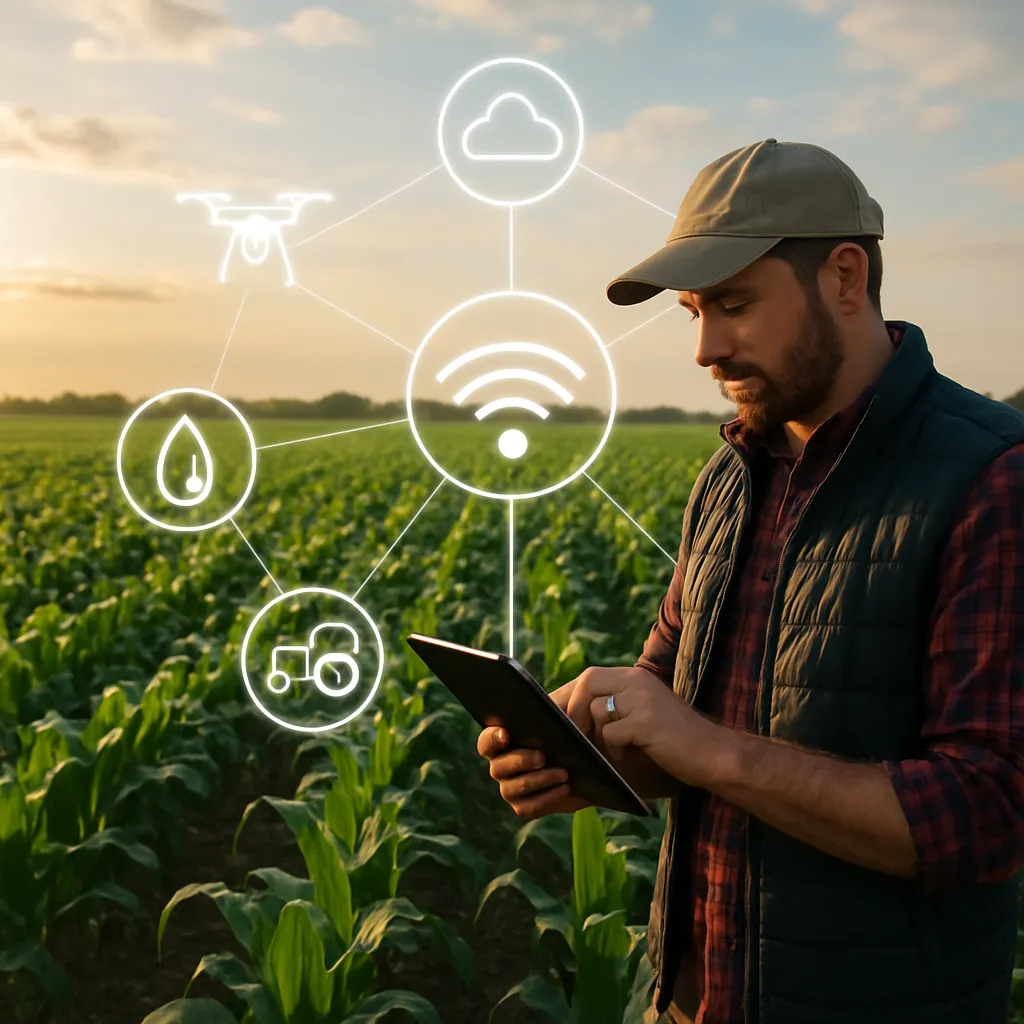
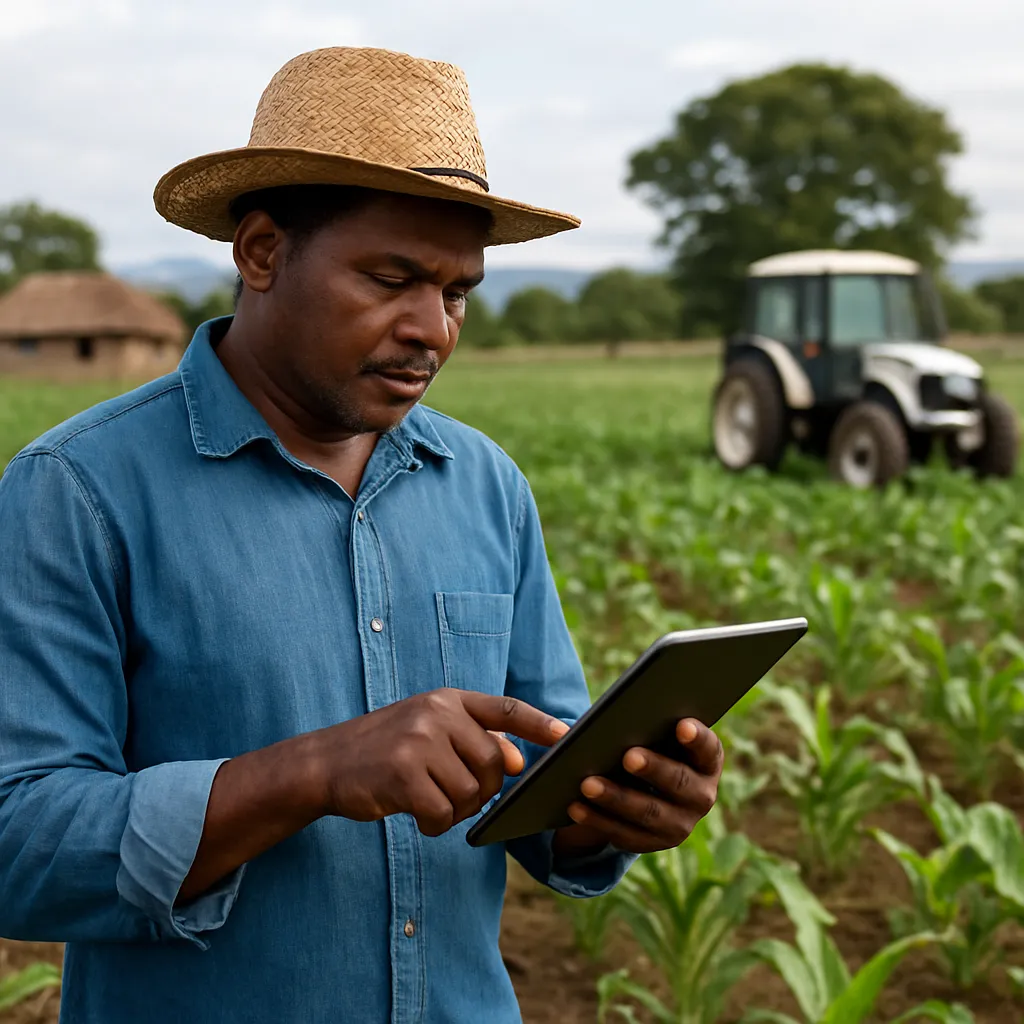
The synergy between cutting-edge tools and age-old wisdom is giving rise to more efficient and resilient farms. Precision monitoring, data-driven decisions, and automated systems are no longer confined to large industrial operations—they’re increasingly accessible to midsize and small-scale holdings.
- Digitalization and remote sensing: Satellites, drones, and sensors now deliver real-time insights on soil moisture, crop health, and pest outbreaks, enabling targeted interventions that conserve water and reduce chemical usage.
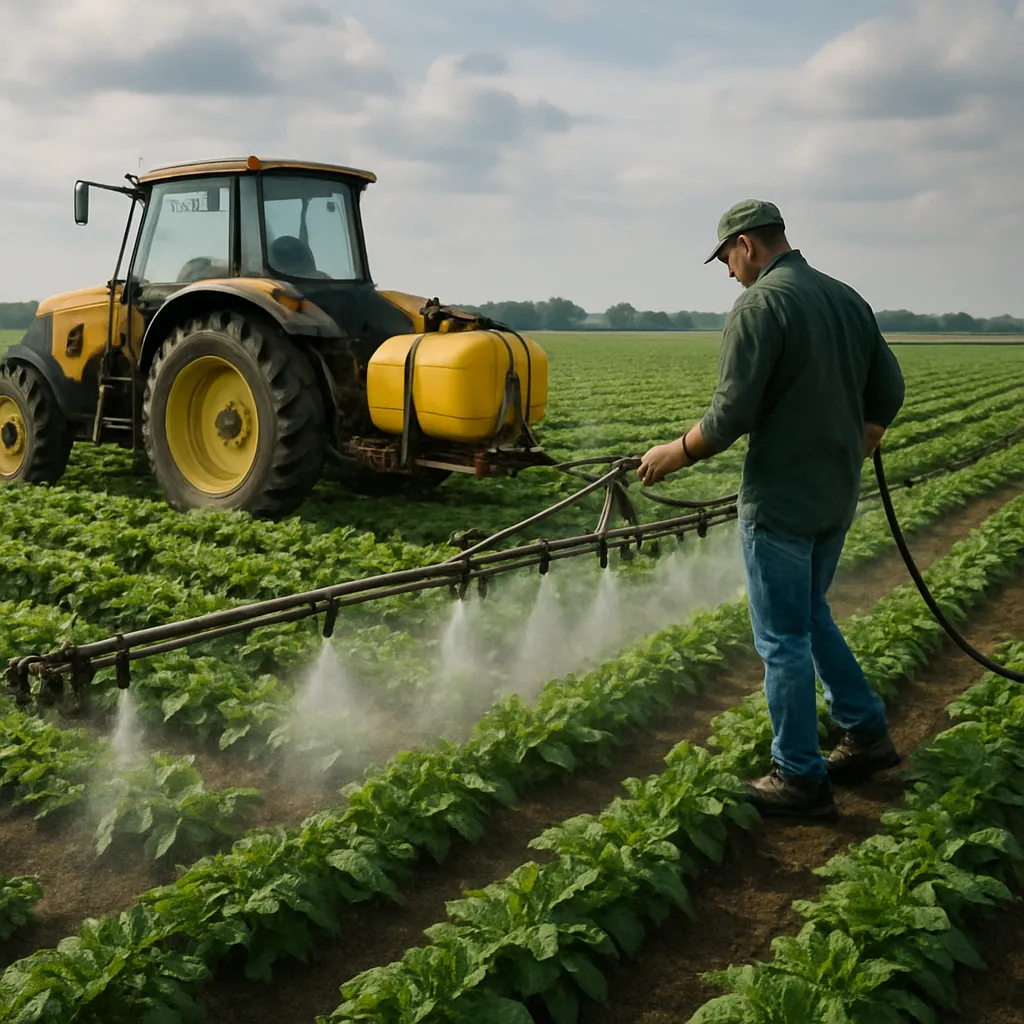
- Robotic automation: Weeding robots, autonomous tractors, and drone sprayers help labor-scarce farms maintain weed control and nutrient management with minimal human input.
- Artificial intelligence and machine learning: Advanced algorithms forecast yield, detect anomalies in plant growth, and optimize harvest timing, boosting overall productivity.
- Blockchain traceability: Distributed ledgers ensure every step of the supply chain—from seed selection to retail shelf—is recorded, promoting trust and accountability for consumers demanding fully transparent food systems.
- Vertical and urban farming: Controlled-environment agriculture reduces land use and transportation emissions, producing leafy greens, herbs, and microgreens close to metropolitan markets.
Soil and Ecosystem Health: Foundations of the Future
Healthy soil is at the heart of sustainable agriculture. By nurturing living systems underground, farmers build resilience and productivity above ground. Regenerative practices that focus on soil health and biodiversity are gaining traction as essential components of long-term success.
Regenerative Techniques
Key practices include:
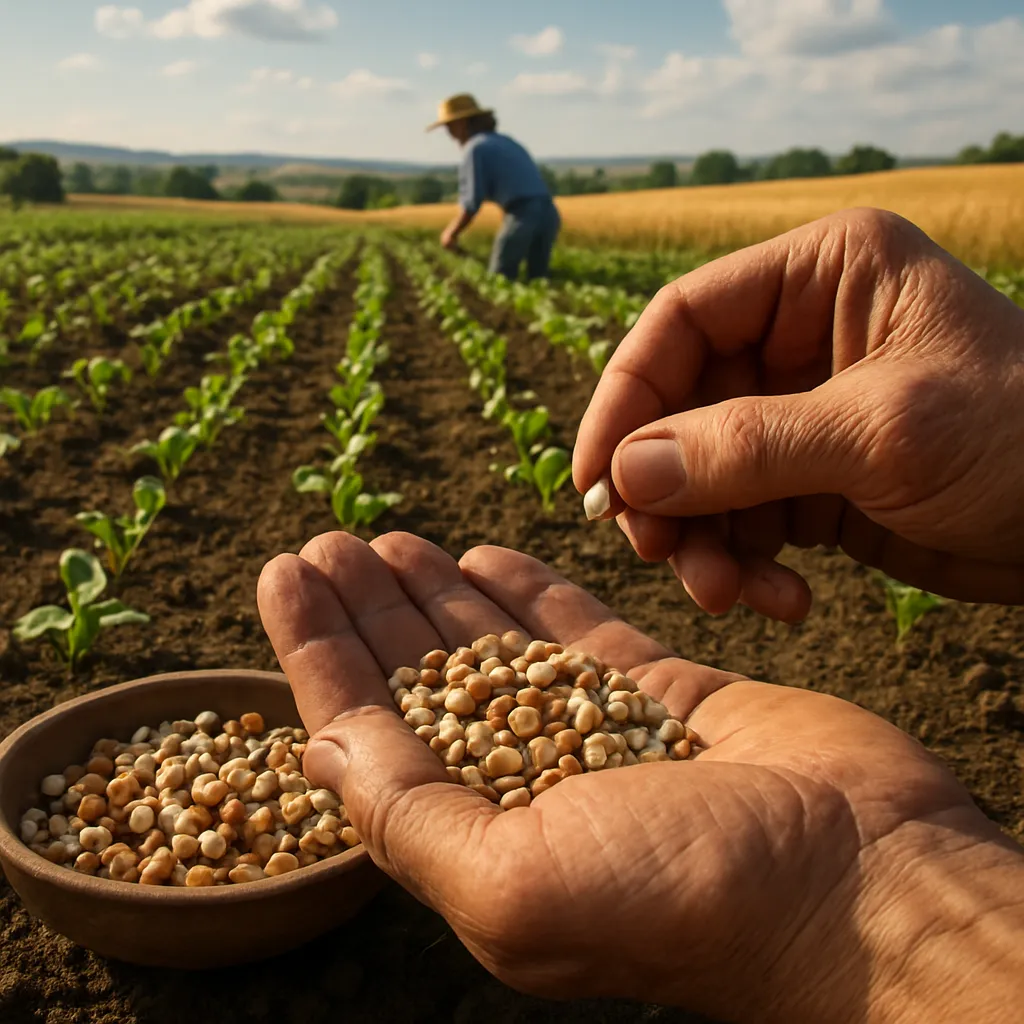
- Cover cropping to protect exposed earth, fix atmospheric nitrogen, and suppress weeds.
- Agroforestry systems that integrate trees with crops, enhancing carbon sequestration and habitat diversity.
- Managed grazing strategies for livestock, which improve grassland health and reduce erosion.
- Reduced-tillage or no-till approaches that maintain soil structure and accelerate organic matter accumulation.
Enhancing Ecosystems and Resilience
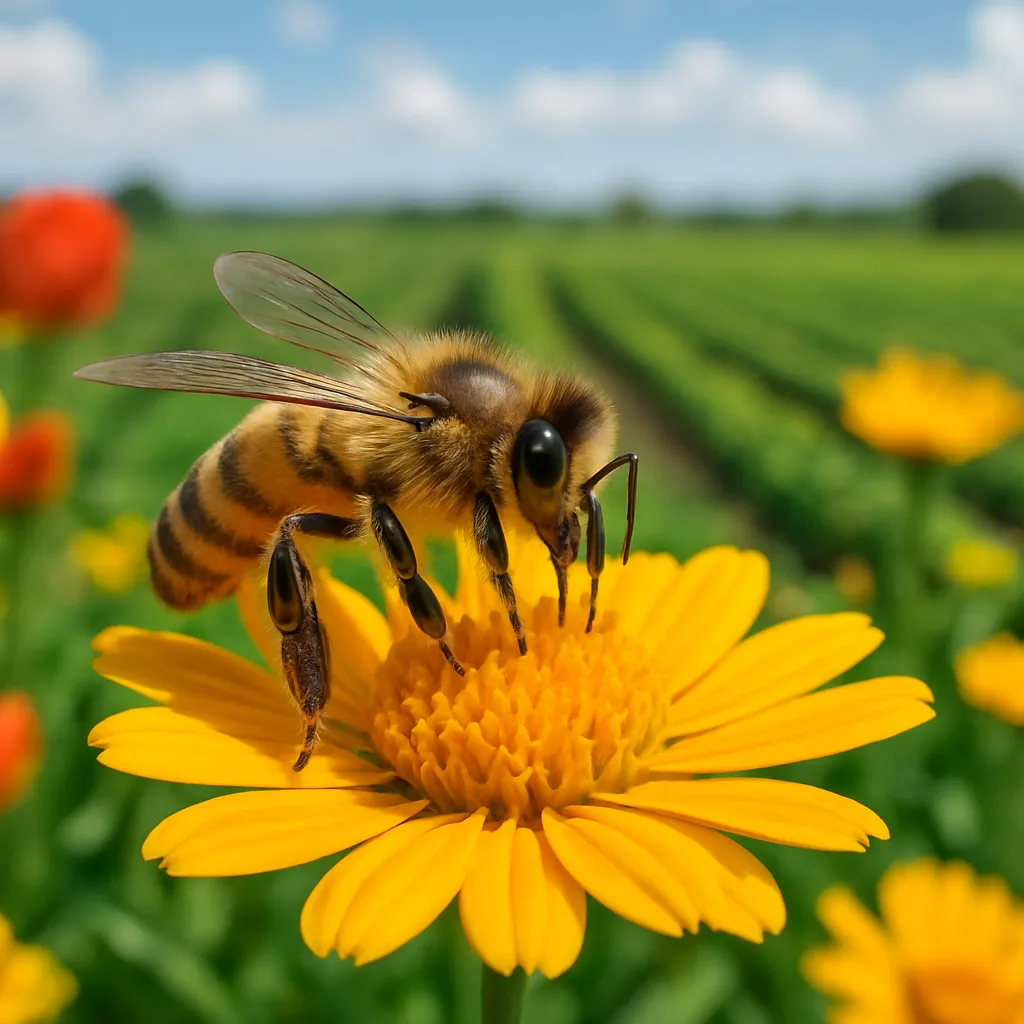
Creating interconnected habitats—hedgerows, buffer strips, and wetland areas—supports pollinators and natural pest predators. These biodiversity corridors also serve as shields against extreme weather, helping farms adapt to shifting rainfall patterns and temperature fluctuations. By viewing each farm as part of a larger ecosystem, growers can foster balanced communities where pests remain in check and beneficial species thrive.
Economic and Social Dimensions of Organic Farming
Beyond agronomic practices and technology, the future of farming hinges on equitable market structures and inclusive policies. Organic and sustainable systems often require more labor and specialized knowledge. Ensuring that farmers receive fair compensation and support is critical for widespread adoption.
Fair Trade and Certification Models
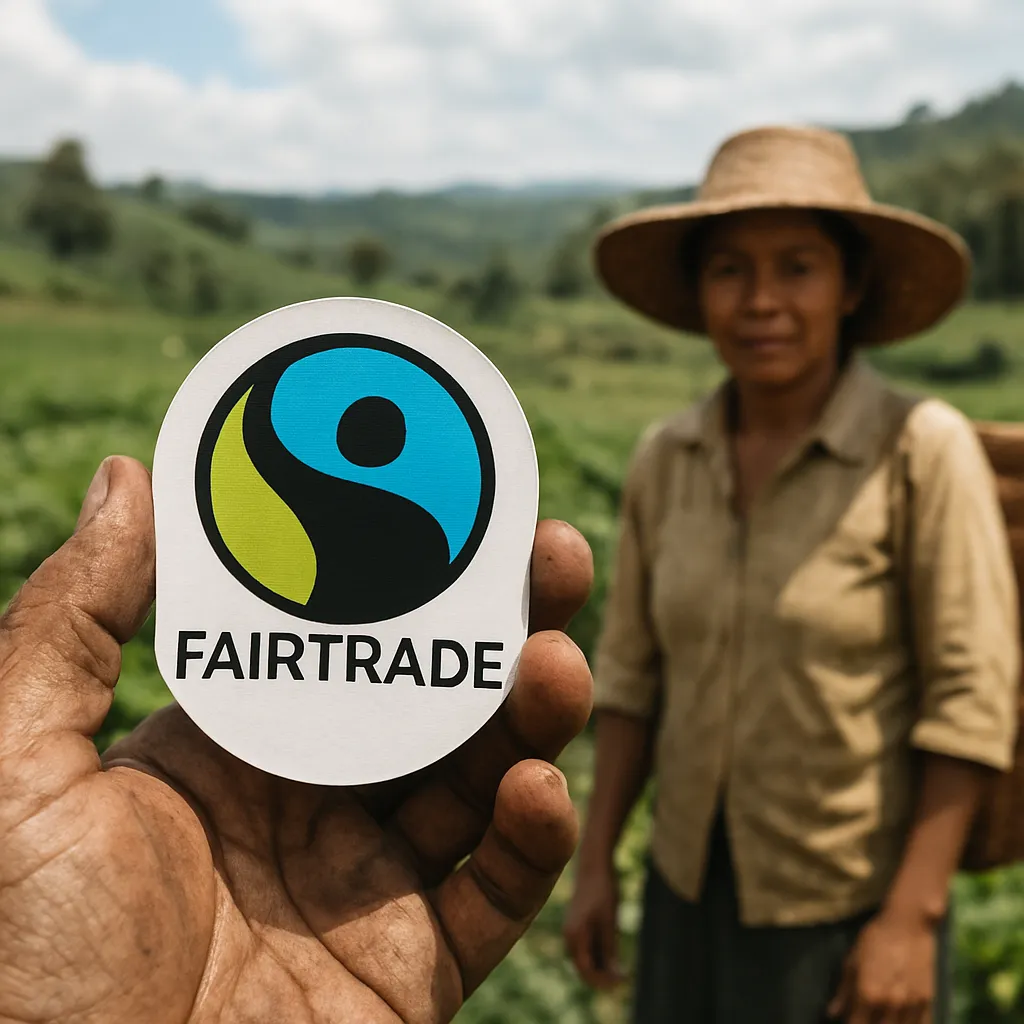
New certification frameworks are emerging to assist smallholders in navigating complex standards. Cooperative models allow farmer groups to share costs for auditing, marketing, and logistical coordination. In some regions, microfinance institutions offer low-interest loans geared toward organic conversion, enabling even the smallest plots to access improved seed varieties and soil amendments.
Community Engagement and Knowledge Sharing
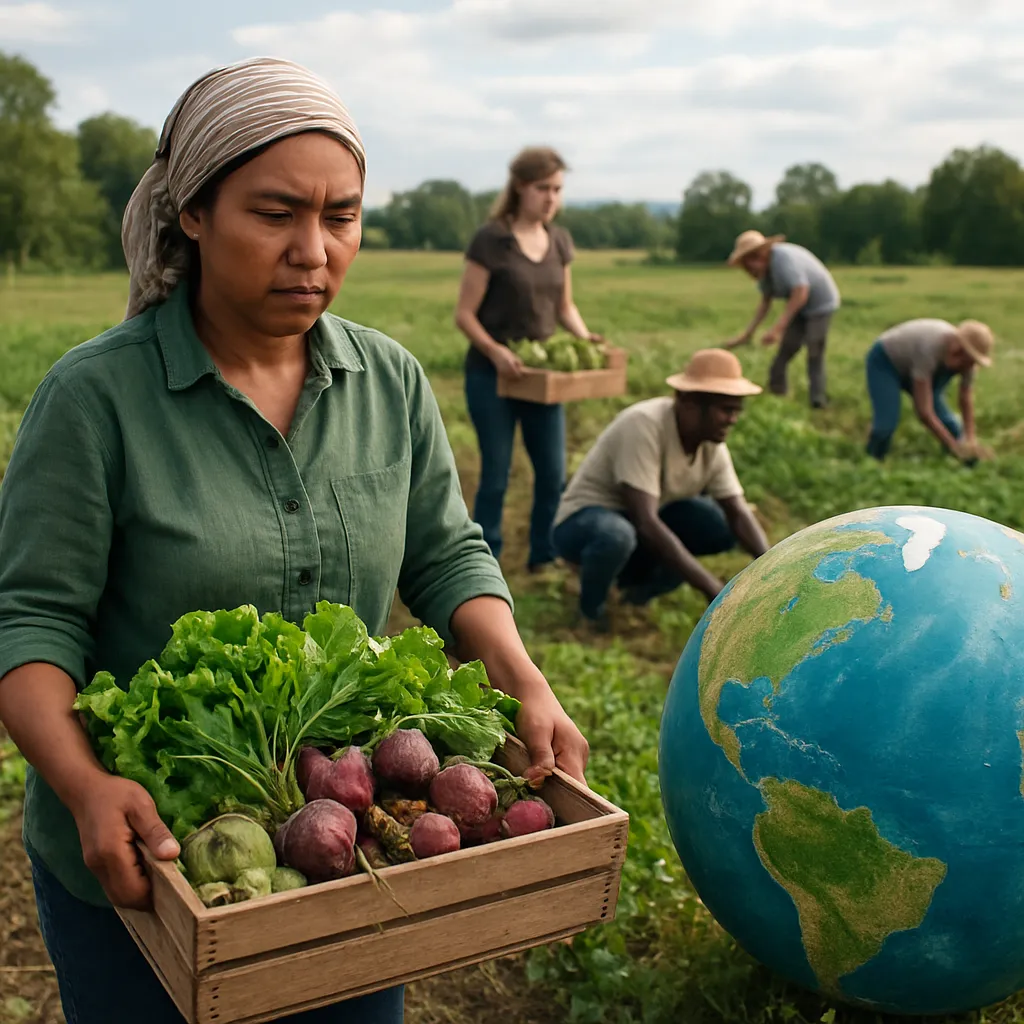
Innovation hubs and on-farm demonstration sites are becoming fertile grounds for experimentation. Farmer-to-farmer exchanges, often facilitated by non-governmental organizations, spread practical insights on cover crop blends, compost tea recipes, and efficient irrigation systems. Such grassroots networks accelerate the diffusion of best practices, creating a culture of continuous improvement.
Navigating Challenges and Emerging Opportunities
Despite promising advances, organic and sustainable systems must overcome financial, regulatory, and environmental hurdles. Climate volatility can disrupt supply chains, while volatile input prices strain budgets. Policymakers face the complex task of designing incentives that balance short-term yields with long-term climate resilience.
Risk Management and Adaptation
Insurance products tailored to small farms and weather-indexed contracts help mitigate risks associated with droughts, floods, and temperature extremes. Diversified on-farm enterprises—such as beekeeping, agro-tourism, and direct-to-consumer sales—provide supplemental income streams that buffer families through challenging seasons.
Policy and International Cooperation
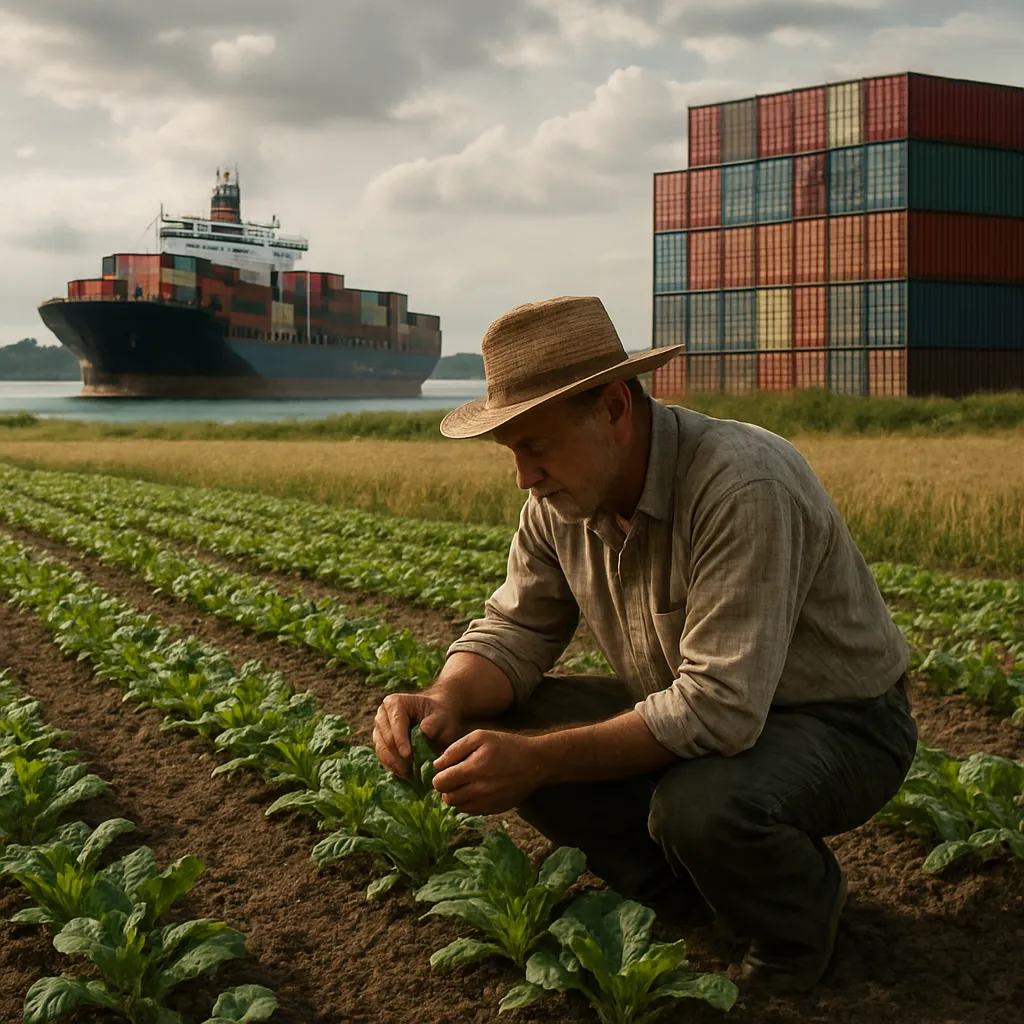
Global trade agreements are being renegotiated to include environmental and social clauses, encouraging nations to harmonize organic standards. Multilateral efforts, such as the United Nations’ programs on sustainable food systems, foster collaboration on research, capacity building, and market access. When stakeholders across continents unite under shared goals, the cumulative impact can redefine food security and rural livelihoods.
As agriculture continues to evolve, the integration of tradition and innovation will be essential. By prioritizing sustainability, promoting innovation, and safeguarding the planet’s resources, the global farming community can meet the challenges ahead and cultivate a healthier future for people and the environment.