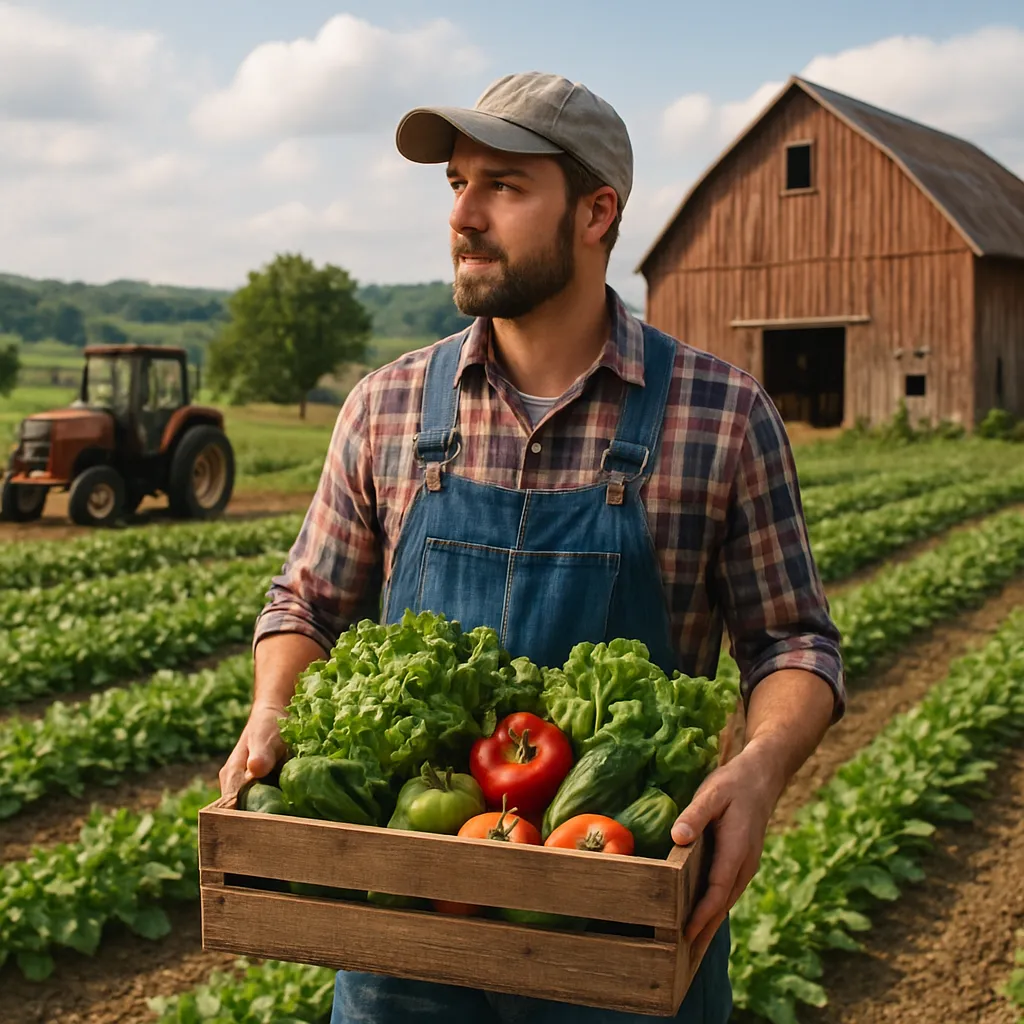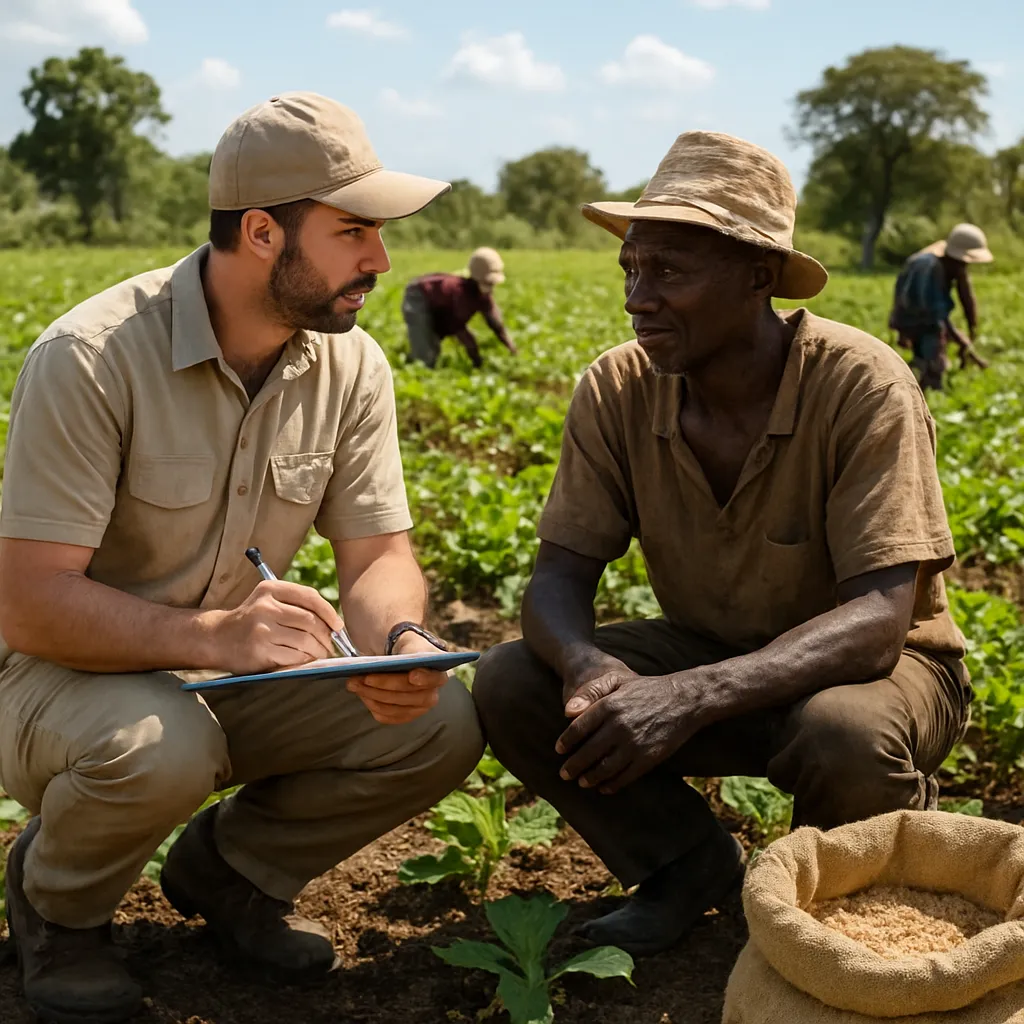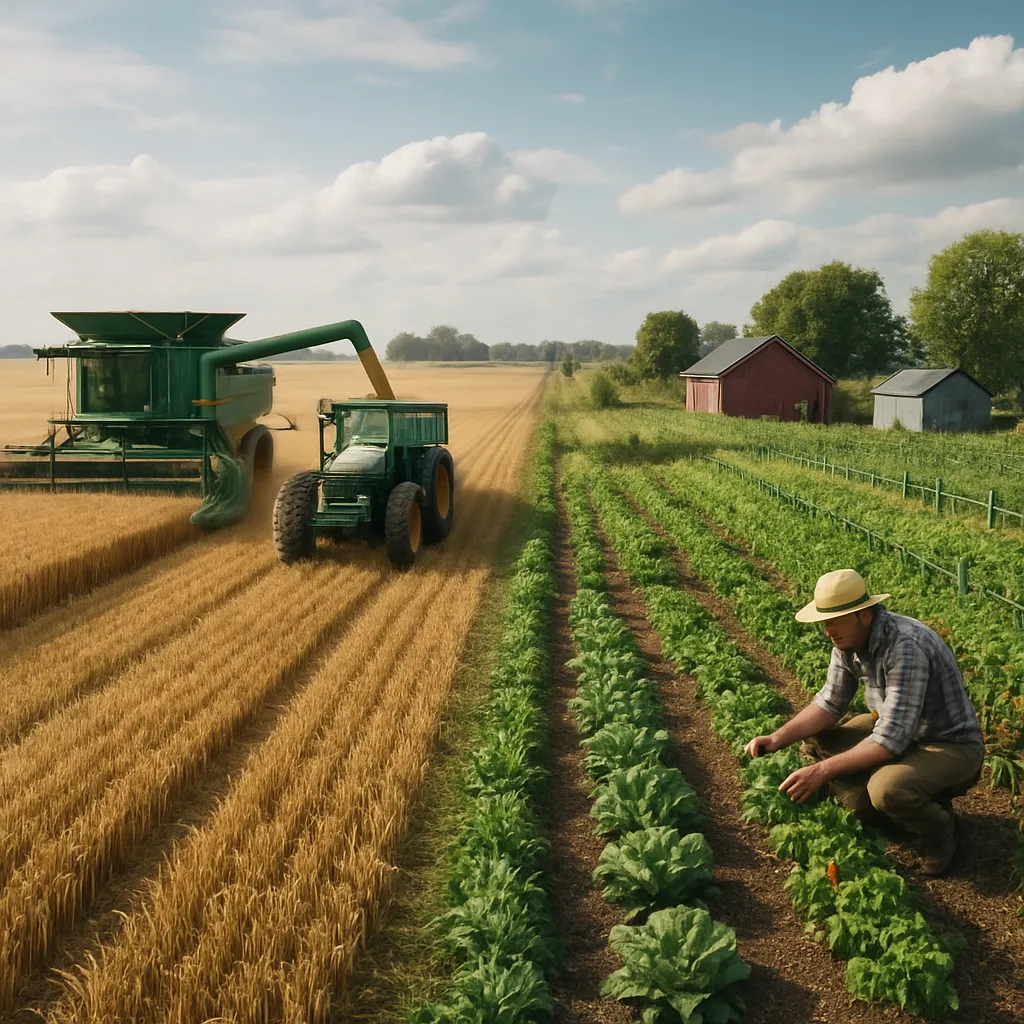
The ongoing evolution of agriculture has prompted a critical examination of how global food systems might shift in coming decades. As supply chains face mounting pressures—from climate volatility to geopolitical tensions—many experts are exploring the possibility of **localized** farming models that foster **resilience**, enhance **sustainability**, and strengthen ties between producers and consumers. This article delves into the cutting-edge technologies shaping local food production, evaluates the **economic** and **social** implications, examines the **environmental** outcomes, and outlines strategic pathways for a future rooted in regional self-reliance.
Emerging Technologies and Localized Agriculture
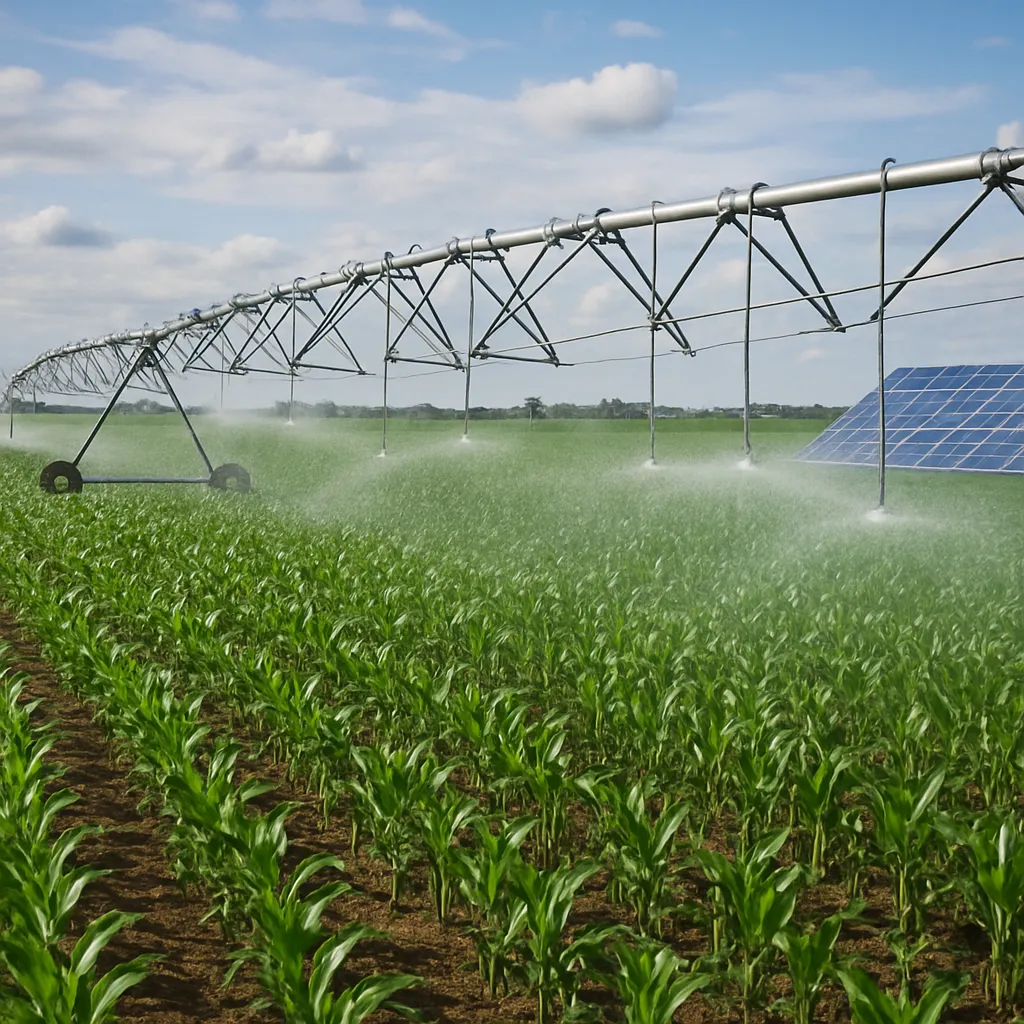
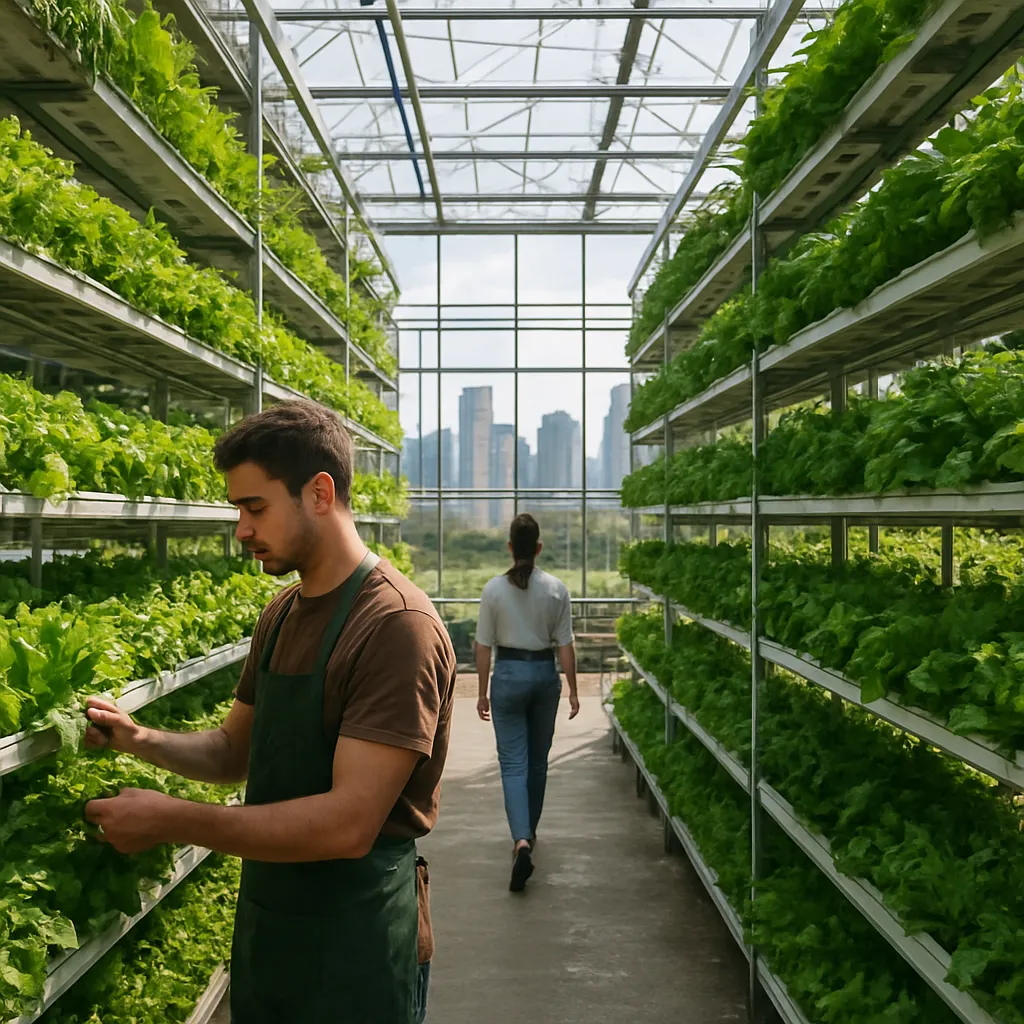
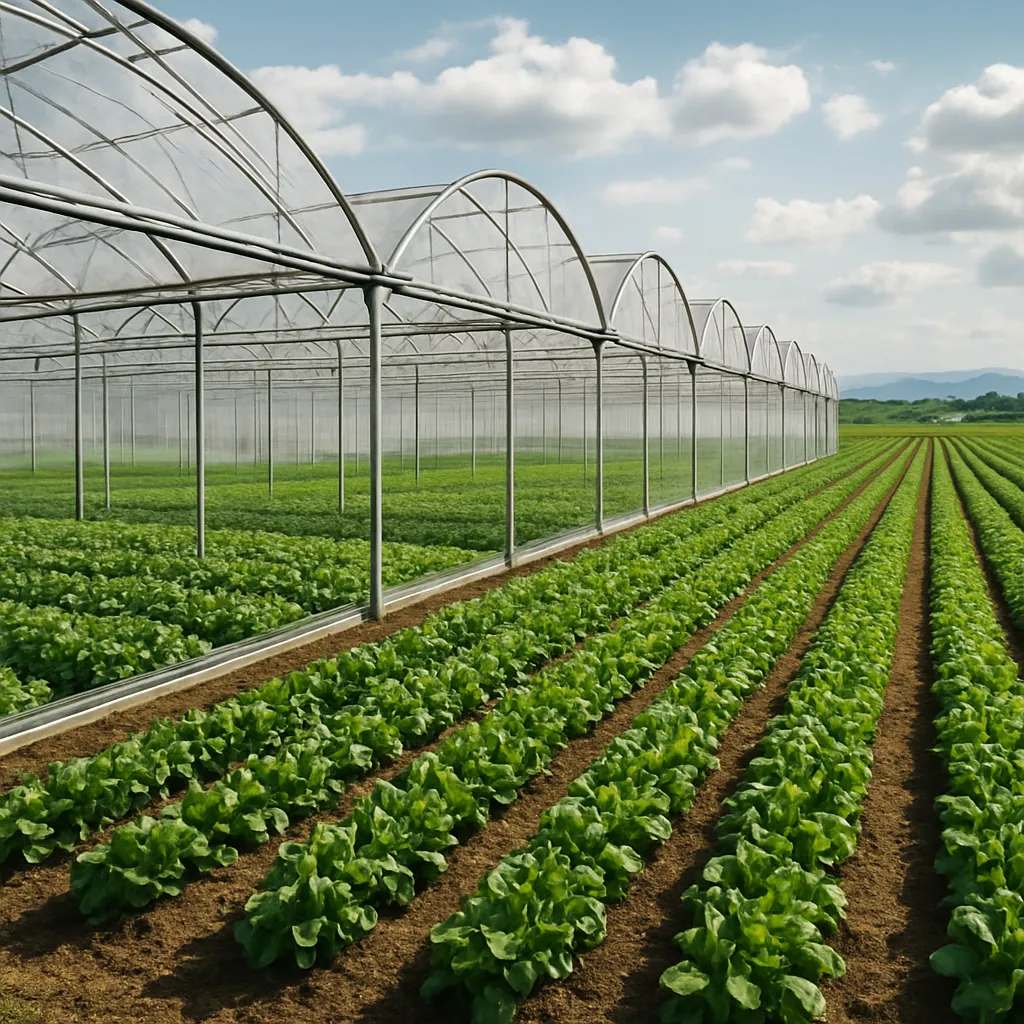
Advances in precision farming, vertical cultivation, and digital monitoring have revolutionized the way small-scale farms operate. Sensors, drones, and artificial intelligence platforms now enable growers to track soil moisture, pest infestations, and nutrient levels with unprecedented accuracy. By integrating these tools, local farms can optimize water usage, reduce chemical inputs, and achieve higher yields within compact spaces. The rise of innovation hubs dedicated to agri-tech has further accelerated the adoption of modular greenhouses and hydroponics systems that thrive in urban centers.
Another breakthrough lies in decentralized energy solutions. Solar-powered irrigation pumps and small-scale biogas digesters allow rural communities to break free from unreliable grid connections. Such energy independence ensures that localized farms can maintain consistent production even during regional power disruptions. This trend is particularly transformative for remote areas with limited infrastructure, empowering farmers and reinforcing regional food networks.
Smart Data for Community Farms
Open-source software and blockchain-based tracking systems are creating transparent markets, where consumers can trace every stage of the supply chain. This heightened visibility builds trust and strengthens the bond between producer and buyer. As communities demand more information about origin, pesticide use, and carbon footprints, local farmers equipped with real-time data can deliver on these expectations, ensuring greater **equity** in food access.
Economic and Social Dimensions of Localization
Moving towards regional food systems reshapes local economies. By prioritizing nearby producers, communities keep capital circulating within the region, leading to job creation and enhanced rural livelihoods. Smallholder cooperatives can negotiate better prices collectively, securing fair compensation for labor and reducing dependency on price-volatile global markets. This economic restructuring fosters community solidarity and diminishes the outmigration trend that burdens many agricultural provinces.
- Enhanced market access through farmers’ markets and CSAs (Community Supported Agriculture)
- Reduced transportation costs and lower food waste due to shorter distribution channels
- Increased opportunities for agritourism and educational farm visits
- Dynamic local supply chains that adapt swiftly to demand fluctuations
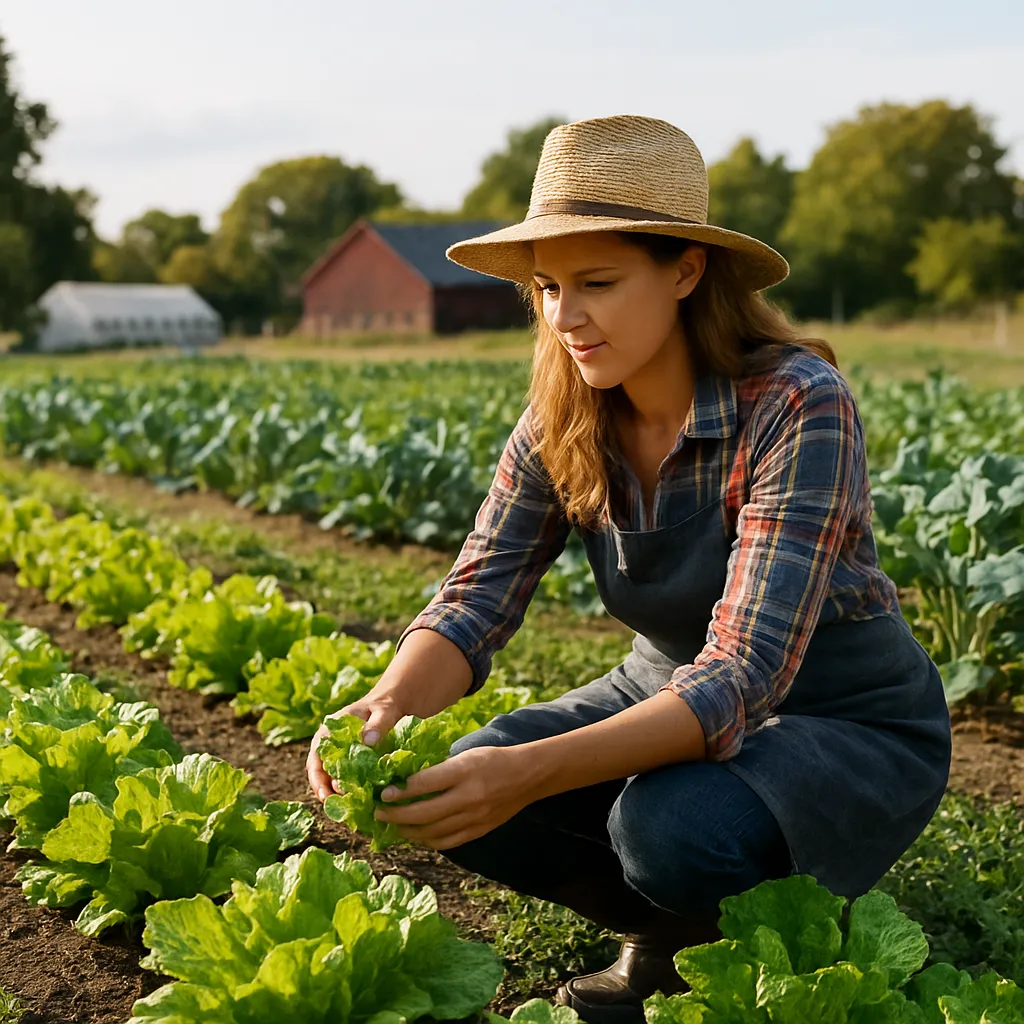
Socially, localized farming promotes greater food literacy and participation. Urban dwellers engaging with community gardens or rooftop farms gain firsthand experience in cultivation and harvest processes. This direct involvement cultivates a sense of ownership and responsibility, encouraging healthier dietary choices and deeper appreciation for seasonal cycles. Moreover, such interactions foster intergenerational knowledge transfer, preserving traditional practices while integrating modern techniques.
Empowerment Through Cooperative Models
Collective enterprises—such as food hubs and processing centers—enable small producers to share resources like cold storage, packaging facilities, and marketing platforms. This communal infrastructure increases operational **efficiency** and allows local farms to compete with larger agribusinesses. By pooling risk and investment, farmer networks cultivate an empowering environment that values collaboration over competition.
Environmental and Ecological Impacts
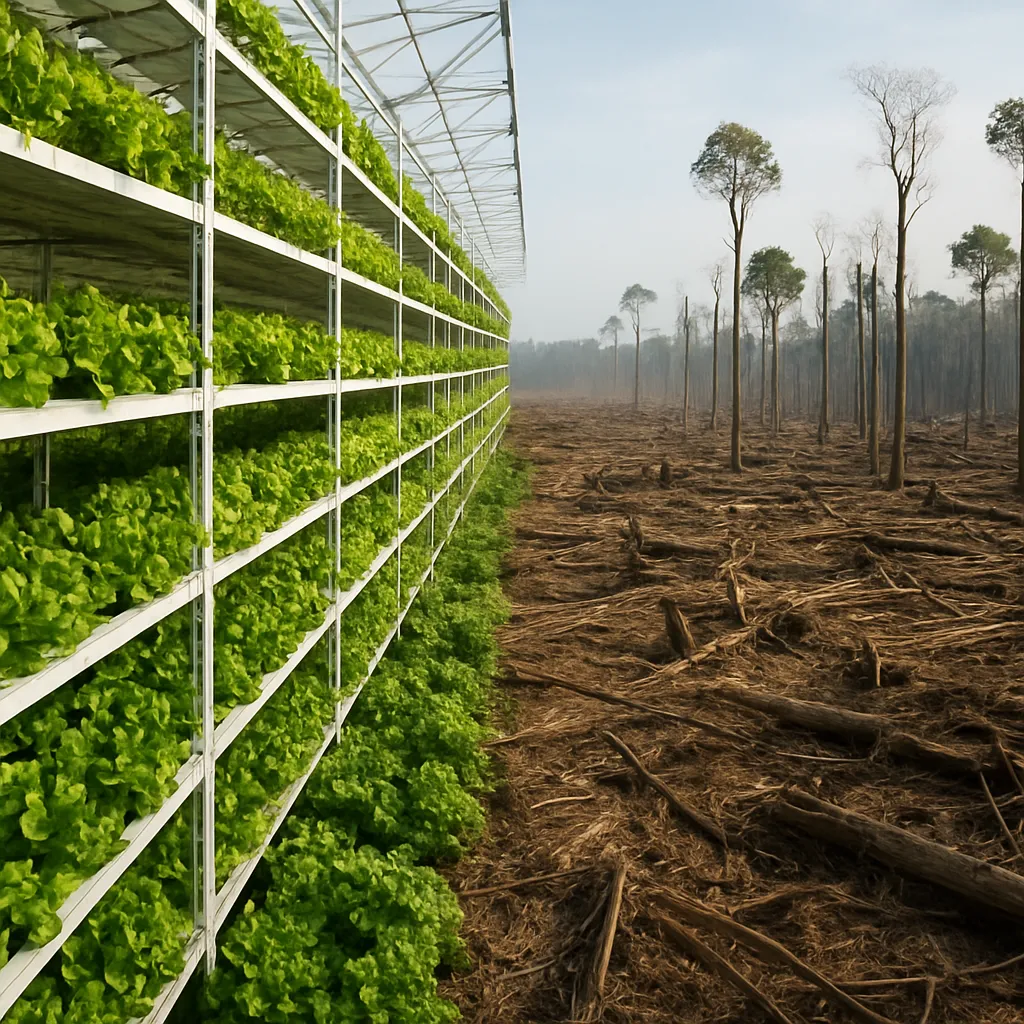
Localized food systems have the potential to significantly reduce greenhouse gas emissions by cutting down on long-distance freight and minimizing spoilage. Integrating permaculture principles enhances soil **biodiversity**, while rotational grazing and agroforestry enrich the landscape’s carbon sequestration capacity. Smaller-scale operations often adopt organic practices more readily, limiting synthetic fertilizer runoff and preserving local waterways.
Water stewardship is another critical dimension. Drip irrigation and rainwater harvesting technologies, when applied at regional scales, promote responsible consumption of dwindling freshwater resources. In flood-prone zones, constructed wetlands on small farms buffer extreme weather events, protecting both crops and downstream communities. These nature-based solutions reflect a holistic approach to ecosystem management, emphasizing harmony between production and preservation.
Strengthening Resilience Against Climate Shocks
Localized systems can pivot faster in response to droughts, storms, or pest outbreaks. By diversifying crop portfolios and adopting resilient seed varieties, regional farms buffer themselves against monoculture vulnerabilities. This adaptability ensures that local populations retain a reliable food supply, even as global markets face disruptions.
Challenges and Pathways Forward
Despite compelling benefits, transitioning to localized agriculture presents hurdles. Land tenure disputes, fragmented policies, and unequal access to capital can stall progress. In many regions, inadequate infrastructure—such as poor roads or lack of processing facilities—limits the scalability of small-scale operations. Addressing these obstacles requires targeted investments, innovative financing mechanisms, and inclusive policymaking that centers farmer voices.
- Implement training programs to build technical skills in agroecology and supply chain management.
- Establish public–private partnerships to fund local cold chains and distribution networks.
- Create regulatory frameworks that support smallholder land rights and fair trade certification.
- Encourage research initiatives focused on region-specific crop adaptation and climate resilience.
Looking ahead, the fusion of tradition and technology will chart the course for future farming landscapes. By embracing collaborative platforms, supporting marginalized producers, and prioritizing ecological integrity, societies can achieve a balanced food system—one that upholds nutritional **equity** and fosters global well-being.