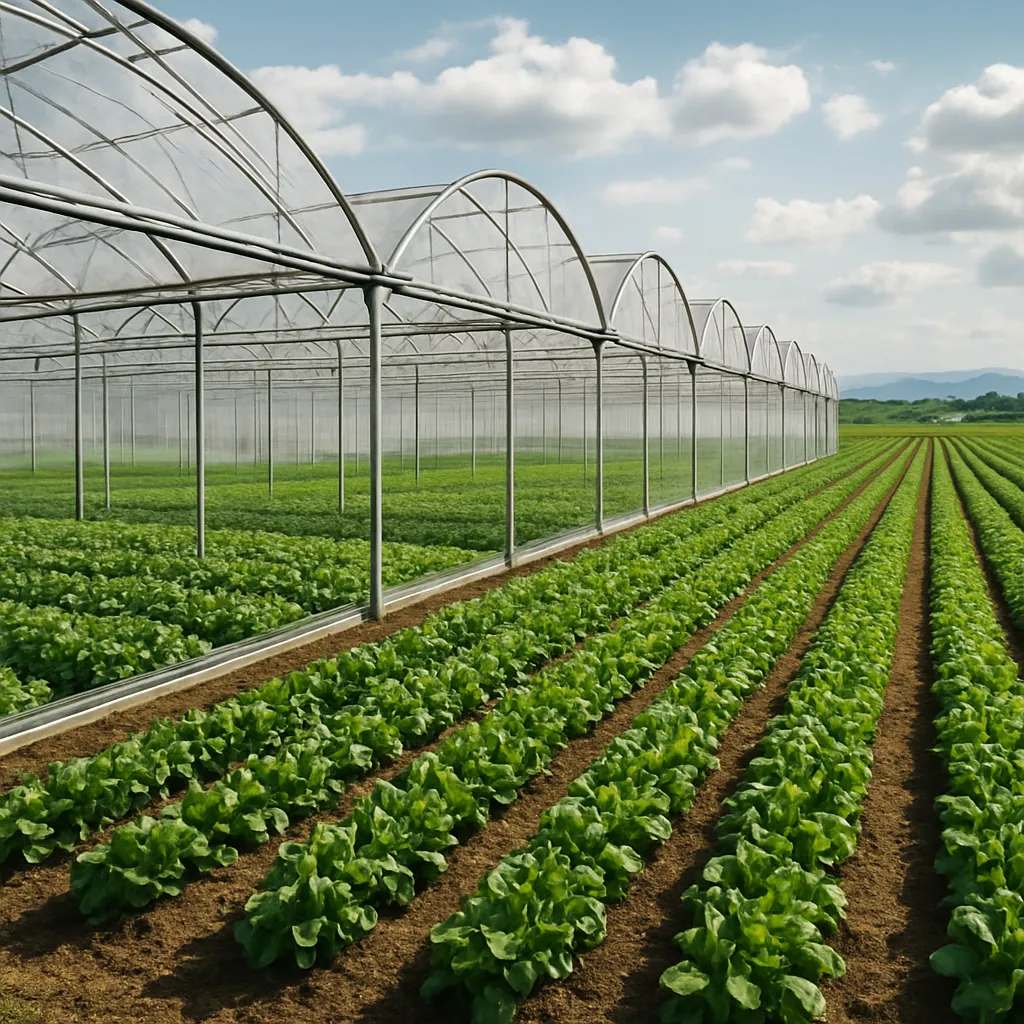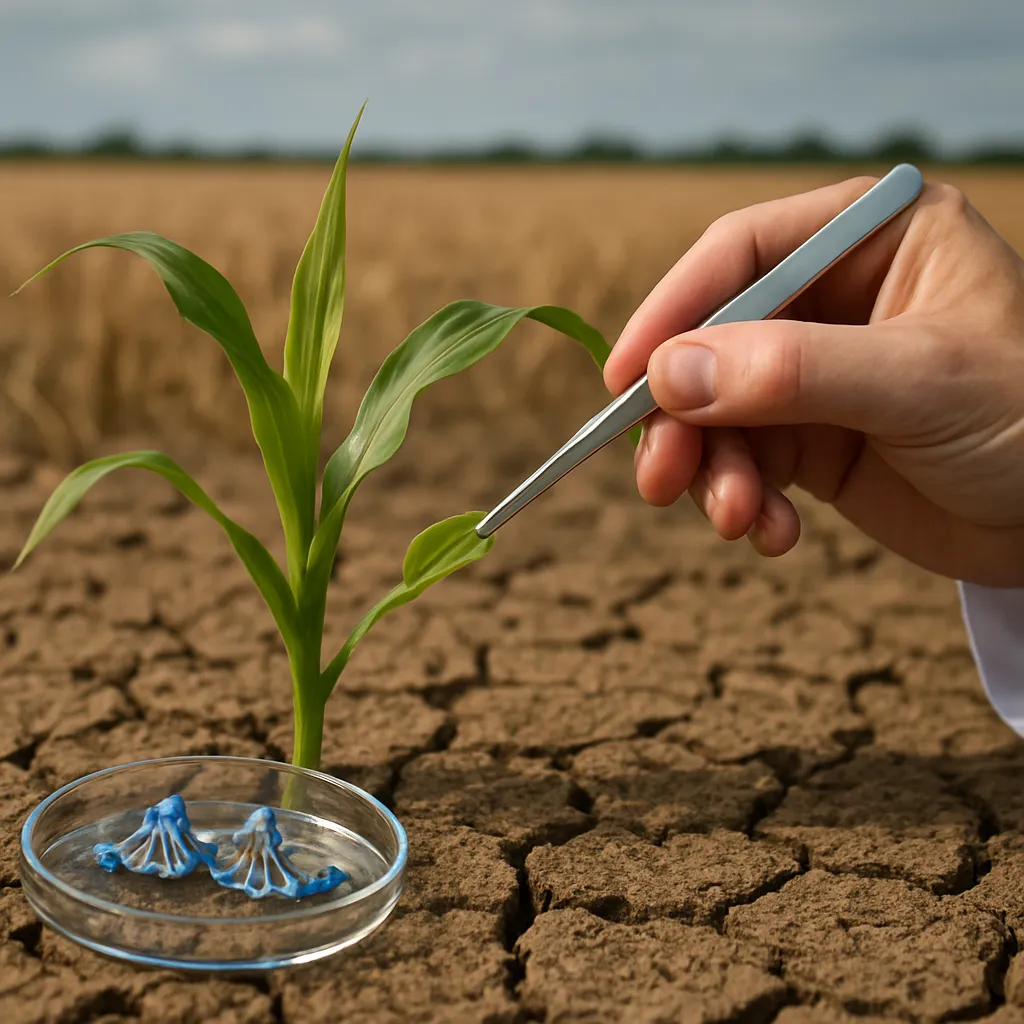
Genetic solutions are transforming the landscapes of global agriculture by offering resilient varieties that can withstand prolonged water scarcity. As climate unpredictability intensifies, farmers across continents seek innovative approaches to preserve yields and safeguard food security. Understanding how genetic tools can empower crops to endure drought is crucial for sustaining the productivity of world farms and the livelihoods that depend on them.
Understanding the Challenges of Drought on World Farms
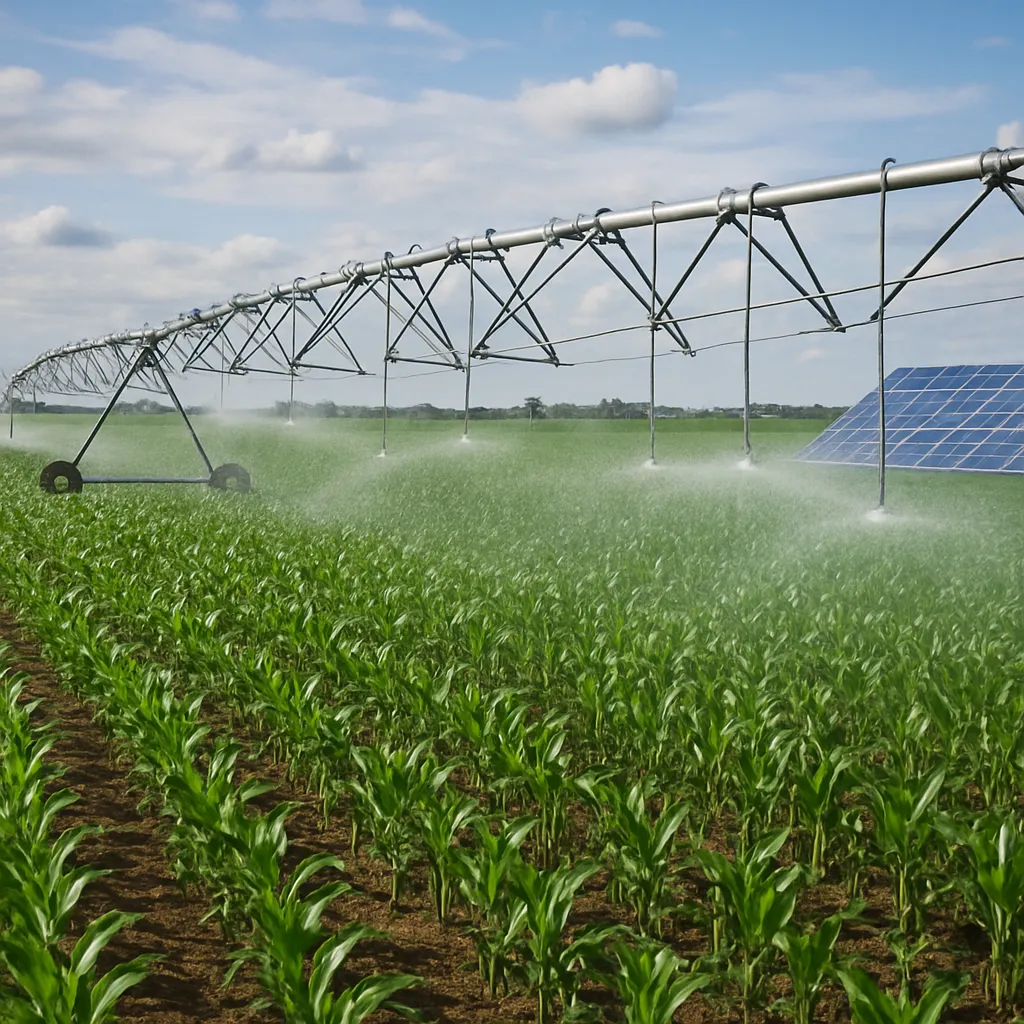
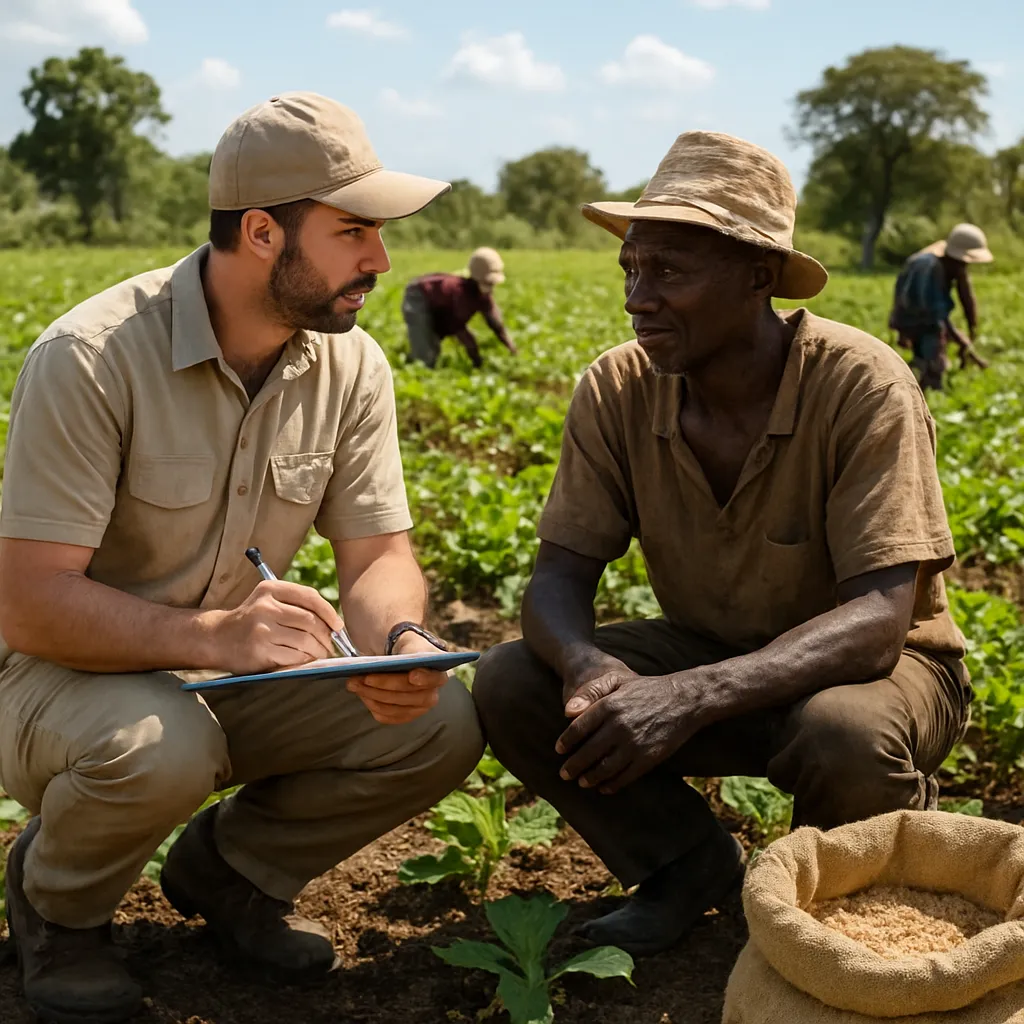
Drought stress is a major constraint affecting crop productivity on a global scale. In regions from the parched plains of sub-Saharan Africa to the arid fields of southwestern United States, water deficits can slash harvests by over 50 percent. Smallholder and commercial farmers alike face the threat of crop failure when rainfall patterns shift or irrigation resources dwindle. Beyond yield losses, drought intensifies soil degradation, reduces nutrient availability, and heightens exposure to pests and diseases. Addressing these challenges demands a multifaceted strategy that combines traditional agronomy, improved irrigation, and cutting-edge genetic engineering methods to develop varieties that thrive under water-limited conditions.
Advances in Genetic Engineering Techniques for Drought Resistance
Recent breakthroughs in molecular biology have equipped scientists with precision tools to enhance drought tolerance traits in major staples such as maize, rice, wheat, and soybean. Techniques range from transgenic insertion of single genes to genome editing platforms like CRISPR-Cas9, which allows for targeted modifications without introducing foreign DNA. By tweaking regulatory networks, researchers can activate stress-responsive pathways more rapidly when soil moisture declines.
Key strategies include:
- Transgenes expressing osmoprotectants: Genes encoding compatible solutes such as proline or trehalose help maintain cellular hydration.
- Stomatal regulation: Modifying guard cell signaling pathways reduces water loss by optimizing stomatal aperture during peak heat.
- Root architecture enhancement: Genes controlling root depth and branching allow plants to access deeper water reserves.
- Transcription factors: Overexpression of specific transcriptional regulators, like DREB and NAC families, primes multiple downstream defenses.
- Engineering aquaporins: Fine-tuning water channel proteins improves hydraulic conductivity under stress.
Collectively, these innovations represent a new era of biotechnology aimed at bolstering innate plant resilience.
Case Studies: Success Stories from Global Agricultural Systems
Several field trials and on-farm demonstrations have showcased the potential of engineered drought-resistant cultivars:
- India: A genetically modified rice line carrying the dehydration-responsive element-binding gene reduced yield losses during dry spells by nearly 30 percent compared to local varieties.
- United States: CRISPR-edited maize with altered expression of abscisic acid receptors exhibited a 20 percent improvement in water use efficiency under limited irrigation.
- Australia: Wheat varieties overexpressing a stress-induced transcription factor delivered consistent grain quality despite extended periods without rain.
- Brazil: Soybean plants engineered for deeper root systems maintained productivity during the critical flowering stage in drought-prone cerrado regions.
These examples illustrate the real-world impact of molecular breeding techniques on the productivity of world farms.
Regulatory, Ethical, and Socioeconomic Considerations
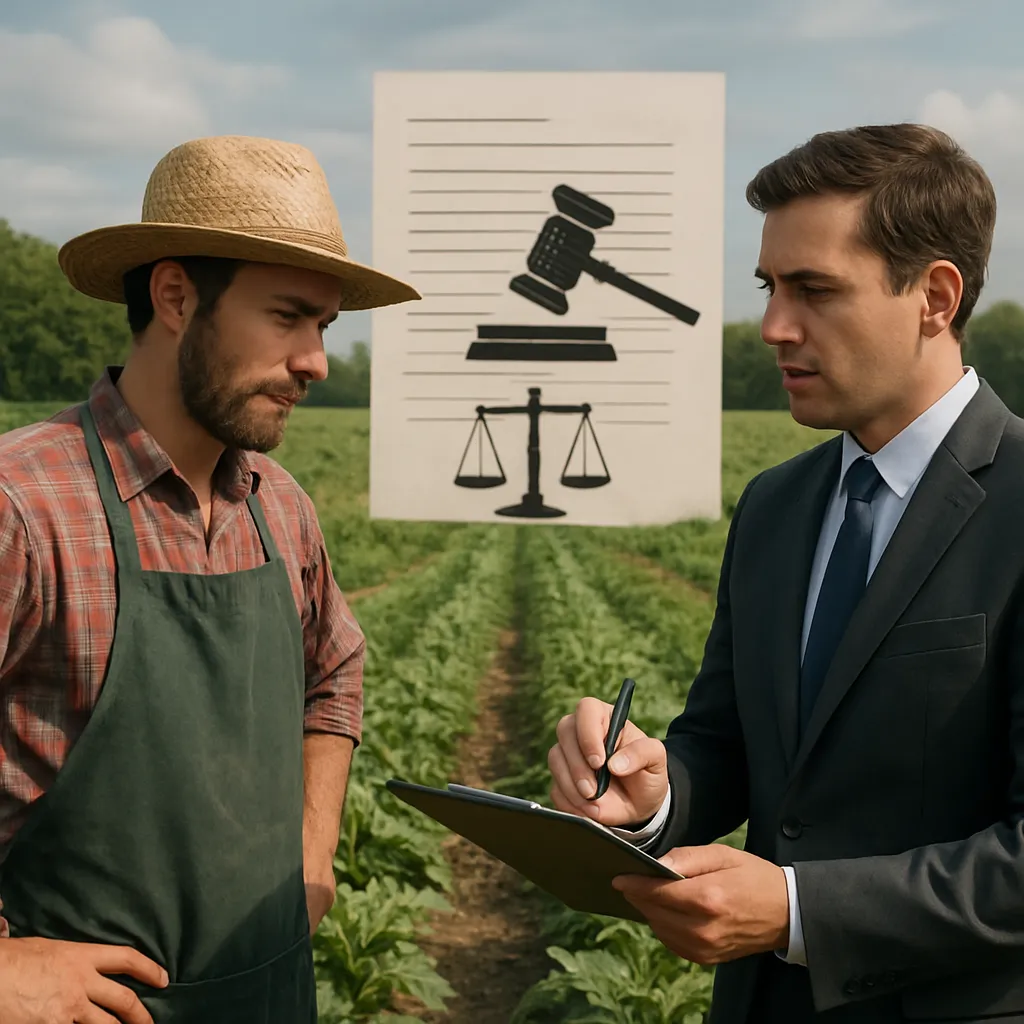
While scientific progress accelerates, regulatory frameworks vary widely between countries. Some governments impose stringent biosafety assessments, ensuring that engineered traits pose no risk to human health or biodiversity. However, complex approval processes can delay the deployment of beneficial varieties, particularly for resource-limited breeding programs. Public perception further shapes acceptance: misinformation or unease about genetic modifications may hinder adoption among farmers and consumers.
Ethical dialogue must address questions of equity and access. Smallholder farmers need affordable seed options and training on stewardship practices. Benefit-sharing agreements are critical when intellectual property rights intersect with traditional knowledge, especially in regions where local germplasm forms the basis for improvement. Strengthening partnerships between public research institutions, private companies, and farmer cooperatives can foster inclusive development of drought-resistant cultivars.
Future Perspectives and Integration with Sustainable Farming Practices
As the global population climbs toward 10 billion by mid-century, the pressure on world farms to deliver more calories using fewer resources will mount. The next frontier combines genetic breakthroughs with regenerative agriculture techniques: cover cropping, conservation tillage, and precision irrigation. By integrating engineered drought resistance with soil health management, farmers can achieve synergistic gains in productivity and ecosystem services.
Emerging tools like gene drives and epigenome editing hold promise for fine-tuning stress responses without permanent genomic alterations. Meanwhile, advances in data analytics and remote sensing enable real-time monitoring of crop water status, allowing for adaptive management that maximizes the performance of drought-hardy varieties. The convergence of molecular innovation, digital agriculture, and community engagement paves the way for resilient food systems capable of weathering an unpredictable climate.