Across diverse landscapes and climates, farms are embracing cutting-edge solutions that boost productivity while safeguarding the environment. By integrating advanced tools and methodologies, agricultural communities worldwide are building robust systems capable of withstanding extreme weather and shifting patterns. This article examines how modern technology is revolutionizing farm operations, enhancing resilience, and fostering a more sustainable future.
Precision Agriculture and Data-Driven Decision Making
Smart Sensors and IoT Networks
Equipping fields with wireless sensors has transformed the way farmers monitor soil and crop conditions. Internet of Things (IoT) networks collect real-time data on:
- Soil moisture and nutrient levels
- Ambient temperature and humidity
- Plant health indicators
By analyzing this continuous stream of information, growers optimize irrigation schedules, tailor fertilizer application, and detect disease outbreaks early, reducing waste and maximizing yields.
Satellite Imagery and Remote Sensing
High-resolution satellite images provide a bird’s-eye view of expansive farmlands, allowing for large-scale monitoring of crop growth patterns. These images, combined with machine learning algorithms, enable farmers to:
- Identify areas affected by drought or flooding
- Assess plant stress before visible symptoms emerge
- Plan resource allocation across different plots
With big data analytics, stakeholders can anticipate climatic impacts, adjust planting schedules, and implement targeted interventions.
Automated Machinery and Robotics
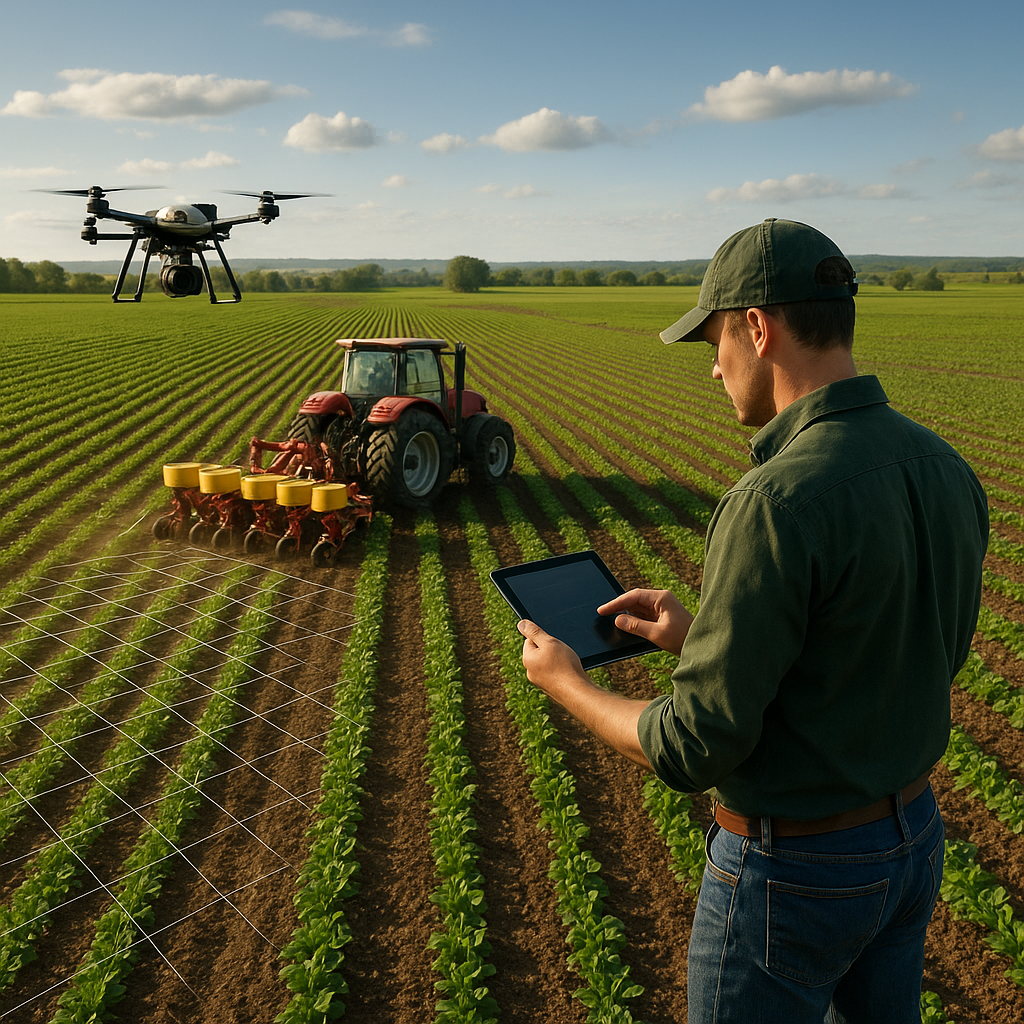
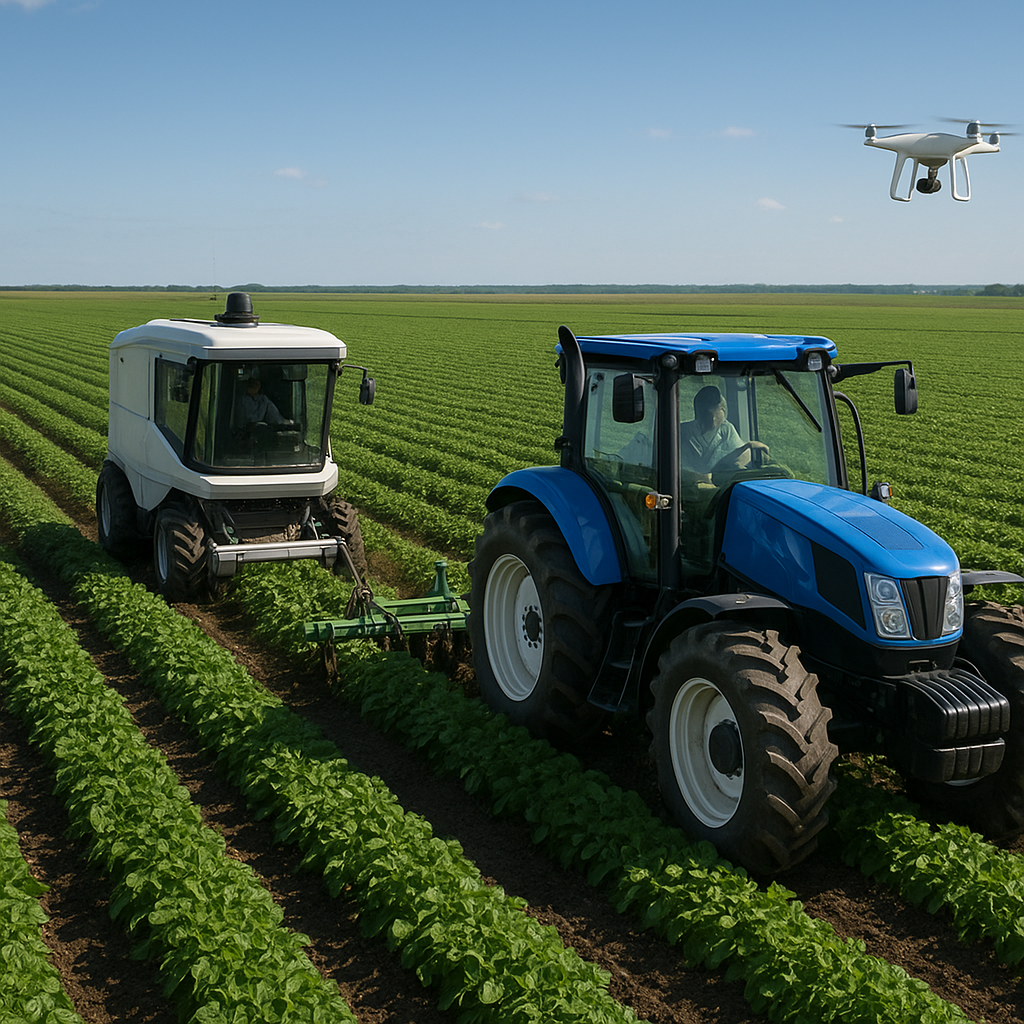
Self-driving tractors and robotic harvesters navigate fields with pinpoint accuracy. Equipped with GPS guidance systems, they perform repetitive tasks—such as seeding, weeding, and spraying—with minimal human intervention. This mechanization reduces labor costs, minimizes soil compaction, and ensures that inputs are delivered exactly where they are needed, reinforcing the farm’s overall efficiency.
Innovations in Water Management and Irrigation
Drip Irrigation and Soil Moisture Control
To cope with erratic rainfall and droughts, farmers are shifting to drip irrigation systems that deliver water directly to plant roots. By minimizing evaporation and runoff, these systems conserve precious water resources. Coupled with soil moisture probes, irrigation can be automated to activate only when sensors detect a deficit, ensuring crops receive the right amount of hydration at the right time.
Rainwater Harvesting and Reservoir Optimization
Collecting and storing rainwater in on-farm reservoirs or tanks helps communities maintain water supply during dry spells. Advanced forecasting tools predict rainfall patterns months in advance, guiding farmers in reservoir management. They can decide when to release stored water for irrigation and when to retain it, preventing overflow or drought stress.
Desalination and Water Recycling
In coastal regions, small-scale desalination units convert seawater into freshwater, supporting saline-prone soils. Meanwhile, innovative recycling systems treat agricultural runoff and process wastewater for safe reuse. Such closed-loop approaches reduce dependence on freshwater sources and curb environmental pollution.
Renewable Energy and Climate-Smart Practices
Solar-Powered Farms
Installing solar panels on rooftops, greenhouses, and even floating platforms over irrigation ponds generates clean energy that powers pumps, lighting, and processing equipment. Surplus electricity can be fed back into the grid, creating an additional revenue stream. Solar-powered solutions decrease reliance on fossil fuels and lower farms’ carbon footprint.
Wind Turbines and Biogas Digesters
Small-scale wind turbines harness local breezes to produce electricity, especially in hilly or coastal terrains. Biogas digesters transform animal manure and crop residues into methane gas for heating or power generation. The byproduct, nutrient-rich slurry, serves as organic fertilizer, closing nutrient loops and promoting innovation in waste management.
Climate-Resilient Crop Varieties
Genetic research has yielded drought-tolerant, flood-resistant, and pest-resistant seed varieties. These improved cultivars thrive under extreme conditions and require fewer chemical inputs. Seed banks and gene editing technologies, such as CRISPR, enable scientists to accelerate the development of crops that can adapt to rising temperatures and unpredictable weather events.
Global Collaboration and Policy Support
International Partnerships
Agri-tech firms, research institutions, and governments are forging alliances to share best practices and drive innovation in climate resilience. Collaborative projects facilitate technology transfer from high-tech labs to smallholder farms. Farmers in developing countries gain access to affordable tools, while researchers gather valuable field data to refine their solutions.
Financial Mechanisms and Insurance
Index-based insurance products use satellite and weather data to provide rapid payouts when specified climatic thresholds are breached. By protecting farmers against crop failure, these insurance schemes encourage the adoption of new technologies and sustainable methods. Additionally, green bonds and climate funds channel investments into projects that bolster food security and environmental health.
Education and Capacity Building
Training programs and farmer field schools teach participants how to interpret sensor data, calibrate drones, and implement regenerative practices like cover cropping and conservation tillage. Empowering local communities with knowledge ensures that technological solutions are effectively adopted and maintained, fostering long-term sustainability.