Soil health stands at the core of resilient agricultural systems that feed billions of people across diverse landscapes. As global demand for food intensifies, understanding the intricate relationships between soil properties and sustainable practices becomes essential. In this article, we explore why nurturing soil health is not just a local concern but a cornerstone of long-term food security and environmental stewardship.
Significance of Soil Health in Global Farming
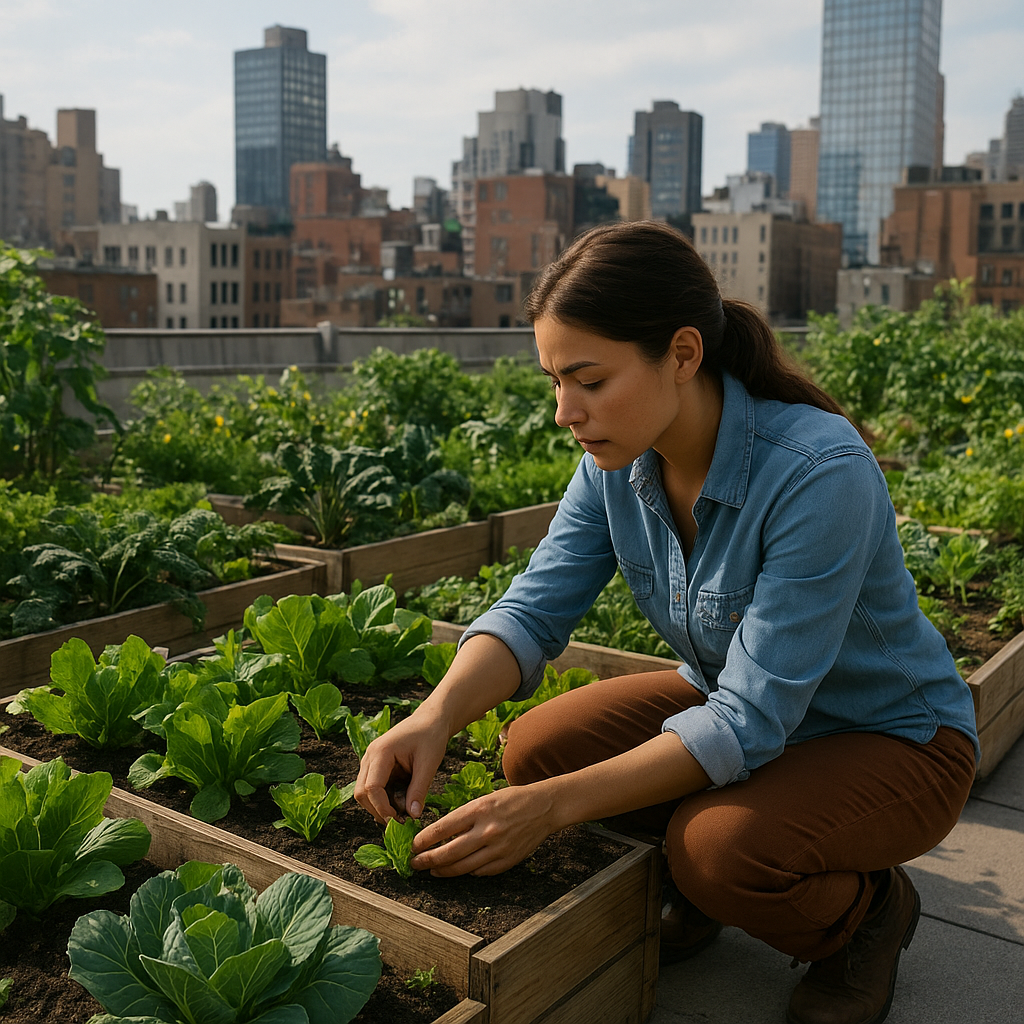
Healthy soil is a living medium teeming with microorganisms, organic matter, and nutrients that underpin crop growth. When farmers maintain robust soil ecosystems, they enjoy enhanced productivity, improved water retention, and natural pest suppression. Across world farms—from expansive grain belts to smallholder plots—soil health determines the capacity to produce food while preserving the environment.
- Nutrient Cycling: Soil organisms break down plant residues and recycle essential elements, reducing the need for synthetic fertilizers.
- Water Retention: Well-structured soils absorb and hold moisture, buffering crops against drought stress and reducing irrigation demands.
- Carbon Sequestration: Soils store carbon in organic matter, mitigating greenhouse gas emissions and helping to combat climate change.
- Biodiversity: A rich soil biota supports above-ground diversity, enhancing ecosystem stability and resilience to pests and diseases.
By recognizing soil as a dynamic resource rather than an inert growth medium, farmers worldwide can optimize inputs, safeguard ecosystems, and sustain yields over multiple seasons.
Strategies for Enhancing Soil Structure and Fertility
Implementing sound agronomic techniques lies at the heart of soil stewardship. Below are proven approaches that global farms adopt to foster regenerative outcomes.
Conservation Tillage
Reducing soil disturbance through no-till or minimum-till practices helps maintain the integrity of soil aggregates. This approach preserves pore spaces for air and water movement, protects microbial networks, and minimizes erosion by keeping crop residues on the surface. Conservation tillage often leads to better root penetration and contributes to long-term resilience against extreme weather events.
Cover Cropping
Planting cover crops during fallow periods locks in many benefits:
- Protection against rainfall erosion
- Addition of organic matter through biomass and root exudates
- Biological nitrogen fixation by leguminous species
- Suppression of weeds via canopy shading
Popular cover crop mixtures include legumes (clover, vetch), grasses (rye, oats), and brassicas (radish), each chosen to target specific soil constraints and climate considerations.
Crop Rotation and Diversification
Rotating crops disrupts pest and disease cycles while promoting varied nutrient demands. For instance, alternating deep-rooted cereals with shallow-rooted legumes enhances vertical nutrient scavenging and prevents the depletion of particular mineral pools. Introducing high-value vegetables or oilseeds into rotations further boosts farm income and spreads economic risk.
Organic Amendments and Composting
Applying compost, manure, or biochar enriches soils with stable carbon and micronutrients. These amendments improve soil structure, foster beneficial microbial communities, and create slow-release nutrient reservoirs. When properly managed, they can reduce dependence on synthetic inputs and strengthen long-term soil fertility.
Addressing Challenges and Pioneering Innovations
Despite the proven benefits of sound soil management, global agriculture faces hurdles such as land degradation, resource constraints, and socio-economic barriers. Yet, innovators, researchers, and farming communities are developing solutions to scale up soil health practices.
Digital Soil Monitoring
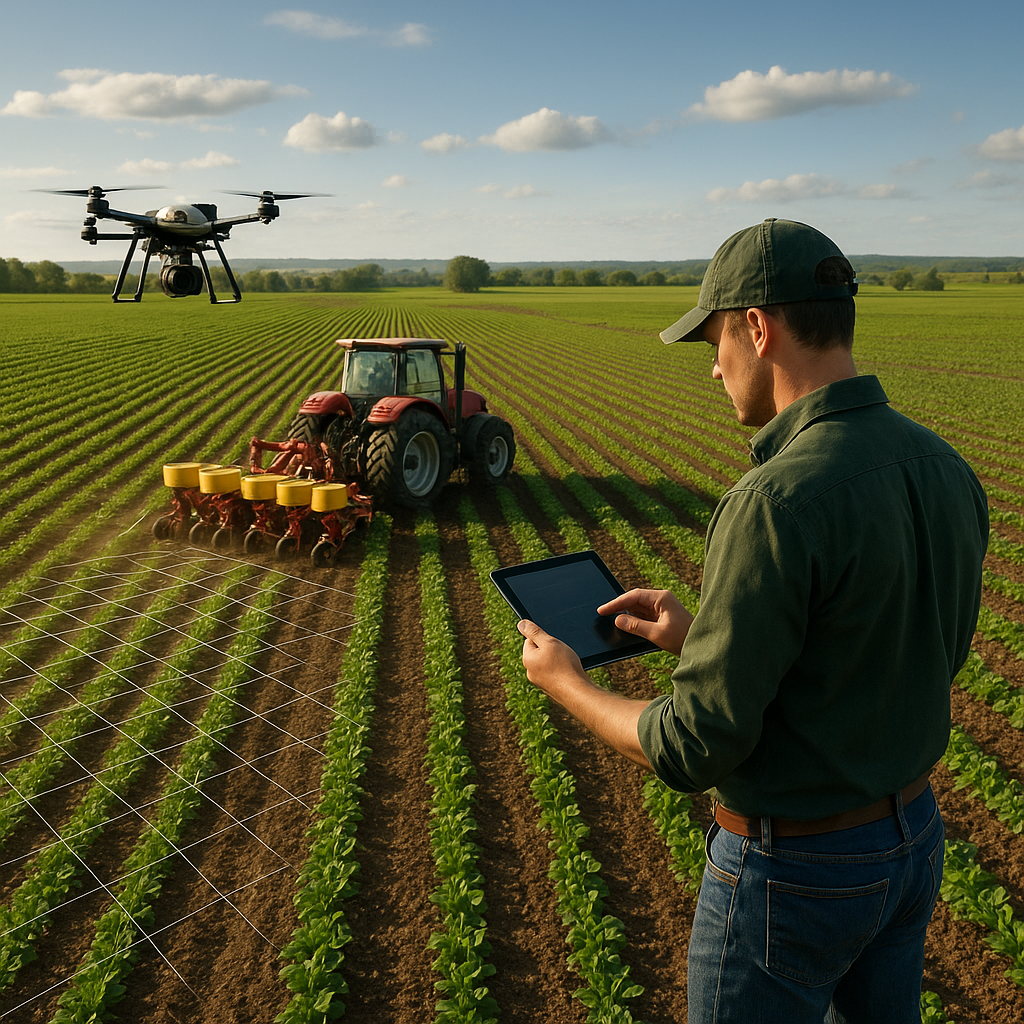
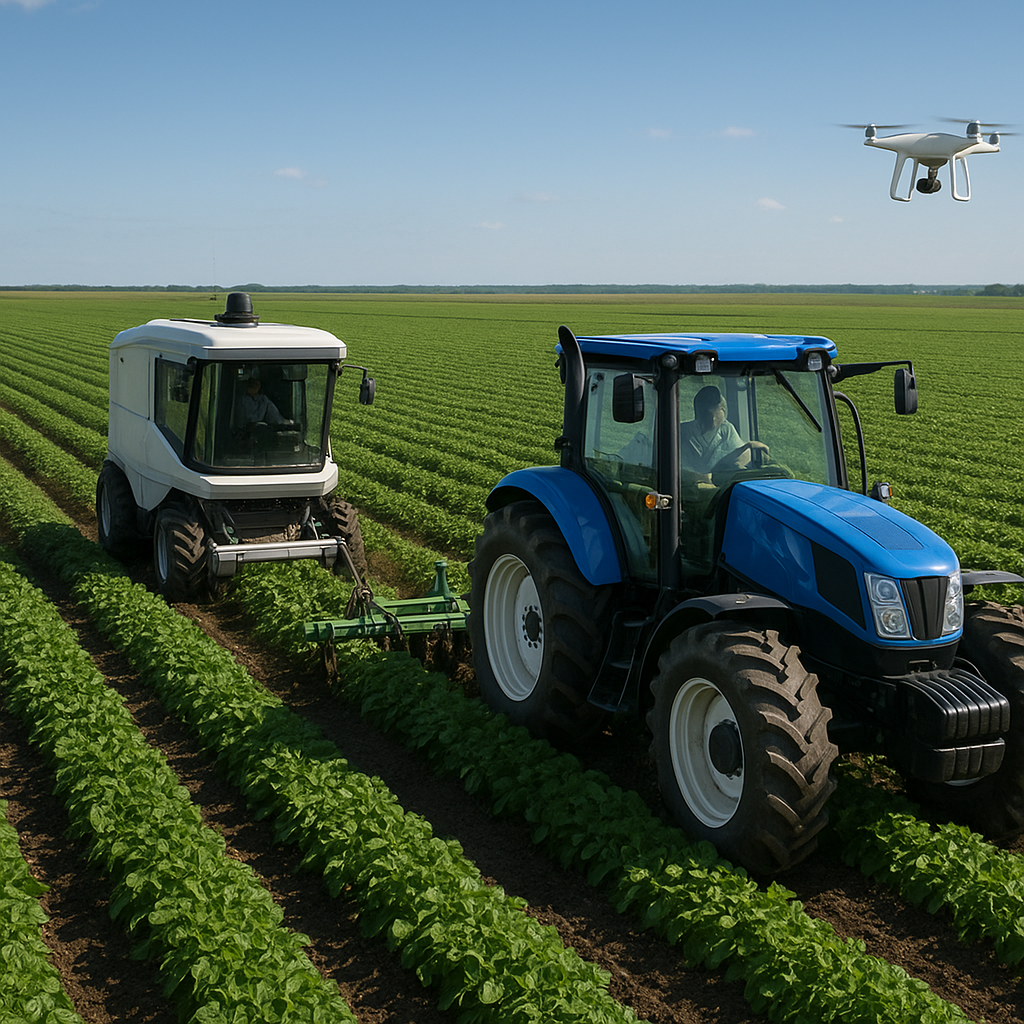
Advances in remote sensing, IoT (Internet of Things) sensors, and data analytics enable real-time tracking of soil moisture, temperature, and nutrient status. Farmers leverage these insights to apply water and fertilizers with precision, lowering waste and environmental runoff. Mobile applications and cloud platforms also facilitate the sharing of localized soil data among cooperative networks.
Biological Soil Enhancers
Microbial inoculants—such as rhizobia, mycorrhizal fungi, and plant-growth-promoting bacteria—help unlock bound nutrients and bolster plant defenses. Likewise, biofertilizers and biopesticides derived from natural organisms support crop health without the drawbacks of chemical alternatives. By harnessing the power of soil biology, these products foster sustainable yields in diverse agroecological contexts.
Community-Led Land Restoration
In regions experiencing severe erosion or salinization, local communities partner with NGOs and governments to rehabilitate degraded soils. Techniques include building contour terraces, establishing windbreaks with native vegetation, and promoting agroforestry systems that integrate trees with crops. Such collective efforts not only restore fertility but also create social cohesion and economic opportunities.
Policy and Incentive Frameworks
Governments and international bodies play crucial roles by enacting policies that reward soil health practices. Payment for ecosystem services (PES), carbon credit schemes, and conservation subsidies encourage farmers to adopt long-term soil management strategies. Additionally, educational programs and extension services bridge knowledge gaps, ensuring that best practices reach small-scale and resource-limited producers.
Through a synergy of traditional wisdom and modern innovation, the global agricultural community is redefining progress in terms of conservation and regeneration rather than mere productivity. Cultivating healthy soils not only ensures abundant harvests but also safeguards the planet for future generations.