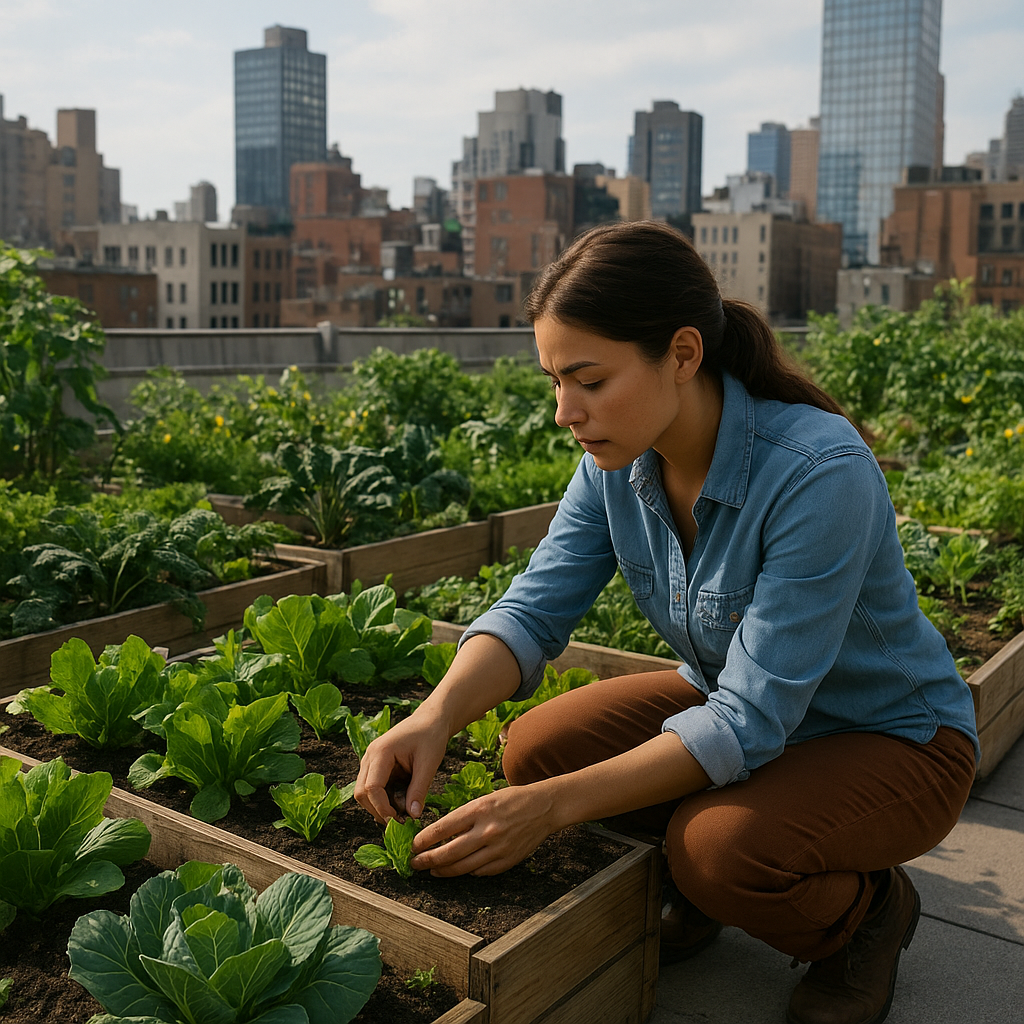
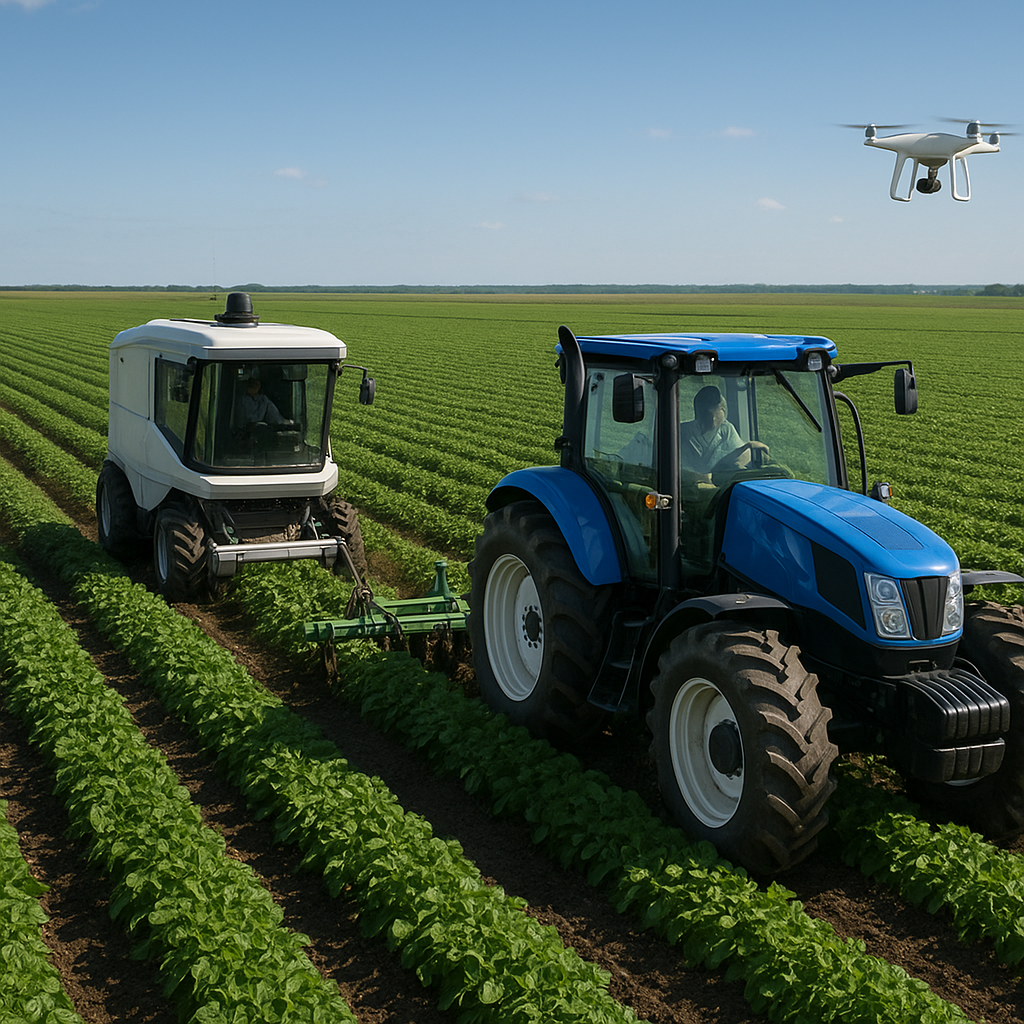
As global agriculture faces mounting pressure from climate change, dwindling freshwater reserves, and a rapidly growing population, innovative water management strategies have become indispensable. The adoption of smart irrigation technologies represents a pivotal shift toward enhancing crop yields while significantly reducing water consumption. This article delves into the progression of irrigation methods on world farms, examines the technological breakthroughs that empower modern farmers, and highlights the profound impact on sustainability and resource preservation.
The Evolution of Irrigation Practices on Global Farms
For centuries, farmers relied on rudimentary techniques such as surface flooding, furrow irrigation, and manual watering. Although these approaches were relatively simple to implement, they often resulted in excessive water loss through evaporation, runoff, and uneven distribution. As agricultural demand surged, the need for more efficient distribution methods catalyzed the development of drip and sprinkler systems during the 20th century.
From Traditional Methods to Precision Applications
While drip and sprinkler systems represented significant improvements over flood irrigation, they still lacked the ability to adapt dynamically to varying field conditions. Enter the era of precision agriculture, where customized irrigation schedules and real-time data acquisition have enhanced water management. Key milestones in this evolution include:
- Installation of basic timers and pressure regulators to control water flow.
- Integration of soil probes that measure moisture levels at select depths.
- Utilization of satellite imagery and remote sensing for macro-level field analysis.
These advancements laid the groundwork for today’s networked systems that seamlessly combine on-site instrumentation with cloud-based analytics, delivering unparalleled insights into soil-water-plant relationships.
Challenges That Propelled Innovation
Persistent drought conditions in regions like Sub-Saharan Africa, California, and the Middle East underscored the urgency for smarter irrigation. Over-irrigation not only depletes aquifers but also degrades soil structure through salinization and nutrient leaching. Farmers faced rising input costs, tighter regulatory constraints, and growing consumer demand for sustainably produced food. These factors collectively spurred collaborations between agricultural engineers, data scientists, and policymakers to pioneer resilience-driven solutions.
Key Smart Irrigation Technologies and Their Applications
Modern world farms leverage a suite of integrated tools designed to optimize water usage while maintaining or improving crop quality. At the heart of these solutions is the interplay between field-deployed devices, wireless communication networks, and advanced data processing.
Soil Moisture Sensors and IoT Connectivity
Soil probes and wireless nodes continuously monitor volumetric water content at multiple depths. By transmitting readings to a central hub, farmers gain a comprehensive view of moisture distribution patterns across their fields. Real-time alerts notify operators when irrigation thresholds are met or exceeded, enabling adaptive control.
- Sensors calibrated for specific soil types.
- Low-power wide-area network (LPWAN) protocols for remote data transfer.
- Automated valve actuation based on predefined moisture setpoints.
Weather-Based Controllers and Predictive Analytics
Weather stations installed on farm perimeters measure temperature, humidity, solar radiation, and wind speed. By integrating local forecasts, these systems adjust irrigation schedules to account for impending rainfall or extreme heat events. Advanced algorithms perform analytics on historic and live data, anticipating water requirements and preventing waste.
Remote Sensing, Drones, and Aerial Imagery
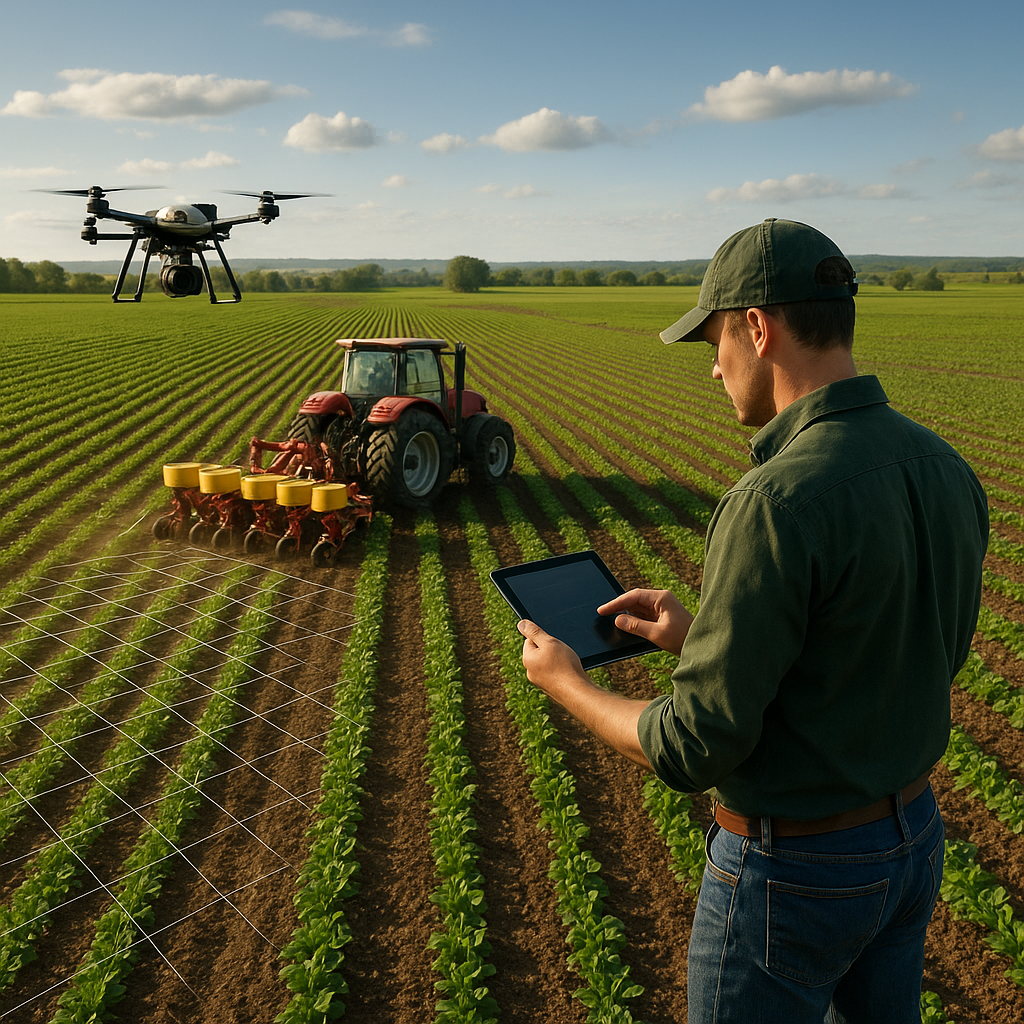
Aerial platforms equipped with multispectral cameras capture canopy temperature and reflectance indices—key indicators of plant water stress. This high-resolution imagery pinpoints zones requiring immediate attention, optimizing the deployment of water where it is most needed. Drones also facilitate rapid assessment of infrastructure integrity, detecting leaks or blockages before they escalate into major losses.
Artificial Intelligence and Automation
Machine learning models ingest a plethora of variables—from sensor outputs to soil nutrient profiles—to generate irrigation prescriptions that maximize crop health. Automated systems then execute these prescriptions, modulating flow rates and durations with high degrees of optimization. The synergy between AI-driven decision support and mechanical actuators ushers in a new era of fully autonomous irrigation management.
Impact on Water Conservation and Sustainable Agriculture
The tangible benefits of smart irrigation extend far beyond water savings. By enhancing resource allocation and reducing operational inefficiencies, these technologies drive both environmental and economic gains.
Quantifying Water Savings and Yield Increases
Case studies across diverse climatic zones reveal water reductions of 20–50% compared to conventional approaches. Simultaneously, yield improvements of 10–30% have been documented, attributable to optimized root-zone moisture and minimized plant stress. The efficiency gains contribute to lower energy consumption for pumping, reduced fertilizer leaching, and improved soil health over multiple growing seasons.
Economic and Social Implications
World farms adopting smart irrigation often benefit from:
- Decreased labor requirements due to remote monitoring and automated control.
- Enhanced market competitiveness through the production of premium-quality crops.
- Access to financial incentives or carbon credits for demonstrable water stewardship.
- Strengthened food security in vulnerable communities by mitigating the impacts of drought.
Future Prospects and Research Directions
Ongoing research aims to refine sensor durability, expand cloud platform interoperability, and integrate genomic crop models for cultivar-specific irrigation regimes. As automation and robotics advance, we can anticipate self-propelled drip rigs and swarms of micro-drones administering targeted irrigation droplets. The next frontier lies in leveraging blockchain to verify water use data, ensuring transparency and fostering trust among supply chain stakeholders.
The convergence of these innovations promises a paradigm shift toward truly sustainable agriculture, where finite freshwater resources are wielded with unprecedented precision—nurturing robust harvests while safeguarding the planet for generations to come.