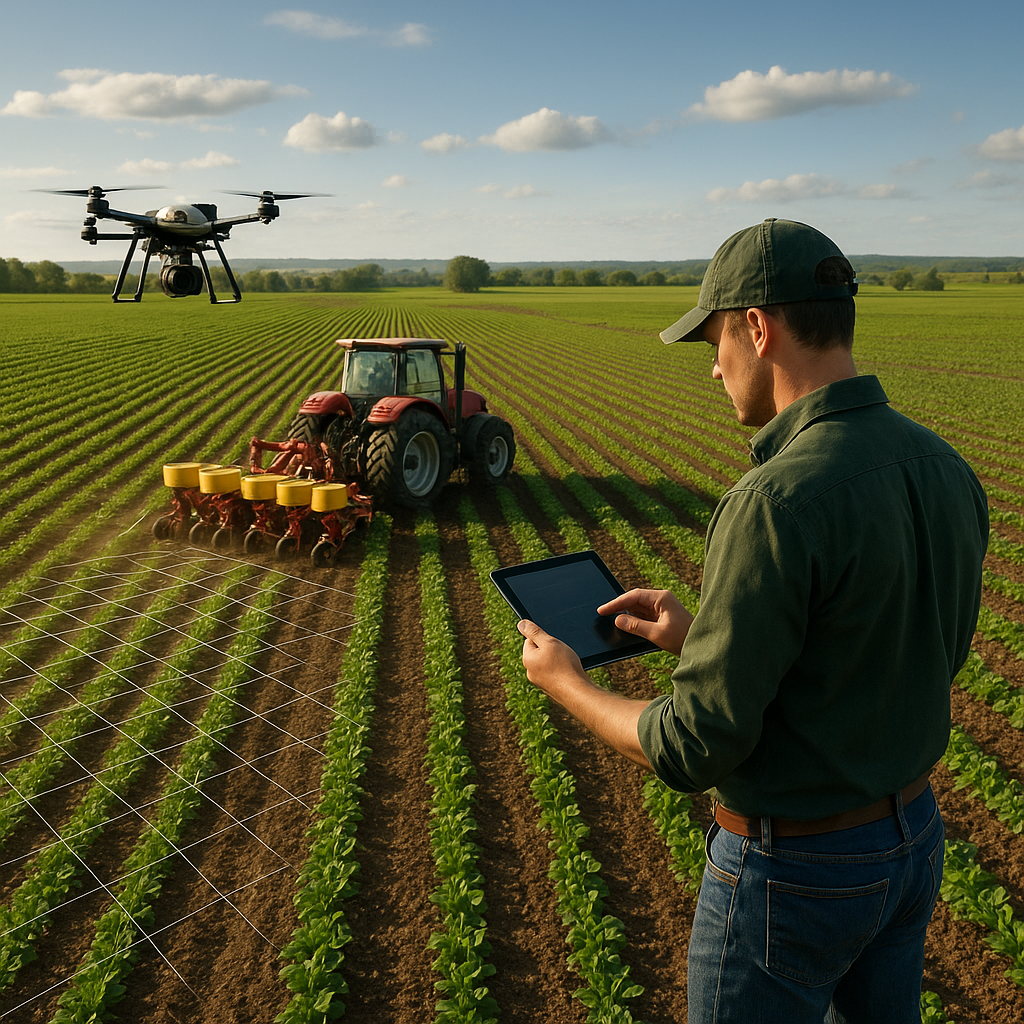
Precision agriculture is revolutionizing the way farmers cultivate crops, optimize resources, and respond to global challenges. By integrating advanced technologies into traditional farming practices, growers across continents can now make informed decisions that boost efficiency and minimize environmental impact. From the vast plains of North America to the terraced fields of Southeast Asia, this movement is reshaping the face of agriculture.
Emerging Technologies Driving Change
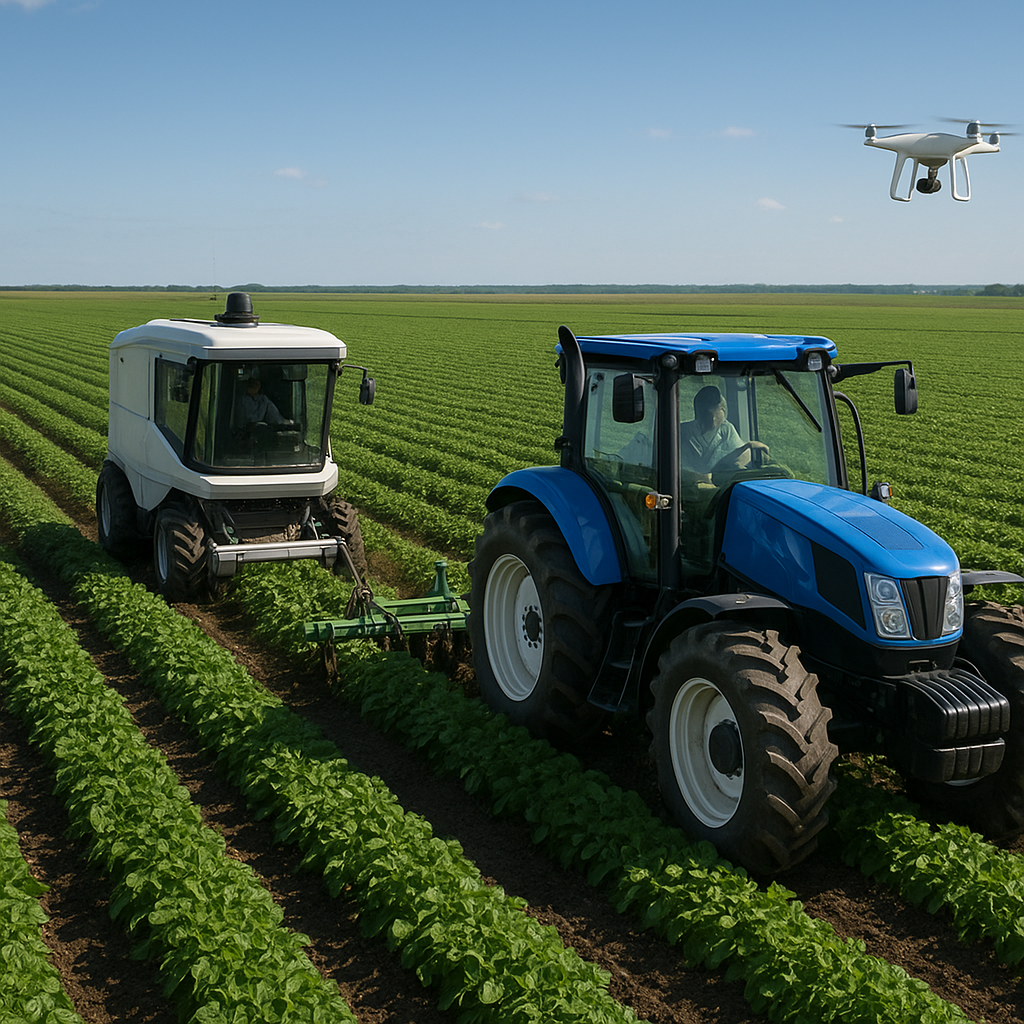
Innovations in hardware and software have provided farmers with unprecedented access to real-time field data. Unmanned aerial vehicles, commonly known as drones, deliver high-resolution imagery that helps monitor crop health and detect early signs of pest infestations. Ground-based sensors measure soil moisture, nutrient levels, and temperature at numerous points within a single field. Combined, these devices feed into cloud platforms where advanced analytics tools turn raw data into actionable insights.
Key technological components include:
- Variable Rate Technology (VRT): Tailors seeding, fertilization, and irrigation across different zones for optimal resource use.
- GPS-Guided Machinery: Ensures tractors and harvesters follow precise paths, reducing overlap and fuel consumption.
- IoT Networks: Connect field devices to central dashboards, enabling remote monitoring and control.
When integrated properly, these systems drive productivity gains of up to 20%, cutting waste and lowering operational costs. Farms that adopt these tools achieve higher yields per hectare while preserving valuable natural resources.
Data-Driven Farm Management
Data lies at the heart of modern farming. Through sophisticated software suites, producers can:
- Analyze historical weather patterns to plan planting and harvesting windows.
- Predict pest outbreaks based on temperature and humidity trends.
- Track crop development stages to optimize fertilization schedules.
Such precision enables a shift from reactive to proactive management. For example, automated irrigation systems activate only when soil moisture dips below threshold levels, conserving water without jeopardizing crop health. Similarly, disease models run by artificial intelligence recommend targeted chemical applications, reducing overall pesticide usage by up to 40%.
By fostering a culture of continuous innovation, farms can quickly adapt to volatile markets and shifting climate conditions. Collaborative platforms allow agronomists, data scientists, and farm managers to share insights, creating a global network of best practices. This synergy accelerates the adoption curve for new methods and technologies worldwide.
Environmental and Economic Impacts
Precision approaches not only support farm profitability but also advance sustainability goals. Key benefits include:
- Reduced greenhouse gas emissions, thanks to optimized fuel use and minimized fertilizer runoff.
- Enhanced biodiversity through precision herbicide application, protecting non-target species.
- Maintenance of soil structure and health via balanced nutrient management.
Economic analyses reveal that every dollar invested in precision systems can yield returns of three to five dollars over five years. Smallholder farmers in developing regions are tapping into microfinancing schemes and affordable sensor kits, enabling more equitable access to cutting-edge solutions. As a result, local communities witness improved food security and greater economic resilience.
Large-scale operations, on the other hand, leverage drone swarms and robotic harvesters. These automated fleets can work day and night, reducing labor shortages and human fatigue while maintaining consistent quality across time-sensitive tasks like fruit picking.
Challenges and Future Directions
Despite its promise, precision agriculture faces hurdles that must be addressed to ensure widespread adoption. Barriers include:
- High upfront costs for hardware and software subscriptions.
- Data privacy concerns and the risk of vendor lock-in.
- Technical skill gaps among farmers and agronomists.
To overcome these obstacles, stakeholders are implementing several strategies:
- Training programs led by universities and industry partners to build digital literacy on the farm.
- Open-source platforms that empower users to customize tools without proprietary constraints.
- Public–private partnerships offering subsidized equipment leasing and shared service models.
Looking ahead, the integration of blockchain for supply chain transparency promises safer traceability from seed to sale. The convergence of robotics and machine learning will push the boundaries of field autonomy. By combining edge computing with 5G connectivity, on-farm devices can process information at lightning speed, enabling real-time adjustments that further elevate precision and efficiency.
As climate variability intensifies, the capacity to adapt quickly will become paramount. Precision agriculture lays the foundation for a more resilient global food system—one where technology and tradition work hand in hand to feed a growing population.
Regional Case Studies in Adoption
North America: Large-Scale Grain Farms
In the Canadian Prairies and U.S. Corn Belt, farmers deploy satellite-guided combines and cloud-based analytics to monitor nitrogen uptake and moisture profiles. By correlating yield maps with soil tests, these producers refine their VRT prescriptions each season, achieving up to 15% more output while cutting input costs.
Europe: Precision Viticulture
Winemakers in France, Italy, and Spain utilize hyperspectral imaging from drones to assess vine vigor and grape ripeness. Block-level irrigation adjustments preserve terroir characteristics while reducing water consumption by 30%. This balance of art and science underscores the role of innovation in maintaining heritage crops.
Africa: Mobile Platforms for Smallholders
Startups in Kenya and Nigeria offer smartphone apps that guide farmers through planting schedules and pest diagnostics. Paired with inexpensive Bluetooth sensors, these tools democratize access to high-quality data, boosting yields of maize, cassava, and sorghum by up to 25% in pilot projects.
Asia-Pacific: Rice Intensification Techniques
In Bangladesh and Vietnam, automated water level controllers and drone-based seeding systems enable direct-seeded rice cultivation. These methods improve productivity and reduce methane emissions by avoiding prolonged flooding, aligning with global climate targets.
Pathways to Widespread Implementation
Successful scaling of precision agriculture hinges on collaboration across sectors. Key enablers include:
- Government incentives for research and development in agri-tech.
- Universities offering interdisciplinary curricula that merge agronomy with data science.
- International organizations standardizing data formats and connectivity protocols.
When these elements align, farmers gain access to cost-effective, interoperable solutions that catalyze long-term growth. The fusion of automation with predictive modeling fosters not just higher yields, but also a stronger, more adaptable agricultural sector capable of weathering future uncertainties.