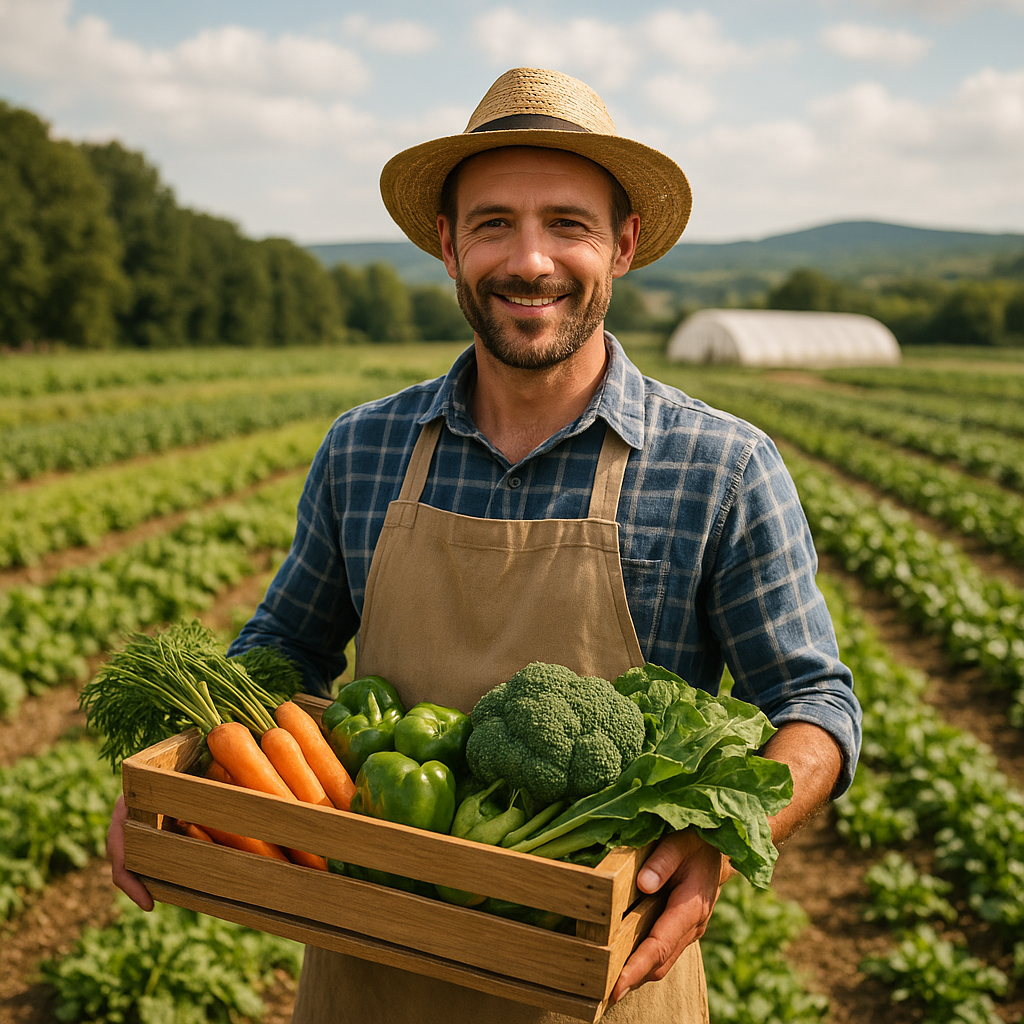
Organic farming has shifted from a niche movement to a major force shaping agriculture and consumer habits around the globe. By focusing on natural methods, reduced chemical inputs, and animal welfare, growers and buyers are rewriting the future of food production. This article examines the drivers behind this trend, its economic and environmental impacts, and the obstacles innovators must overcome to ensure long-term success.
The Rise of Organic Farming
Over the past few decades, small-scale initiatives have transformed into large networks of certified producers. Growing awareness of food safety concerns, environmental degradation, and climate change has fueled a surge in consumer demand for products free from synthetic pesticides and genetically modified ingredients. Governments and NGOs, recognizing the benefits of eco-friendly agriculture, have adopted policies to support farmers shifting away from conventional methods. This momentum has made organic cultivation one of the fastest-growing segments in the agricultural sector.
Historical Evolution
Origins of organic farming can be traced to early 20th-century movements that criticized industrial agriculture’s reliance on chemical inputs. From Europe’s biodynamic experiments to mid-century permaculture practices, pioneers promoted techniques that preserved soil fertility and encouraged natural pest control. By the 1970s, certification processes emerged, standardizing production guidelines and giving consumers confidence in labels. Agencies like the USDA, EU Organic, and others worldwide began to define criteria for soil management, crop rotation, and livestock care.
Core Principles
- Maintaining ecological balance through crop diversity and integrated pest management
- Eliminating synthetic fertilizers and pesticides
- Enhancing biodiversity in fields and surrounding habitats
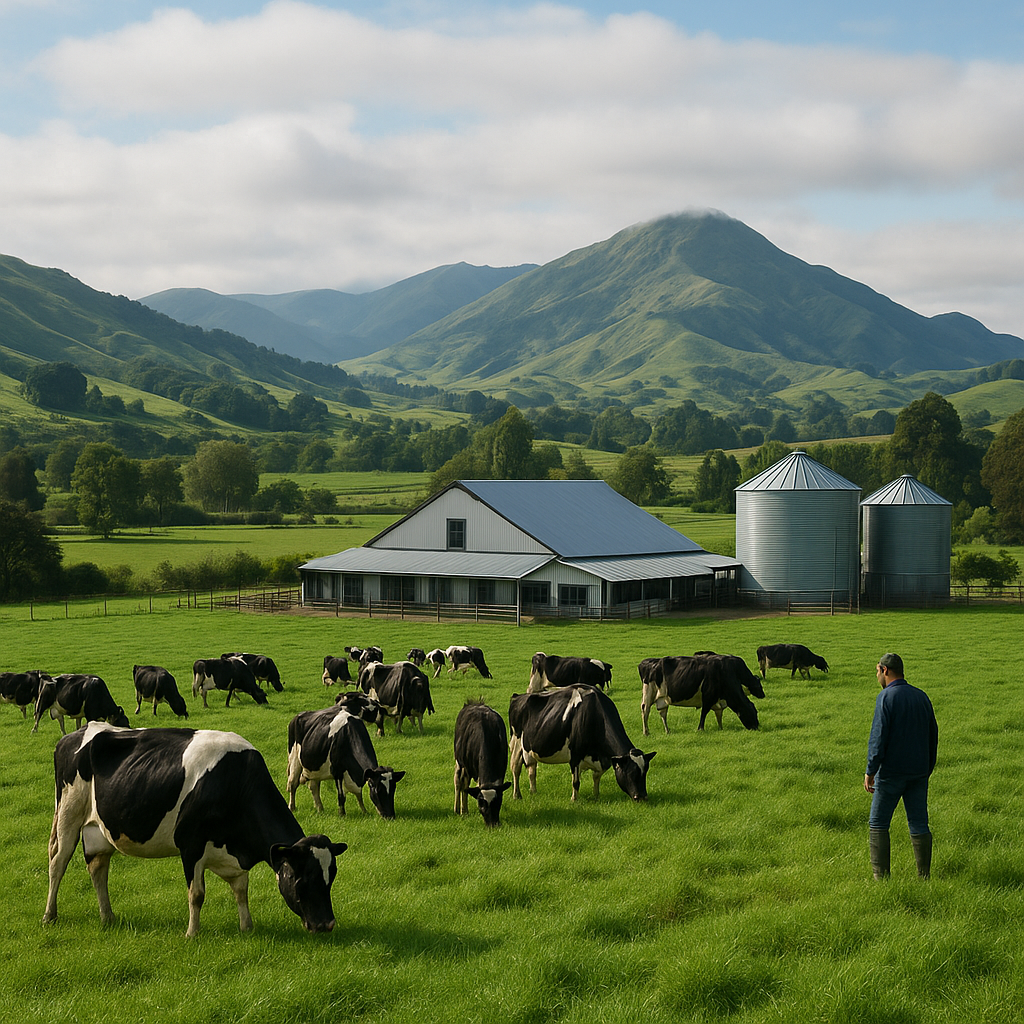
- Respecting animal welfare, including access to pasture and natural feed
- Fostering sustainable resource use, such as water conservation
Impact on Global Markets
As organic offerings expand beyond specialty stores, mainstream retailers and foodservice operators have incorporated them into product lines. Sales of certified organic fruits, vegetables, grains, dairy, and meat continue to experience double-digit increases. This market growth is driven by several factors:
- Rising incomes in emerging economies, enabling a higher willingness to pay premiums
- Digital platforms linking producers to urban buyers seeking transparency
- Major brands acquiring independent organic labels to broaden their portfolios
Consequently, supply chains have grown more complex. International trade deals now address inspection protocols, residue thresholds, and mutual recognition of standards. Farmers in developing nations find new export opportunities, but must navigate stringent requirements to achieve and maintain organic certification.
Value Chain Innovations
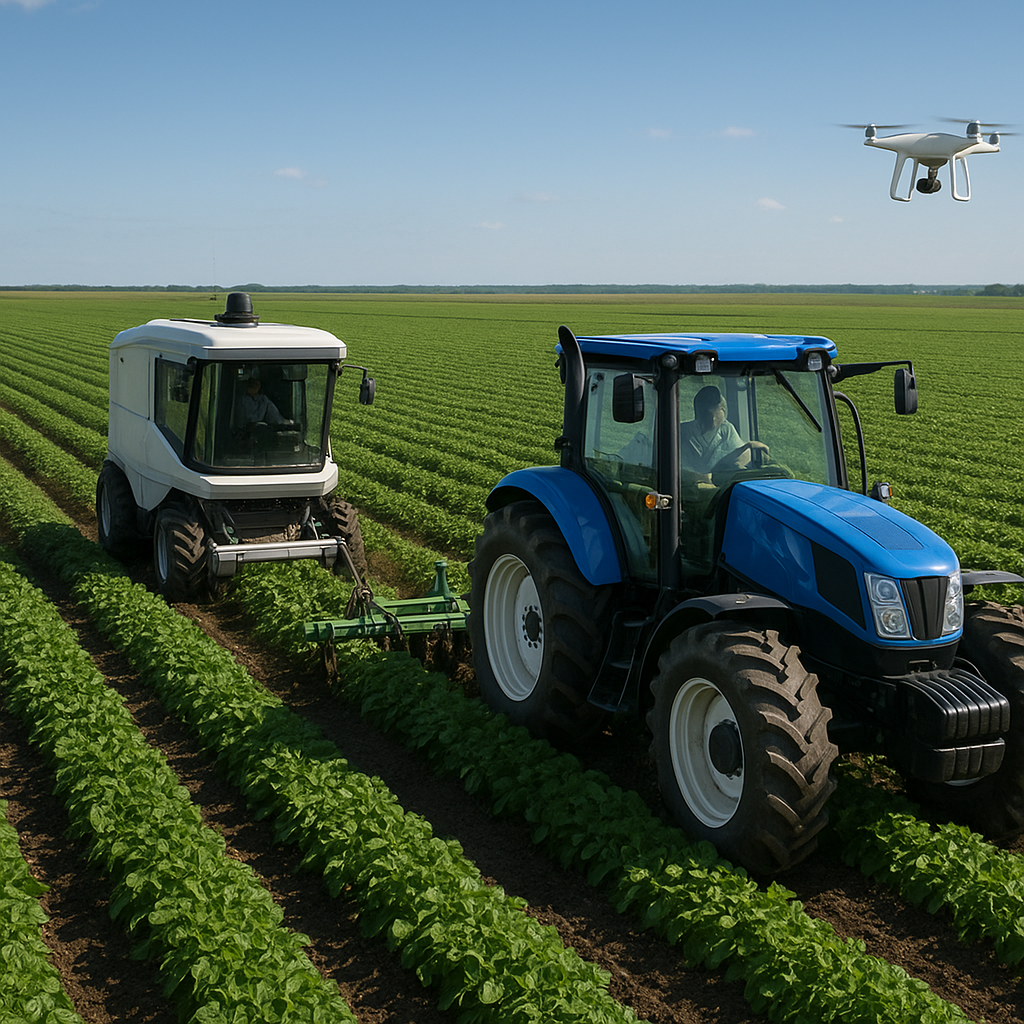
Technological advances—such as remote sensing for crop monitoring and mobile apps for farm management—help producers optimize yields without resorting to prohibited substances. Cooperative models and contract farming arrangements enable smallholders to pool resources and share best practices. Meanwhile, consumer-facing tools like blockchain traceability ensure that origin claims and processing steps remain verifiable, reinforcing trust at each stage.
Environmental and Social Benefits
Beyond economic incentives, organic agriculture delivers tangible benefits for ecosystems and communities. Through careful management of inputs and soil-building strategies, farms can achieve higher levels of resilience against droughts, floods, and pest outbreaks. Studies have shown that organic soils often store more carbon, boost microbial activity, and conserve water more effectively than conventionally managed plots.
Enhancing Ecosystem Services
- Pollinator support via flowering cover crops and hedgerows
- Reduction of chemical runoff that can harm aquatic life
- Improved wildlife habitats through diversified land use
Moreover, organic practices contribute to social well-being by promoting fair trade principles, empowering workers, and strengthening rural communities. By placing emphasis on local value addition, producers often invest in processing facilities, education, and healthcare, uplifting local economies beyond direct farm income.
Challenges and Opportunities
Despite promising gains, the organic sector faces a number of hurdles. Higher production costs, lengthy transition periods, and complex regulatory landscapes can deter entry. Yields in some contexts remain lower than those achieved with intensive chemical inputs, posing questions about the scalability of purely organic systems to feed a growing global population.
Barriers to Expansion
- Access to affordable, organically approved fertilizers and pest controls
- Education gaps in agronomic techniques suited to varied climates
- Certification costs and paperwork, particularly for small-scale farmers
Emerging Solutions
Innovators are exploring integrated approaches that blend organic principles with cutting-edge science. For example, biofertilizers derived from beneficial microbes can enhance nutrient uptake, while botanical pesticides offer targeted control over pests. Research partnerships between universities and cooperatives are testing polyculture systems that mimic natural ecosystems to boost productivity and health outcomes.
Financial instruments like green bonds and impact investments are channeling capital into infrastructure, such as decentralized processing units and cold-chain logistics, reducing post-harvest losses. In parallel, consumer education campaigns promote the value of organic food beyond taste, framing it as a collective investment in public health and environmental stewardship.
Case Studies from Different Regions
Latin America: Smallholder Integration
Countries like Peru and Costa Rica have leveraged organic coffee and fruit exports to create stable incomes for thousands of growers. By forming producer associations, farmers meet international certification standards and secure long-term contracts with roasters and retailers. These networks facilitate knowledge exchange on composting methods and erosion control, ensuring continuous growth of organic acreage.
Europe: Policy-Driven Adoption
The European Union’s Common Agricultural Policy provides subsidies and technical assistance to encourage organic conversion. Nations such as France and Austria boast over 10% of their farmland under organic management. Research stations work closely with producers to refine crop rotations, grazing patterns, and nutrient cycling tailored to local soils and climates.
Asia-Pacific: Urban Horizons
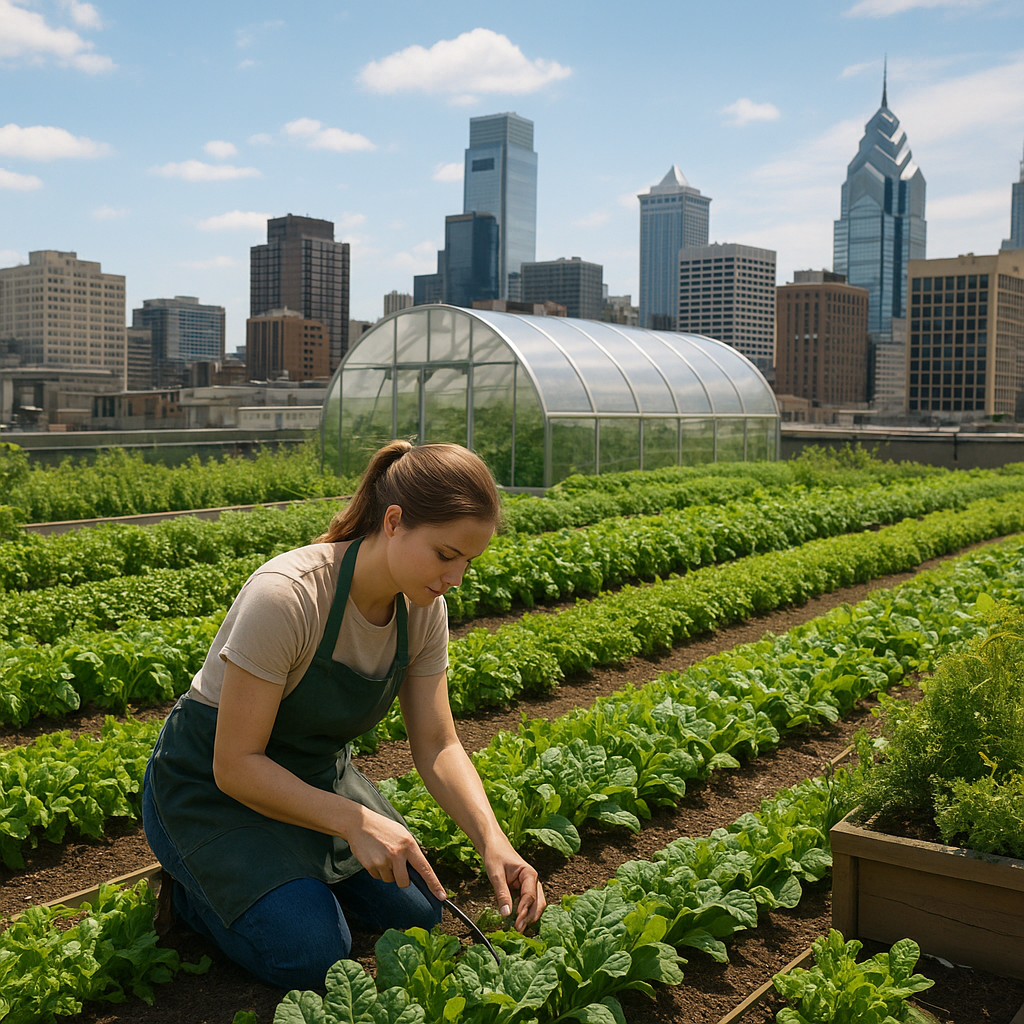
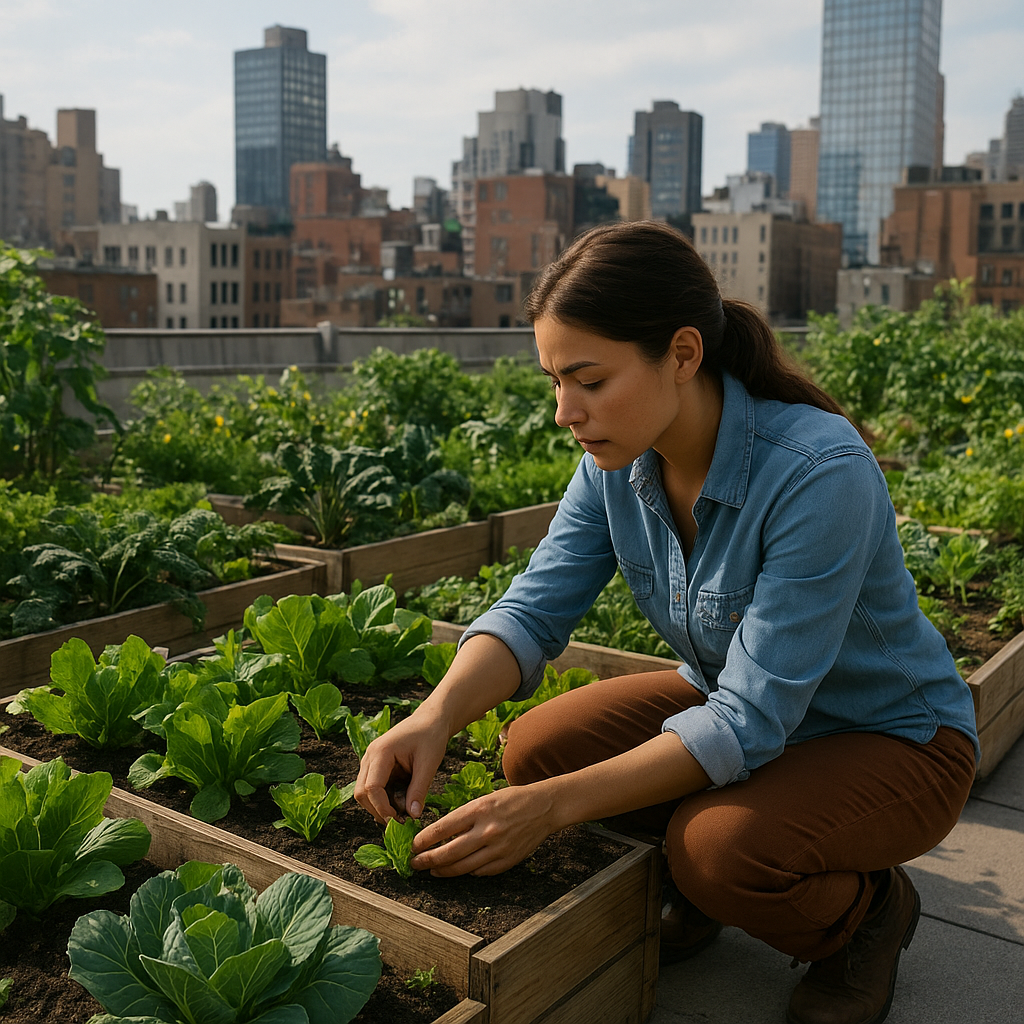
Rapid urbanization in countries like China and India has spurred demand for uncontaminated produce. Vertical farming and greenhouse operations using organic methods are gaining traction near metropolitan centers. E-commerce platforms deliver fresh, locally grown organic vegetables within hours of harvest, reinforcing trust and reducing food miles.
Future Directions
Organic farming’s trajectory suggests continued expansion, but success will hinge on balancing ambition with practical constraints. Integrating regenerative practices, policy support, and market incentives can help the sector evolve. Broad adoption of agroecological principles promises to deliver long-term productivity gains while safeguarding natural resources for generations to come.