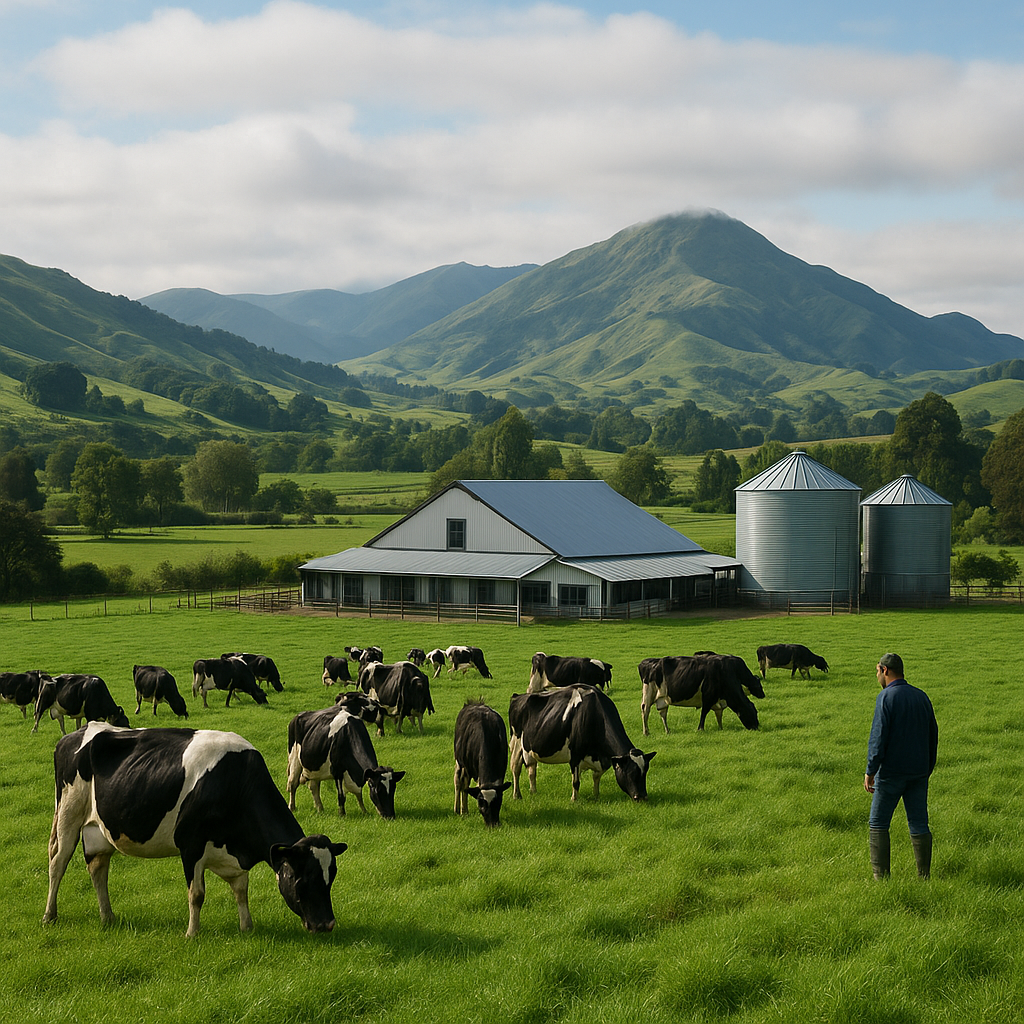
Across the lush pastures and rolling hills of Aotearoa, New Zealand’s agricultural sector has emerged as a global benchmark in sustainable farming. From pioneering regenerative methods to harnessing cutting-edge technology, these farms demonstrate how environmental stewardship and profitability can thrive side by side. With a deep respect for land, people, and biodiversity, New Zealand producers are redefining the future of agriculture on the world stage, setting new standards for resilience and responsible resource management.
Regenerative Agriculture and Soil Health
Building Carbon-Rich Soils
Farmers across New Zealand are embracing regenerative practices that rebuild organic matter, lock away atmospheric carbon, and restore natural ecosystems. By rotating livestock through diverse cover crops, they prevent soil erosion while boosting nutrient cycles. Innovative use of multispecies swards—mixing legumes, grasses, and herbs—enhances biodiversity at the microbial level and fosters healthier root systems. Each rotation not only supplies essential nitrogen but also creates a living mulch that suppresses weeds, reduces compaction, and increases water infiltration.
Minimal Tillage and Compost Applications
Moving away from conventional plowing, many New Zealand farms now employ minimal or “no-till” approaches. This strategy preserves soil structure, protects earthworms, and maintains vital mycorrhizal networks. Coupled with on-farm composting programs—where crop residues and animal manures are transformed into nutrient-dense humus—producers see improved moisture retention and a steady release of plant-available minerals. This closed-loop cycle reduces reliance on synthetic fertilizers and fosters long-term land resilience.
Precision Farming and Technology Integration
Data-Driven Pasture Management
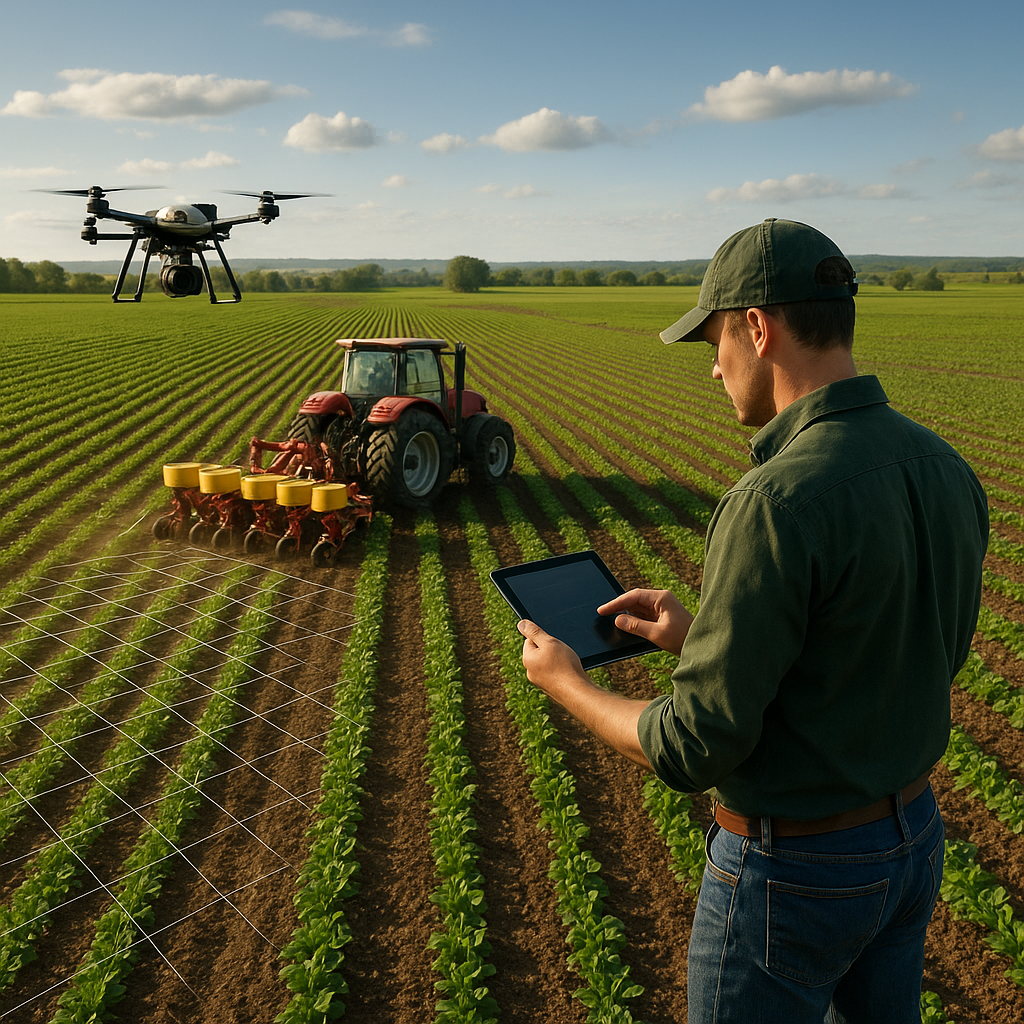
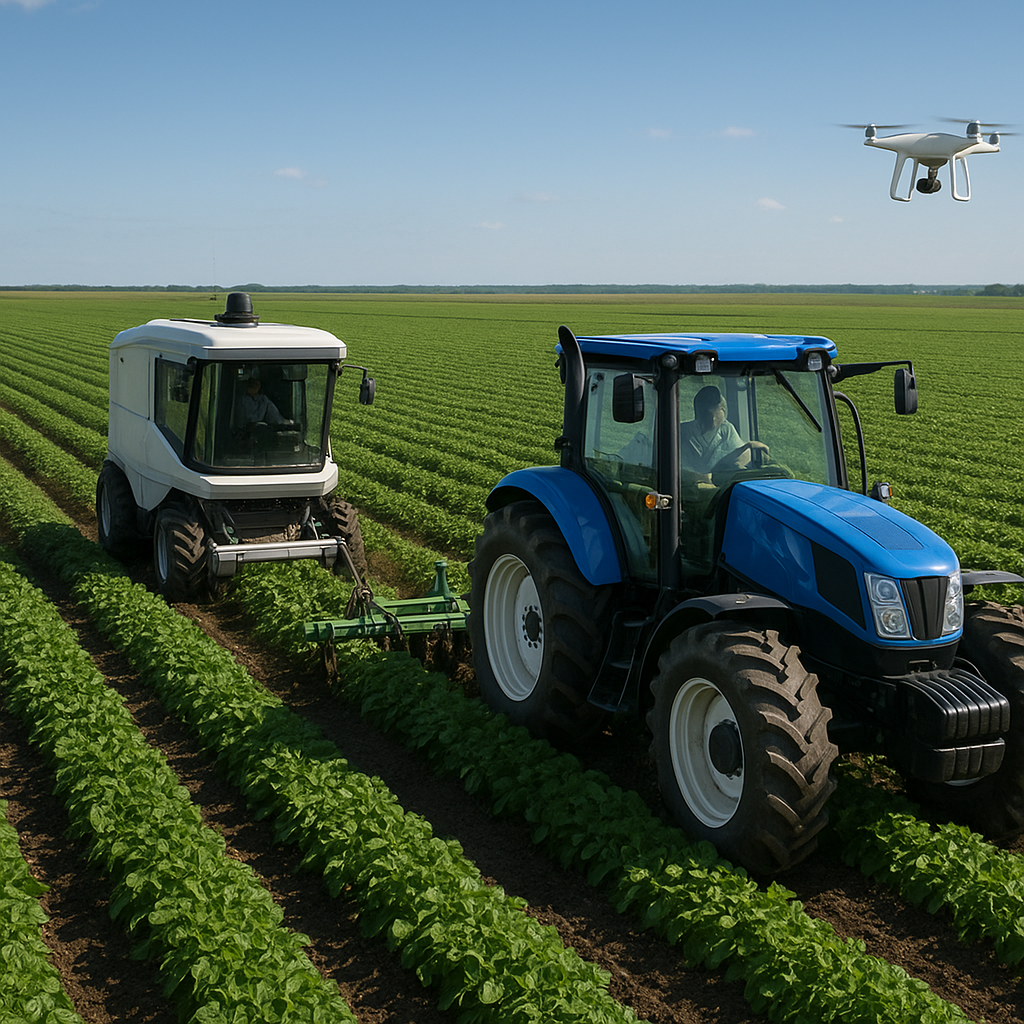
Precision agriculture platforms harness satellite imagery, drones, and soil sensors to optimize grazing plans and fertilization schedules. Real-time data on soil moisture, nutrient levels, and plant health enable farmers to apply inputs only where needed. This efficiency not only cuts costs but also minimizes nutrient leaching into waterways. Digital pasture budgeting tools allow for accurate prediction of dry-matter yield, thereby ensuring livestock receive balanced rations and preventing overgrazing.
Robotics, Automation, and Traceability
Robotic milking stations and automated feeding systems are now common in New Zealand’s dairy sector. These machines monitor individual cow health, feeding patterns, and milk quality—alerting farmers to early signs of mastitis or metabolic stress. Meanwhile, blockchain-based traceability solutions provide end-to-end transparency in meat and dairy supply chains. Consumers can scan a QR code to discover the exact farm location, breed genetics, and antibiotic usage history, reinforcing trust and supporting premium export markets.
Renewable Energy and On-Farm Power Generation
Solar, Wind, and Biogas Installations
Committed to reducing fossil fuel dependency, New Zealand farms are integrating renewable energy systems across diverse operations. Rooftop solar panels power milking sheds, water pumps, and processing facilities, slashing electricity bills and carbon footprints. In windy coastal regions, small-scale turbines convert wind currents into clean energy, while anaerobic digesters transform dairy effluent into biogas that fuels tractors or generates electricity. These co-generation setups yield significant cost savings and stabilize energy supply during peak demand.
Energy Storage and Microgrids
Advances in battery technology enable farms to store surplus solar generation for nighttime use or grid feed-in. Community microgrids are emerging in rural districts, allowing neighboring farms to share renewable resources, balance loads, and increase collective resilience against outages. Such cooperative energy networks underscore New Zealand’s strong spirit of collaboration and reinforce the nation’s ambition to achieve net-zero emissions by mid-century.
Water Conservation and Ecosystem Protection
Efficient Irrigation and Riparian Planting
Water scarcity and quality remain critical concerns for agriculture worldwide. New Zealand producers employ state-of-the-art drip and center-pivot irrigation systems equipped with moisture sensors that deliver precise water volumes directly to root zones. This targeted approach reduces evaporation and surface runoff. Along waterways, farmers establish riparian buffer zones featuring native trees and shrubs, which filter sediment, absorb excess nutrients, and provide habitat corridors for birds and aquatic life.
Wetland Restoration and Biodiversity Corridors
Recognizing the intrinsic link between farm productivity and healthy ecosystems, many operations have reclaimed drained wetlands and reestablished natural floodplains. These restored habitats act as natural sponges in heavy rains, mitigate downstream flooding, and bolster populations of indigenous fish and insect species. By stitching together conservation patches, farmers create biodiversity corridors that connect fragmented landscapes and reinforce the region’s ecological integrity.
Community Engagement and Global Leadership
Knowledge Sharing and Farm Networks
Hosting field days, workshops, and on-farm demonstrations, New Zealand farmers actively share lessons learned, obstacles overcome, and success stories with peers at home and abroad. Networks like the Primary Growth Partnership and the Pastoral 21 program foster public-private collaboration to fund research into low-emission farming systems. Experts from government agencies, universities, and industry convene regularly to co-design best practices that can be scaled up or adapted to diverse climates and soil types worldwide.
Exporting Expertise and Sustainable Products
New Zealand’s premium lamb, beef, and dairy exports command global markets due to rigorous quality standards, animal welfare assurances, and transparent environmental credentials. As consumers increasingly demand ethically produced food, New Zealand suppliers leverage their sustainability story to access high-value markets in Europe, North America, and Asia. Alongside commodity shipments, consultancies and agri-tech firms are in high demand, exporting consultancy services and precision-farming solutions to nations seeking to revolutionize their own agricultural sectors.
Innovation in Animal Welfare and Feed Alternatives
Low-Stress Livestock Handling
Emphasizing welfare alongside productivity, many farms have adopted low-stress stockmanship techniques. Strategic yard designs, calming handling tools, and sheepdogs trained for gentle herding improve animal well-being and reduce cortisol levels, which in turn enhance growth rates and milk yields. Welfare-certified products carry premium price tags and reinforce the link between ethical treatment and market advantage.
Alternative Protein and Pasture Supplements
To decrease methane emissions from ruminants, researchers partner with farmers to trial seaweed-based feed additives, tannin-rich plant extracts, and precision fermentation products. Early results show significant methane reductions without compromising weight gain or milk composition. By integrating these supplements into rotational grazing systems, New Zealand farms pioneer pathways toward low-emission livestock while maintaining animal health and production efficiency.
Embracing a Circular Bioeconomy
Waste Valorization and By-Product Use
Striving for zero waste, farms are converting by-products—such as whey, wool scourings, and vegetable trimmings—into high-value commodities. Whey becomes protein-rich animal feed or fermentation base, wool waste is processed into insulation or horticultural mulch, and organic residues enter anaerobic digesters. This full-circle approach reduces landfill inputs, closes nutrient loops, and fosters a resilient rural economy.
Local Processing Hubs and Cooperative Ownership
Regional cooperatives invest in small-scale processing facilities for meat, milk, and horticultural produce. By adding value close to the farmgate, producers capture a larger share of final retail margins, create rural jobs, and minimize transportation emissions. Democratically owned processing hubs reinvest profits into community development, training, and environmental initiatives, reinforcing social cohesion and shared prosperity.
Looking Forward: Scaling Sustainable Solutions
The journey undertaken by New Zealand’s farms illustrates that ambitious climate targets and economic viability need not be mutually exclusive. Through continuous experimentation, cross-sector collaboration, and a deep cultural respect for whenua (land), farmers are building a blueprint for agriculture’s future. As climate pressures intensify globally, the innovative spirit and hard-won lessons from New Zealand will guide countries everywhere toward more resilient, regenerative, and equitable food systems.